This article delves into the fascinating world of map projections, their impact on size and distance, and how to gain a more accurate understanding of the Earth’s true dimensions. We’ll explore why a world map actual size is impossible in the purest sense and how different map projections attempt to mitigate these inherent inaccuracies. Get ready to rethink your understanding of the world map!
The Inherent Challenges of Mapping a Sphere
The Earth, for all intents and purposes, is a sphere (technically, an oblate spheroid). This presents a significant challenge when trying to represent it on a flat surface. Imagine trying to peel an orange and lay the peel flat without any tearing or stretching. It’s impossible! This is the core problem cartographers face when creating maps.
The Problem of Distortion
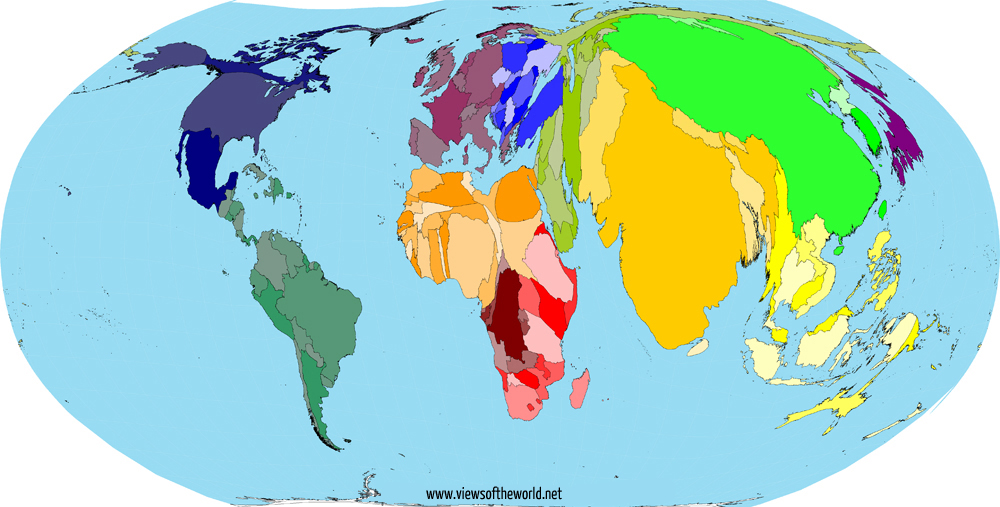
- Area Distortion: The relative sizes of landmasses are altered. Some areas appear larger or smaller than they actually are in relation to others.
- Shape Distortion: The shapes of continents and countries are altered, making them appear stretched or compressed.
- Distance Distortion: Distances between points on the map are not accurate. This can lead to miscalculations of travel times and resource allocation.
- Direction Distortion: The angles and directions between points are not accurately represented. This can be critical for navigation.
These distortions are a fundamental reality of mapmaking. No single map projection can eliminate all of them simultaneously. Cartographers must choose a projection that minimizes distortion in the aspects most important for the map’s intended purpose.
Understanding Map Projections
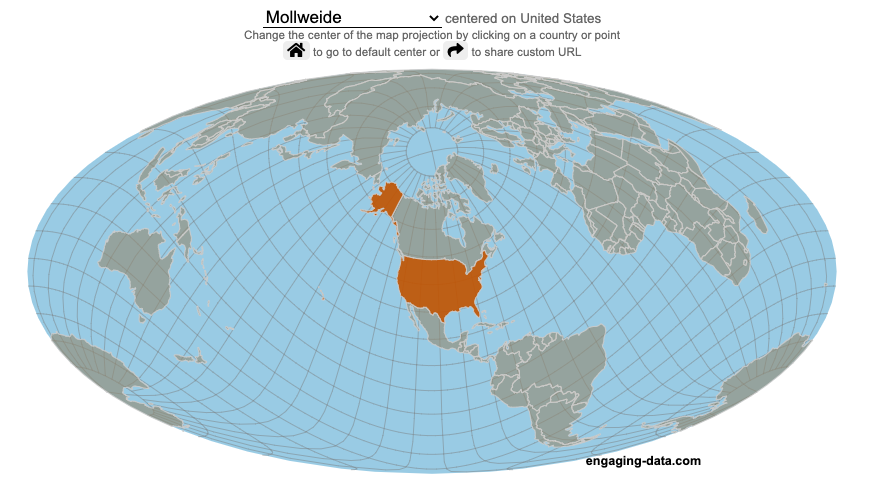
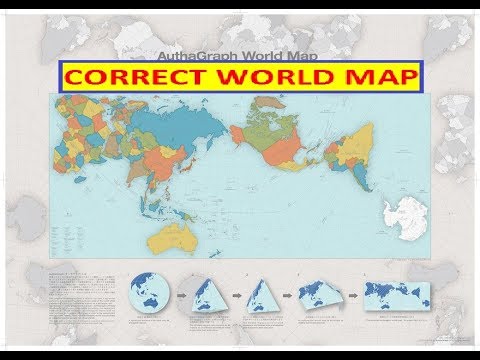
A map projection is a systematic way of representing the Earth’s three-dimensional surface on a two-dimensional plane. Different projections are designed to preserve specific properties, leading to a wide variety of map styles. Each projection has its strengths and weaknesses, making it essential to understand which projection is being used and what distortions it introduces.
Common Map Projections and Their Distortions
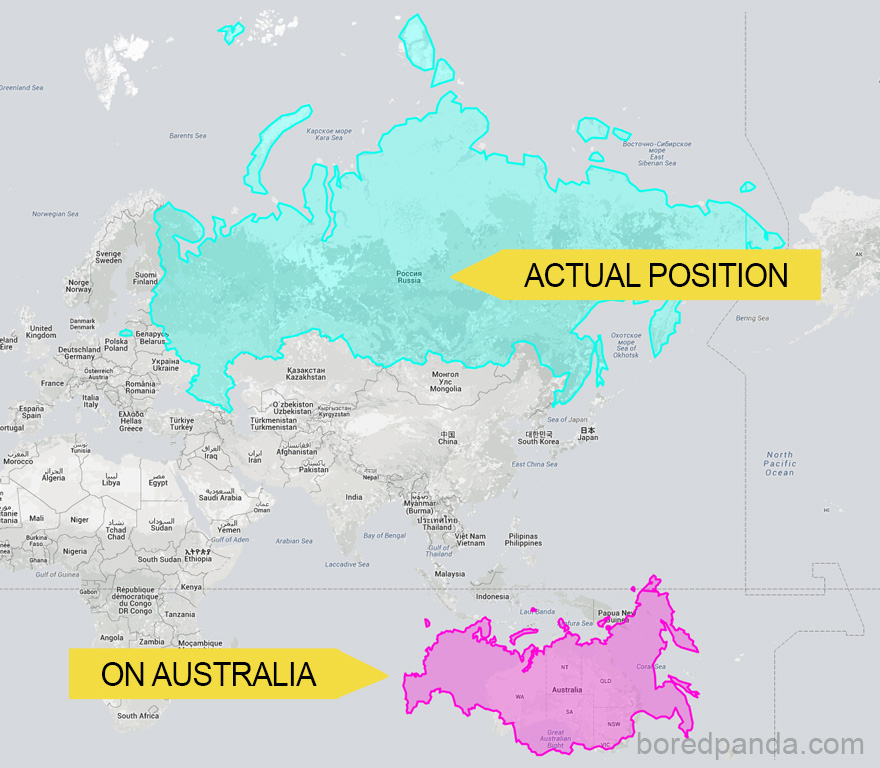
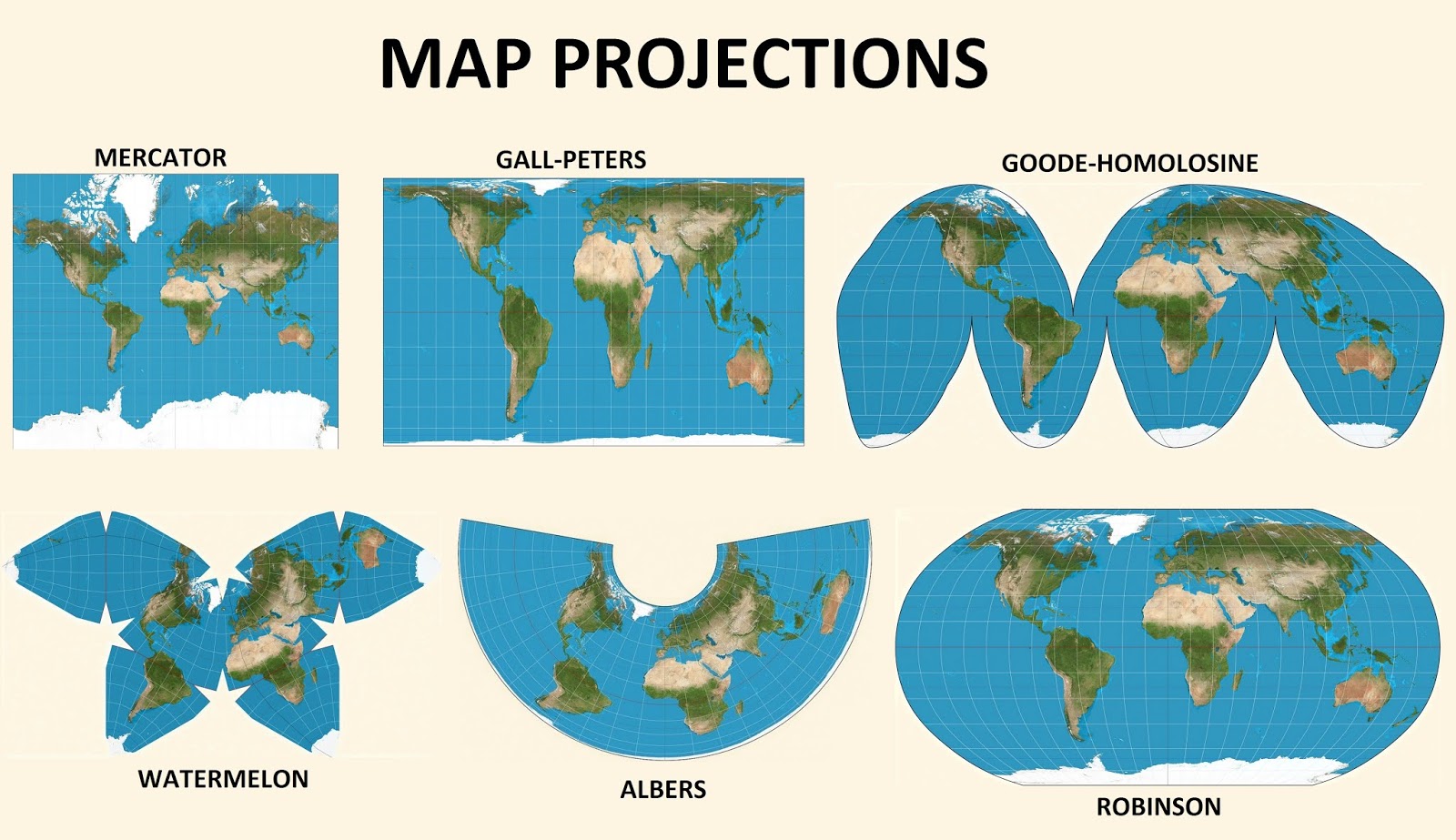
- Mercator Projection: Developed by Gerardus Mercator in the 16th century, this projection is cylindrical and preserves angles, making it useful for navigation. However, it severely distorts areas, particularly near the poles. Greenland, for example, appears much larger than South America. This is a crucial aspect to consider when discussing the world map actual size.
- Gall-Peters Projection: This is an equal-area cylindrical projection, meaning it accurately represents the relative sizes of landmasses. However, it distorts shapes, making continents appear stretched.
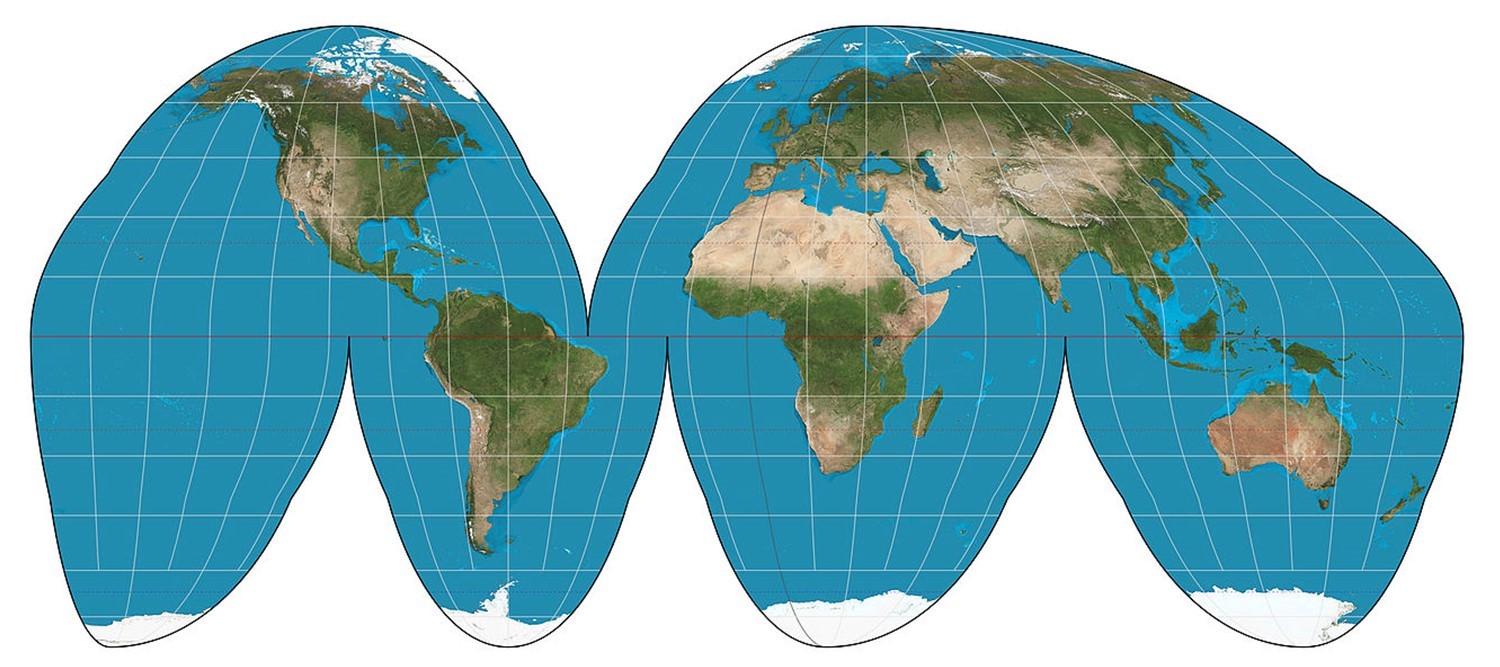
- Robinson Projection: This is a compromise projection that attempts to minimize distortion in both area and shape. It’s often used in textbooks and atlases, but it still introduces some inaccuracies.
- Winkel Tripel Projection: Another compromise projection, the Winkel Tripel is known for its relatively low overall distortion and is often preferred for its visual balance.
The choice of projection significantly impacts how we perceive the world map actual size. Each one provides a different perspective, emphasizing different aspects of the Earth while inevitably introducing some level of distortion.
The Concept of ‘Actual Size’ on a World Map
So, can a world map accurately represent the actual size of landmasses and distances? The short answer is: No, not perfectly. However, understanding the scale of a map is crucial.
Map Scale and its Importance
- Ratio or Representative Fraction: Expresses the ratio between map distance and ground distance (e.g., 1:100,000, meaning 1 unit on the map represents 100,000 units on the ground).
- Verbal Scale: Describes the scale in words (e.g., “One inch equals ten miles”).
- Graphic Scale: Uses a bar or line divided into segments to represent distances on the ground.
By understanding the map scale, you can estimate distances and sizes. However, remember that the map projection will still introduce distortions. The Mercator projection, for instance, significantly exaggerates the size of areas near the poles, making Greenland appear much larger than it is.
Using the Map to Estimate Area and Distance
To estimate the area of a country on a map, you need to be aware of the projection used. For equal-area projections like the Gall-Peters, you can directly compare areas. For other projections, you’ll need to account for the distortions. Distance estimation can be done using the map scale and a ruler or other measuring tool. Remember to consider the curvature of the Earth, particularly for long distances.
Beyond the Flat Map: Considering the Earth’s Curvature
While maps are essential tools, they offer a simplified representation of our world. The Earth’s curvature is a significant factor in understanding true distances, especially over long spans. Flat maps, by their nature, cannot fully capture this curvature.
The Role of Geographic Coordinate Systems
Geographic coordinate systems (latitude and longitude) provide a more accurate way to pinpoint locations on Earth. These systems use angles to define a point’s position relative to the equator and the prime meridian. Using these coordinates, you can calculate distances with greater precision than relying solely on a flat map.
Tools for Measuring Real-World Distances
Modern technology provides numerous tools for measuring real-world distances. GPS devices, online mapping services (like Google Maps), and GIS (Geographic Information System) software utilize geographic coordinates and sophisticated algorithms to provide highly accurate distance and area calculations. These tools are invaluable for various applications, from navigation to urban planning.
Addressing Common Questions: People Also Ask
What is the most accurate world map?
Why do maps distort the size of countries?
Maps distort the size of countries due to the inherent challenge of representing a curved surface on a flat one. Map projections introduce distortions in area, shape, distance, and direction. Cartographers must choose a projection that minimizes distortion in the aspects most important for the map’s intended purpose.
What is the best map projection for showing the size of countries?
The Gall-Peters projection is generally considered the best for showing the actual sizes of countries because it is an equal-area projection. This means that the relative sizes of landmasses are accurately represented, even if the shapes are distorted.
How can I find the actual size of a country?
You can find the actual size of a country by consulting reliable sources such as government websites, encyclopedias, or reputable online resources. These resources will provide the land area, often in square kilometers or square miles. You can also use online mapping tools to measure the area on a map that uses an equal-area projection.
Conclusion: Embracing the Limitations and Appreciating the World
Understanding the world map actual size is a journey of appreciating the complexities of cartography and how we perceive our world. While a perfectly accurate flat map is impossible, the tools and knowledge are available to navigate and comprehend the Earth’s dimensions effectively.
- Recognize the distortions: Understand that all map projections introduce some level of distortion.
- Choose the right tool: Select the map projection that best suits your needs, considering the type of information you require.
- Utilize technology: Employ GPS, online mapping services, and GIS software for accurate measurements and analysis.
- Embrace the spherical reality: Remember that the Earth is a sphere, and flat maps are just a representation.
By embracing these principles, you can develop a deeper understanding of our planet and the ways we represent it. The next time you look at a map, remember the fascinating challenges of translating our complex world onto a flat surface. The world map actual size, while elusive in its purest form, offers a wealth of knowledge and insights into the world around us. Happy exploring!