Pinpointing Morocco’s Location: A Northwest African Jewel
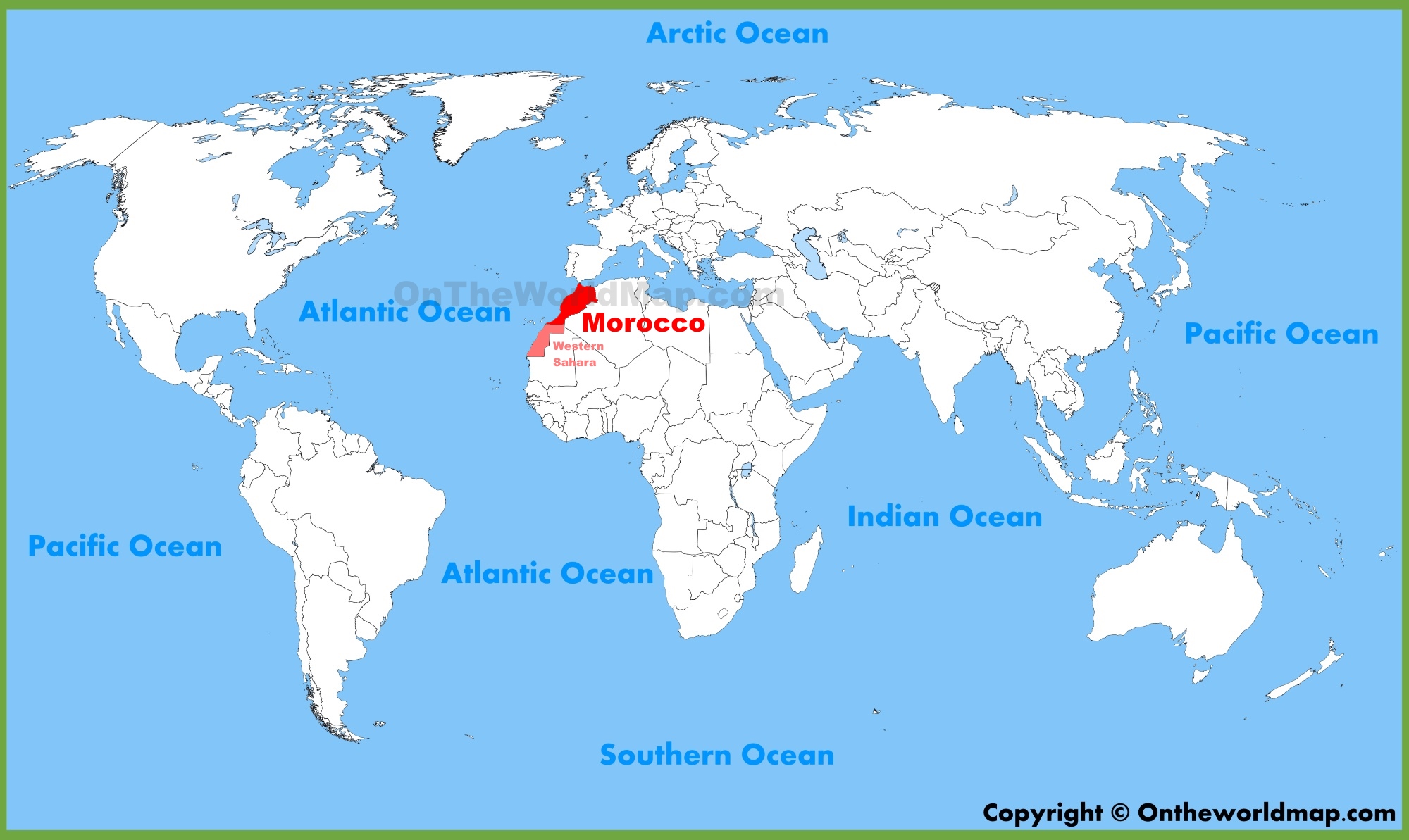
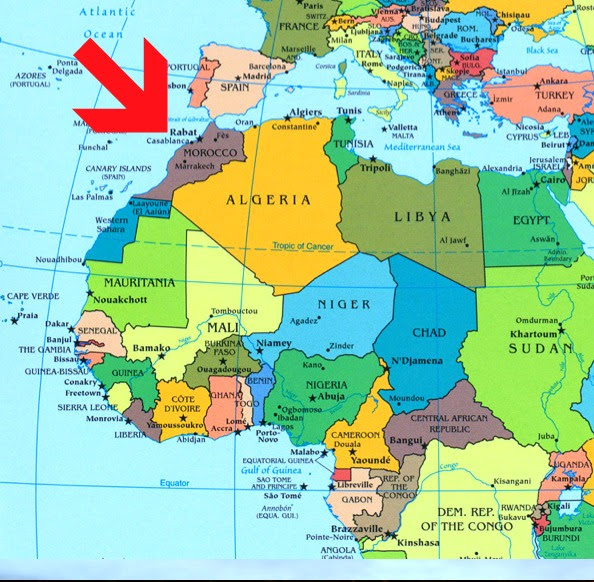
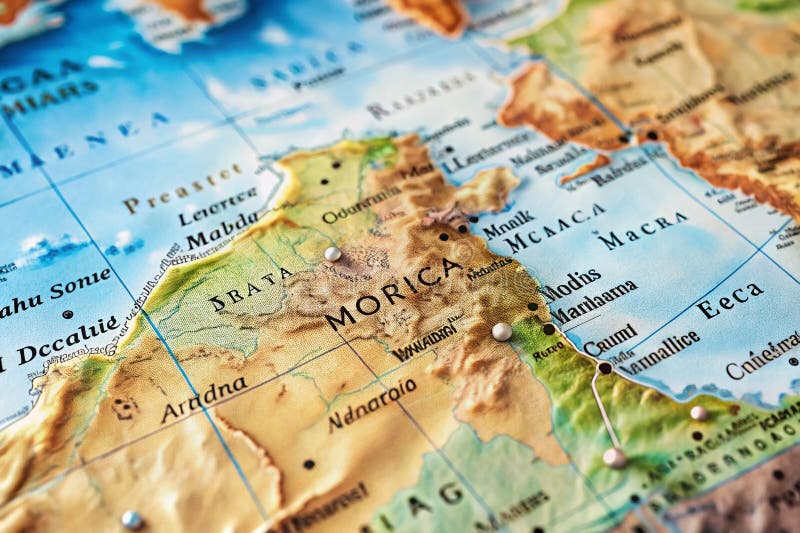
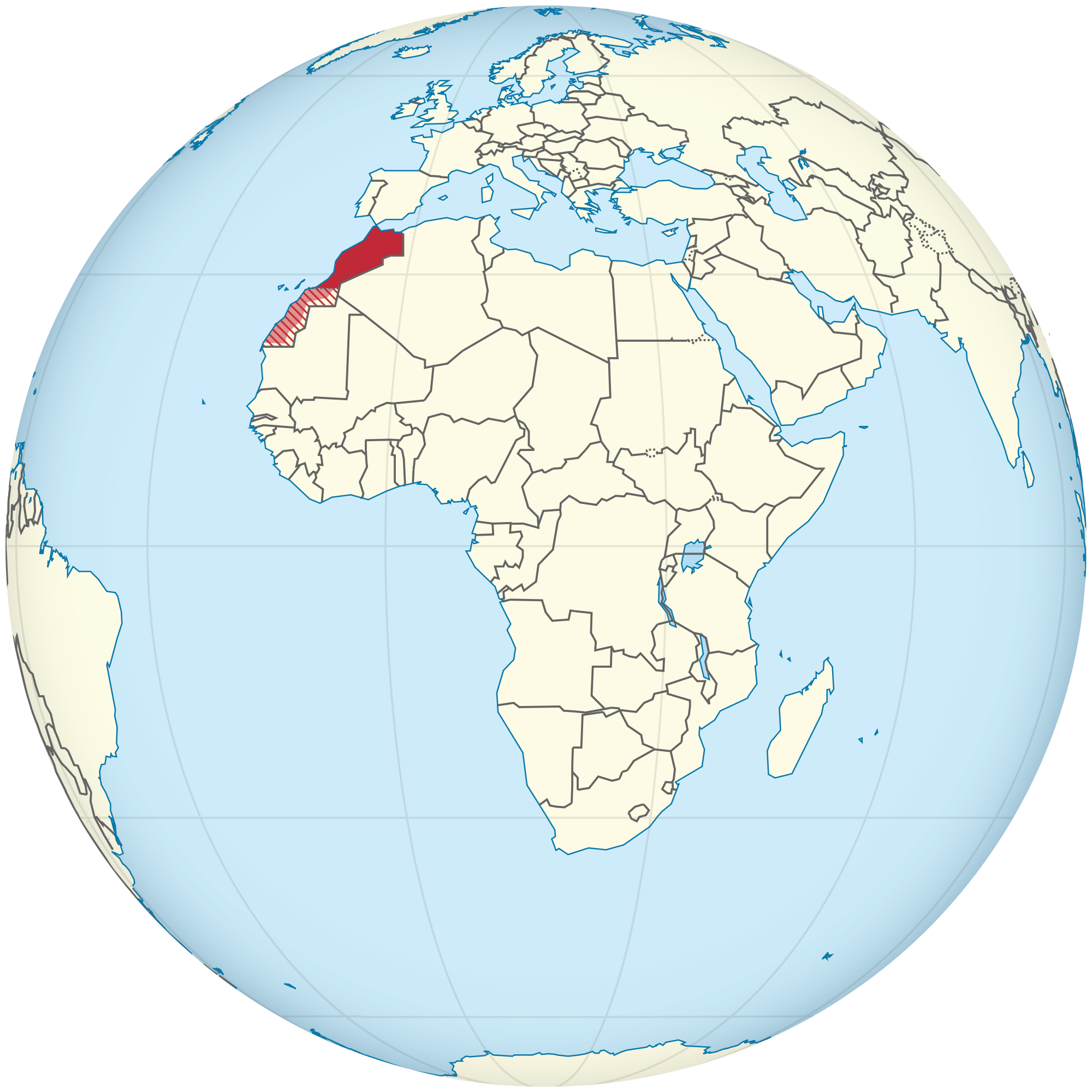
To put it simply, Morocco is located in the northwesternmost corner of the African continent. It is a prominent nation within the region of North Africa, a part of the world known as the Maghreb, which also includes Algeria, Tunisia, Libya, and Mauritania.
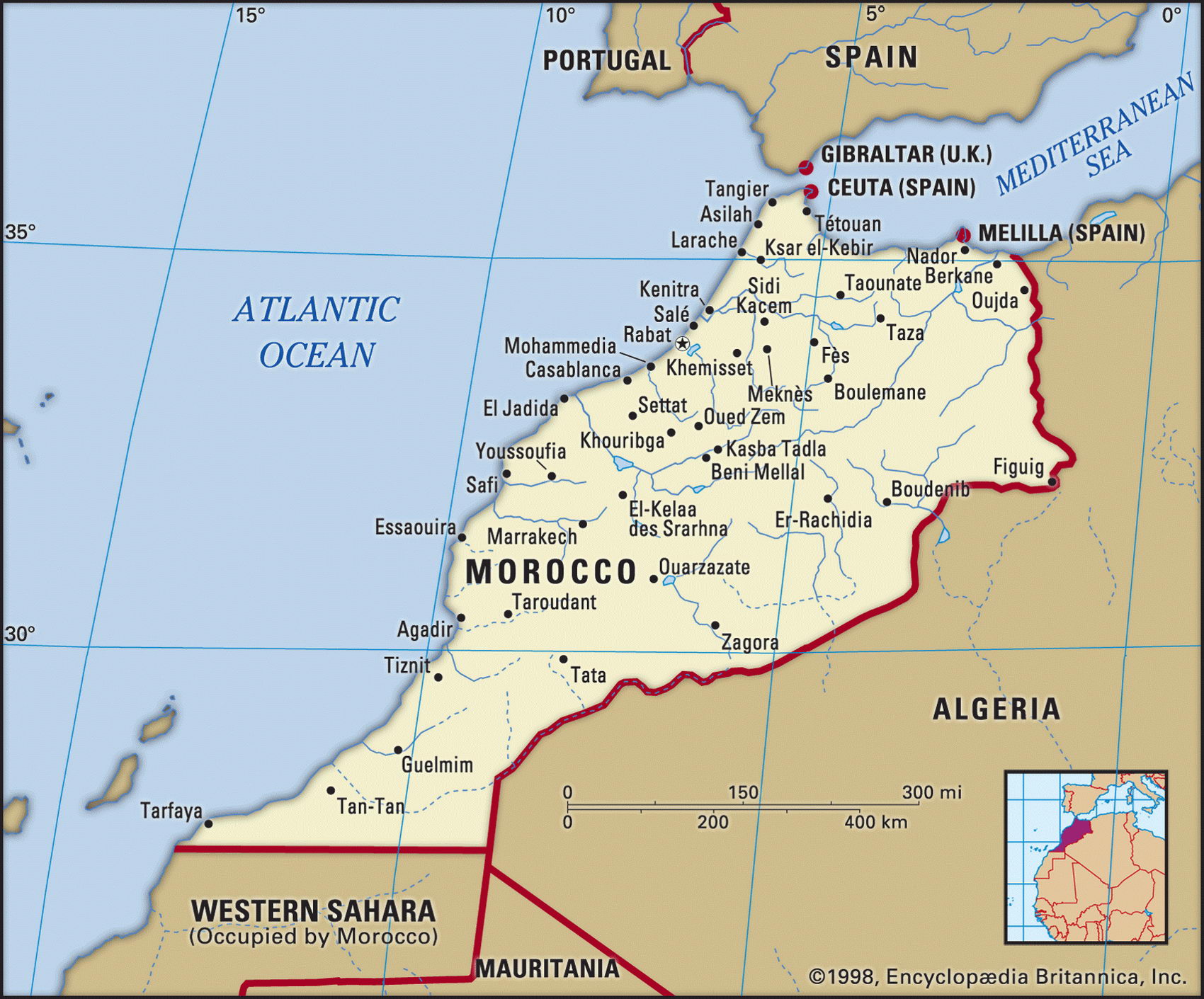
Morocco’s geographical coordinates place it between latitudes 27° and 36°N, and longitudes 1° and 17°W. This positioning gives it a unique climatic profile, with Mediterranean influences in the north and arid desert conditions in the southeast.
One of Morocco’s most defining features is its extensive coastline. To the west, it is bordered by the vast Atlantic Ocean, providing it with hundreds of miles of beaches and major port cities. To the north, it faces the Mediterranean Sea, a historic hub of trade and culture.
On land, Morocco shares its borders with a few key neighbors. To the east and southeast lies Algeria. The border between these two nations has been a point of political tension and is largely closed. To the south, Morocco’s border is with the disputed territory of Western Sahara, which it largely administers.
The Gateway Between Continents: The Strait of Gibraltar
Perhaps the most strategically significant aspect of Morocco’s location is its proximity to Europe. The country is separated from Spain by a narrow body of water known as the Strait of Gibraltar. This strait connects the Atlantic Ocean to the Mediterranean Sea and represents one of the world’s busiest shipping lanes.
At its narrowest point, the distance between Morocco and Spain is a mere 14.3 kilometers (8.9 miles). This close proximity has fostered centuries of cultural, economic, and political exchange—as well as conflict—between the two continents. On a clear day, it’s possible to see the coastline of the opposing continent.
This geographical feature makes Morocco a true intercontinental crossroads. It is African by geography, but its history and culture are deeply intertwined with its European neighbors, particularly Spain and France.
A point of frequent confusion for map-gazers are the Spanish exclaves of Ceuta and Melilla. These are two autonomous cities located on the northern coast of Africa that are politically part of Spain. They represent a physical European Union border on the African mainland, bordering Morocco directly.
Beyond the Map: Morocco’s Diverse Geographical Landscape
Understanding Morocco’s location is incomplete without appreciating its incredibly varied internal geography. The country is far from a monolithic landscape, offering everything from snow-capped peaks to arid deserts.
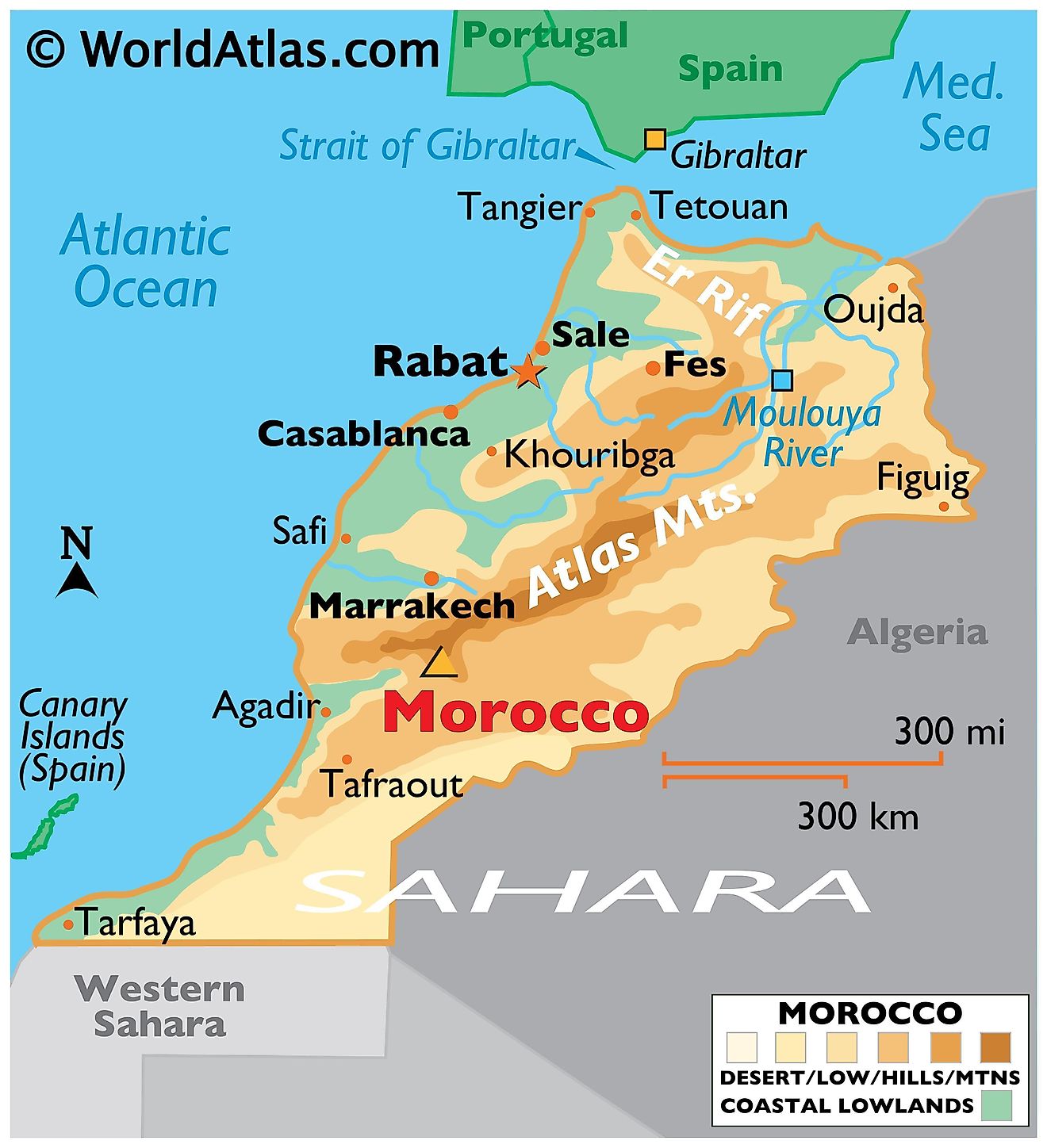
The Majestic Atlas Mountains
- The Middle Atlas: Located in the north, known for its cedar forests.
- The High Atlas: In the center, home to Jebel Toubkal, the highest peak in North Africa at 4,167 meters (13,671 feet).
- The Anti-Atlas: The southernmost range, transitioning towards the desert landscape.
These mountains are not just a geographical feature; they are a climatic barrier. They protect the coastal plains from the harshness of the Sahara Desert, creating a more temperate climate in the north and west where most of the population lives.
Fertile Coastal Plains and Imperial Cities
Along the Atlantic coast lie fertile plains that are the agricultural heartland of Morocco. This region is home to most of the country’s major cities, including the economic hub of Casablanca, the capital city of Rabat, and the ancient imperial cities of Fes and Meknes.
The Edge of the Sahara Desert
To the southeast of the Atlas Mountains, the landscape transforms dramatically. Here, Morocco stretches into the northwestern edge of the vast Sahara Desert. This region is characterized by its stunning ergs (seas of sand dunes), rocky deserts (hamada), and lush oases. Towns like Merzouga and Zagora are famous gateways for desert treks and experiencing the unique Berber culture of the region.
Frequently Asked Questions About Morocco’s Location
To further clarify Morocco’s place in the world, let’s address some common questions that often arise.
Is Morocco in Africa or Europe?
This is a frequent point of confusion due to its proximity to Spain. To be perfectly clear: Morocco is unequivocally located on the African continent. While it has deep historical and cultural ties to Europe, its landmass is entirely within Africa.
Is Morocco Considered a Middle Eastern Country?
Geographically, Morocco is in North Africa, not the Middle East. However, the term ‘Middle East’ is often used interchangeably with broader political and cultural definitions. Morocco is a key member of the Arab League and part of the wider MENA (Middle East and North Africa) region. This is due to shared linguistic (Arabic), religious (Islam), and cultural heritage with countries in the Middle East.
What Countries are Near Morocco?
Morocco’s immediate land neighbors are Algeria to the east and Mauritania to the south (across the Western Sahara). Its closest European neighbor is Spain, located just across the Strait of Gibraltar. Portugal is also a close maritime neighbor.
Navigating the Political Map: The Western Sahara Issue
When looking at a world map, you may notice the territory south of Morocco labeled as ‘Western Sahara’. This is a disputed territory and a former Spanish colony. Morocco has administered about 80% of the region since 1975. However, its sovereignty over the territory is not universally recognized, and it remains a subject of a long-standing dispute. Different maps may depict the border in different ways, reflecting the ongoing political situation.
Conclusion: Morocco’s Unique Place in the World
Its location has blessed it with an astonishing diversity of landscapes—from the rugged Atlas Mountains and the fertile coastal plains to the sweeping dunes of the Sahara. This geographical position is the foundation of its rich history, vibrant culture, and unique identity as a captivating blend of African, Arab, Berber, and European influences. Understanding its place on the map is the first step to appreciating the depth and complexity of this remarkable country.