The Continental Context: Southern Europe and the Balkans
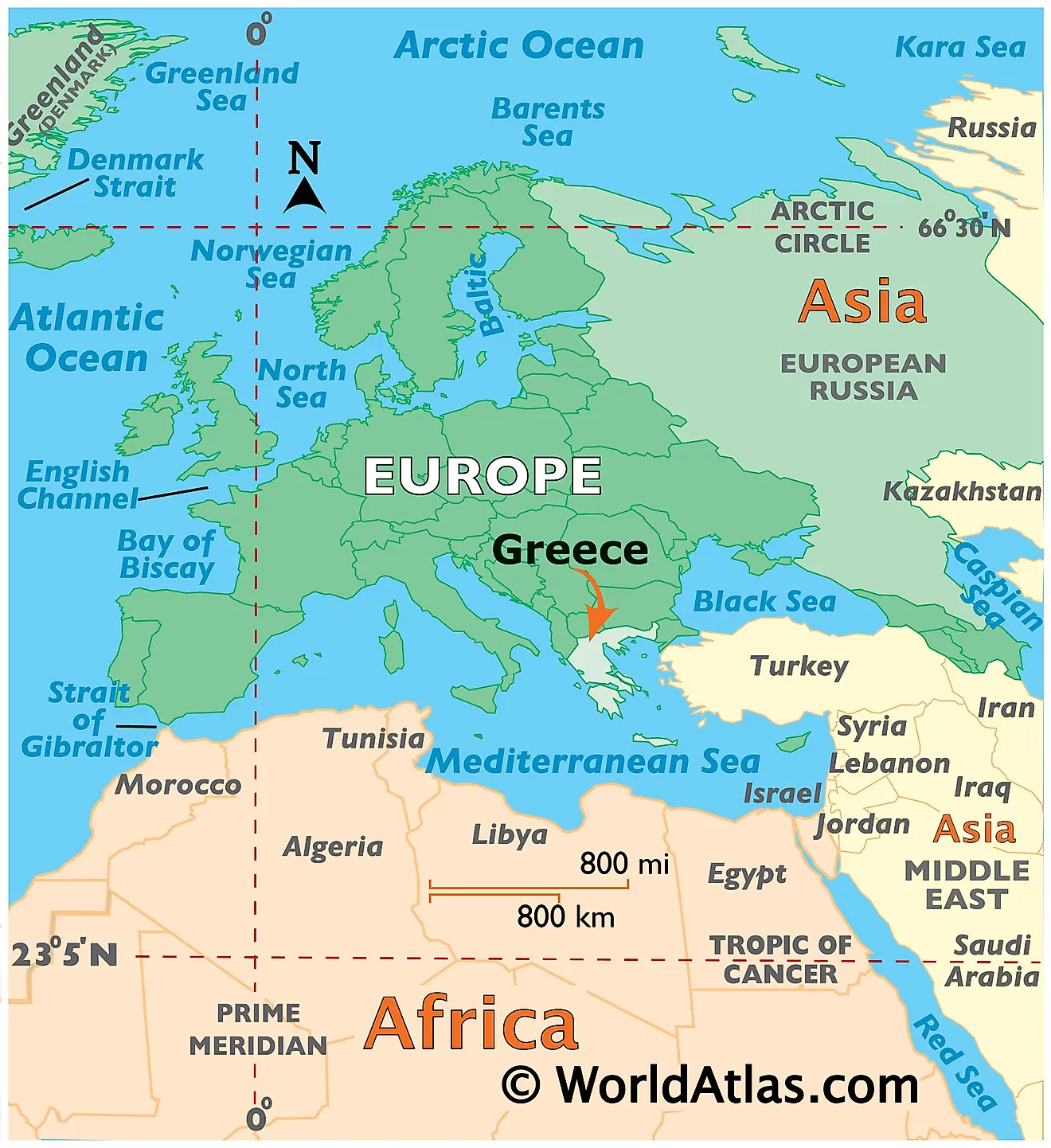
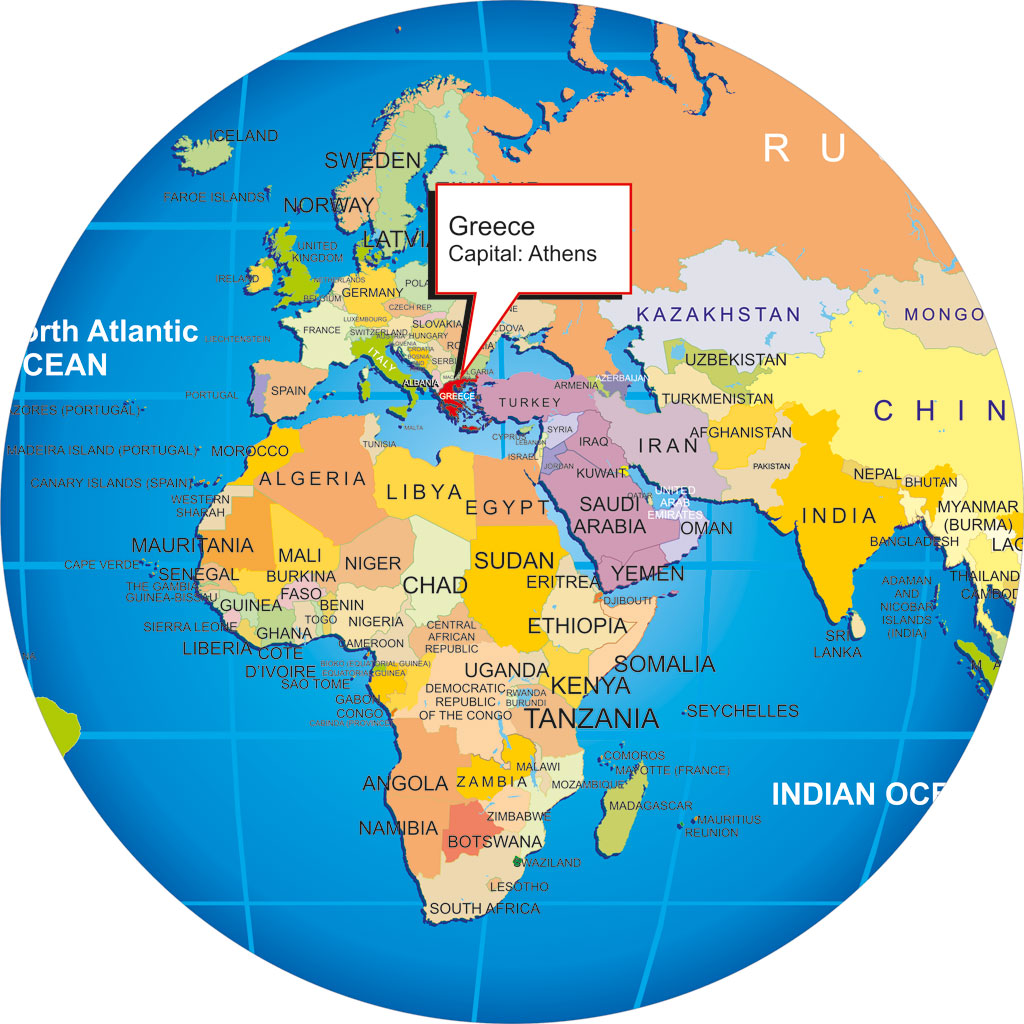
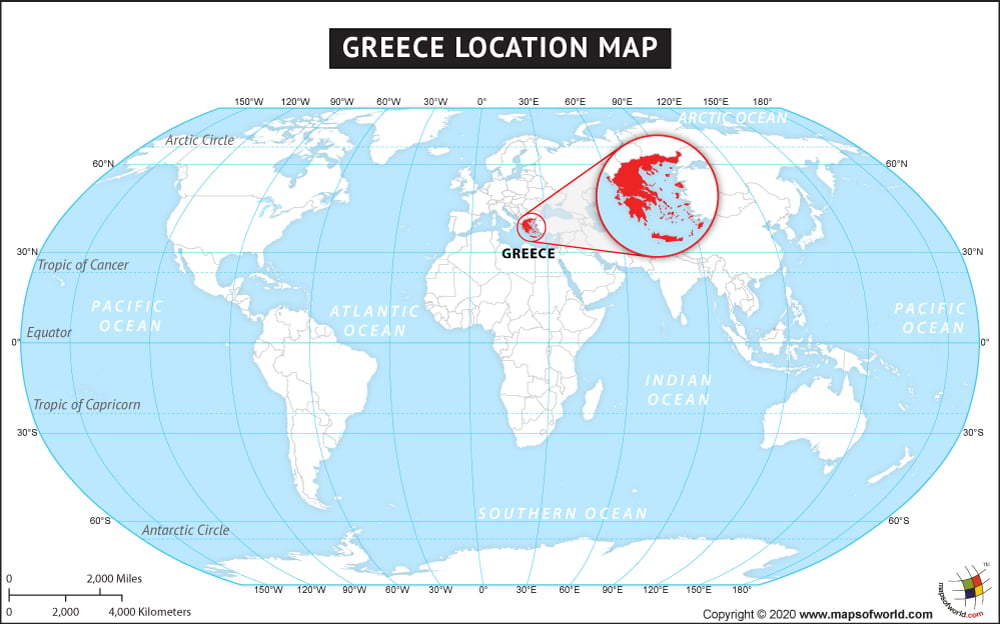
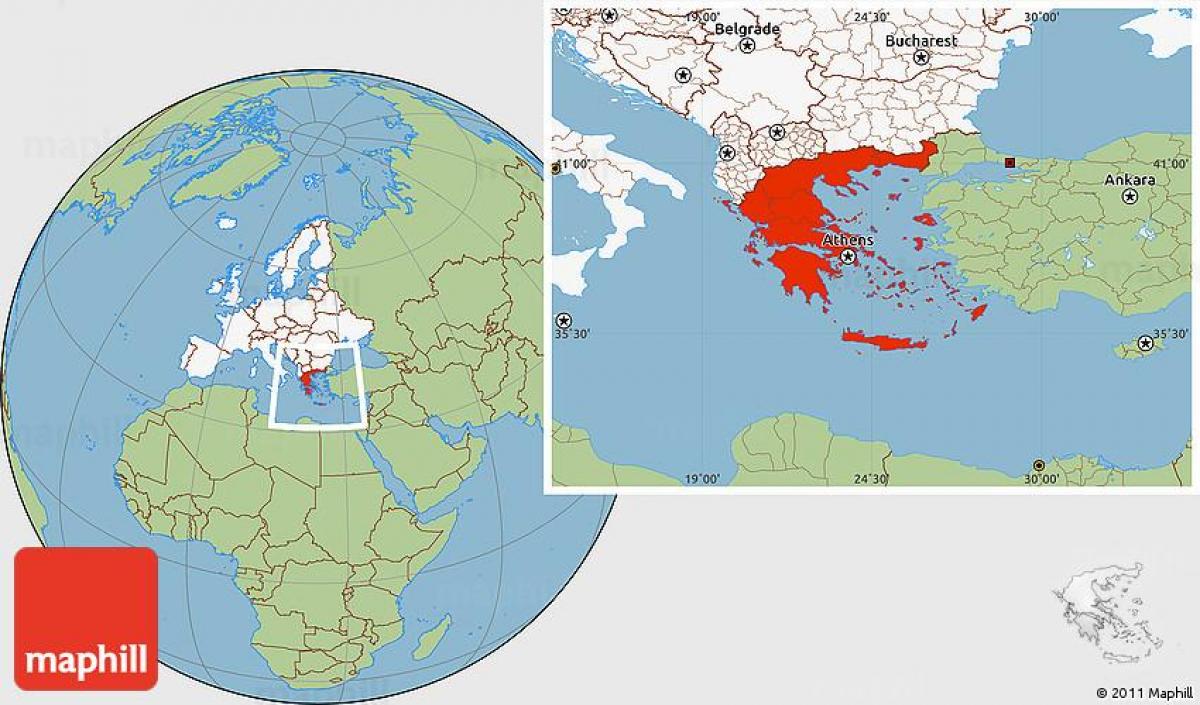
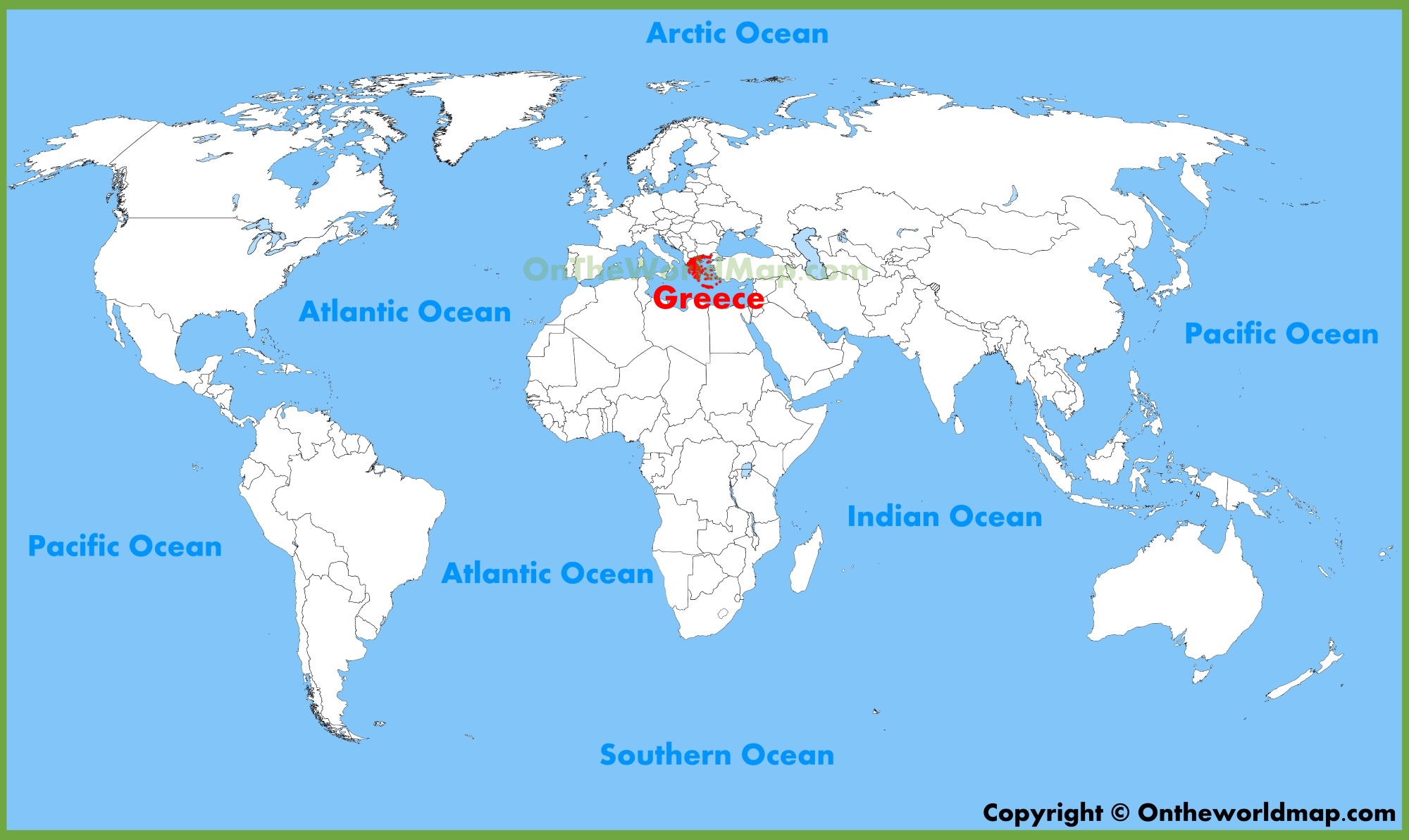
To locate Greece on a world map, look toward the Northern Hemisphere and the Eastern Hemisphere. It is an integral part of the European continent. Specifically, it occupies the southernmost part of the Balkan Peninsula, a region that also includes countries like Bulgaria, Serbia, and Albania.
Greece’s landmass is distinct because it is not a solid block of land; rather, it is a peninsular country possessing an extensive coastline and thousands of islands. Its location places it at the crossroads of major sea routes, making it a pivotal nation in the Mediterranean basin.
Geographic Coordinates
For those looking for precise navigation, Greece is situated between the latitudes of 34° and 42° N, and longitudes 19° and 30° E. These coordinates place it in a temperate zone, contributing to the famous Mediterranean climate that attracts millions of tourists annually.
Neighboring Countries and Land Borders
Although Greece is famous for its sea borders, it shares significant land borders to the north and east. Identifying these neighbors is helpful when visualizing Greece on a political map of Europe.
- To the Northwest: Greece borders Albania.
- To the North: It shares a border with North Macedonia and Bulgaria.
- To the Northeast: It borders Turkey (Türkiye).
The border with Turkey is unique as it exists both on land (in the Thrace region) and at sea, where Greek islands and the Turkish mainland are often visible to one another.
Surrounded by Water: The Seas of Greece
The Aegean Sea: Lying to the east of the mainland, between Greece and Turkey, the Aegean Sea is home to the vast majority of the Greek islands, including the Cyclades and the Dodecanese.
The Ionian Sea: Located to the west of the mainland, separating Greece from Italy. This body of water hosts the Ionian islands, such as Corfu and Zakynthos, which are known for their lush greenery and cooler waters.
The Mediterranean Sea: To the south lies the open Mediterranean, specifically the Libyan Sea, which separates the island of Crete from the African continent. This southern boundary marks the edge of Europe.
The Anatomy of Greece: Mainland vs. Islands
Greece is geographically divided into two main categories: the mainland and the islands. Understanding this distinction is crucial for reading a map of the region effectively.
The Mainland
The mainland of Greece forms the southern end of the Balkan Peninsula. It is a mountainous region, with the Pindus mountain range forming the "spine" of the country. The mainland includes regions such as Thrace and Macedonia in the north, Epirus in the west, Thessaly in the center, and Attica (where Athens is located) in the southeast.
Attached to the mainland is the Peloponnese, a large peninsula in the south that looks like a hand with four fingers. It is technically separated from the mainland by the Corinth Canal but is generally considered part of the continental landmass.
The Islands
Greece includes approximately 6,000 islands and islets, of which only about 227 are inhabited. These islands are scattered across the Aegean and Ionian Seas and are grouped into several clusters on the map.
The Cyclades: Located in the central Aegean, this group includes world-famous destinations like Santorini and Mykonos.
The Dodecanese: Situated in the southeastern Aegean near the Turkish coast, including Rhodes and Kos.
The Ionian Islands: Found off the west coast, including Corfu, Kefalonia, and Lefkada.
Crete: The largest island in Greece, located at the southern edge of the Aegean Sea. It is distinct enough to be considered a region of its own.
The Sporades: A group of lush islands off the east coast of the mainland, including Skiathos and Skopelos.
Athens, the capital and largest city, is located in the region of Attica. On a map, you will find it on the southeastern tip of the mainland, projecting into the Aegean Sea. It is roughly in the center of the country’s north-south axis, making it a central transport hub.
Strategic Geopolitical Importance
Today, its location makes it a vital member of the European Union (EU) and NATO, serving as the southeastern flank of Europe and a gateway for energy pipelines and maritime commerce coming from the Suez Canal and the Black Sea.
Climate Relative to Location
Greece’s location in the southern Mediterranean ensures a climate characterized by mild, wet winters and hot, dry summers. However, because the country is mountainous and extends north into the Balkans, the climate varies significantly.
The northern mainland can experience cold winters with snow, while the southern islands like Crete maintain a warmer, more subtropical climate year-round. This geographic diversity allows for ski resorts in the north and beach tourism in the south.
People Also Ask (FAQ)
Is Greece in Italy?
No, Greece is not in Italy. They are separate sovereign nations. However, they are close neighbors separated by the Ionian Sea. In some places, the distance between the heel of Italy and the coast of Greece is less than 100 miles.
Is Greece part of the Middle East?
No, Greece is not part of the Middle East. It is a Southern European country. However, due to its eastern borders touching Turkey and its proximity to the Levant, it shares some culinary and cultural history with the region.
How do I find Greece on a globe?
To find Greece on a globe, locate the Mediterranean Sea. Look for the "boot" of Italy. Greece is the fragmented, peninsular landmass immediately to the right (east) of Italy and to the west of Turkey.
Conclusion
In summary, Greece is located in Southeast Europe, occupying the southern tip of the Balkan Peninsula. It is bordered by Albania, North Macedonia, Bulgaria, and Turkey, and is surrounded by the Aegean, Ionian, and Mediterranean Seas.
Its unique geography, comprising a mountainous mainland and thousands of islands, makes it distinct on any world map. Whether you are analyzing its strategic geopolitical position or looking for the perfect island getaway, knowing exactly where Greece is located provides a deeper appreciation of this historic nation.