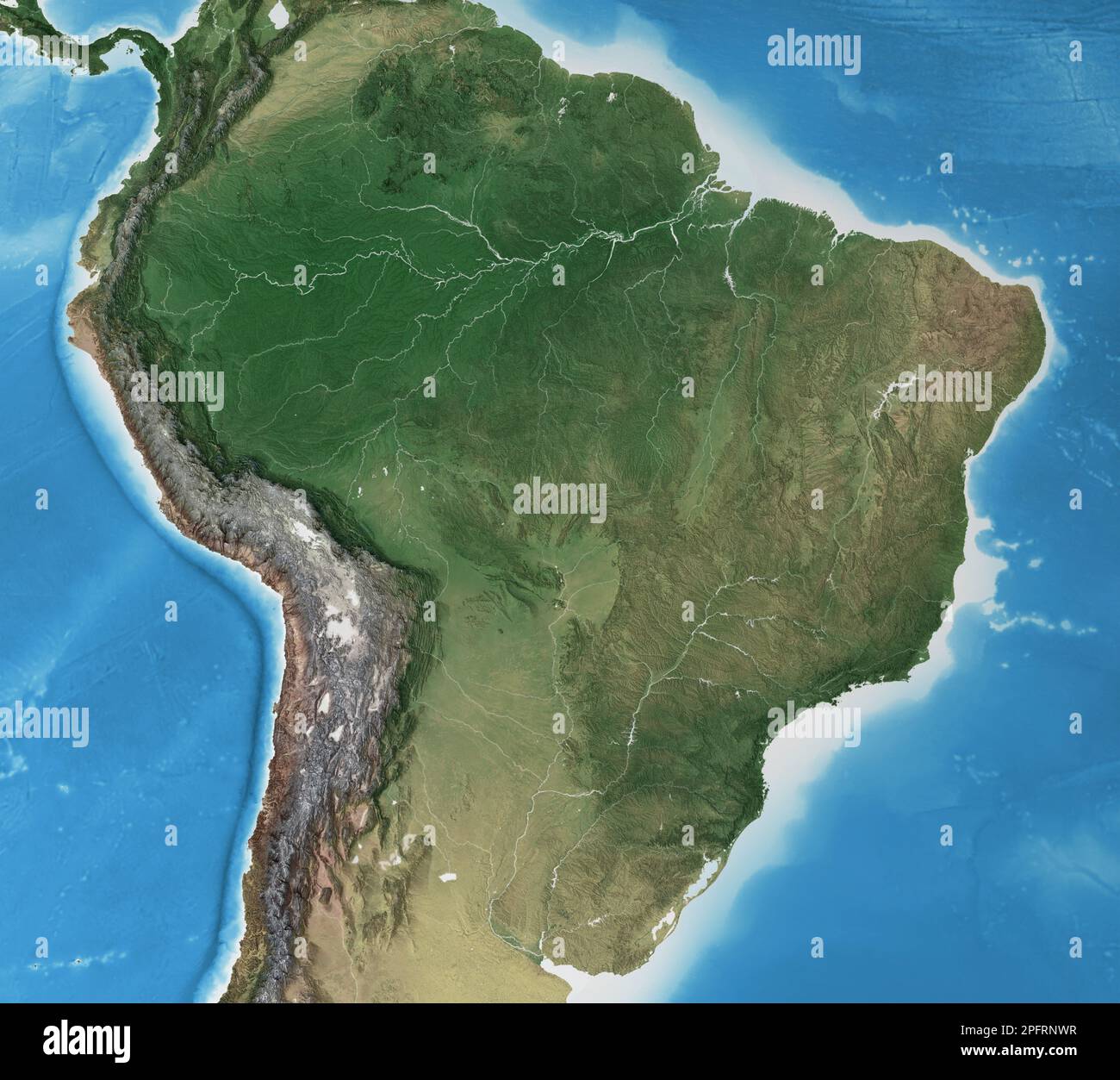
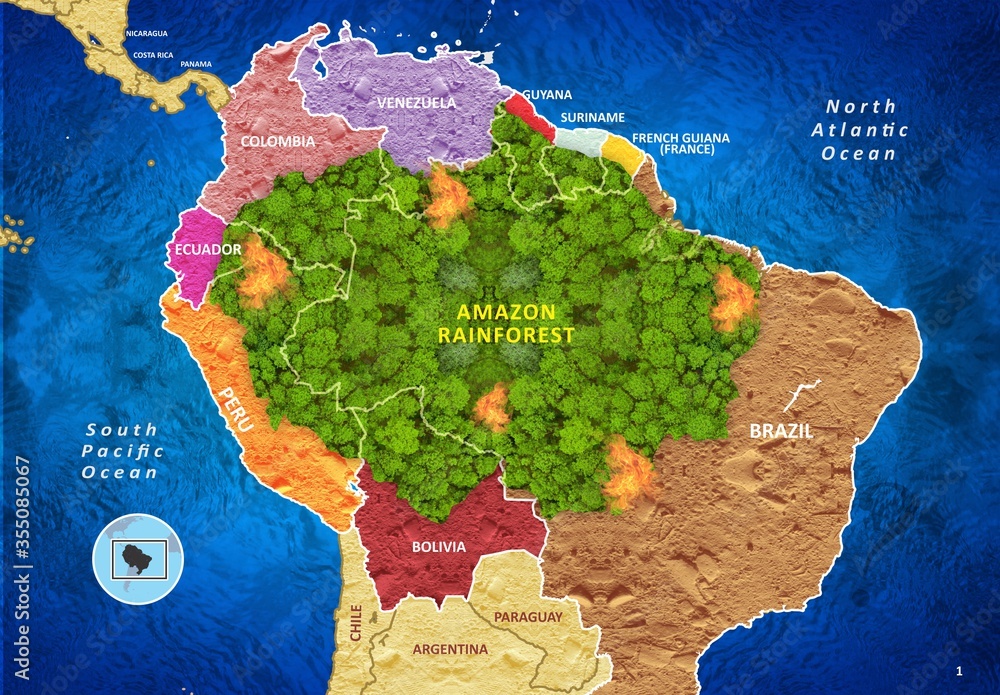
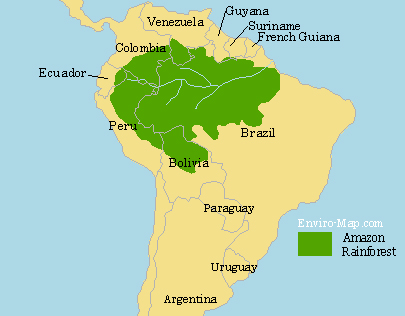
Understanding the Amazon rainforest through a ‘map’ is not just about geographical boundaries; it’s about comprehending its immense scale, its intricate river systems, its varied ecological zones, and the pressing challenges it faces. This guide aims to provide a comprehensive overview, acting as a virtual map to this extraordinary natural wonder.
The Amazon basin covers an astounding area of approximately 7 million square kilometers (2.7 million square miles). To put this into perspective, it is larger than the entire European Union. This vastness is its defining characteristic, influencing everything from global weather patterns to local indigenous cultures.
When visualizing a map of the Amazon, it’s crucial to recognize that it’s not a homogenous entity. Instead, it comprises diverse regions, each with unique characteristics. These can be broadly categorized, though the boundaries are often fluid and interconnected.
The Andean foothills mark the western edge of the Amazon basin. Here, the elevation begins to rise, and the forests transition from lowland tropical rainforest to montane cloud forests. This region is a biodiversity hotspot, influenced by the unique microclimates created by the proximity to the Andes Mountains.
Central Amazonia is the most extensive part of the rainforest, characterized by vast expanses of lowland tropical rainforest. This is where the majority of the iconic Amazonian wildlife resides, and it’s crisscrossed by countless rivers and streams. This region is often what comes to mind when one thinks of the ‘typical’ Amazon rainforest.
The Guiana Shield region, in the northeastern Amazon, features older geological formations and distinct ecosystems. It includes areas of savannas, highlands, and dense rainforest, often characterized by unique plant and animal species adapted to these specific conditions.
In the south and southeast, the Amazon transitions into drier forest types and savannas, particularly as it approaches the Cerrado biome of Brazil. While still part of the broader Amazonian influence, these areas exhibit different vegetation and faunal communities compared to the wetter, central regions.
The Amazon River Delta, where the river empties into the Atlantic Ocean, is a unique estuarine environment. This is a highly productive area, supporting distinct marine and estuarine life, alongside coastal mangrove forests and islands.
- Brazil (holding the largest portion, about 60%)
- Peru (about 13%)
- Colombia (about 10%)
- Venezuela
- Ecuador
- Bolivia
- Guyana
- Suriname
- French Guiana
Each country manages its portion of the Amazon differently, leading to variations in conservation efforts, development pressures, and the protection of indigenous territories. This political overlay is an essential part of any comprehensive map of the rainforest.
The biodiversity of the Amazon is staggering. A ‘map’ of its species distribution would reveal incredible concentrations in specific areas, often referred to as biodiversity hotspots. These are regions where the variety of life is exceptionally high, often due to factors like varied topography, stable climates, and abundant water resources.
For instance, areas near the confluence of major rivers or the slopes of the Andes often exhibit higher species richness. The sheer number of known species is immense, and scientists believe countless more remain undiscovered, particularly insects, amphibians, and microorganisms.
The Amazon River itself is a crucial habitat. Its waters are home to over 3,000 species of fish, including iconic creatures like the piranha and the arapaima (one of the world’s largest freshwater fish). The river’s floodplains, known as várzea, are seasonally inundated, creating unique ecosystems that support specialized plant and animal life.
Beyond the river, the diverse forest types within the Amazon basin create a mosaic of habitats. These include:
- Terra firme forests: These are upland forests that do not flood, forming the most extensive type of Amazonian forest.
- Igapó forests: These are permanently flooded forests, often found along blackwater rivers, characterized by specialized, water-tolerant vegetation.
- Várzea forests: As mentioned, these are seasonally flooded forests along whitewater rivers, rich in nutrients.
These distinct forest types support different communities of mammals, birds, reptiles, amphibians, and insects, making the internal ‘map’ of the Amazon incredibly complex and varied.
Indigenous peoples have inhabited the Amazon for millennia. Their traditional territories often cover vast areas and are intrinsically linked to the health of the rainforest. Understanding the human geography, represented on a ‘map,’ is vital for appreciating the cultural diversity and the traditional ecological knowledge that coexists with the natural environment.
Many indigenous communities possess deep understanding of the rainforest’s resources and sustainable management practices. Their lands are often among the best-preserved areas within the Amazon, highlighting the critical role of indigenous rights in conservation efforts.
Unfortunately, any realistic ‘map’ of the Amazon today must also include the threats it faces. Deforestation, driven by cattle ranching, agriculture (especially soy cultivation), logging, mining, and infrastructure development (roads and dams), is the most significant danger.
The rate of deforestation fluctuates but remains a critical concern. Large swathes of forest are cleared annually, leading to habitat loss, species extinction, soil erosion, and increased carbon emissions. Roads, in particular, act as vectors for further deforestation, opening up previously inaccessible areas to exploitation.
Climate change also poses a significant threat. Altered rainfall patterns, increased temperatures, and more frequent extreme weather events like droughts and floods can stress the ecosystem, making it more vulnerable to fires and disease. Some scientists warn of a potential tipping point, beyond which the rainforest could transition into a drier, savanna-like ecosystem.
Illegal activities, such as illegal logging, mining (especially gold mining, which often uses mercury), and wildlife trafficking, further degrade the environment and threaten biodiversity. These activities are often difficult to monitor and control across such a vast territory.
Conservation efforts are underway across the Amazon, involving governments, NGOs, local communities, and international organizations. Creating protected areas, promoting sustainable land-use practices, empowering indigenous communities, and enforcing environmental laws are key strategies.
Technological advancements, such as satellite monitoring, are providing invaluable tools for tracking deforestation and environmental changes across the Amazon. This data helps in understanding the scale of the problem and directing conservation resources more effectively.
The importance of the Amazon rainforest extends far beyond South America. It is often called the ‘lungs of the planet’ due to its role in absorbing vast amounts of carbon dioxide and producing oxygen through photosynthesis. Its influence on global climate patterns, through the ‘flying rivers’ of atmospheric moisture it generates, is profound.
Preserving the Amazon is not just an environmental issue; it’s a global imperative. It is essential for maintaining biodiversity, regulating the climate, and supporting the livelihoods and cultures of millions of people.
In conclusion, a ‘map of the rainforest,’ specifically the Amazon, reveals a landscape of immense scale, intricate ecological complexity, and profound global significance. It is a mosaic of diverse habitats, shaped by a mighty river system and home to unparalleled biodiversity. However, this vital ecosystem is under severe threat from deforestation, climate change, and unsustainable human activities. Understanding this complex map – its geography, its life, its people, and its challenges – is the first step towards effective conservation and ensuring the Amazon’s survival for future generations.