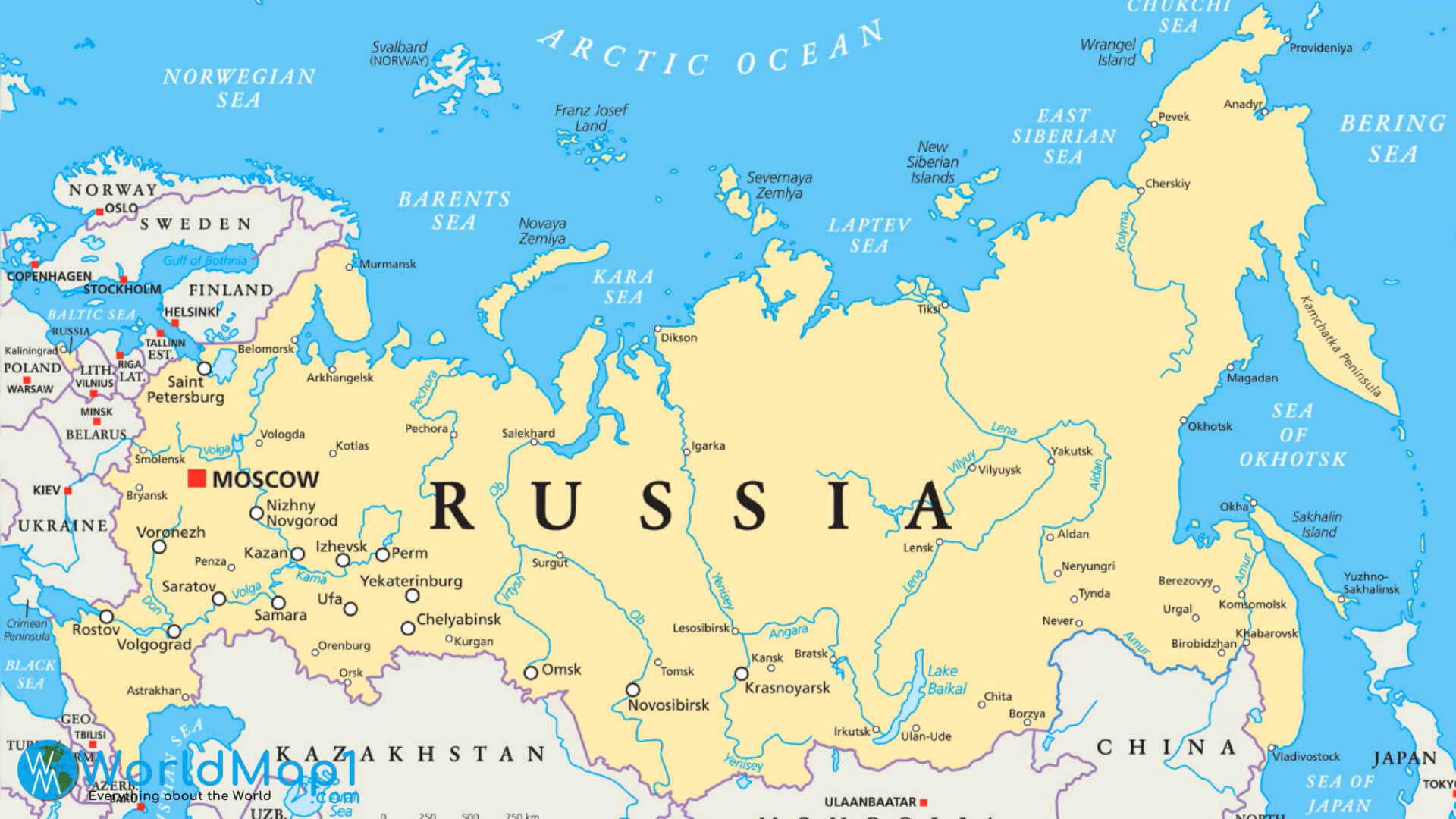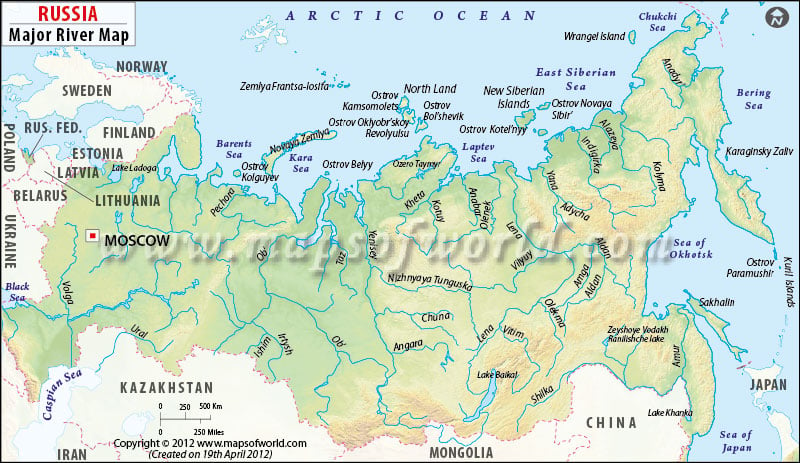
From the gentle flows of European Russia to the formidable, ice-bound torrents of Siberia and the Far East, these rivers are more than just geographical features; they are lifelines, trade routes, power sources, and vital ecosystems. This comprehensive guide will navigate the complexities of Russia’s river systems, offering insights into their characteristics, importance, and unique contributions.
The Geographic Tapestry of Russia’s Rivers
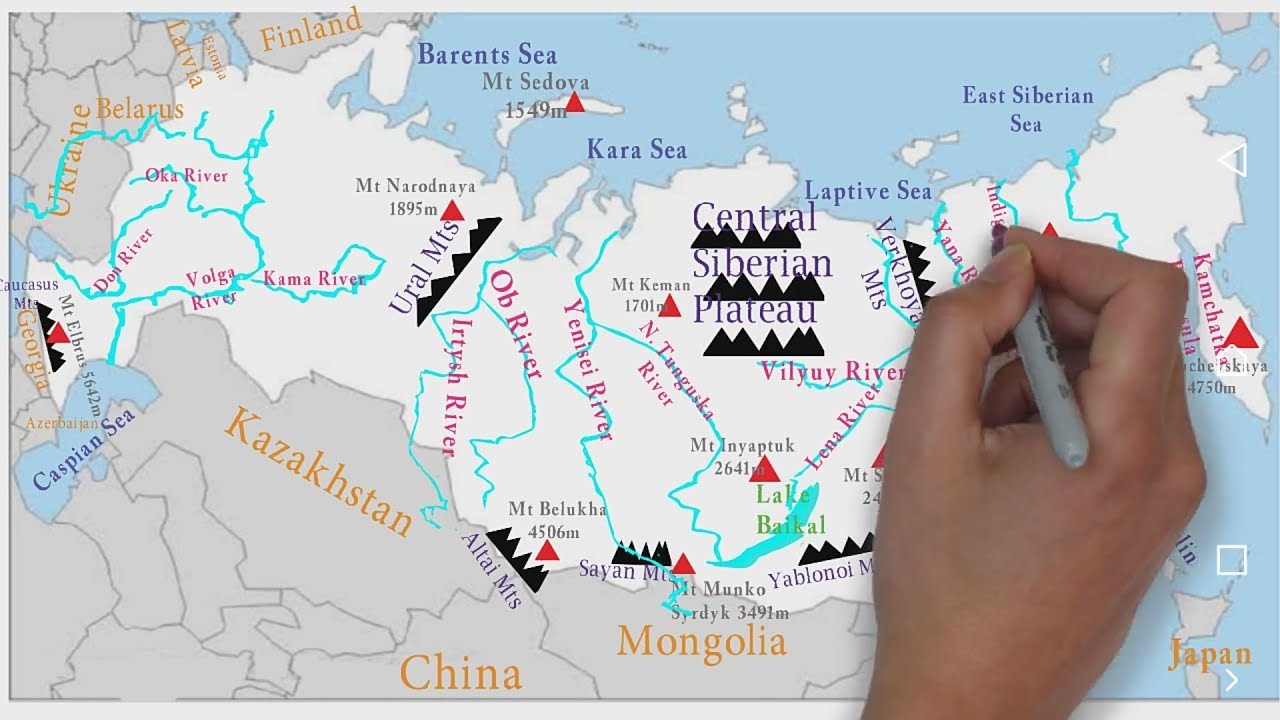
Russia’s rivers are incredibly diverse, influenced by its vast topography, ranging from the flat expanses of the East European Plain and the West Siberian Plain to the mountainous terrain of the Urals and Eastern Siberia. The country’s immense size means its rivers drain into several major basins: the Arctic Ocean, the Pacific Ocean, the Caspian Sea (an endorheic basin), and the Black Sea/Azov Sea.
The sheer number of rivers is staggering, with over 2.5 million rivers and streams. While many are small, countless major waterways stretch for thousands of kilometers, defining regional identities and supporting vast populations.
European Russia’s Arteries: The Western Waterways
The western part of Russia, often referred to as European Russia, is home to some of the country’s most historically and economically significant rivers. These waterways have facilitated trade, communication, and settlement for centuries.
The Volga River: Mother Volga
The Volga is undeniably the most famous and culturally important river in Russia, often affectionately called ‘Mother Volga.’ As Europe’s longest river, stretching approximately 3,530 kilometers (2,194 miles), it originates in the Valdai Hills and flows through Central Russia before emptying into the Caspian Sea. Its basin covers about one-third of European Russia, supporting a significant portion of the country’s population and industrial output.
The Volga is a vital transportation artery, connecting major cities like Moscow (via canals), Nizhny Novgorod, Kazan, Volgograd, and Astrakhan. It is extensively dammed for hydroelectric power and navigation, making it a critical component of Russia’s inland waterway system. The Volga-Don Canal connects it to the Don River and, subsequently, the Black Sea, providing a crucial link between the Caspian and the world’s oceans.
The Don River: Gateway to the Black Sea
Flowing for about 1,870 kilometers (1,162 miles) from the Valdai Hills southwards, the Don River empties into the Sea of Azov, a northern arm of the Black Sea. Historically, it was a crucial route for trade and military movements. Today, it remains important for navigation, especially through the aforementioned Volga-Don Canal, which allows vessels to travel between the Caspian and Black Seas.
Other European Rivers of Note
Other significant rivers in European Russia include the Neva, a short but historically vital river flowing through St. Petersburg into the Baltic Sea; the Kama, the longest left tributary of the Volga; and parts of the Dnieper River, which rises in Russia before flowing through Belarus and Ukraine to the Black Sea.
Siberia’s Grand Waterways: Untamed Giants of the East
East of the Ural Mountains lies Siberia, a vast expanse characterized by immense plains, plateaus, and some of the world’s most powerful and longest rivers. These Siberian giants typically flow northward into the Arctic Ocean, often remaining frozen for many months of the year.
The Ob River System: The Western Siberian Colossus
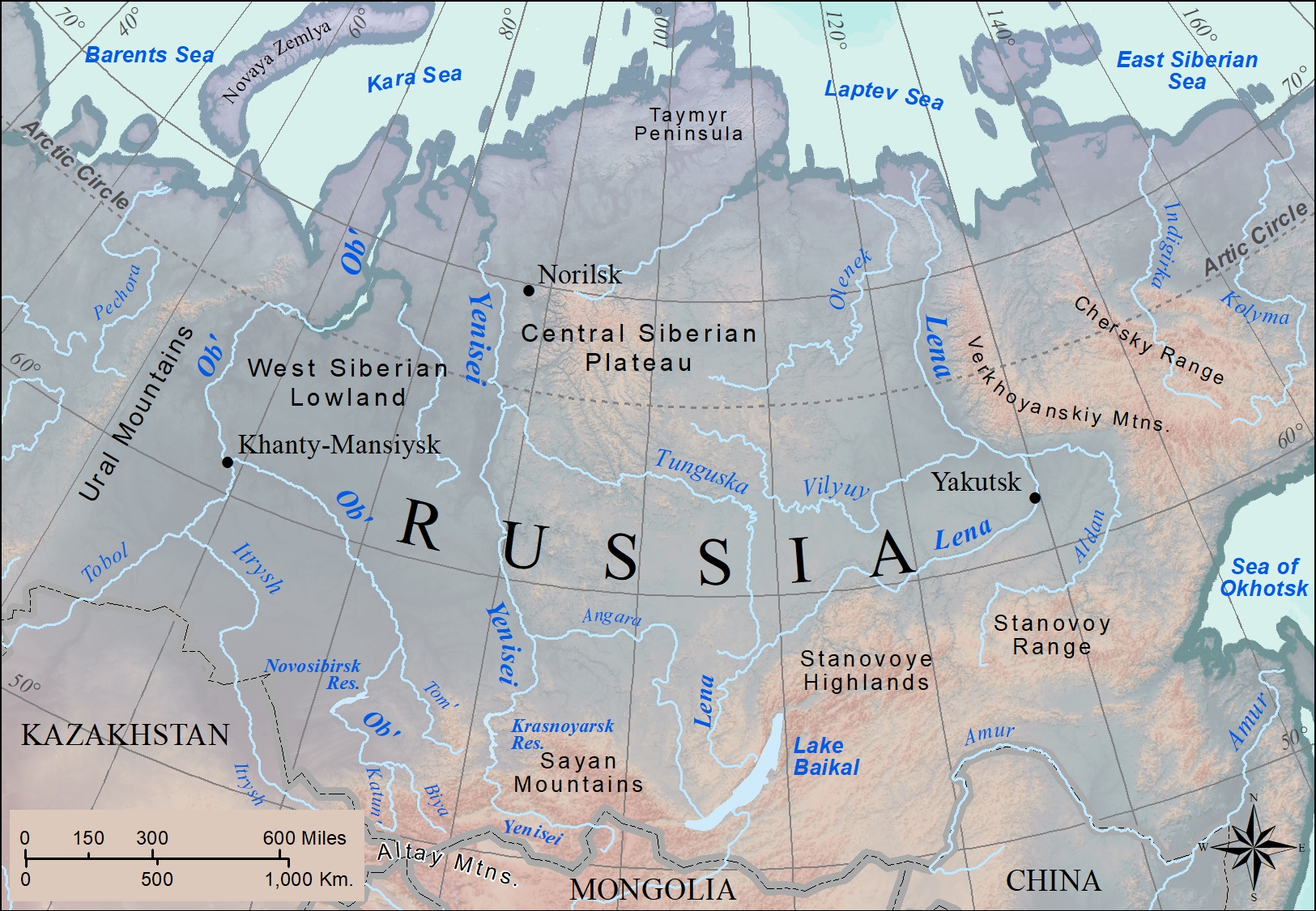
The Ob River, at approximately 3,650 kilometers (2,268 miles), is the westernmost of Siberia’s three great rivers. Its basin, particularly the West Siberian Plain, is rich in oil and natural gas. The Ob’s main tributary, the Irtysh River, is even longer than the Ob itself, making the Ob-Irtysh system one of the longest in the world. The Ob is crucial for shipping cargo, especially during the ice-free months, and for supporting local industries.
The Yenisei River: The Heart of Siberia
The Yenisei is perhaps the most powerful of Russia’s rivers, characterized by its deep waters and rapid flow. Stretching about 3,487 kilometers (2,167 miles) from Mongolia to the Kara Sea (Arctic Ocean), it drains a massive area of Central Siberia. Its basin is known for significant hydroelectric power generation, with large dams like the Sayano-Shushenskaya Dam. The Yenisei is also vital for transport, connecting various remote regions.
The Lena River: Pristine and Remote
Originating in the Baikal Mountains, the Lena River flows for approximately 4,400 kilometers (2,734 miles) across Eastern Siberia before emptying into the Arctic Ocean. It is largely untamed and flows through vast, sparsely populated taiga and tundra, making it one of the most pristine major rivers globally. Its delta is an immense wetland, a significant biodiversity hotspot. Due to permafrost, the Lena’s waters are known for their unique mineral composition.
The Amur River: Border Lifeline of the Far East
In Russia’s Far East, the Amur River (Heilong Jiang in Chinese) forms a significant portion of the border between Russia and China. At about 2,824 kilometers (1,755 miles), it flows eastward into the Pacific Ocean via the Strait of Tartary. The Amur basin is ecologically rich, supporting diverse fish species, including salmon, and is important for both countries’ trade and agriculture. It is also a critical waterway for navigation in the region.
Other Arctic-Bound Rivers
Further east, rivers like the Kolyma and Indigirka carve through the harsh landscapes of northeastern Siberia, flowing into the Arctic Ocean. These rivers are often frozen for up to nine months a year and traverse regions characterized by extreme cold and permafrost, making them challenging for navigation but vital for local communities and mining operations.
Key Characteristics and Importance of Russia’s River Systems
Russia’s rivers are not just geographical features; they are integral to the nation’s identity and functionality.
Drainage Basins and Hydrology
The distribution of Russia’s rivers across different drainage basins highlights unique hydrological characteristics. Rivers flowing north to the Arctic Ocean often have extensive floodplains and deltas, experiencing significant ice jams in spring. Rivers draining into the Pacific are influenced by monsoon climates, while the Volga’s flow into the landlocked Caspian Sea creates a unique ecological zone.
Economic Significance: Power, Transport, and Resources
- Hydroelectric Power: Many of Russia’s rivers, particularly the Yenisei and Angara, are harnessed for hydroelectric power, contributing significantly to the national energy grid.
- Navigation and Trade: Rivers serve as crucial inland waterways for transporting goods, especially timber, oil, and minerals, connecting remote regions to industrial centers.
- Agriculture and Fisheries: River floodplains provide fertile land for agriculture, and the rivers themselves support extensive fishing industries, including valuable species like sturgeon and salmon.
- Industrial Water Supply: Rivers are a primary source of fresh water for industrial processes and municipal consumption across the country.
Ecological and Environmental Importance
Russia’s river systems support a vast array of ecosystems, from boreal forests (taiga) to tundra. They are home to diverse flora and fauna, including unique fish species, migratory birds, and various mammals. The deltas and floodplains of rivers like the Lena and Volga are internationally recognized wetlands, crucial for biodiversity.
However, these vital ecosystems face challenges from pollution (industrial and agricultural runoff), dam construction altering natural flows, and the impacts of climate change, particularly thawing permafrost in Siberia, which can release greenhouse gases and alter river courses.
Historical and Cultural Role
Rivers have been the cradles of Russian civilization, dictating settlement patterns, trade routes, and military campaigns. Cities like Moscow, St. Petersburg, and Nizhny Novgorod grew along major waterways. The folklore, songs, and literature of Russia are replete with references to its rivers, reflecting their deep cultural significance.
Navigating the Challenges: Ice, Remote Regions, and Infrastructure
The sheer scale and northern latitude of many Russian rivers present unique challenges. Long periods of ice cover necessitate icebreakers for navigation during winter. Many Siberian rivers flow through vast, sparsely populated areas, requiring robust infrastructure for transport and resource extraction.
The development of canals, such as the Moscow Canal and the Volga-Baltic Waterway, has been instrumental in creating an integrated inland waterway system, linking major rivers and seas and facilitating economic activity across the country.
Conclusion: The Enduring Power of Russia’s Rivers
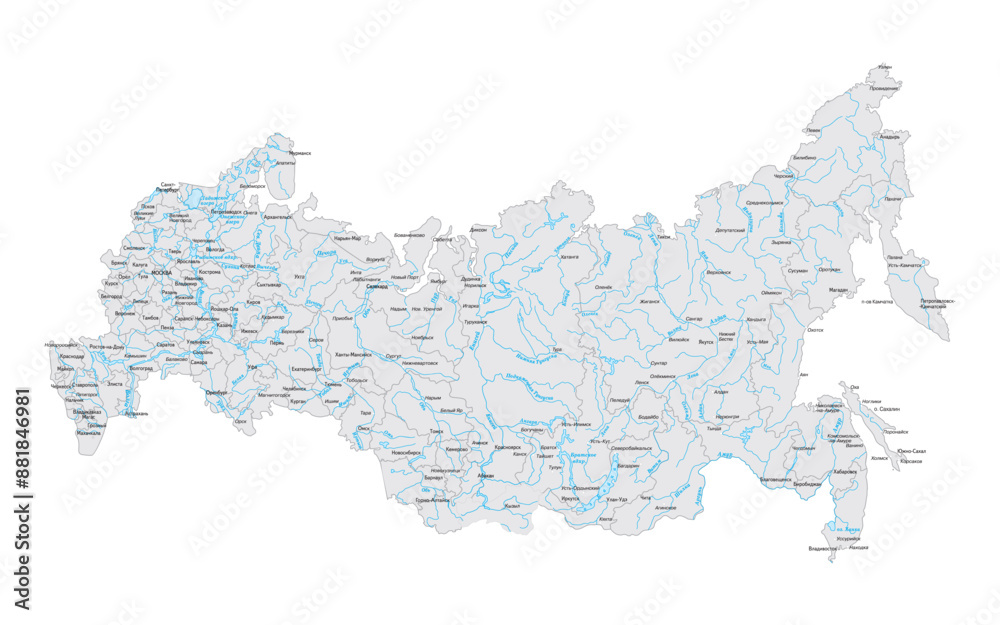
The map of Russia’s rivers reveals a nation profoundly shaped by its waterways. From the historically rich Volga to the untamed might of the Siberian giants like the Ob, Yenisei, and Lena, these rivers are more than just lines on a map. They are dynamic forces that have dictated settlement, fueled economic growth, and nurtured unique ecosystems.
Understanding the distribution and characteristics of these rivers provides invaluable insight into Russia’s geography, its economic potential, and the environmental challenges it faces. As Russia continues to develop, its rivers will undoubtedly remain central to its identity and future, serving as enduring symbols of its vastness and natural wealth.
Their continued health and sustainable management are paramount for both the nation and the global environment, ensuring that these aquatic arteries continue to flow, sustaining life and livelihoods for generations to come.