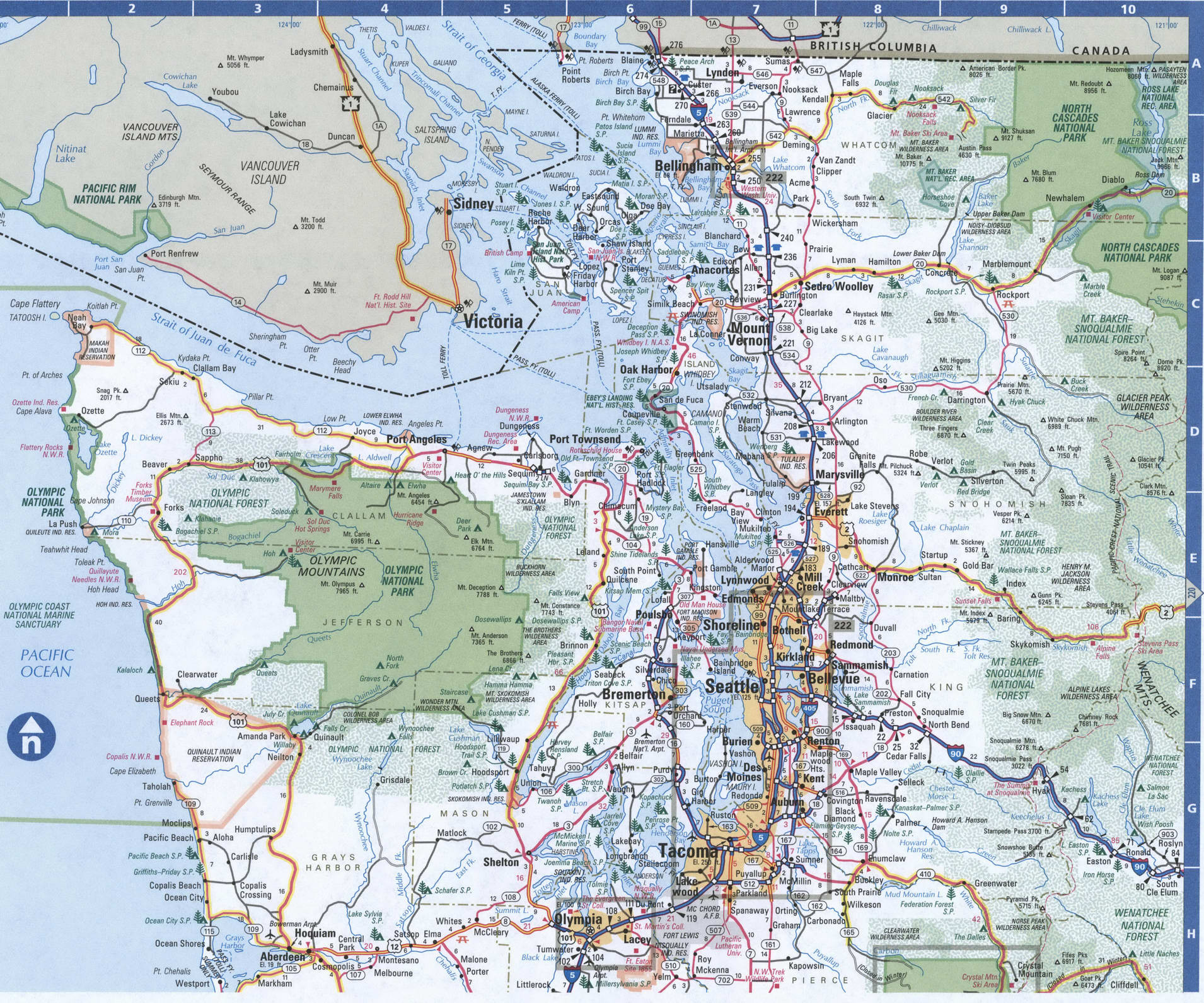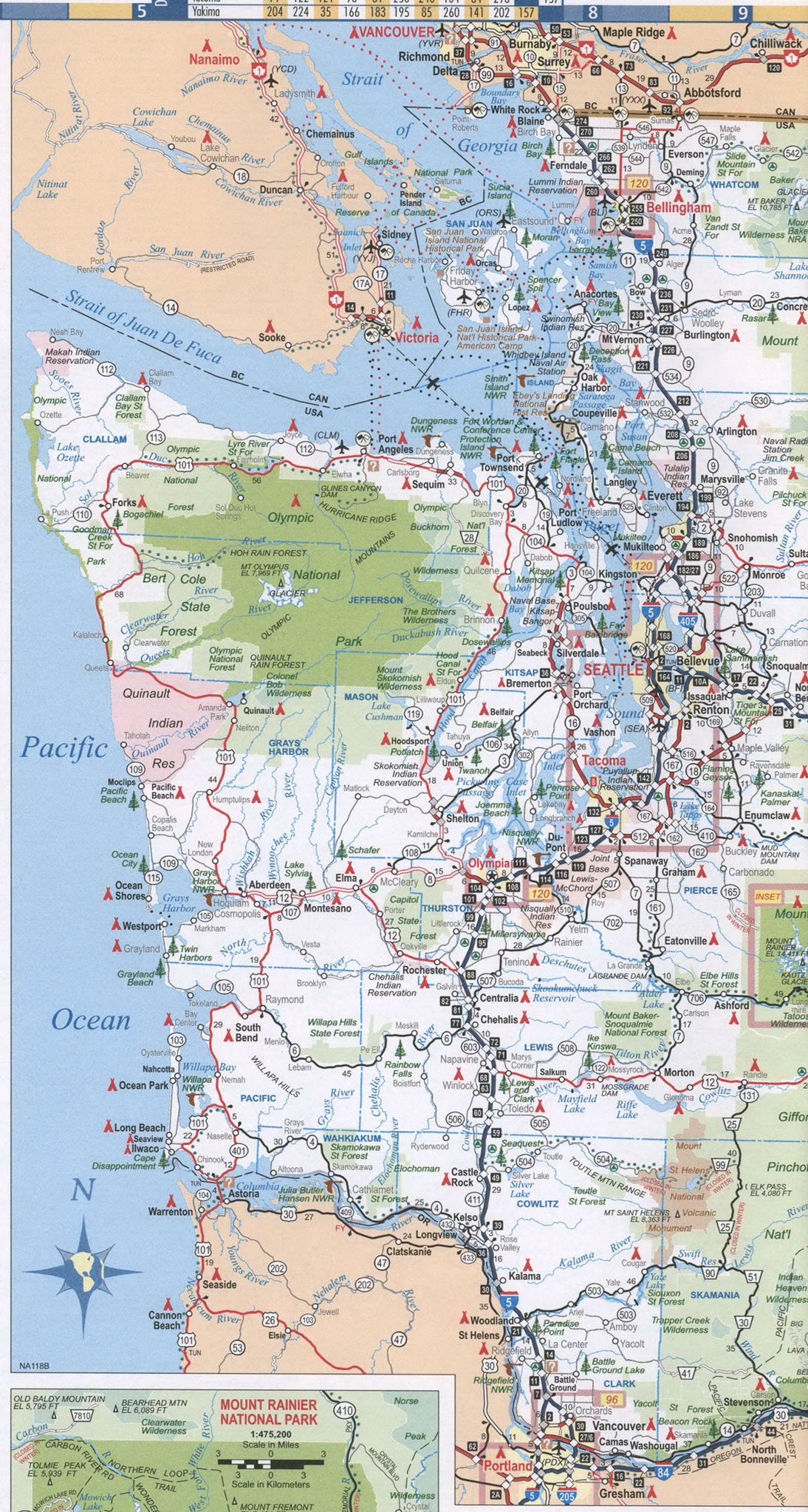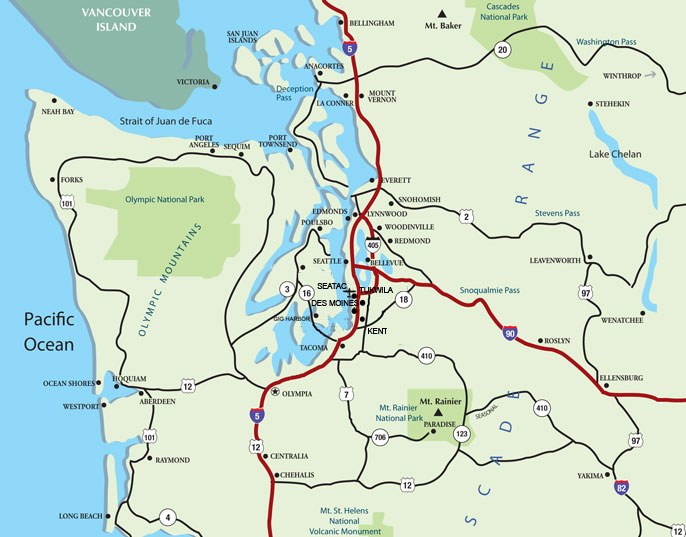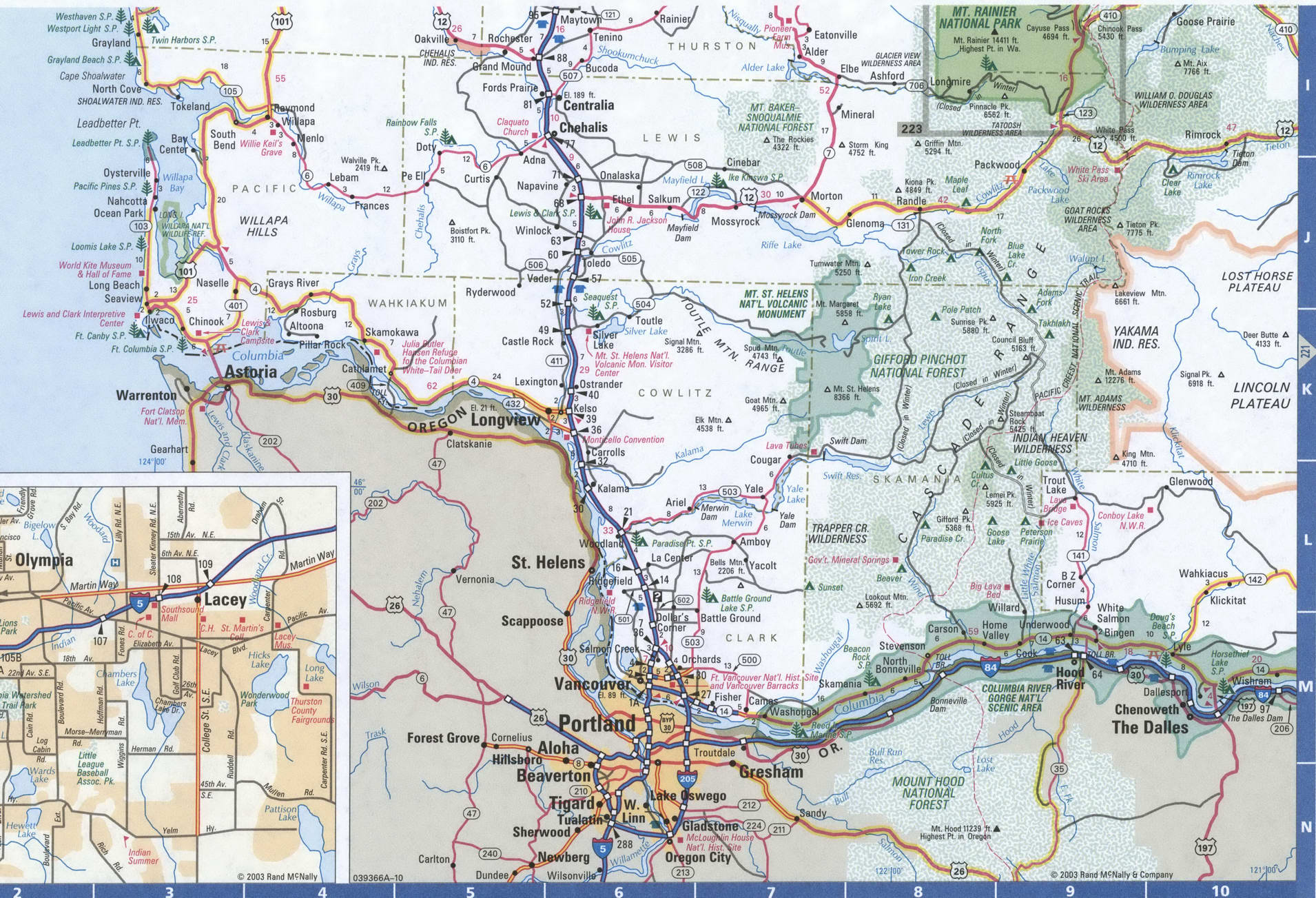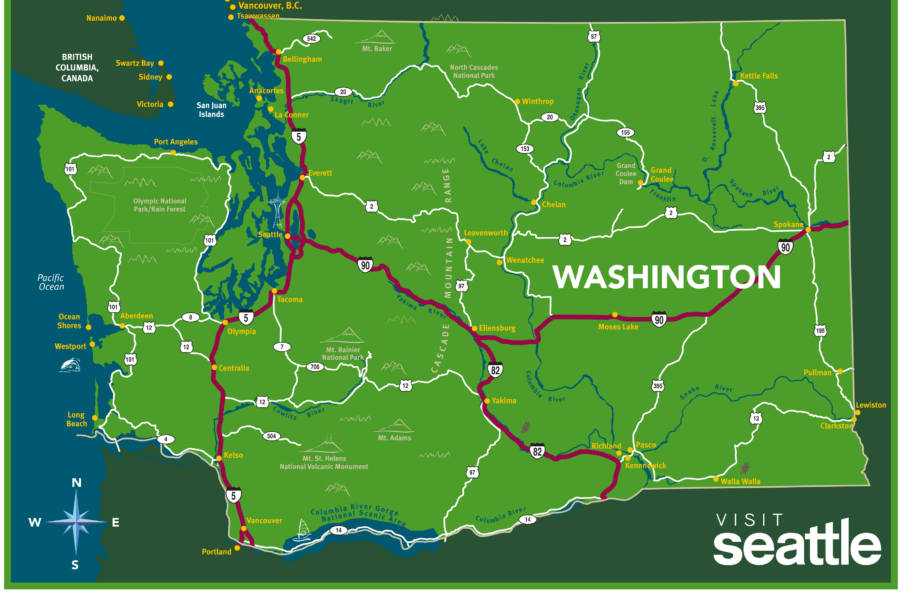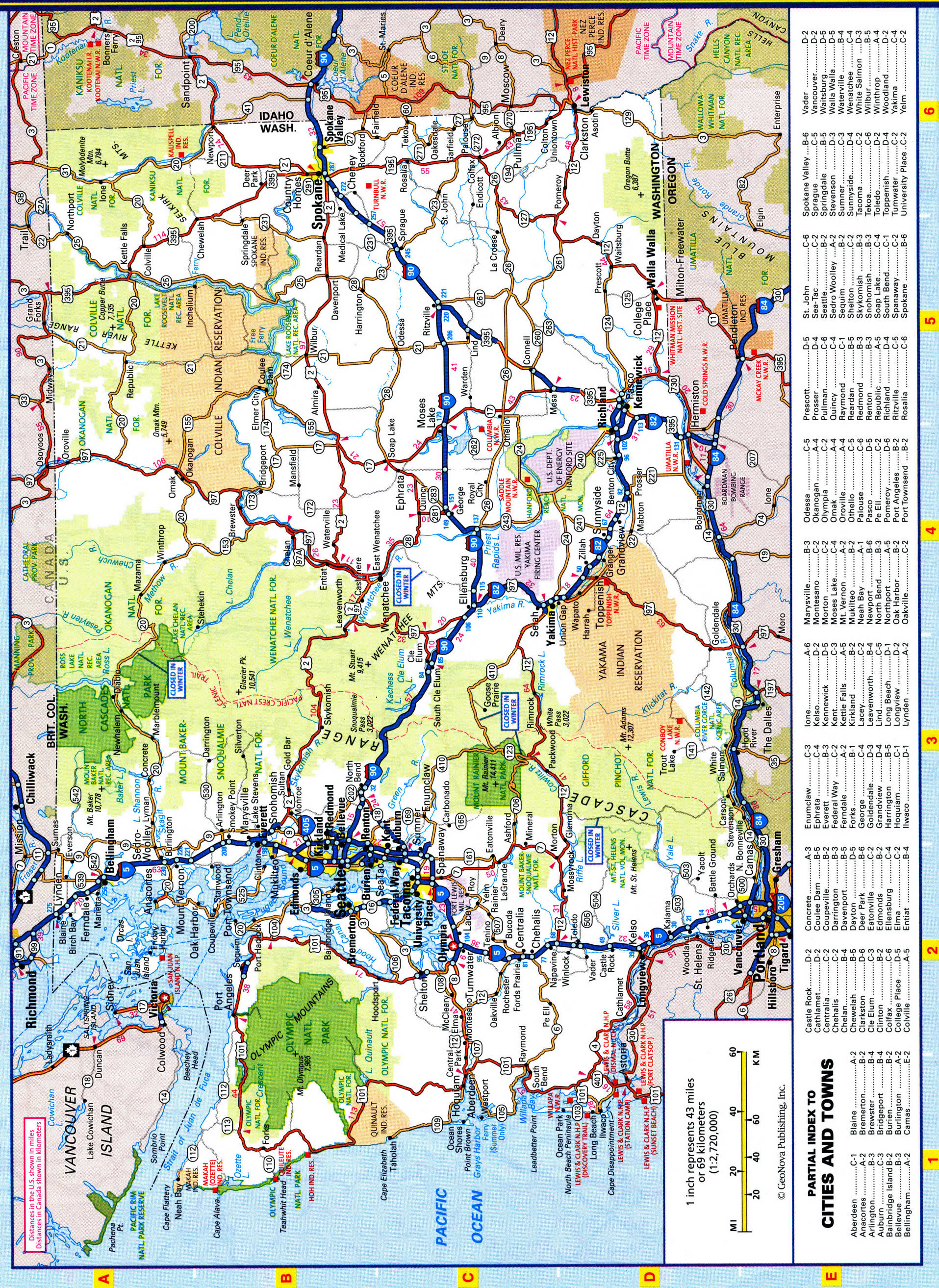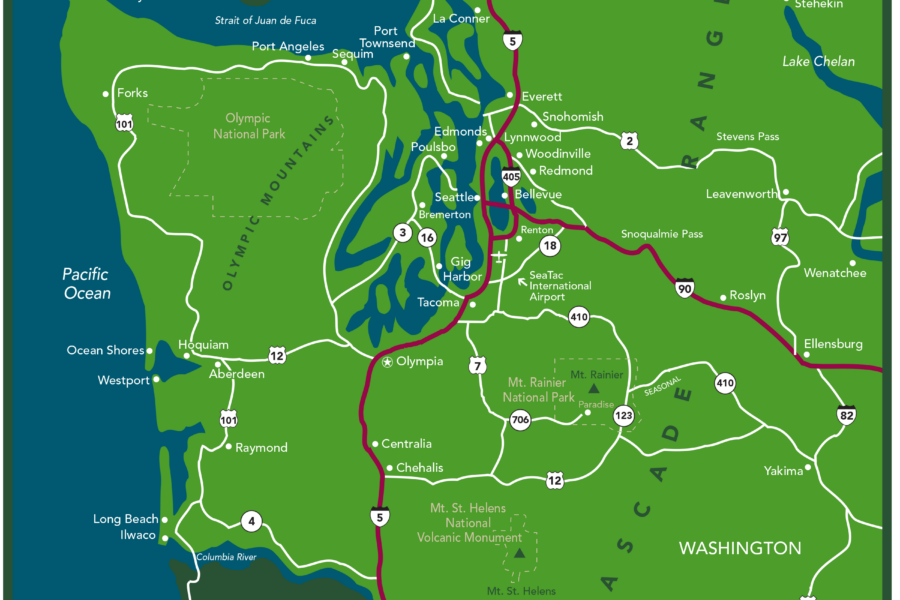
Whether you’re a prospective resident, a curious traveler, or a long-time local looking to deepen your understanding, this guide will dissect the region piece by piece. We’ll explore the geographical boundaries that define Western Washington, delve into the economic heart of the Puget Sound, and journey to the remote wilderness of its mountain ranges and Pacific shores.
Defining the Boundaries: What Constitutes Western Washington?
First, it’s essential to establish what we mean by ‘Western Washington.’ The state is dramatically divided by the formidable Cascade Mountain Range, a natural barrier that creates two distinct climatic and cultural regions. Western Washington is, quite simply, everything west of the Cascade Crest, extending to the Pacific Ocean.
This geographical line in the sand is more than just a topographical feature; it dictates the weather, economy, and lifestyle. The west side receives abundant rainfall, fostering lush, green landscapes, while the east side sits in a rain shadow, resulting in a much drier, more arid environment. This divide is the single most important feature on any large-scale map of the state.
The region’s other borders are the Pacific Ocean to the west, the Canadian province of British Columbia to the north, and the Columbia River, which forms a significant portion of the border with Oregon to the south.
The Heart of the Region: The Puget Sound Lowlands
The undisputed heart of Western Washington is the Puget Sound Lowlands. This area, centered around the intricate network of waterways known as the Puget Sound, is home to roughly two-thirds of the state’s population and is its primary economic engine. The calm, protected waters of the Sound have made it a hub for trade, transportation, and recreation for centuries.
When viewing a map, the Lowlands appear as a relatively flat, narrow corridor squeezed between the Cascade Mountains to the east and the Olympic Mountains to the west. This geographical funnel is where the majority of development and infrastructure is concentrated.
The I-5 Corridor: A Vital Urban Artery
Running north-to-south through the Puget Sound Lowlands is Interstate 5, the region’s main transportation artery. Along this corridor lie Western Washington’s largest and most influential cities. Understanding the flow of the I-5 corridor is key to understanding the region’s map.
Starting from the north near the Canadian border, you’ll find Bellingham, a vibrant university town known for its access to Mount Baker and the San Juan Islands. South of that is Everett, a major manufacturing hub, notably home to Boeing’s largest production facility.
Finally, at the southern end of the Puget Sound lies Olympia, the state capital, a smaller city known for its government offices and progressive culture. This string of cities forms a near-continuous urban and suburban belt.
The Puget Sound Islands: A World Apart
Dotting the waters of the Puget Sound are numerous islands, each with a unique character. A map of Western Washington is incomplete without acknowledging these important communities. The Washington State Ferries system, the largest in the United States, acts as a marine highway connecting these islands to the mainland.
Key islands include:
- Whidbey Island: The largest island in the Sound, offering a mix of quaint towns, state parks, and the Naval Air Station Whidbey Island.
- Vashon Island: A rural, artistic enclave situated between Seattle and Tacoma, accessible only by ferry.
- Bainbridge Island: A popular commuter community just a short ferry ride from downtown Seattle.
- The San Juan Islands: An archipelago of over 170 islands to the north, famous for their stunning beauty, serene pace of life, and opportunities for whale watching.
Majestic Peaks: The Cascade and Olympic Mountains
Framing the Puget Sound Lowlands are two spectacular mountain ranges that define the region’s skyline and provide endless recreational opportunities. These ranges are dominant features on any physical map.
The Cascade Range: The Great Volcanic Divide
The western slopes of the Cascades are a wilderness of dense forests, alpine lakes, and towering volcanoes. This range is home to some of the most iconic peaks in North America, including the majestic Mount Rainier, which soars to 14,411 feet and is visible from much of the region.
Other prominent volcanoes on the western side include the beautifully symmetrical Mount Baker in the north and the more remote Glacier Peak. These mountains are not just scenic backdrops; they are the source of the region’s major rivers and play a crucial role in its ecosystem.
Two national parks protect this incredible landscape: Mount Rainier National Park and the vast, wild North Cascades National Park, often called the ‘American Alps.’
The Olympic Peninsula and Olympic Mountains
To the west of the Puget Sound lies the Olympic Peninsula, a large landmass that is home to the Olympic Mountains. This range is geologically distinct from the Cascades and creates its own unique weather patterns. The mountains rise dramatically from the sea, culminating in the glacier-clad Mount Olympus.
The centerpiece of the peninsula is Olympic National Park, a UNESCO World Heritage Site renowned for its incredible biodiversity. The park protects three distinct ecosystems: the rugged, glaciated peaks of the high country; the lush, temperate rainforests like the Hoh and Quinault; and a 73-mile strip of pristine, wild Pacific coastline.
Exploring the Pacific Coastline
Beyond the protected wilderness of Olympic National Park, Western Washington has a diverse and accessible coastline. South of the Olympic Peninsula, the coast is characterized by long, sandy beaches, dramatic headlands, and charming seaside towns. This area is a popular destination for storm watching, fishing, and beachcombing.
Key coastal communities include Westport, a major hub for commercial and sport fishing, and Long Beach, which boasts the longest continuous sandy beach in the United States. A map of this area will show numerous state parks and wildlife refuges that protect the delicate dune and estuary ecosystems.
Navigating with Different Types of Maps
The term ‘map of Western Washington’ can mean different things to different people. Understanding the type of map you need is crucial for planning and exploration.
Physical and Topographical Maps
These maps are essential for anyone venturing into the backcountry. They display elevation contours, mountain ranges, rivers, and land cover. Hikers, climbers, and outdoor enthusiasts rely on topographical maps from sources like the USGS and Green Trails to navigate the wilderness safely.
Road Maps and Transportation Networks
For most travelers, a road map is the most practical tool. Key highways to know in Western Washington include:
- I-5: The primary north-south freeway.
- I-90: The main east-west route, connecting Seattle to Eastern Washington over Snoqualmie Pass.
- US-101: The famous highway that loops around the entire Olympic Peninsula.
- SR-20 (North Cascades Highway): A scenic route through the North Cascades, closed in winter.
Don’t forget the Washington State Ferries system, which is an integral part of the road network.
Political and City Maps
These maps show county and city boundaries. The most populous counties in Western Washington are King County (home to Seattle), Pierce County (Tacoma), and Snohomish County (Everett). Detailed city maps are indispensable for navigating the urban cores.
Interactive and Digital Maps
Today, most people use digital tools like Google Maps, Apple Maps, or Waze for navigation. These offer real-time traffic updates, route planning, and points of interest. For outdoor activities, apps like Gaia GPS or AllTrails provide detailed topographical layers and trail information, turning your smartphone into a powerful mapping device.
Frequently Asked Questions About Western Washington’s Geography
What is officially considered Western Washington?
Western Washington includes all counties and land west of the Cascade Mountains’ crest. This includes the entire Puget Sound region, the Olympic Peninsula, and the Pacific coastline.
What are the 5 largest cities in Western Washington?
By population, the five largest cities are Seattle, Tacoma, Bellevue, Kent, and Everett. They are all located within the Puget Sound’s I-5 corridor.
What is the geography of Western Washington like?
The geography is incredibly diverse. It features a large inland sea (Puget Sound), two major mountain ranges (the Cascades and Olympics), numerous islands, extensive temperate rainforests, and a rugged Pacific coastline.
How do people get around Western Washington?
The primary mode of transport is the automobile, utilizing a network of interstates and state highways. The Washington State Ferries system is crucial for island and cross-Sound travel. In the central Puget Sound area, public transit options include Sound Transit’s light rail, commuter trains, and regional bus services.
Conclusion: A Region of Dynamic Diversity
The map of Western Washington tells a story of dynamic interplay between land and water, city and wilderness. From the dense urban grid of Seattle to the remote, trail-laced maps of the national parks, the region offers a staggering variety of landscapes within a relatively small area. Understanding its key geographical features—the Puget Sound Lowlands, the Cascade and Olympic Mountains, and the Pacific Coast—is the first step to truly appreciating this remarkable corner of the world. We encourage you to use this guide as a starting point for your own exploration of the beautiful and complex tapestry that is Western Washington.