Understanding the Geography of South Georgia
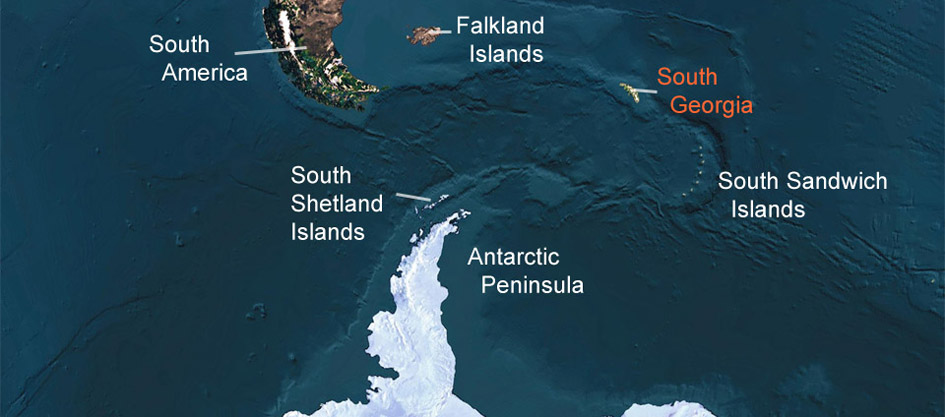
Before delving into specific locations, it’s crucial to grasp the island’s geographical context. South Georgia is a British Overseas Territory, part of South Georgia & the South Sandwich Islands (SGSSI). It is situated approximately 1,400 kilometers (870 miles) east-southeast of the Falkland Islands and over 2,000 kilometers (1,240 miles) from the nearest point of South America.
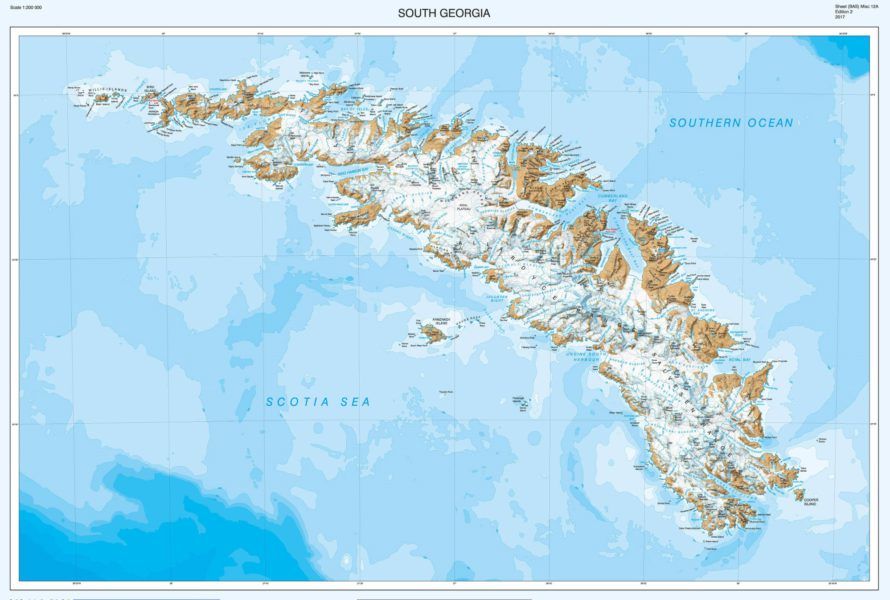
The island itself is a formidable presence. It is a long, narrow, crescent-shaped landmass, stretching 170 kilometers (106 miles) long and up to 40 kilometers (25 miles) wide. Its topography is dominated by the Allardyce and Salvesen mountain ranges, which run along its spine. The highest peak, Mount Paget, soars to an impressive 2,935 meters (9,629 feet), a testament to the island’s rugged, alpine character.
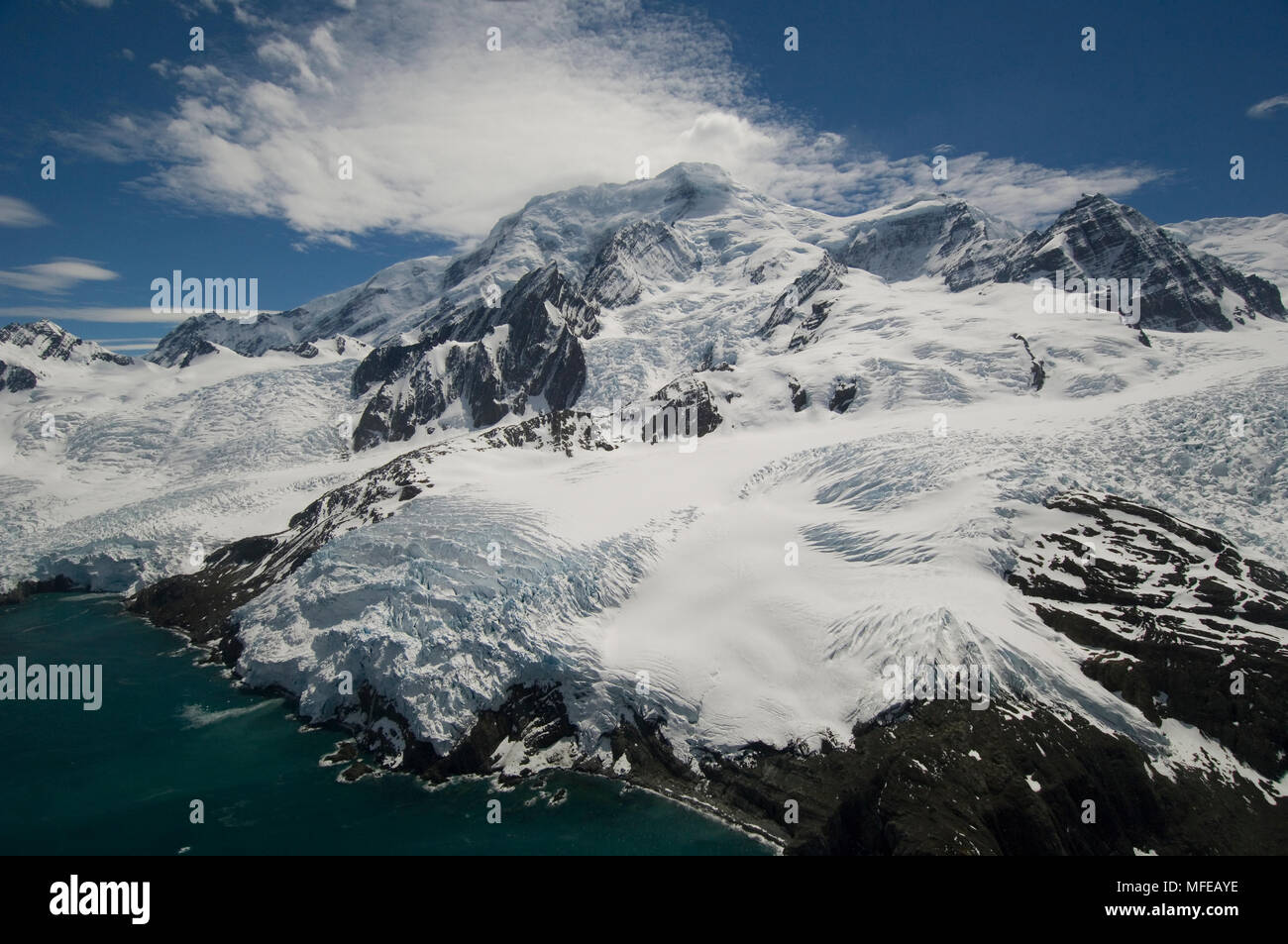
This mountainous terrain is heavily glaciated, with over 160 glaciers covering more than half of the island’s surface. These rivers of ice carve their way down to the sea, creating a dramatic and deeply indented coastline. The coast is a maze of fjords, bays, and coves, which provide sheltered anchorages for ships and vital breeding grounds for the island’s abundant wildlife. The north-eastern coast is generally more sheltered and accessible, which is why most historical settlements and modern landing sites are located there.
Key Locations on the Map of South Georgia Island
A map of South Georgia is a tapestry of historical sites and natural wonders. For any visitor, certain names stand out as essential points of interest, each with its own unique story and significance.
Grytviken: The Historic Heart
No location on South Georgia is more famous than Grytviken. Located in King Edward Cove on the shore of Cumberland East Bay, it was once the largest whaling station in the Southern Hemisphere. Today, its rusting industrial remnants stand as a haunting memorial to a bygone era. Visitors can explore the well-preserved Norwegian Lutheran Church, the South Georgia Museum, and, most famously, the grave of the legendary polar explorer Sir Ernest Shackleton, who is buried in the whalers’ cemetery at his widow’s request.
King Edward Point (KEP)
Adjacent to Grytviken is King Edward Point, the island’s administrative hub. It is not a town but a small settlement housing British Antarctic Survey (BAS) scientists, government officials, and museum staff. KEP is the official port of entry for all vessels visiting South Georgia, and its scientific research is crucial for the sustainable management of the territory’s marine resources.
Stromness and Leith Harbour: Echoes of the Whaling Era
Further up the coast from Grytviken lie the abandoned whaling stations of Stromness, Leith, and Husvik. These sites are strictly managed due to the hazards of decaying structures and asbestos. However, Stromness holds a special place in history as the destination of Shackleton’s epic 36-hour trek across the island’s treacherous interior in 1916. Standing on the shore and looking up at the mountains he and his companions descended gives a profound sense of their incredible feat of endurance.
St. Andrew’s Bay: The Penguin Metropolis
For wildlife, few places on earth can compare to St. Andrew’s Bay. A map will show it as a wide, sweeping bay on the north coast, but no two-dimensional representation can capture the reality. It is home to the largest colony of king penguins on the island, with over 150,000 breeding pairs. The sheer density of birds, the cacophony of their calls, and the backdrop of the Heaney and Cook Glaciers create an overwhelming and unforgettable sensory experience. The beach is also a major haul-out site for massive southern elephant seals.
Salisbury Plain: A Royal Court
Similar to St. Andrew’s Bay, Salisbury Plain is another jewel in South Georgia’s wildlife crown. Located in the Bay of Isles, it hosts a staggering king penguin colony estimated at over 60,000 breeding pairs. The vast glacial outwash plain provides a spectacular amphitheater for the penguins, which stretch from the tussock grass slopes down to the surf-pounded beach. It is one of the most photographed locations on the island for good reason.
Gold Harbour: A Photographer’s Dream
Named for the golden glow of the sun on the surrounding cliffs, Gold Harbour is renowned for its scenic beauty. Nestled at the foot of the Bertrab Glacier, it offers a breathtaking combination of ice, mountains, and wildlife. King penguins are abundant, as are gentoo penguins, and the beaches are crowded with fur seals and elephant seals, making it a dynamic and visually stunning landing site.
Drygalski Fjord and Fortuna Bay: Glacial Wonders
On the southern, more exposed coast, Drygalski Fjord offers a different perspective. Here, visitors can cruise in Zodiacs through a narrow, dramatic fjord with steep, dark rock walls and tidewater glaciers calving ice into the sea. Fortuna Bay, on the north coast, is not only scenically beautiful but also historically significant as the place where Shackleton’s party descended from the mountains before the final, short walk to Stromness.
Mapping South Georgia: From Early Explorers to Modern GIS
The process of mapping South Georgia is a story of adventure and scientific endeavor in itself. Captain James Cook is credited with the first landing and charting of the island in 1775, though he was unimpressed, famously describing it as a land ‘not worth the discovery.’
Subsequent maps were improved by sealers and whalers who explored the coastline in search of resources. However, the first truly scientific cartographic efforts were undertaken by expeditions like the German International Polar Year expedition in 1882-83. The most significant leap forward came with the South Georgia Survey expeditions of the 1950s, which produced the first detailed and accurate topographical map of the entire island.
Today, mapping is a high-tech affair. The Government of South Georgia & the South Sandwich Islands (GSGSSI) utilizes Geographic Information Systems (GIS) and satellite imagery to manage the territory. Modern hydrographic charts, produced by agencies like the UK Hydrographic Office, are essential for the safe navigation of cruise ships and fishing vessels in these challenging waters.
How to Use a Map for Your South Georgia Expedition
- Landing Sites: Marked locations where Zodiacs can safely bring passengers ashore.
- Wildlife Colonies: Key areas for viewing penguins, seals, and seabirds.
- Historical Sites: Locations of whaling stations, graves, and other points of historical interest.
- Hiking Routes: Designated walking paths, such as the final leg of the ‘Shackleton Walk’ from Fortuna Bay to Stromness.
- Restricted Areas: Zones that are off-limits to protect sensitive wildlife, vegetation, or historical artifacts. These are critical for the island’s conservation.
Understanding these maps helps visitors appreciate the logistical complexity and strict environmental protocols that govern every visit. The expedition team uses these maps in daily briefings to explain the day’s activities, weather considerations, and safety guidelines.
Answering Common Questions
Where exactly is South Georgia Island located?
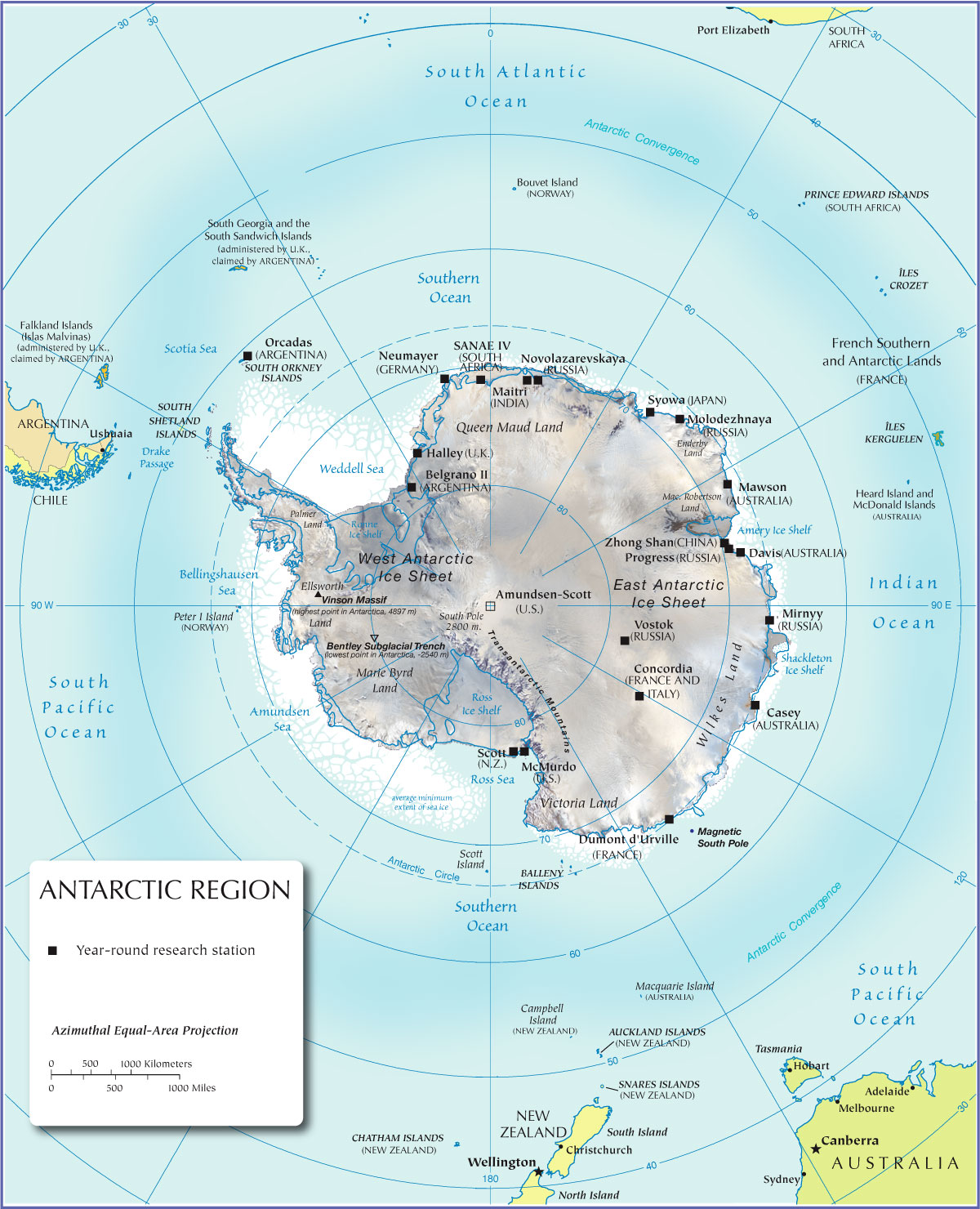
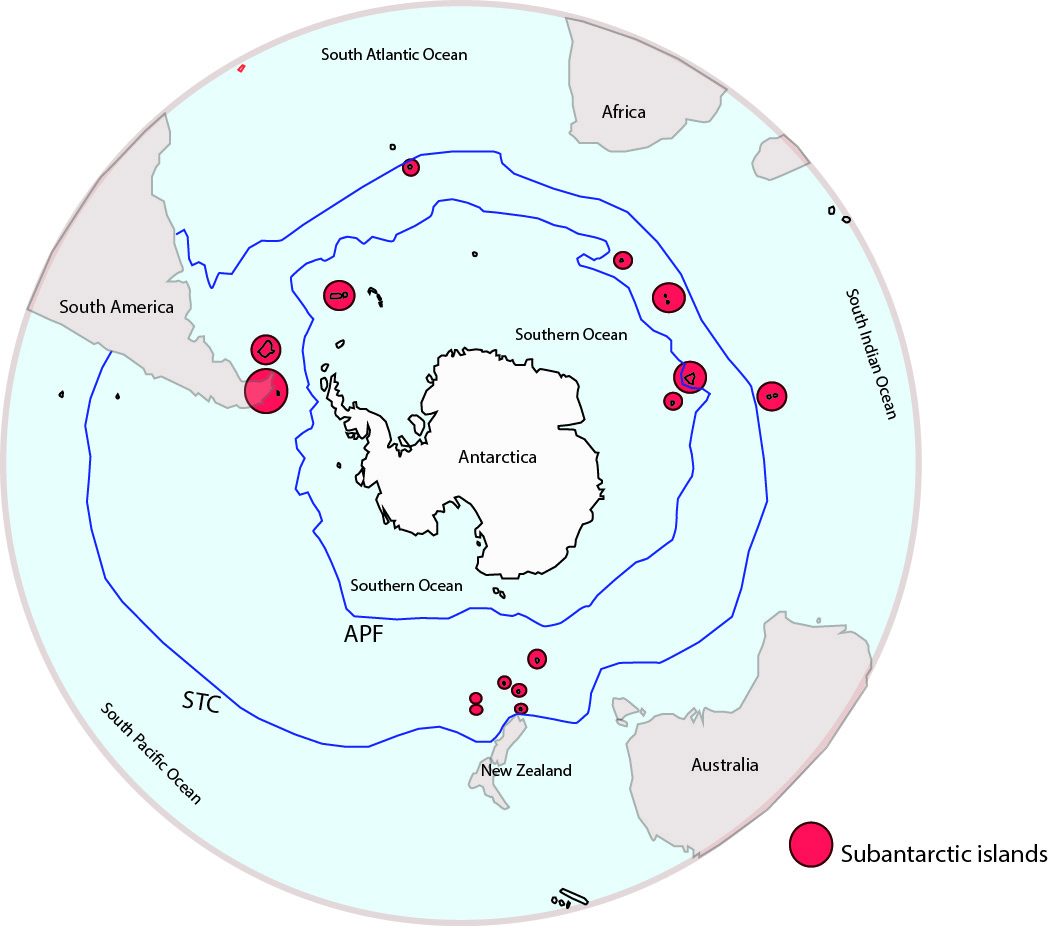
South Georgia Island is located in the South Atlantic Ocean. Its approximate coordinates are 54°15′S 36°45′W. It lies south of the Antarctic Convergence, which contributes to its cold climate and abundant marine life.
Can you live on South Georgia Island?
What country does South Georgia belong to?
South Georgia is a British Overseas Territory. It is administered from the Falkland Islands by a Commissioner who is concurrently the Governor of the Falkland Islands. The GSGSSI is responsible for the territory’s governance, environmental management, and sustainable fishery.
Conclusion: More Than Just a Place on the Map
South Georgia Island is far more than a remote dot on a world map. It is a living, breathing ecosystem of immense global importance, a repository of human history, and a benchmark for successful environmental conservation. A map of the island is a key that unlocks its many layers, guiding us through its dramatic fjords, to the graves of explorers, and into the heart of the world’s most impressive wildlife congregations. To trace a finger along its coastline is to trace a journey through the very soul of the sub-Antarctic world.