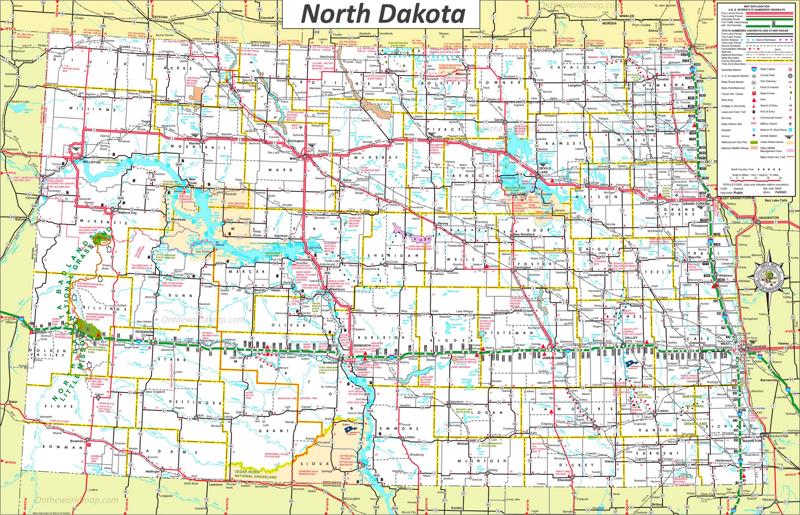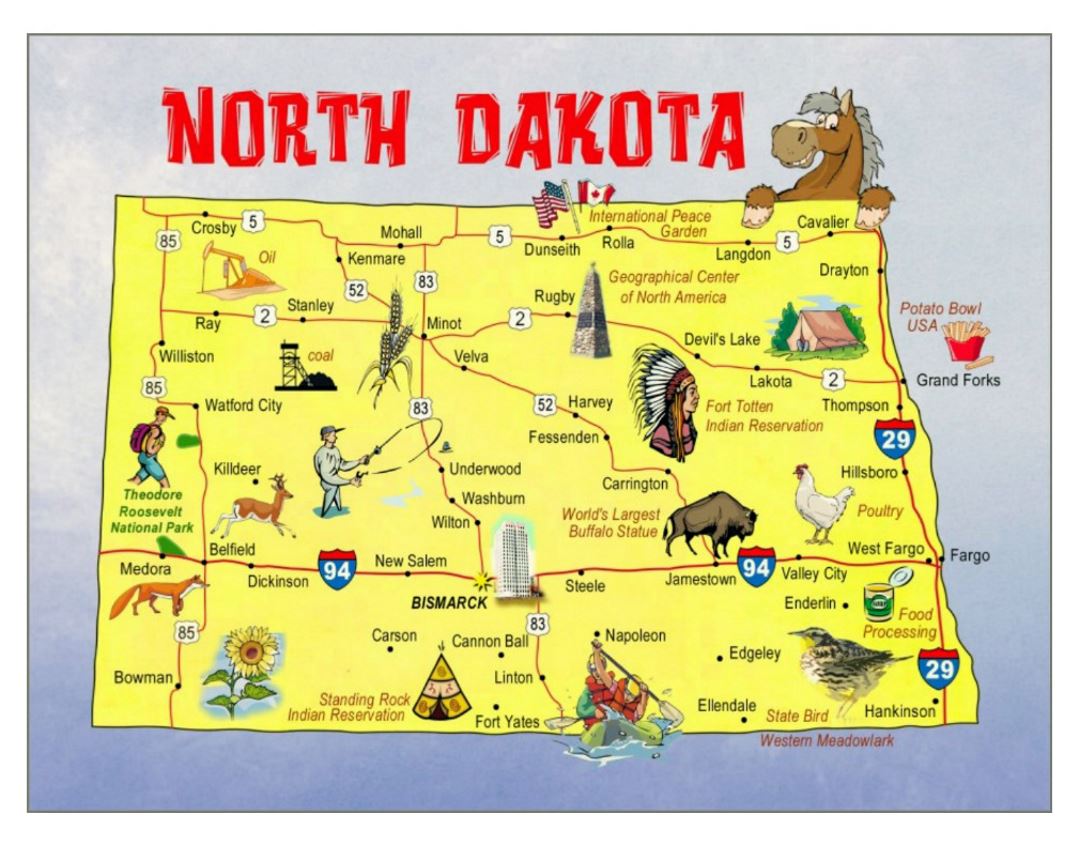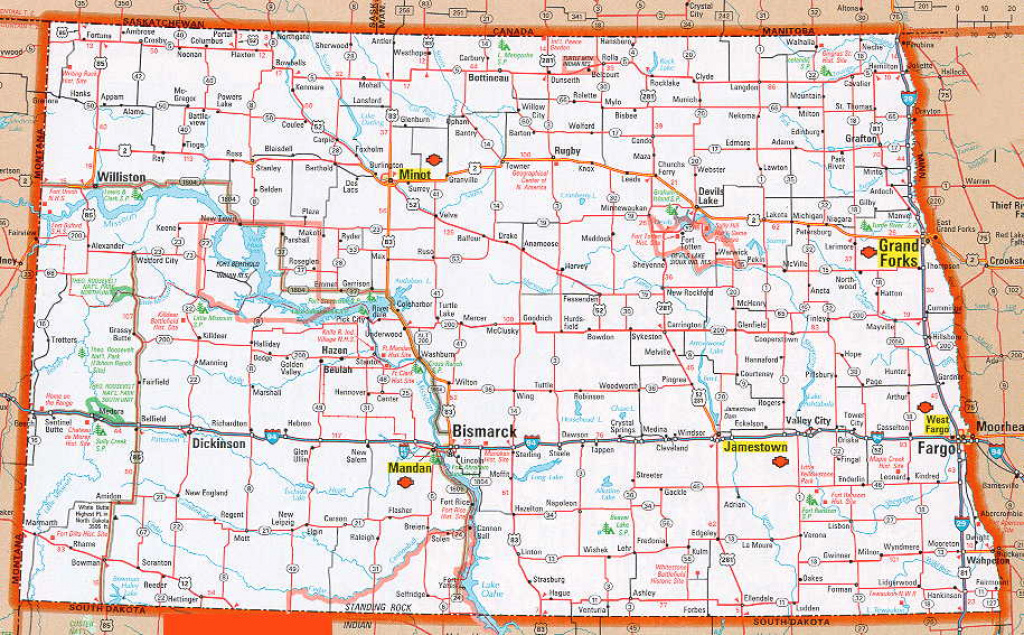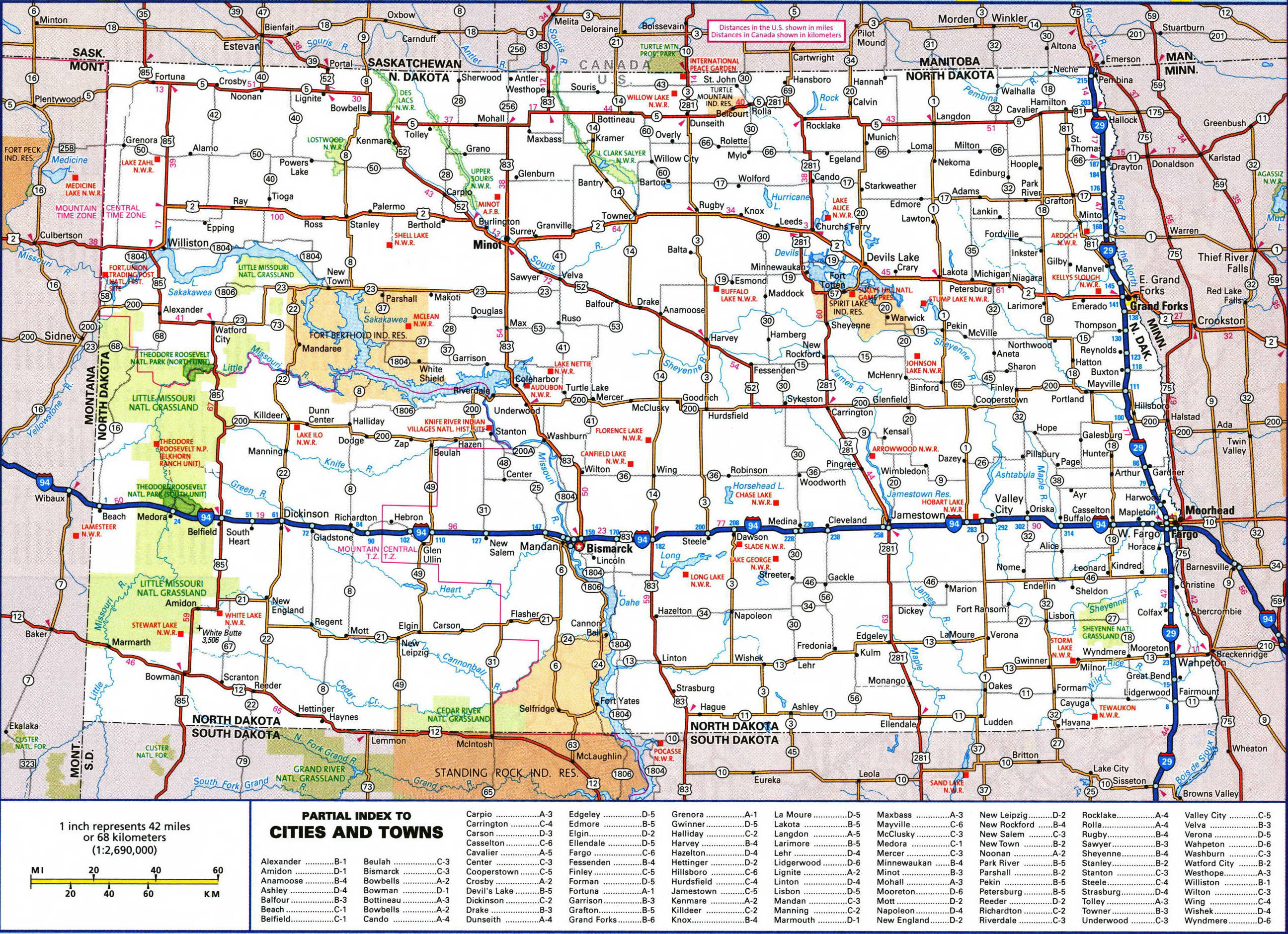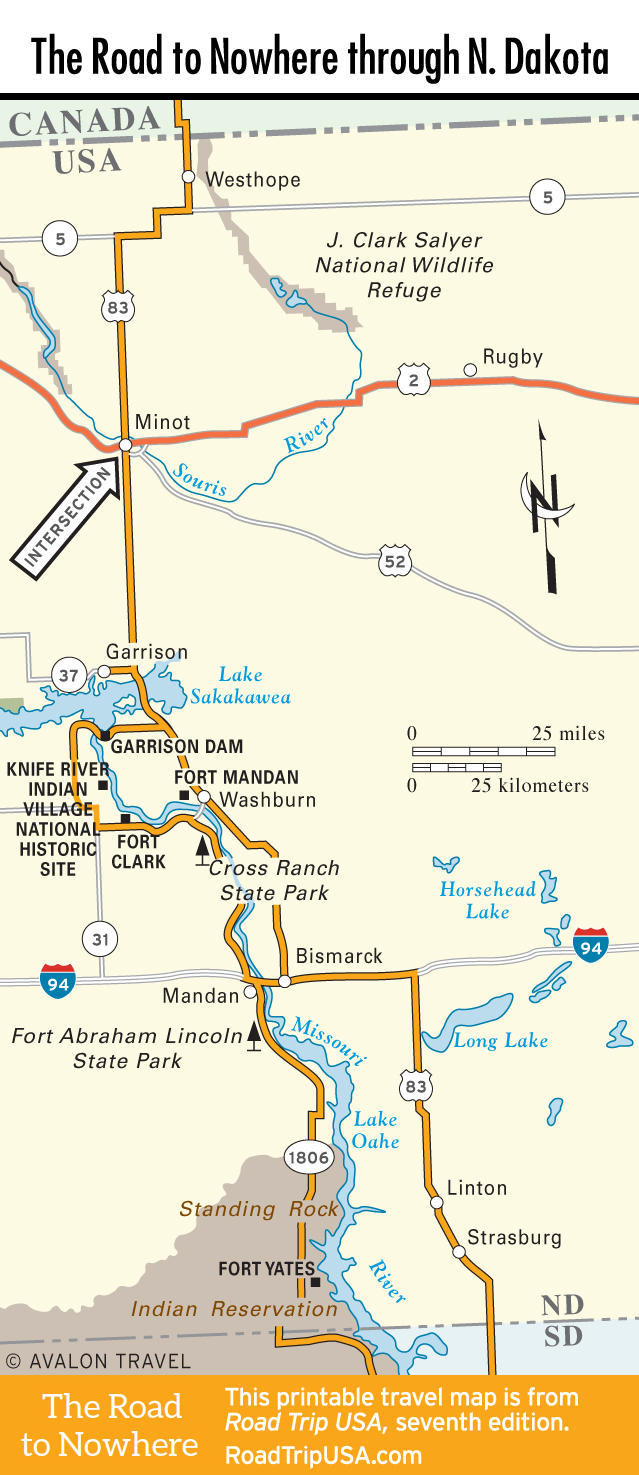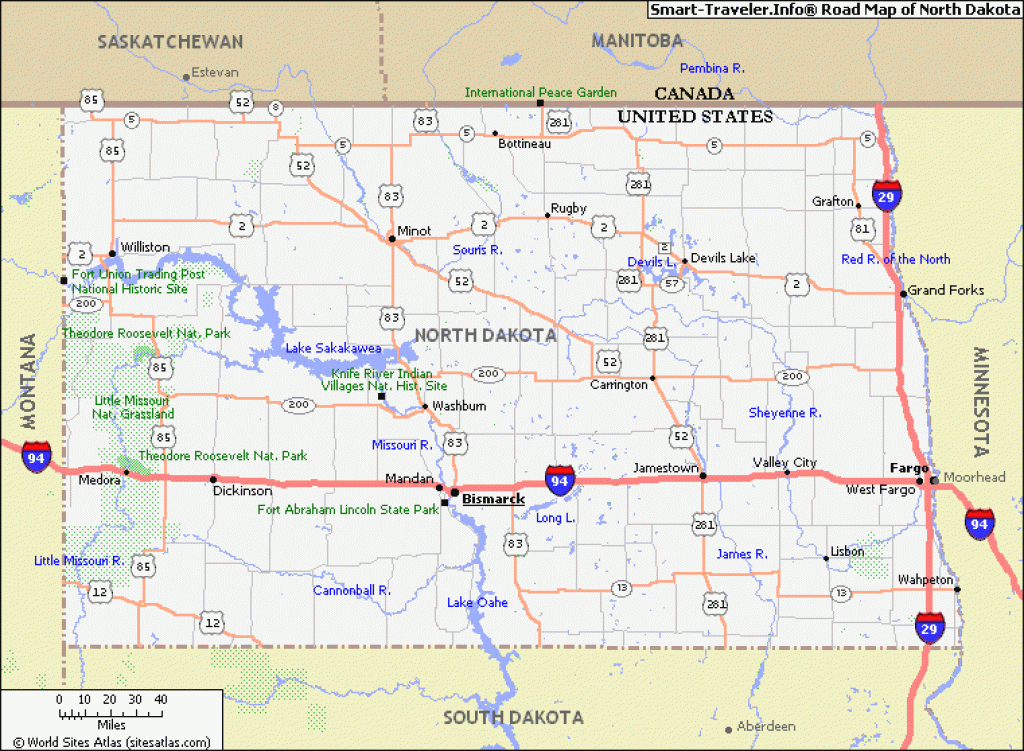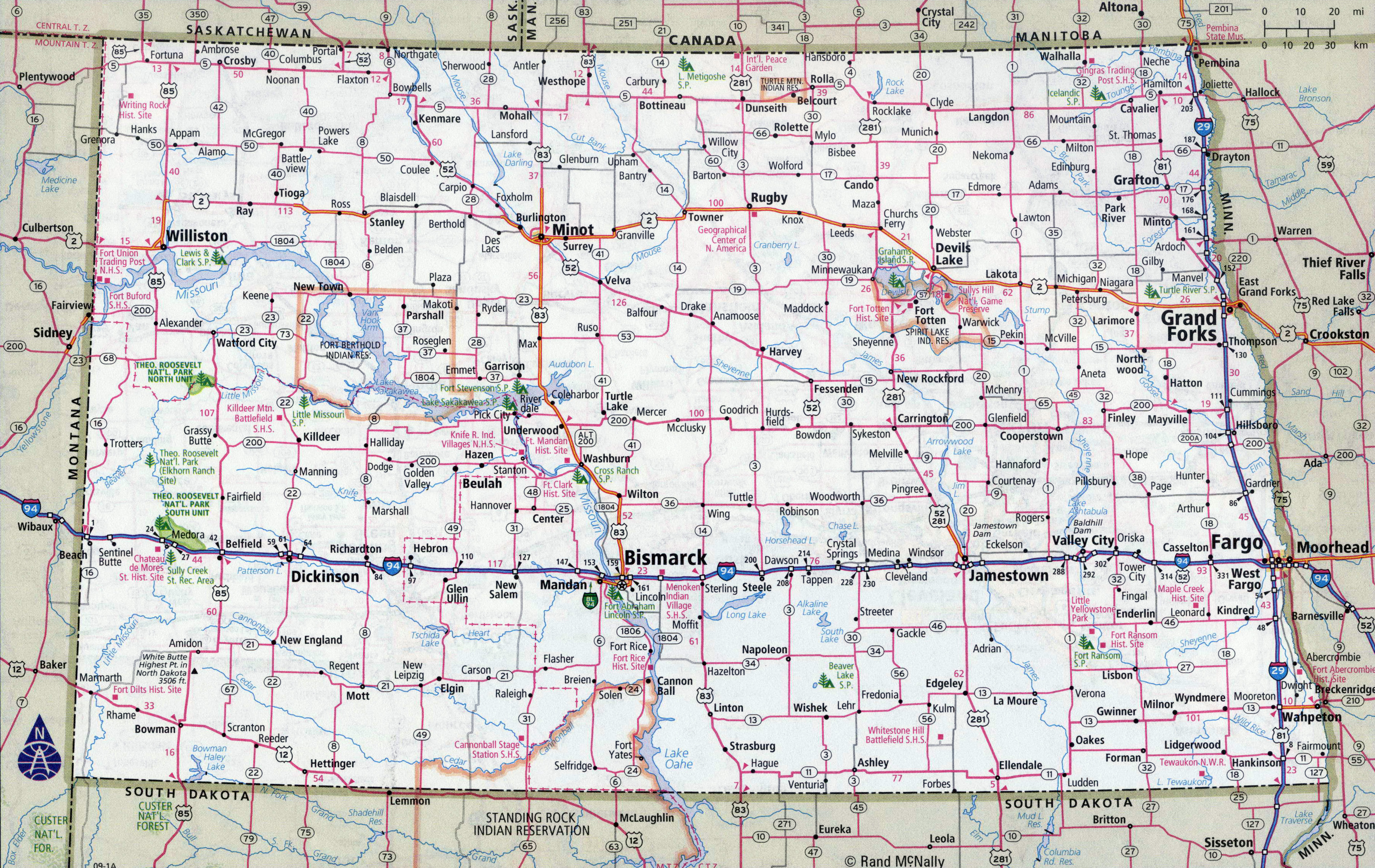
In an age where GPS and smartphone navigation are ubiquitous, the value of a comprehensive, visual travel map remains unmatched, particularly in a state like North Dakota. Rural connectivity can be sporadic in the western badlands, making physical maps and downloaded offline resources critical safety tools. This guide explores everything you need to know about navigating North Dakota, from official Department of Transportation resources to scenic byways and specialized outdoor recreation maps.
The Official NDDOT Travel Information Map
The gold standard for navigation in the state is the official map produced by the North Dakota Department of Transportation (NDDOT). Unlike generic atlas pages, this map is updated regularly to reflect current infrastructure changes, highway expansions, and points of interest. It serves as the primary resource for both logistics and tourism planning.
One of the most critical features of the NDDOT map is its integration with the state’s travel information system. The physical map provides a macro-level view of the state’s grid, clearly delineating the difference between interstate highways, paved state highways, and the gravel roads that crisscross the agricultural heartland. For anyone venturing off the main arteries, knowing the surface type of your route is essential.
Digital Integration: The ND Roads Map
While the paper map is excellent for overview planning, the NDDOT’s digital counterpart, often referred to as the ND Roads map, is vital for real-time travel. This interactive tool provides live data on road conditions, construction zones, and weather-related closures. In a state where winter blizzards can shut down interstates, checking the live digital map is a mandatory safety protocol.
Navigating the Regions: A Geographic Overview
To effectively use an ND travel map, one must understand the three distinct geographical regions that define the state. A good map will help you visualize the transition from the flat, fertile Red River Valley in the east to the rolling Drift Prairie in the center, and finally, to the rugged Missouri Plateau and Badlands in the west.
The Badlands: The western third of the state offers the most dramatic topography. Here, the map becomes a topographical guide to canyons and buttes. Roads in this region, particularly around the Little Missouri National Grassland, follow the contours of the land rather than a grid, requiring more attentive navigation.
Scenic Byways and Backways
North Dakota is famous for its scenic drives, and a standard GPS often bypasses these in favor of the fastest route. Using a detailed travel map allows you to identify and plan routes along the state’s designated Scenic Byways and Backways. These routes are marked on official tourism maps and offer a deeper dive into the local culture and landscape.
The Enchanted Highway: One of the most famous routes to locate on your map is the Enchanted Highway. Stretching 32 miles south from I-94 at Gladstone, this road is lined with the world’s largest scrap metal sculptures. A travel map will help you identify the exits and the specific locations of sculptures like ‘Geese in Flight’ and ‘Pheasants on the Prairie’.
The Sakakawea Scenic Byway: This route offers stunning views of Lake Sakakawea and the Missouri River. Mapping this route is essential for history buffs, as it passes through areas rich in Lewis and Clark history and Native American heritage sites, including the Knife River Indian Villages National Historic Site.
The Killdeer Mountain Four Bears Scenic Byway: Located in western North Dakota, this byway provides some of the most picturesque views in the state. A detailed map is recommended here, as the route traverses rugged terrain and offers access to hiking trails and wildlife refuges that are easily missed without proper guidance.
Mapping Theodore Roosevelt National Park
No discussion of North Dakota travel is complete without mentioning Theodore Roosevelt National Park. The park is divided into three units: the South Unit (near Medora), the North Unit (near Watford City), and the Elkhorn Ranch Unit. These units are geographically distinct and separated by considerable distances.
Visitors often underestimate the distance between the North and South units—approximately an hour’s drive via US-85. A comprehensive ND travel map clearly shows these distances, preventing logistical errors. Furthermore, detailed park maps are required for hiking and backcountry camping, as cellular service is virtually non-existent within the park boundaries.
Inside the park, the map is your guide to the scenic loop drives. In the South Unit, the 36-mile scenic loop offers access to prairie dog towns, scenic overlooks, and trailheads. Understanding the layout of this loop is crucial for timing your visit, especially if you hope to catch the sunset at Wind Canyon.
Winter Travel and Condition Maps
North Dakota winters are legendary, and the travel map changes function from a tourism guide to a survival tool during the colder months. From November to April, travelers must utilize the ND Roads Condition Map. This specific mapping system uses color codes to indicate road status: green for normal, yellow for scattered ice, orange for ice-covered, and red for closed.
It is important to note that when a road is marked ‘Closed’ on the ND travel map, it is illegal and dangerous to proceed. The map also highlights ‘No Travel Advised’ areas, which means emergency services may not be able to reach you. Familiarizing yourself with these map legends before winter travel is imperative.
Specialized Maps for Outdoor Recreation
Beyond paved roads, North Dakota is a sportsman’s paradise. Hunters and anglers rely on specialized maps known as PLOTS (Private Land Open To Sportsmen) guides. These maps are incredibly detailed, showing section lines and clearly marking public access land versus private property.
For hikers and mountain bikers, the Maah Daah Hey Trail map is a prized possession. This 144-mile non-motorized single track cuts through the heart of the Badlands. Because the trail traverses remote areas where water caches are essential for survival, a high-resolution topographic map is mandatory for anyone attempting the full trek.
Digital Apps vs. Paper Maps
While apps like Google Maps and Waze are efficient for navigating the cities of Fargo, Bismarck, and Minot, they have limitations in rural North Dakota. The ‘shortest route’ algorithm may direct travelers down unmaintained minimum maintenance roads (MMR). On a digital screen, these may look like viable shortcuts; in reality, they can be impassable mud tracks after rain.
A physical ND travel map or a state-specific atlas distinguishes between paved highways, gravel county roads, and primitive trails. We strongly recommend carrying a physical map as a backup. The official state highway map is available for free at rest stops, visitor centers, and can be ordered online through North Dakota Tourism.
How to Obtain North Dakota Travel Maps
Getting your hands on these resources is straightforward. The North Dakota Tourism Division offers free travel packets that include the official highway map, a hunting and fishing guide, and a scenic byway guide. These can be requested via their official website.
Additionally, the NDDOT website provides downloadable PDF versions of city maps for major hubs like Dickinson, Williston, and Jamestown. These urban maps are helpful for navigating local streets that may not appear in detail on the statewide highway map.
Conclusion
Whether you are tracing the path of Lewis and Clark, hunting for pheasants on the drift prairie, or simply driving across the country on I-94, the ND travel map is your key to unlocking the state’s potential. It transforms a vast, intimidating landscape into a navigable playground.
By combining the real-time data of the NDDOT digital tools with the reliability of a physical highway map, travelers can ensure a safe and enriching journey. North Dakota is a state that rewards the curious, but it demands respect for its geography and weather. With the right map in hand, you are ready to explore the legendary landscapes of the Peace Garden State.