New York is a global crossroads, a bustling hub of commerce, culture, and tourism. For millions of travelers each year, the journey begins and ends at one of its many airports. But navigating this complex aviation landscape can be daunting. Which airport is closest to your destination? Which offers the best flight options? This comprehensive guide serves as your map to understanding the airports in New York, from the major international gateways of the New York City area to the vital regional hubs scattered across the Empire State.
Whether you’re flying into the heart of Manhattan, exploring the scenic beauty of Upstate New York, or visiting Long Island’s shores, choosing the right airport is the first step to a successful trip. This article will break down the location, purpose, and transportation options for each major airport, helping you visualize their place on the map and make an informed decision.
The Big Three: The Pillars of NYC Aviation
When people talk about flying to New York City, they are almost always referring to one of three major airports: John F. Kennedy International Airport (JFK), LaGuardia Airport (LGA), and Newark Liberty International Airport (EWR). While technically in New Jersey, Newark is an integral part of the NYC airport system, serving millions of passengers bound for the five boroughs. Let’s explore each one in detail.
John F. Kennedy International Airport (JFK)
Geographically, its position in southern Queens makes it a relatively convenient option for travelers heading to Brooklyn, Queens, and Long Island. However, reaching Manhattan can be a time-consuming endeavor depending on traffic or your chosen mode of transport.
- International and long-haul flights.
- Travelers flying on major international carriers or hub airlines like American Airlines, Delta Air Lines, and JetBlue.
- Connecting to destinations across the globe.
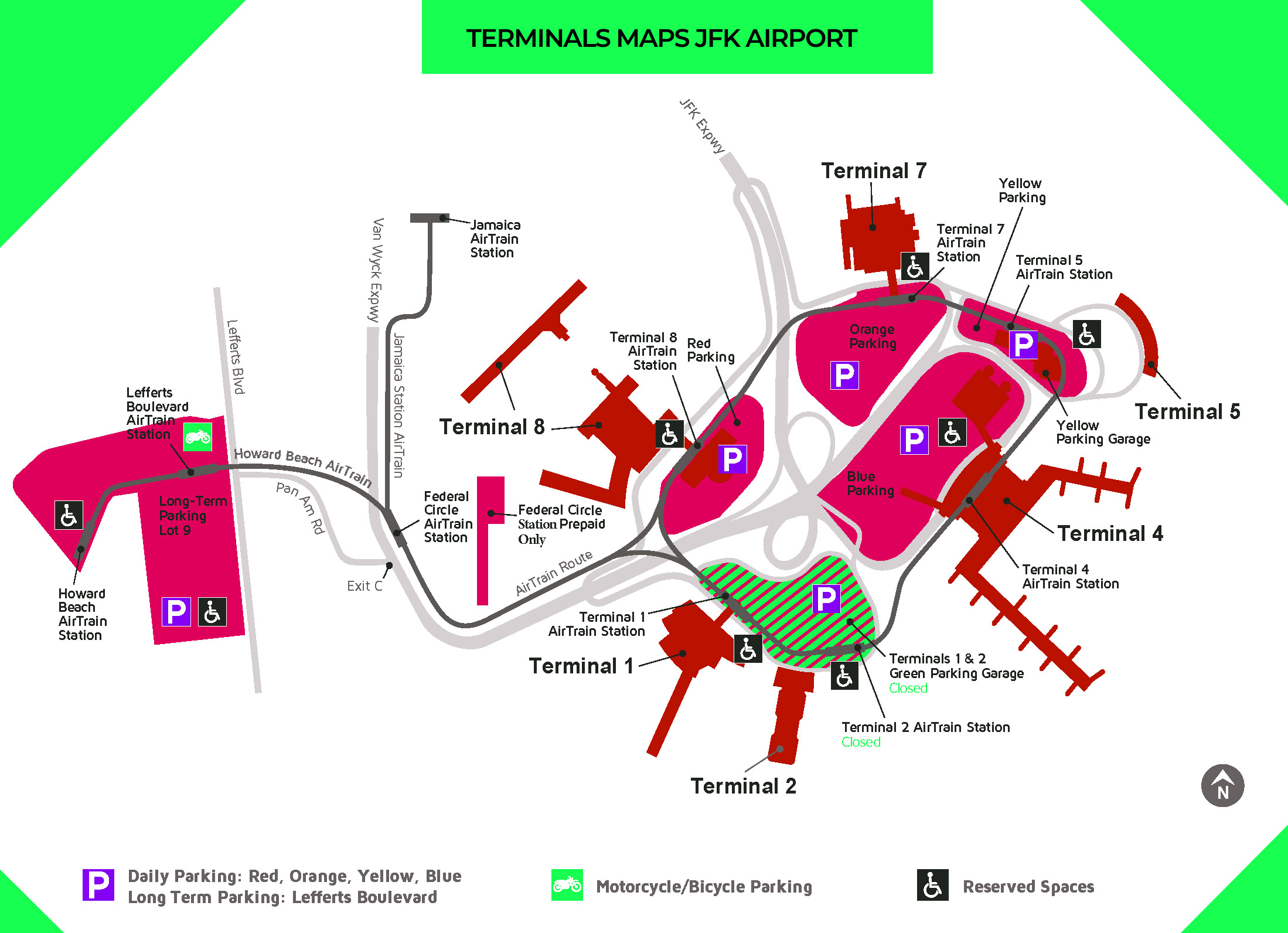
Transportation to Manhattan: Getting from JFK to the city involves several options. The AirTrain JFK is a crucial link, connecting all terminals to the NYC subway system (A, E, J, Z lines) at Jamaica and Howard Beach stations, and to the Long Island Rail Road (LIRR) at Jamaica Station. For a direct route, taxis, ride-sharing services, and airport shuttles are readily available, though subject to heavy traffic.
LaGuardia Airport (LGA)
Also located in Queens, but on its northern shore, LaGuardia Airport (LGA) is geographically the closest of the three major airports to Midtown Manhattan. Following a massive, multi-billion dollar renovation, the once-maligned airport has been transformed into a modern, world-class facility. LGA primarily serves domestic destinations, with some flights to Canada and the Caribbean.
Its proximity to Manhattan is its greatest asset, but this can be offset by the lack of a direct rail link. However, improved public transit options have made it more accessible than ever before.
- Domestic flights, especially to destinations on the East Coast and in the Midwest.
- Travelers prioritizing proximity to Manhattan, the Bronx, and northern Queens.
- Business travelers on short-haul routes.
Transportation to Manhattan: The most cost-effective way to travel from LGA is via bus. The LaGuardia Link Q70-SBS (Select Bus Service) provides a free, non-stop connection to the subway (7, E, F, M, R lines) and LIRR at Jackson Heights-Roosevelt Avenue. City buses like the M60-SBS also offer direct service into Manhattan. Taxis and ride-sharing services are popular but can be expensive during peak hours.
Newark Liberty International Airport (EWR)
Situated in Newark, New Jersey, EWR is a major international airport and a primary hub for United Airlines. Despite being in another state, its excellent transportation links make it a highly competitive option for travelers heading to New York City, particularly the west side of Manhattan.
For those whose final destination is in New Jersey or on the west side of Manhattan (near Penn Station), EWR can often be the most convenient and fastest choice. It serves a vast network of both domestic and international destinations.
- Travelers flying with United Airlines or its Star Alliance partners.
- Visitors staying on the west side of Manhattan or in New Jersey.
- Passengers seeking a direct rail connection to the city.
Transportation to Manhattan: Newark’s standout feature is its direct rail access. The AirTrain Newark connects all terminals to the Newark Liberty International Airport Station, where passengers can transfer to NJ Transit or Amtrak trains for a quick, direct ride to New York Penn Station in under 30 minutes. This option completely bypasses road traffic, making it highly reliable.
Mapping Your Choice: Which NYC Airport is Right for You?
Choosing between JFK, LGA, and EWR often comes down to three key factors: your airline, your final destination within the region, and your budget for ground transportation. Imagine a map of the tri-state area. If your destination is Long Island or southeast Brooklyn, JFK is a natural fit. If you’re staying in Midtown East or the Upper East Side, LGA is geographically closest. If you’re heading to the Financial District, Chelsea, or anywhere in New Jersey, EWR’s train link to Penn Station is hard to beat.
- For International Flights: JFK is the leader, with EWR as a strong second. LGA has very few international options.
- For Domestic Flights: All three are competitive, but LGA has a strong focus on domestic routes. Your choice will likely be dictated by the airline.
- For Speed to Manhattan: EWR’s train to Penn Station is often the fastest. LGA is closest by car, but traffic is a major variable. JFK is typically the longest journey.
- For Budget Travel: Public transit from all three is affordable. The subway connection from JFK or the bus/subway from LGA are the cheapest. NJ Transit from EWR is slightly more expensive but much faster.
Beyond the Metropolis: Other Key New York Airports
New York’s aviation network extends far beyond the five boroughs. Several smaller, regional airports provide convenient alternatives and serve millions of residents across the state.
Long Island MacArthur Airport (ISP)
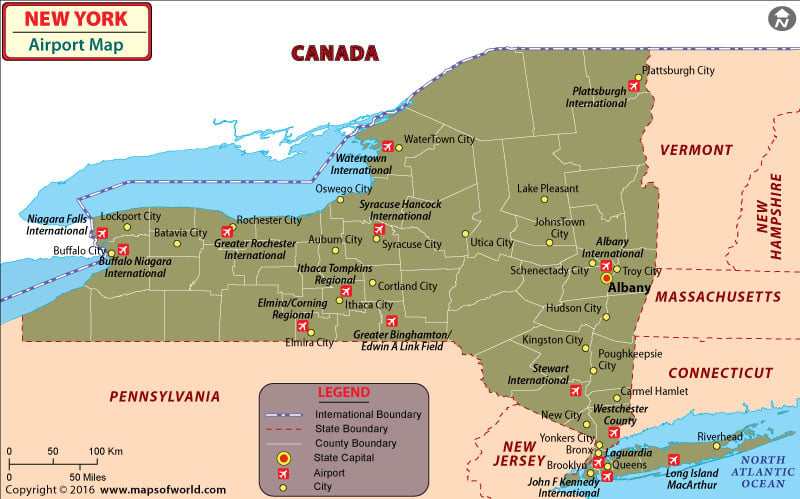
Located in Islip, about 50 miles east of Manhattan, Long Island MacArthur Airport (ISP) is a much smaller and less congested alternative to JFK and LGA for residents of Suffolk County. It’s served by several low-cost carriers like Southwest and Frontier, offering a stress-free travel experience for those living on the island.
New York Stewart International Airport (SWF)
Positioned in the Hudson Valley about 60 miles north of NYC, Stewart International Airport (SWF) has been growing as a low-cost gateway to the region. It serves as a relief airport for the big three and offers a convenient option for residents of the Hudson Valley, upstate New York, and northern New Jersey. Its international presence has been expanding, particularly with budget European airlines.
Westchester County Airport (HPN)
Serving the affluent suburbs north of New York City, Westchester County Airport (HPN) in White Plains is a hub for business travelers and residents of Westchester and Connecticut. It offers regional service to key destinations across the eastern U.S., allowing travelers to bypass the congestion of the major city airports.
Gateways to Upstate: Airports Across the Empire State
The vast expanse of Upstate New York is served by its own set of crucial airports, each a gateway to its respective region.
- Albany International Airport (ALB): Serving the Capital Region, ALB is a key access point for state government, business, and tourism in the area, including the nearby Adirondacks and Saratoga Springs.
- Buffalo Niagara International Airport (BUF): As its name suggests, BUF is the primary gateway for visitors heading to the magnificent Niagara Falls and the city of Buffalo. It’s the busiest airport in upstate New York.
- Syracuse Hancock International Airport (SYR): Located in the heart of Central New York, SYR serves the Finger Lakes region, Syracuse University, and the greater central part of the state.
- Greater Rochester International Airport (ROC): Serving the Rochester area and the western Finger Lakes, ROC is a vital airport for business and leisure travel in the region.
Frequently Asked Questions About New York Airports
What are the 3 main airports for New York City?
The three main airports serving NYC are John F. Kennedy International Airport (JFK), LaGuardia Airport (LGA), and Newark Liberty International Airport (EWR).
Which NYC airport is closest to Times Square?
LaGuardia (LGA) is the closest airport to Times Square and Midtown Manhattan by distance (approximately 8-9 miles). However, the fastest journey can often be from Newark (EWR) via the NJ Transit train to Penn Station, as it avoids unpredictable road traffic.
Is it better to fly into JFK or Newark for an international flight?
Both JFK and Newark are excellent international airports. JFK has a wider range of international carriers and destinations. The best choice depends on your airline and your final destination. If you’re flying United, EWR is its hub. If your destination is on the west side of Manhattan or in New Jersey, EWR is more convenient.
What is the easiest way to get from JFK to Manhattan?
The ‘easiest’ method depends on your priorities. The most predictable and often fastest combination is taking the AirTrain to Jamaica Station and then the Long Island Rail Road (LIRR) to Penn Station or Grand Central. The most budget-friendly is the AirTrain and subway. The most convenient for door-to-door service is a taxi or ride-share, but this is also the most expensive and subject to traffic delays.
Conclusion: Your Final Approach to Choosing an NY Airport
The ‘best’ New York airport is entirely subjective, depending on a traveler’s unique itinerary, budget, and tolerance for travel time. By understanding the geographical location and primary function of each airport—JFK for international reach, LGA for domestic convenience, EWR for its rail link and as a United hub—you can make a strategic choice.
From the global gateways of NYC to the essential regional airports upstate, New York’s aviation infrastructure is designed to connect every corner of the state to the rest of the world. By using this guide as your map, you can navigate your options with confidence and start your journey on the right foot.