This comprehensive guide will navigate you through the park’s diverse terrain, highlighting key routes, essential facilities, and practical tips to enhance your run. Prepare to unlock the full potential of Central Park as your ultimate running destination.
Why Central Park is a Runner’s Paradise
Few places offer such a dynamic blend of natural beauty, iconic landmarks, and varied running surfaces within a major metropolitan area. Central Park provides a stark contrast to the city’s grid, with winding paths, rolling hills, and serene landscapes that make every run an adventure.
- Scenic Beauty: From the tree-lined Mall to the tranquil ponds and the dramatic architecture of the Upper West Side and East Side skyline peeking through, the views are constantly changing.
- Varied Terrain: You can choose between paved roads, soft bridle paths, and rugged dirt trails, catering to different training needs and preferences.
- Community: It’s a gathering place for running clubs, charity races, and countless individuals, fostering a strong sense of camaraderie.
- Accessibility: Easily reachable from almost anywhere in Manhattan, making it a convenient option for many.
Understanding the Main Central Park Running Map
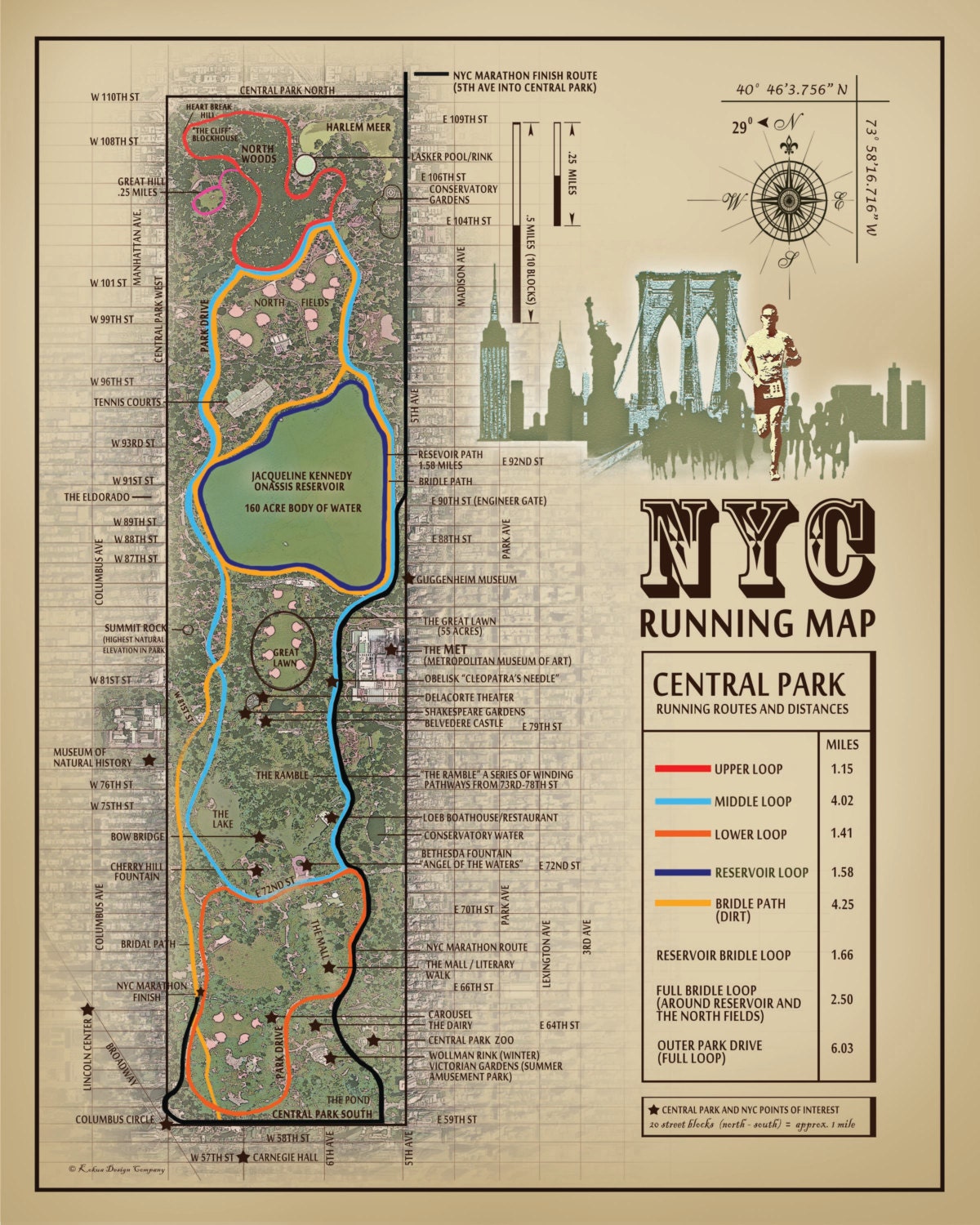
The core of Central Park’s running infrastructure is its extensive loop system. The park drive, which encircles the entire park, is the primary route for many runners, cyclists, and pedestrians. While vehicles are restricted for much of the day, runners have ample space.
The official Central Park Conservancy map is an invaluable resource, often available at visitor centers and online. It clearly delineates paths, points of interest, and facilities. Familiarizing yourself with its layout before you head out is highly recommended.
Key Running Routes and Distances
The Full Park Drive Loop (6.1 Miles)
- North End: Features the notorious ‘Harlem Hill’, a significant incline that tests endurance.
- East Drive: Generally flatter with gentle undulations.
- South End: Includes a gradual climb near the south-eastern corner.
- West Drive: Offers some longer, less steep climbs and descents.
Many runners use the mile markers conveniently placed along the loop to track their progress. This loop is a staple for NYC marathon training and for those aiming for a solid long-distance run.
The Jacqueline Kennedy Onassis Reservoir Loop (1.58 Miles)
Perhaps the most iconic running path in Central Park, the Reservoir Loop offers breathtaking views of the Manhattan skyline reflecting on the water. This gravel path is a favorite for its soft surface, making it easier on the joints, and its relatively flat profile.
The path is exclusively for pedestrians, providing a serene escape from the hustle and bustle. It’s perfect for shorter runs, speed work, or a picturesque cool-down. Access points are located at various points along the surrounding park drive.
The Bridle Path (Approx. 1.6 Miles)
Running parallel to the Reservoir Loop, the Bridle Path offers another soft-surface option. This dirt and gravel path winds through the park’s wooded areas, providing a more rustic, trail-like experience. It’s less crowded than the paved drives and offers a different perspective of the park’s natural beauty.
You can combine sections of the Bridle Path with other routes to create varied loops, especially if you prefer softer ground over pavement for your joints.
Lesser-Known Trails and Customizing Your Run
Beyond the main loops, Central Park boasts numerous smaller paths and trails. The North Woods, for instance, offers a network of rugged, unpaved trails that can make you forget you’re in the middle of a city. These trails are ideal for those seeking a true trail running experience with more technical footing and elevation changes.
Don’t be afraid to explore! Use a detailed map to link different paths, creating your own custom routes. You can incorporate the Mall, Bethesda Terrace, or even short sprints across the Great Lawn into your workout.
Navigating the Park: Essential Map Features and Tips
A good Central Park running map isn’t just about showing paths; it’s about providing crucial information for a safe and enjoyable run.
- Mile Markers & Directional Signs: Pay attention to these. The park drive has clear mile markers.
- Water Fountains: Especially important during warmer months. Maps often indicate their locations. Many are seasonal, typically turned on from April to October.
- Restrooms: Public restrooms are scattered throughout the park, often near major attractions or visitor centers.
- Entrances/Exits: Knowing your entry and exit points helps with planning your start and finish.
- Elevation Profiles: Some advanced maps or apps will show elevation changes, which is vital for planning challenging runs.
Practical Tips for Runners in Central Park
- Best Times to Run: Early mornings are generally less crowded and offer cooler temperatures, especially in summer. Evenings can also be pleasant, but be mindful of visibility.
- Safety First: While generally safe, especially during daylight hours, it’s wise to run with a buddy if possible, especially at dawn or dusk. Wear reflective gear if running in low light. Stick to well-lit, populated paths.
- Hydration: Carry water, especially on longer runs or hot days, as fountains can be spaced out.
- Etiquette: Share the path! Keep to the right, pass on the left, and be aware of cyclists and other pedestrians. Don’t block paths.
- Weather Awareness: NYC weather can change quickly. Dress in layers and check the forecast.
- Gear: Comfortable running shoes are a must. Consider a running belt or vest for carrying essentials like your phone, keys, and an ID.
Where to Find a Central Park Running Map
- Online: The official Central Park Conservancy website offers detailed interactive maps and downloadable PDFs. Many running apps (e.g., Strava, MapMyRun) also have pre-loaded Central Park routes.
- Physical Maps: You can often pick up free paper maps at Central Park visitor centers, such as the Dairy Visitor Center & Gift Shop or the Columbus Circle Information Booth.
Addressing Common Runner Questions (People Also Ask)
Q: How long is a lap around Central Park?
A: The full paved loop of the park drive is approximately 6.1 miles (9.8 km). The popular Reservoir Loop is 1.58 miles (2.5 km).
Q: Is Central Park safe to run at night?
A: While generally safe during the day, running alone at night carries inherent risks. The park is officially closed from 1 AM to 6 AM. If running in the evening, stick to well-lit, populated areas and consider running with a partner. Always exercise caution and situational awareness.
Q: What are the best running routes in Central Park for beginners?
A: The Reservoir Loop (1.58 miles) is excellent for beginners due to its flat, soft surface and manageable distance. For a slightly longer run without major hills, stick to the southern sections of the park drive or explore the gentler paths around the Great Lawn.
Q: Are there hills in Central Park?
A: Yes, absolutely! The full 6.1-mile loop of the park drive features several notable hills, particularly ‘Harlem Hill’ in the northern section, and significant undulations on the West and East Drives. The Reservoir Loop, however, is largely flat.
Q: How do I find water fountains in Central Park?
A: Water fountains are marked on official Central Park maps, both online and physical versions. They are typically located near major attractions, restrooms, and along the main running paths. Remember that most are seasonal and may be shut off during colder months.
Conclusion: Embrace Your Central Park Run
Central Park offers an unparalleled running experience, a dynamic blend of urban energy and natural tranquility. By familiarizing yourself with the Central Park running map and utilizing these tips, you’re well-equipped to explore its iconic paths, challenge yourself on its varied terrain, and become part of its vibrant running community.
So, lace up your shoes, grab your map, and discover why Central Park remains a beloved destination for runners worldwide. Every mile here tells a story; now it’s time to write yours.