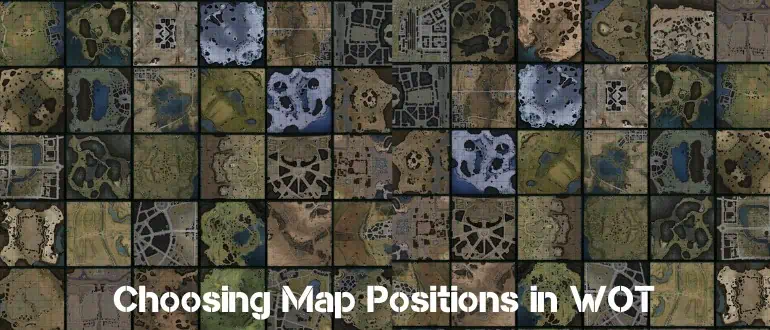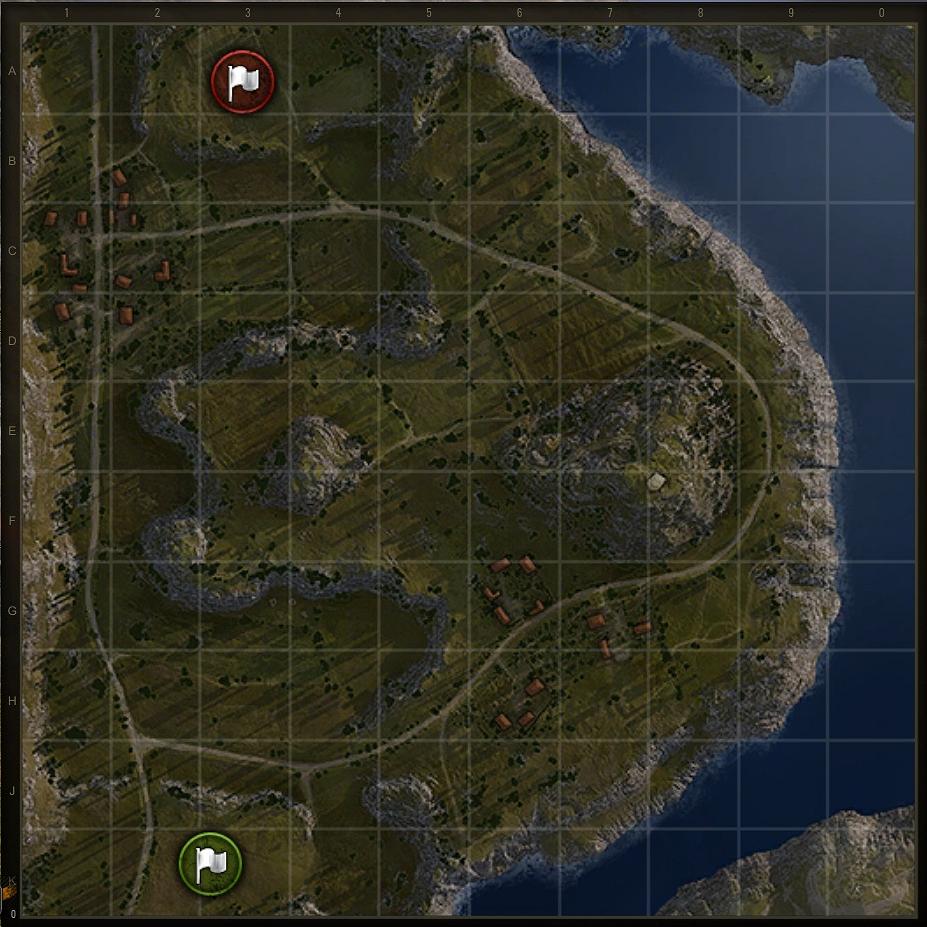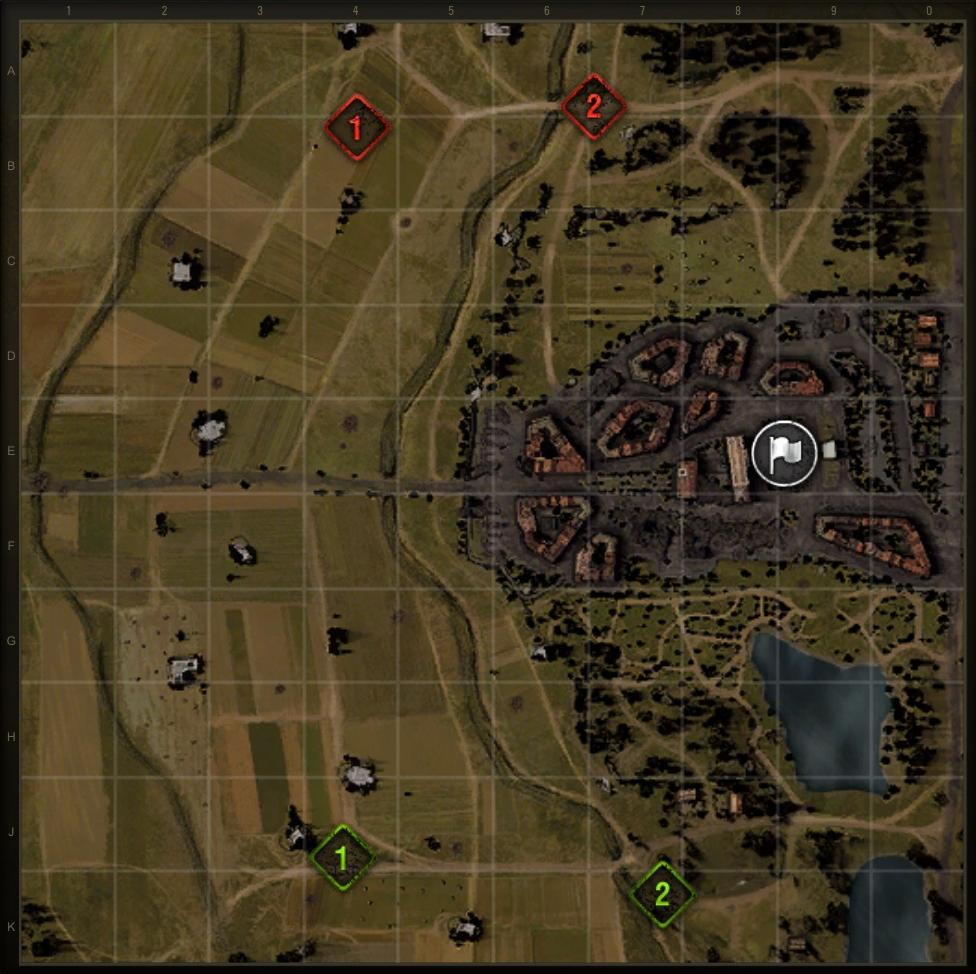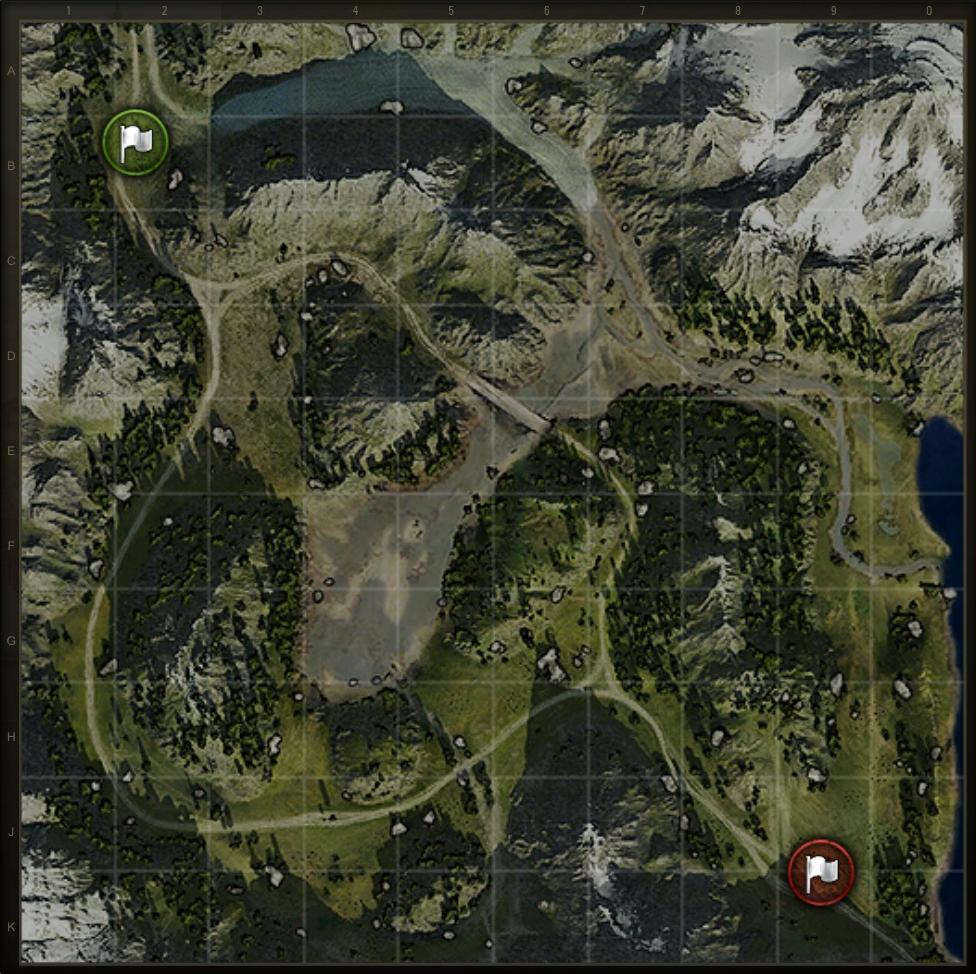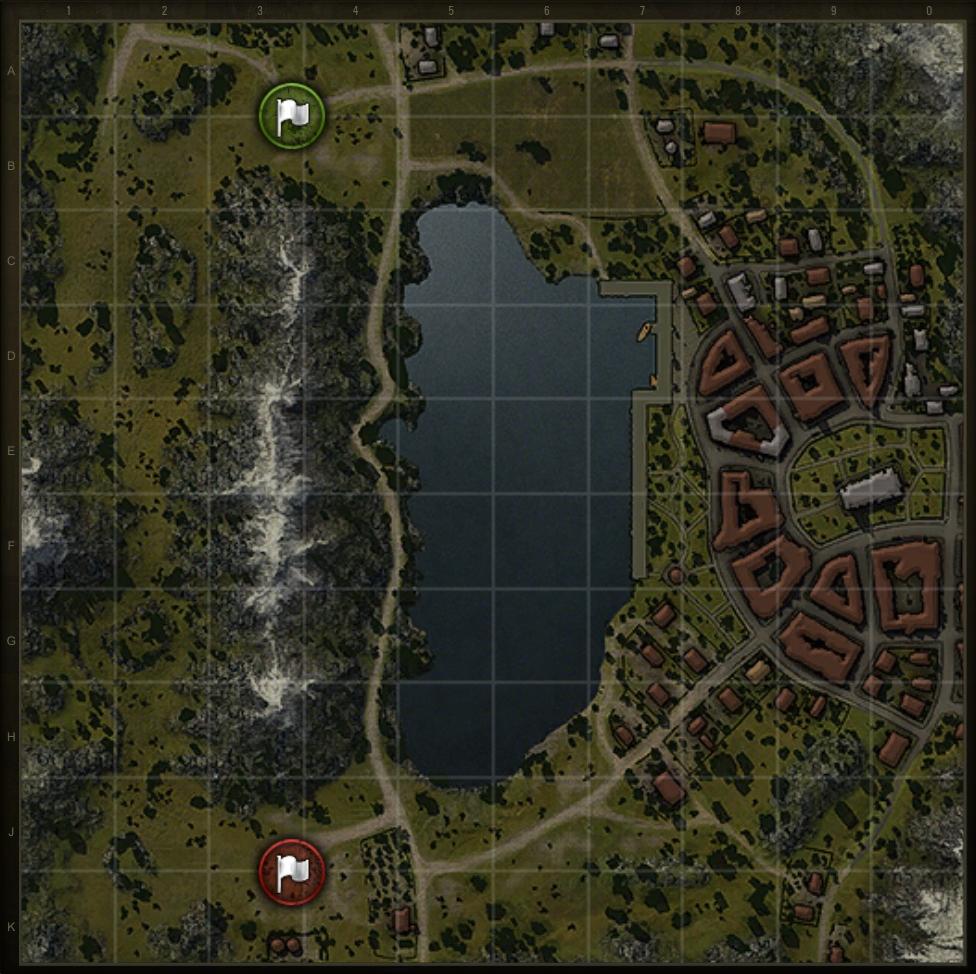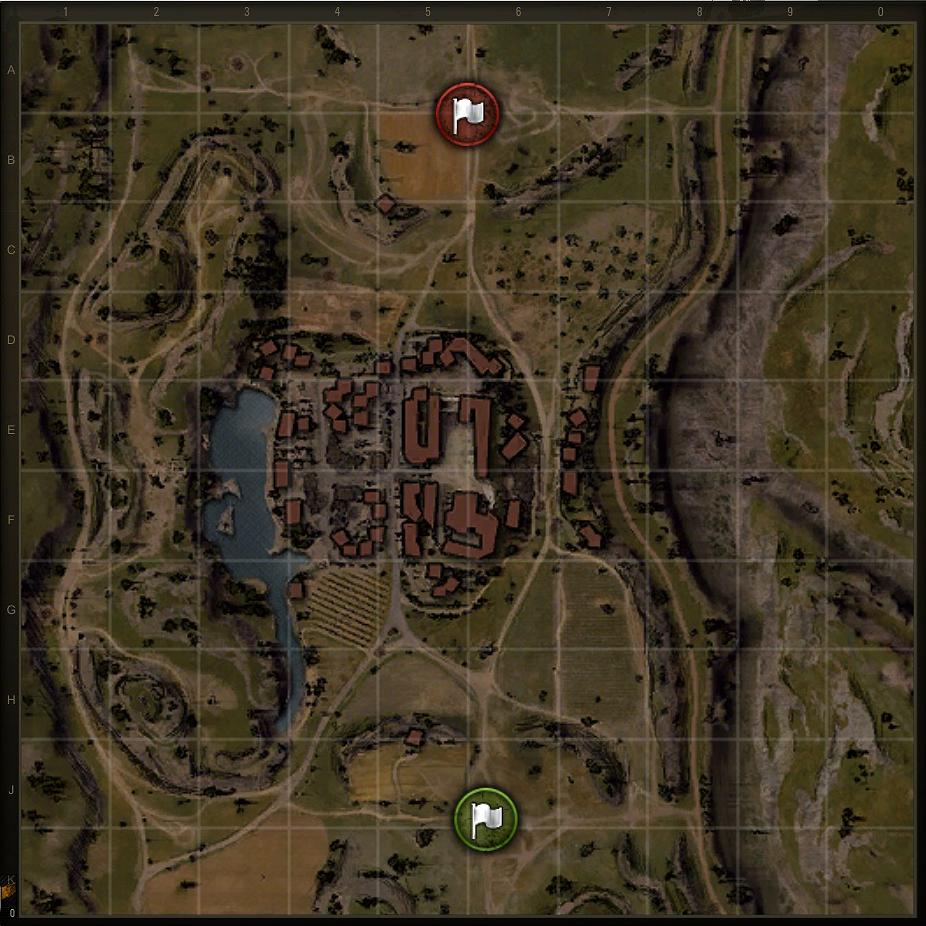
Map awareness in World of Tanks isn’t just about knowing the layout of each map; it’s about understanding how that layout influences gameplay. It involves knowing where the key chokepoints are, where tanks are likely to be positioned, and how to use terrain to your advantage. A high level of map awareness allows you to make informed decisions, anticipate threats, and ultimately contribute more effectively to your team’s success. It’s the ability to process visual and auditory information on the battlefield to create a mental picture of the current situation, predict future events, and react accordingly.
Spotting Mechanics: Understanding how spotting works is the bedrock of map awareness. Learn about view range, camouflage values, and how bushes and trees affect concealment.
Tank Positioning: Knowing where to position your tank based on its strengths and weaknesses, as well as the map layout, is vital.
Mini-Map Awareness: Constantly monitoring the mini-map for enemy locations, friendly movements, and developing situations is crucial.
Anticipation: Predicting where enemies are likely to be and what they are likely to do based on the game’s progress.
Reaction Time: Quickly reacting to changes on the battlefield and adjusting your strategy accordingly.
The spotting mechanic in World of Tanks is a complex system governed by several factors. Your tank’s view range determines how far you can ‘see.’ However, this range can be significantly impacted by terrain, bushes, and camouflage. Each tank possesses a camouflage value, which reduces the distance at which it can be spotted. Bushes and trees provide concealment bonuses, further reducing visibility. Understanding these interactions is crucial for both spotting enemies and remaining hidden yourself. Consider investing in skills and equipment that enhance view range and camouflage, such as Situational Awareness, Recon, and Camouflage Net.
Effective tank positioning is a crucial element of map awareness. Different tank types excel in different roles and require specific positioning strategies. Heavy tanks generally thrive in close-quarters combat, utilizing their armor to absorb damage and push through enemy lines. Medium tanks are more versatile, capable of flanking, providing support, and scouting. Light tanks are primarily scouts, relying on their speed and camouflage to spot enemies for their team. Tank destroyers typically operate from the rear, utilizing their powerful guns to snipe enemies from afar. Knowing the strengths and weaknesses of your tank, as well as the map layout, will allow you to choose the optimal position for maximum effectiveness.
The mini-map is your most valuable tool for maintaining map awareness. It provides a real-time overview of the battlefield, displaying the locations of both friendly and enemy tanks (when spotted). Constantly monitoring the mini-map allows you to track enemy movements, identify flanking opportunities, and anticipate threats. Pay attention to the direction tanks are facing, as this can indicate their intentions. Also, note any changes in enemy positions, as this can signal a shift in their strategy. Customize your mini-map settings to display important information, such as view ranges and last known positions.
Anticipation is a key element of map awareness that separates experienced players from beginners. By analyzing the game’s progress, observing enemy movements, and understanding the map layout, you can predict where enemies are likely to be and what they are likely to do. For example, if you see a large group of enemies pushing down one flank, you can anticipate that they may be planning to encircle your team. Similarly, if you know that a particular area of the map is a common sniping spot, you can anticipate that there may be tank destroyers lurking there. By anticipating enemy movements, you can position yourself to counter their attacks and gain a strategic advantage.
Even with excellent map awareness, slow reaction time can negate its benefits. The ability to quickly react to changes on the battlefield is crucial for survival and success. This includes quickly adjusting your position, targeting enemies, and using consumables. Improving your reaction time requires practice and concentration. Pay attention to the game’s audio cues, which can provide valuable information about enemy movements and attacks. Also, practice quick aiming and target acquisition in training rooms or low-tier battles.
How can I improve my map awareness in World of Tanks?
Improving map awareness requires a combination of knowledge, practice, and conscious effort. Start by studying the maps and identifying key positions, chokepoints, and flanking routes. Pay attention to the spotting mechanics and how camouflage affects visibility. Constantly monitor the mini-map and track enemy movements. Practice anticipating enemy actions and reacting quickly to changes on the battlefield. Watch replays of your battles to identify areas where you could have made better decisions. Finally, seek advice from experienced players and learn from their strategies.
What are some common mistakes that players make regarding map awareness?
One common mistake is neglecting the mini-map. Many players become too focused on their immediate surroundings and fail to pay attention to the overall battlefield situation. Another mistake is failing to anticipate enemy movements. Players often react to threats only after they have already been spotted, rather than proactively positioning themselves to counter potential attacks. Finally, some players underestimate the importance of spotting mechanics and fail to utilize camouflage effectively.
Are there any specific skills or equipment that can help improve map awareness?
Yes, several skills and equipment can significantly enhance map awareness. The ‘Situational Awareness’ skill increases your tank’s view range, allowing you to spot enemies from further away. The ‘Recon’ skill further boosts view range when your commander’s view port is damaged. The ‘Camouflage’ skill reduces your tank’s visibility, making it harder for enemies to spot you. Equipment such as ‘Binocular Telescope’ and ‘Coated Optics’ also increase view range. Additionally, using a ‘Camouflage Net’ can significantly improve your tank’s concealment when stationary.
How does map awareness differ between different tank classes?
Map awareness plays a different role for each tank class. Light tanks rely heavily on map awareness to scout enemy positions and provide intelligence to their team. Medium tanks use map awareness to identify flanking opportunities and exploit weaknesses in the enemy line. Heavy tanks use map awareness to position themselves effectively in close-quarters combat and lead the charge. Tank destroyers use map awareness to find optimal sniping positions and provide fire support from the rear. Self-propelled guns (artillery) rely on map awareness and allied spotting to target enemies across the map.
How important is communication in relation to map awareness?
Communication is an integral part of effective map awareness. Sharing information with your teammates about enemy positions, movements, and intentions can significantly improve your team’s overall awareness. Use the in-game chat or voice communication to call out enemy locations, warn teammates of potential threats, and coordinate attacks. Clear and concise communication can help your team make better decisions and react more effectively to the evolving battlefield situation.
Utilize Sixth Sense Effectively: The Sixth Sense perk is invaluable. Pay close attention to when it activates and immediately seek cover or reposition. It’s a warning sign that you’ve been spotted and are likely a target.
Learn Common Tank Routes: Each tank class tends to follow certain routes on each map. Predict these movements to set up ambushes or counter-attacks.
Read the Team Compositions: Understanding the enemy team’s tank composition can help you anticipate their strategy. For example, a team with many tank destroyers will likely play defensively.
Watch Replays of High-Level Players: Observing how experienced players utilize map awareness can provide valuable insights and strategies.
Adapt to Changing Circumstances: The battlefield is constantly evolving. Be prepared to adjust your strategy based on the game’s progress and enemy movements.
Mastering map awareness in World of Tanks is a continuous process. It requires dedication, practice, and a willingness to learn. By understanding the core concepts, developing your skills, and utilizing advanced strategies, you can significantly improve your gameplay and contribute more effectively to your team’s success. Remember to constantly monitor the mini-map, anticipate enemy movements, and adapt to changing circumstances. With time and effort, you will develop the map awareness necessary to dominate the battlefield and achieve victory.
In conclusion, map awareness is not merely a skill, but a comprehensive understanding of the game’s dynamics intertwined with strategic thinking. It encompasses spotting mechanics, tank positioning, mini-map utilization, anticipation, and reaction time. By mastering these elements and continuously refining your approach, you’ll elevate your World of Tanks gameplay to new heights. Embrace the challenge, study the maps, and watch your win rate soar!