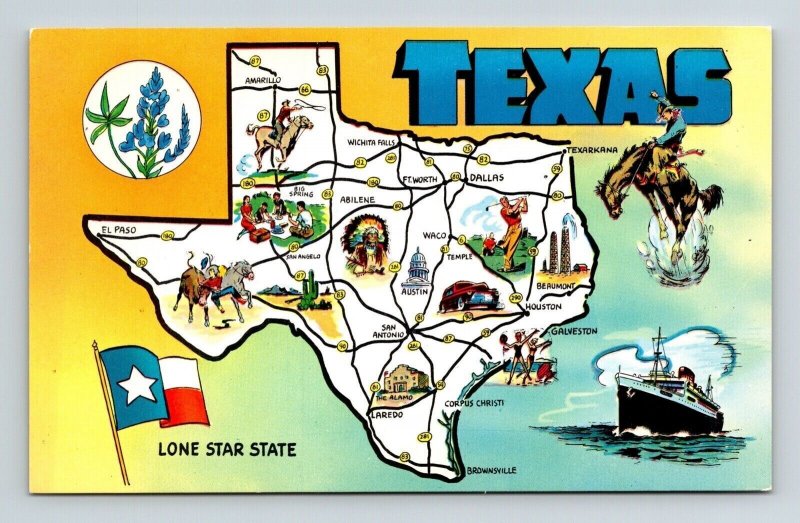
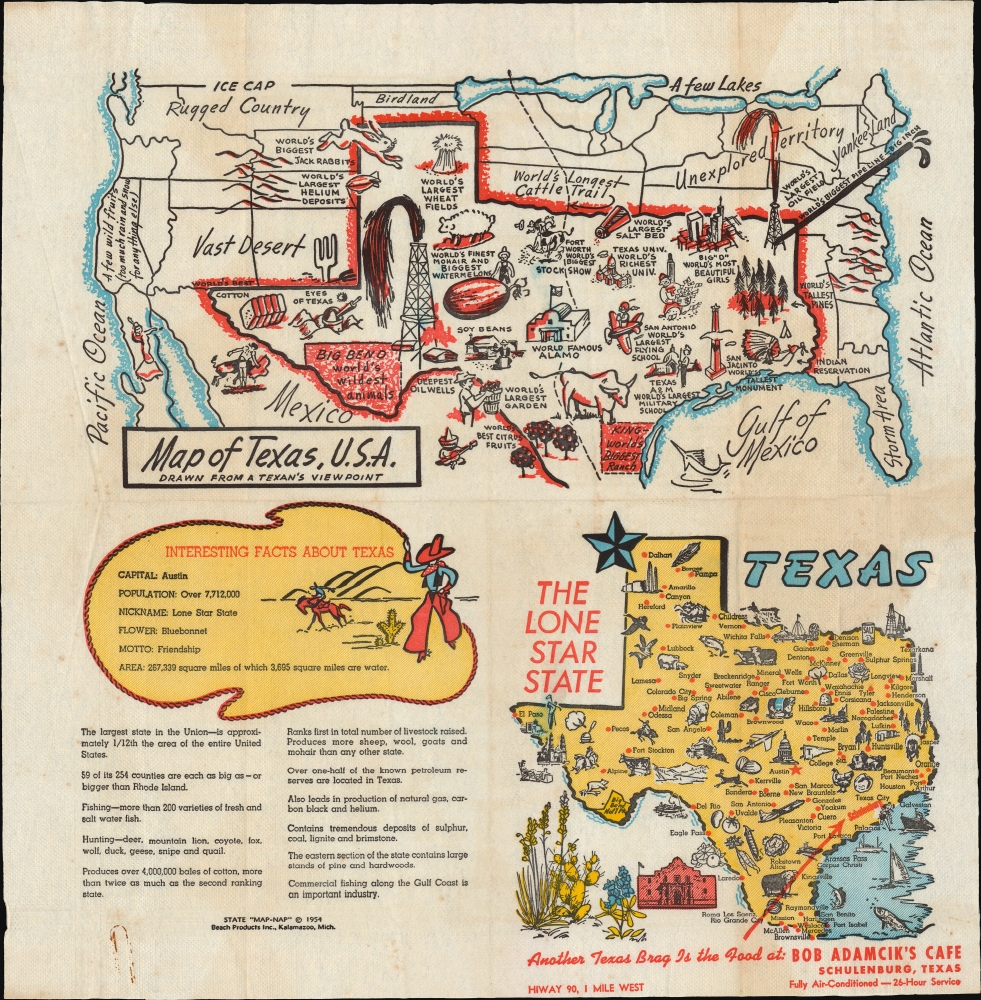
This comprehensive guide will take you on a journey across Texas, highlighting its most significant urban centers. We’ll delve into their locations, key characteristics, economic drivers, and what makes each city distinct. From the bustling Gulf Coast to the High Plains, prepare to navigate the rich tapestry of Texas’s metropolitan landscape.
The Sheer Scale of Texas: Distances and Divisions
Before diving into individual cities, it’s crucial to grasp the sheer scale of Texas. Traveling from El Paso in the west to Houston in the east is a journey of over 700 miles, comparable to driving from New York City to Chicago. This vastness means that Texas is often divided into distinct regions, each with its own climate, topography, and urban characteristics.
These regions include North Texas, Central Texas, South Texas, East Texas, West Texas, the Panhandle, and the Gulf Coast. Understanding these divisions helps contextualize the location and character of its major cities, which are often concentrated in specific areas.
The Texas Triangle: A Powerhouse of Urbanization
Many of Texas’s most prominent cities form what is colloquially known as the ‘Texas Triangle.’ This demographic and economic super-region is defined by the three largest cities: Houston, San Antonio, and Dallas-Fort Worth. Austin, while not a vertex, is centrally located within this triangle and is often considered its fourth major pillar. This area collectively accounts for the majority of the state’s population and economic activity.
Houston: The Energy Capital and International Gateway
Located in Southeast Texas, just inland from the Gulf of Mexico, Houston is the most populous city in Texas and the fourth largest in the United States. Its strategic location makes it a major international port and a gateway to global commerce.
Houston’s economy is incredibly diverse, though it’s famously known as the Energy Capital of the World, with a strong presence of oil and gas companies. Beyond energy, it boasts the world-renowned Texas Medical Center, a leading hub for healthcare and research, as well as a significant aerospace industry thanks to NASA’s Johnson Space Center.
The city is a melting pot of cultures, reflected in its vibrant culinary scene, diverse neighborhoods, and numerous museums and arts institutions. Its humid, subtropical climate and flat terrain are defining geographical features.
Dallas: The Corporate and Financial Epicenter
Moving north to the heart of North Texas, we find Dallas, the third-largest city in the state. Dallas is a powerhouse of finance, commerce, and technology, often seen as the sophisticated, corporate counterpart to Houston’s industrial might.
The city’s economy thrives on banking, insurance, telecommunications, information technology, and logistics, serving as a major inland port thanks to its extensive rail and highway networks. Dallas is also a fashion capital and boasts a prominent arts district.
Its landscape is characterized by a modern skyline, extensive freeways, and a drier, more temperate climate than Houston. Dallas is a magnet for corporate headquarters and professional services.
Fort Worth: Where the West Begins
Just west of Dallas, Fort Worth offers a distinct contrast, embodying the spirit of the ‘Old West.’ While part of the same massive Dallas-Fort Worth Metroplex, Fort Worth proudly maintains its unique identity, rooted in its cattle drive history.
Fort Worth’s economy is robust, with significant sectors in aviation and aerospace (home to Lockheed Martin), defense, and a growing energy industry. However, its cultural heart lies in its historic Stockyards National Historic District, offering visitors a glimpse into its cowboy past with daily cattle drives and rodeos.
The city also boasts a world-class cultural district, home to renowned museums like the Kimbell Art Museum and the Amon Carter Museum of American Art, making it a blend of rugged heritage and refined culture.
The Dynamic Duo: The Dallas-Fort Worth Metroplex
The Dallas-Fort Worth Metroplex, or DFW, is one of the largest metropolitan areas in the U.S., home to over 7.5 million people. Understanding this region means recognizing two distinct cities that have grown together into a single, massive economic force. While Dallas is the sleek, corporate hub, Fort Worth offers a more relaxed, Western-tinged charm. Together, they offer unparalleled opportunities in various industries.
San Antonio: A Tapestry of History and Culture
Heading south from Central Texas, San Antonio stands as the second-most populous city in Texas and a living testament to the state’s rich history. It is arguably the most historically significant city in Texas, famous for the Alamo and its Spanish colonial missions.
San Antonio’s economy is heavily driven by tourism, military installations (Joint Base San Antonio is one of the largest in the country), and healthcare. The iconic River Walk, a network of walkways along the San Antonio River, is a major draw, lined with shops, restaurants, and historical sites.
The city’s culture is deeply influenced by its Mexican heritage, offering vibrant festivals, delicious Tex-Mex cuisine, and a unique blend of American and Hispanic traditions. Its climate is generally hot and humid in summer, with mild winters.
Austin: The Live Music Capital and Tech Boomtown
Situated in Central Texas, Austin is the state capital and arguably its most unique major city. Known as the ‘Live Music Capital of the World,’ Austin has a reputation for its vibrant arts scene, progressive politics, and ‘Keep Austin Weird’ ethos.
In recent decades, Austin has also emerged as a major technology hub, earning the nickname ‘Silicon Hills’ due to the influx of tech companies and startups. The University of Texas at Austin is a major educational and research institution, fueling innovation and attracting a young, educated workforce.
The city’s economy is diverse, spanning government, education, technology, and entertainment. Its central location, outdoor recreational opportunities along the Colorado River, and bustling nightlife make it a highly desirable place to live, albeit with a rapidly rising cost of living.
El Paso: The Desert Jewel on the Border
Far to the west, nestled in the Chihuahuan Desert along the Rio Grande and bordering Mexico, lies El Paso. This city offers a distinctly different Texas experience, characterized by its stunning desert landscape and profound binational culture.
El Paso’s economy is heavily influenced by international trade and manufacturing, serving as a critical port of entry between the U.S. and Mexico. It also has a strong military presence with Fort Bliss, one of the largest U.S. Army posts.
The city’s culture is a vibrant fusion of American and Mexican traditions, with Spanish being widely spoken. Its unique geography, surrounded by mountains and desert, provides a dramatic backdrop for a city rich in history and cross-cultural exchange.
Other Significant Texas Cities and Population Centers
While the ‘Texas Triangle’ cities and El Paso are the largest, Texas is home to many other important urban centers, each contributing to the state’s diverse economic and cultural fabric.
Corpus Christi: The Sparkling City by the Sea
Located on the Gulf Coast, Corpus Christi is a significant port city known for its beautiful beaches, fishing, and diverse industries including petrochemicals, tourism, and military bases. It offers a relaxed coastal lifestyle.
Laredo: Gateway to the Americas
Further south along the Rio Grande, Laredo is the largest inland port on the U.S.-Mexico border, making it a critical hub for international trade and logistics. Its culture is deeply intertwined with its Mexican heritage.
Lubbock: Heart of the High Plains
In the vast expanse of Northwest Texas, Lubbock is an agricultural powerhouse, particularly known for cotton production. Home to Texas Tech University, it’s also a regional center for education, healthcare, and energy.
Amarillo: Panhandle Powerhouse
Situated in the Texas Panhandle, Amarillo is a major hub for the beef industry, oil and gas, and transportation along historic Route 66. It embodies the rugged spirit of West Texas.
Waco: Central Texas Crossroads
Located between Dallas and Austin on I-35, Waco has seen a resurgence, driven by Baylor University and the popular Magnolia Market at the Silos. It’s a growing city with a blend of historical charm and modern appeal.
Galveston: Historic Island City
A historic island city on the Gulf Coast near Houston, Galveston is famous for its Victorian architecture, beautiful beaches, and vibrant tourism industry. It also serves as a cruise port and a hub for medical research (UTMB).
What are the 5 largest cities in Texas by population?
As of recent estimates, the five largest cities in Texas by population are:
- Houston
- San Antonio
- Dallas
- Austin
- Fort Worth
These urban giants represent the core of Texas’s demographic and economic growth.
What are the 4 major cities in Texas?
When people refer to the ‘4 major cities,’ they are typically highlighting the primary hubs of the Texas Triangle: Houston, San Antonio, Dallas, and Austin. Fort Worth is often included to make it the ‘Big 5,’ but the core four are frequently cited.
Which city is better: Dallas or Houston?
The choice between Dallas and Houston largely depends on personal preference and career goals. Dallas is often preferred for its corporate environment, finance, and fashion industries, along with a slightly drier climate. Houston, on the other hand, excels in energy, healthcare, and international trade, offering a more diverse and humid environment closer to the coast. Both offer abundant job opportunities and cultural attractions.
The Economic Engines and Population Growth of Texas
These major cities are the primary drivers of Texas’s booming economy, contributing significantly to the state’s GDP through diverse industries. Texas consistently ranks among the fastest-growing states, with its major metropolitan areas experiencing substantial population increases year after year. This growth brings both opportunities and challenges, including infrastructure demands and evolving urban landscapes.
Understanding the map of Texas major cities is not just about locations; it’s about comprehending the interconnectedness of these economic hubs, their influence on state policy, and their role in the national and global economies. Whether for business expansion, planning a road trip, or considering a new home, a clear picture of these urban centers is invaluable.
Navigating Texas: Planning Your Journey
For travelers, knowing the layout of these cities helps in planning efficient road trips or understanding flight connections. For businesses, it informs market entry strategies and logistics. For individuals considering relocation, it provides context for job markets, cost of living, and lifestyle choices.
From the sprawling DFW Metroplex to the historic charm of San Antonio, the progressive vibe of Austin, the industrial might of Houston, and the unique border culture of El Paso, Texas offers a spectrum of urban experiences. Each city contributes its own flavor to the rich tapestry of the Lone Star State.
Conclusion: A Diverse and Dynamic Urban Landscape
The map of Texas major cities reveals a state characterized by incredible urban diversity and dynamic growth. From the global reach of Houston and Dallas to the historic depths of San Antonio and the innovative spirit of Austin, these cities are much more than dots on a map; they are vibrant centers of commerce, culture, and community.
Whether you’re an entrepreneur seeking new markets, a tourist planning an adventure, or considering a new place to call home, a deep understanding of Texas’s major cities is your key to unlocking the vast opportunities and rich experiences that the Lone Star State has to offer. Texas is truly a land of opportunity, and its cities are at the heart of its enduring appeal.