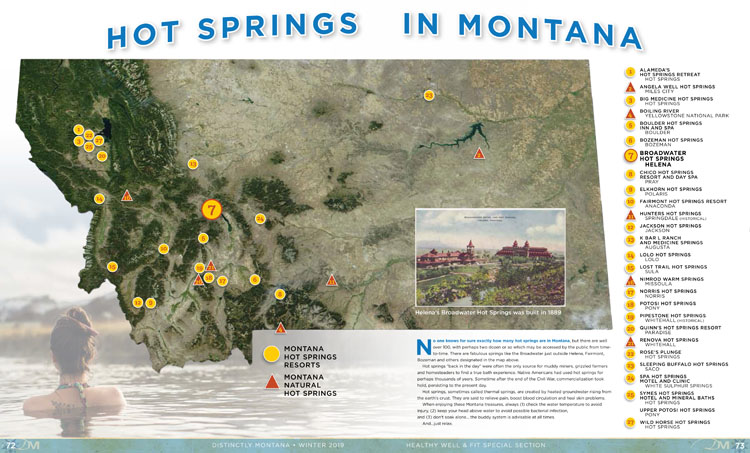
Navigating Montana’s vast terrain can be an adventure in itself. While some hot springs are easily accessible resorts with full-service amenities, others are more secluded, requiring a bit more effort to find. Our comprehensive map aims to demystify these locations, categorizing them by accessibility and type, so you can tailor your search to your desired experience. Whether you’re seeking a family-friendly day trip or a remote wilderness soak, Montana has a hot spring for you.
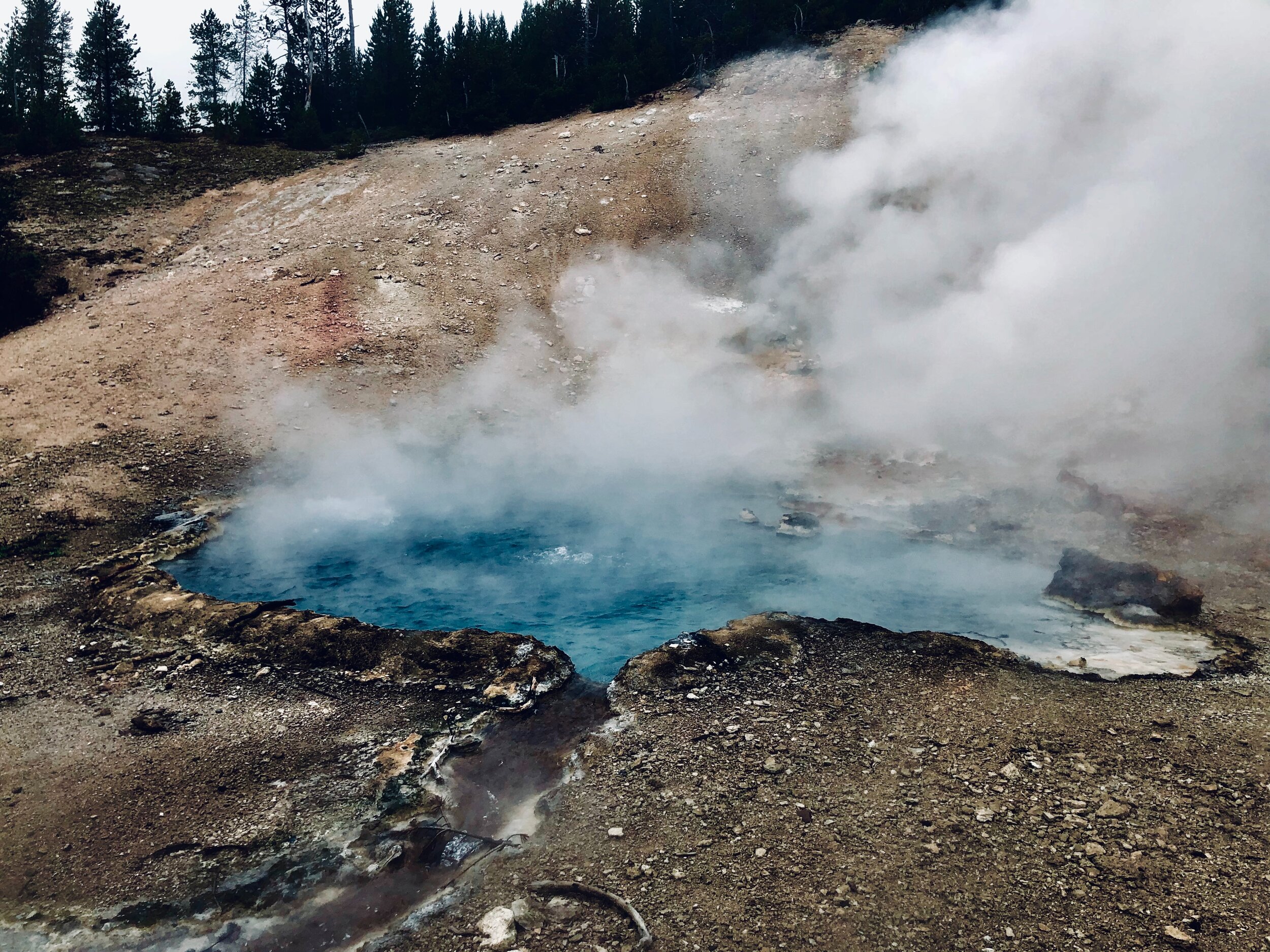
Understanding what makes a hot spring ‘hot’ is key to appreciating these natural wonders. Deep within the Earth’s crust, geothermal activity heats groundwater. This heated water then rises to the surface through natural fissures and faults, often carrying dissolved minerals that are believed to have therapeutic properties. The temperature and mineral content vary significantly from one spring to another, contributing to their unique characteristics.
The benefits of soaking in natural hot springs are widely recognized, both historically and scientifically. The warm, mineral-laden water can help to:
- Soothe tired muscles and joints
- Improve circulation
- Promote relaxation and reduce stress
- Alleviate symptoms of certain skin conditions
- Detoxify the body
When planning your hot springs adventure, it’s essential to consider the best time to visit. Montana experiences distinct seasons, each offering a different ambiance. Summer provides warm weather perfect for enjoying the outdoor pools, while winter offers a magical contrast between the icy air and the steaming water. Spring and fall can be ideal for fewer crowds and milder temperatures, though accessibility to some more remote locations might be affected by weather.
Let’s dive into the map! We’ll start with some of the most popular and accessible hot springs, perfect for those new to Montana’s geothermal scene.
Chico Hot Springs Resort & Spa, located near Pray, is a historic gem nestled in the Paradise Valley. This resort offers a classic Montana experience with its rustic charm and stunning Absaroka Mountain views. It features two large outdoor pools, one naturally heated and the other a cooler swimming pool. Chico also boasts a full-service spa, lodging, and dining, making it an excellent destination for a complete getaway.
Another well-known destination is Bozeman Hot Springs. Situated just west of Bozeman, this facility has been a popular spot for locals and tourists for decades. It offers a variety of pools with different temperatures, including indoor and outdoor options. They also provide water slides and other family-friendly activities, making it a great choice for families with children.
Further south, near Livingston, you’ll find the Yellowstone Hot Springs (formerly LaDuke Hot Springs). This location offers a more natural and serene experience compared to some of the larger resorts. With multiple pools overlooking the Yellowstone River, it’s a peaceful place to soak and enjoy the surrounding scenery. They offer day passes and lodging options.
For those seeking a more rustic and primitive experience, Montana offers several undeveloped or minimally developed hot springs. These often require a bit more planning and a sense of adventure.
Jerry Johnson Hot Springs, located in the Lolo National Forest, is a beloved, undeveloped hot spring. Accessible via a short, scenic hike, these springs feature several small pools of varying temperatures, often with natural rock formations creating intimate soaking spots. The setting is truly pristine, surrounded by lush forest and the sounds of the nearby creek. Remember to pack out everything you pack in to preserve its natural beauty.
The Pioneer Hot Springs near Philipsburg offer a more natural setting with developed pools. While there are facilities like changing rooms and restrooms, the springs themselves retain a wild feel. The water is known for its high mineral content, and the surrounding landscape is picturesque, making it a worthwhile stop for those exploring the Pintler Scenic Route.
Big Medicine Hot Springs, located on the Flathead Indian Reservation, is another option that offers a blend of natural beauty and developed amenities. It features several pools with different temperature settings, providing a comfortable soaking experience. The scenic views of the surrounding reservation land add to its appeal.
When exploring undeveloped hot springs, safety and preparedness are paramount. Always check trail conditions, especially during shoulder seasons. Inform someone of your plans and expected return time. Carry plenty of water, snacks, and a first-aid kit.
The mineral content of hot springs can vary greatly, and this is part of what makes each spring unique. Common minerals found in Montana hot springs include sulfur, calcium, magnesium, and silica. These minerals are often credited with their therapeutic effects. For instance, sulfur is thought to be beneficial for skin conditions and joint pain, while silica is known for its skin-softening properties.
Respecting the environment is crucial, especially at undeveloped springs. Adhere to ‘Leave No Trace’ principles. This means packing out all trash, staying on designated trails, and avoiding the use of soaps or shampoos that can pollute the water. Many of these natural areas are fragile ecosystems.
While Montana boasts numerous hot springs, some are more well-known and easier to access than others. This map focuses on providing a diverse range of options, from full-service resorts to rustic, natural pools. Each has its own charm and appeal, catering to different preferences.
The accessibility of Montana’s hot springs varies. Some, like Bozeman Hot Springs, are easily reachable from major highways and offer ample parking and amenities. Others, like Jerry Johnson Hot Springs, require hiking or driving on unpaved roads, adding an element of adventure to the visit.
Consider the amenities available at each location. Full-service resorts often provide lodging, dining, spa services, and family activities. More primitive springs may offer only basic facilities like pit toilets or no facilities at all. Your choice will depend on your desired level of comfort and convenience.
When using a Montana hot springs map, pay attention to the type of spring. Some are natural pools, while others have been developed with concrete or tiled tubs. Some may even be part of a larger resort complex with multiple pools.
For those who love to combine their hot springs experience with other outdoor activities, Montana offers plenty of options. Many hot springs are located near hiking trails, fishing spots, or scenic drives. For example, Chico Hot Springs is in the heart of Paradise Valley, offering access to hiking in the Absaroka-Beartooth Wilderness and exploring the nearby Yellowstone National Park.
Planning a trip around Montana’s hot springs can be an incredibly rewarding experience. Whether you’re looking to unwind after a day of skiing, hiking, or exploring, or simply seeking a unique way to experience Montana’s natural beauty, these geothermal waters offer a perfect sanctuary.
Remember to check the operating hours and any reservation requirements before your visit, especially for the more developed resorts. Conditions at natural springs can also change, so it’s always wise to check recent visitor reports if possible.
The ‘People Also Ask’ section often highlights common user queries. For instance, ‘Are Montana hot springs free?’ While some undeveloped springs are free to access, most developed springs and resorts charge an entrance fee. ‘What are the best hot springs near Yellowstone?’ Several options, like Chico and Yellowstone Hot Springs, are relatively close to the park’s north or west entrances.
Another common question is ‘What are the health benefits of hot springs?’ As mentioned earlier, benefits range from muscle relaxation and stress reduction to potential improvements in circulation and skin health, largely attributed to the warm water and dissolved minerals.
Finally, ‘What should I bring to a hot springs visit?’ Essentials include swimwear, a towel, water shoes, a change of clothes, plenty of water to stay hydrated, and sunscreen if you’ll be outdoors for extended periods. For undeveloped springs, consider a waterproof bag for your belongings.
In conclusion, Montana’s hot springs offer a diverse and enchanting way to experience the state’s natural wonders. From luxurious resorts to secluded wilderness pools, each offers a unique opportunity for relaxation and rejuvenation. Consulting a detailed Montana hot springs map, understanding the amenities, considering the best time to visit, and respecting the natural environment will ensure your geothermal adventure is both enjoyable and memorable. Embrace the warmth, soak in the minerals, and let the healing waters of Montana work their magic.