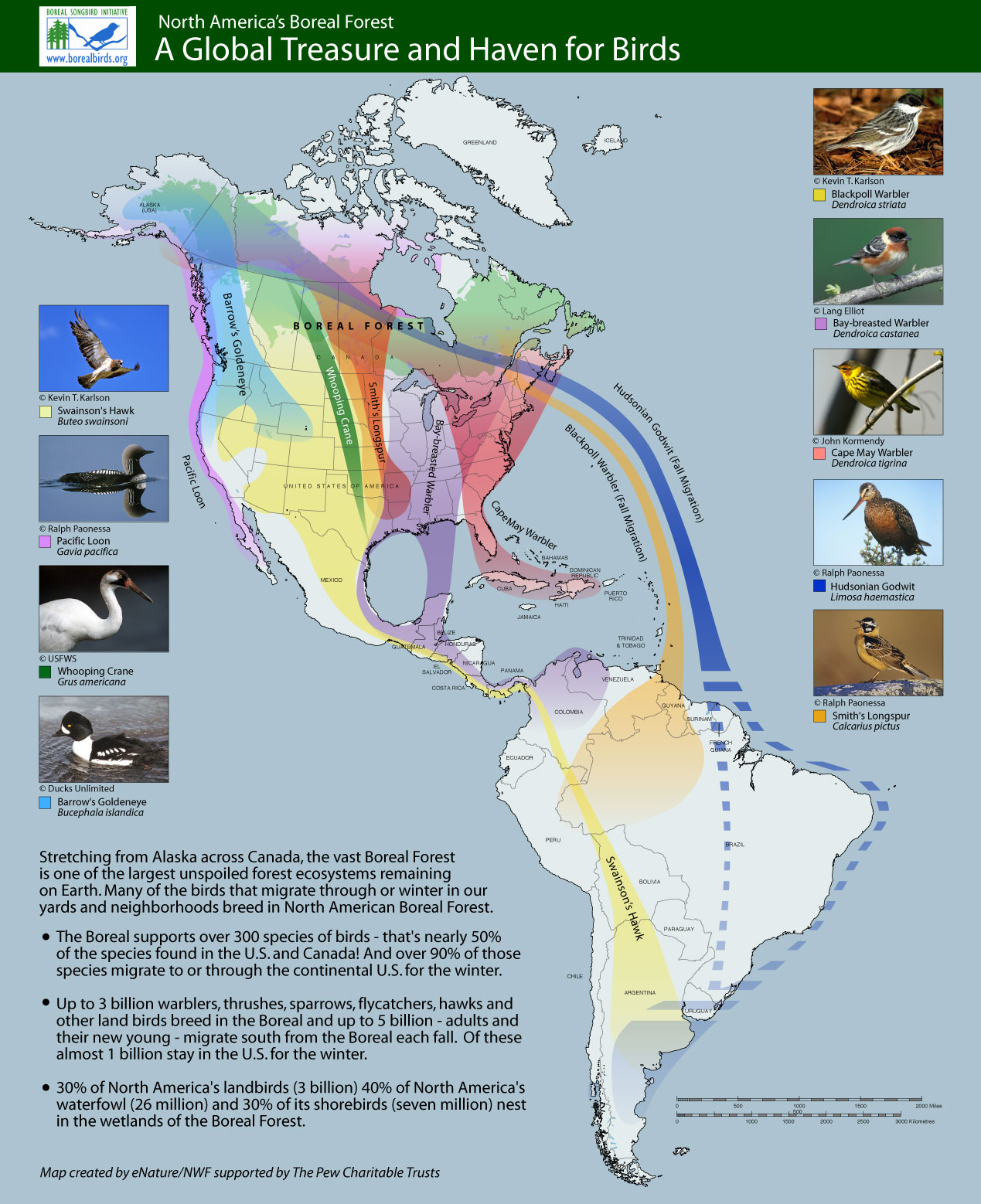
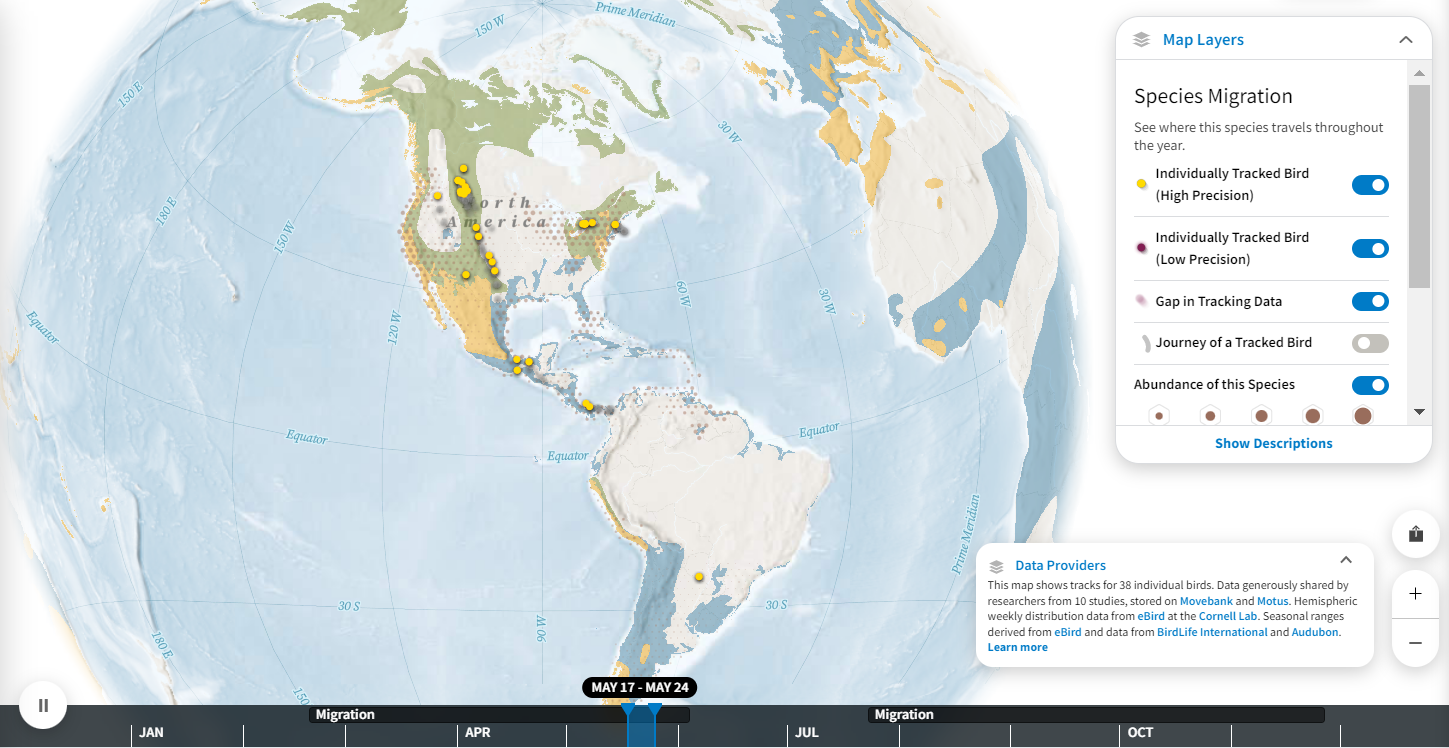
Why Study Migratory Bird Maps?
- Understand Migration Routes: Identify the specific paths birds take during their seasonal journeys.
- Identify Key Stopover Sites: Locate critical areas where birds rest and refuel along their migration routes.
- Assess Habitat Connectivity: Determine how different habitats are connected and how birds rely on these connections.
- Monitor Population Trends: Track changes in migration patterns and population sizes over time.
- Inform Conservation Strategies: Develop effective conservation plans based on data about migration routes and habitat use.
How to Read and Interpret Migratory Bird Maps
- Colors: Different colors may indicate different species, populations, or time periods. For example, blue might represent the migration route of the American Robin, while green shows the route of the Barn Swallow.
- Lines: Lines typically represent migration routes, with thicker lines indicating higher concentrations of birds. Dashed lines might indicate less frequently used routes or areas where migration patterns are less well-defined.
- Symbols: Symbols can represent important locations such as breeding grounds, wintering grounds, and stopover sites. Different symbols may be used to indicate the size or importance of these locations.
- Arrows: Arrows show the direction of migration, indicating whether birds are moving north towards breeding grounds or south towards wintering grounds.
Understanding Range Maps vs. Migratory Maps
It’s important to distinguish between range maps and migratory bird maps. Range maps show the geographic area where a bird species can be found at any time of year. Migratory bird maps, on the other hand, specifically illustrate the seasonal movements of birds between their breeding and wintering grounds. Range maps are static, showing where a bird can be, while migratory maps are dynamic, showing where a bird will be at different times of the year.
Key Resources for Migratory Bird Maps
- eBird: A citizen science project from the Cornell Lab of Ornithology that allows users to report bird sightings and access real-time maps of bird distribution.
- Audubon Society: Offers a variety of resources on bird migration, including maps, articles, and conservation information.
- BirdLife International: A global partnership of conservation organizations that provides data on bird populations and habitats worldwide.
- US Fish and Wildlife Service: Provides information on migratory bird conservation efforts and regulations in the United States.
Using eBird to Track Bird Migration
- Visit the eBird Website: Go to ebird.org.
- Explore Species Maps: Search for a specific bird species and view a map of recent sightings.
- Analyze Migration Data: Use eBird’s tools to analyze migration patterns and identify peak migration periods.
- Contribute Your Sightings: Report your bird sightings to help improve the accuracy of eBird’s data.
The Importance of Stopover Sites
Stopover sites are critical for migratory birds, providing them with essential resources for rest and refueling. These sites are often located in areas with abundant food and water, such as wetlands, forests, and coastal habitats. Protecting stopover sites is crucial for ensuring the survival of migratory birds. Loss or degradation of these sites can have a significant impact on bird populations.
Threats to Stopover Sites
- Habitat Loss: Development, agriculture, and deforestation can destroy or degrade stopover sites.
- Pollution: Contamination of water and soil can reduce the availability of food and water for birds.
- Climate Change: Changes in temperature and precipitation patterns can alter the timing and availability of resources at stopover sites.
- Disturbance: Human activities, such as recreation and construction, can disrupt birds’ ability to rest and feed.
Conservation Efforts and Migratory Bird Maps
- Identify Priority Conservation Areas: Locate areas that are critical for migratory birds and prioritize them for protection.
- Develop Habitat Management Plans: Create plans to manage and restore habitats to benefit migratory birds.
- Assess the Impacts of Development Projects: Evaluate the potential impacts of development projects on migratory bird populations and habitats.
- Monitor the Effectiveness of Conservation Actions: Track changes in bird populations and migration patterns to assess the effectiveness of conservation efforts.
Citizen Science and Bird Conservation
Citizen science projects, such as eBird, empower individuals to contribute to bird conservation efforts by collecting and sharing data on bird sightings. This data can be used to create and update migratory bird maps, providing valuable information for researchers and conservationists.
Understanding Flyways: The Highways of the Sky
- Atlantic Flyway: Follows the Atlantic coast from Canada to Florida.
- Mississippi Flyway: Follows the Mississippi River from Canada to the Gulf of Mexico.
- Central Flyway: Runs through the Great Plains from Canada to Texas.
- Pacific Flyway: Follows the Pacific coast from Alaska to Mexico.
Understanding flyways is essential for understanding the large-scale patterns of bird migration. By studying flyways, we can identify important areas for bird conservation and develop strategies to protect these areas.
Challenges Faced by Migratory Birds
- Habitat Loss: Loss of breeding, wintering, and stopover habitats due to development, agriculture, and deforestation.
- Climate Change: Changes in temperature and precipitation patterns can disrupt migration timing and alter the availability of food and water.
- Collisions: Collisions with buildings, power lines, and wind turbines.
- Predation: Increased predation by domestic cats and other predators.
- Pollution: Exposure to pesticides and other pollutants.
How You Can Help Migratory Birds
- Plant Native Plants: Native plants provide food and shelter for birds.
- Reduce Pesticide Use: Pesticides can harm birds and their food sources.
- Keep Cats Indoors: Cats are a major predator of birds.
- Reduce Light Pollution: Light pollution can disorient migratory birds.
- Support Bird Conservation Organizations: Donate to or volunteer with organizations that are working to protect birds and their habitats.
- Report Bird Sightings: Contribute your bird sightings to citizen science projects like eBird.
Creating Bird-Friendly Habitats in Your Backyard
- Plant a Variety of Native Plants: Choose plants that provide food and shelter for different bird species.
- Provide a Source of Water: Offer a bird bath or a shallow dish of water.
- Put Up Birdhouses: Provide nesting sites for birds that nest in cavities.
- Leave Leaf Litter: Leaf litter provides habitat for insects that birds eat.
- Avoid Using Pesticides: Pesticides can harm birds and their food sources.
The Future of Migratory Bird Maps
- More Detailed Maps: Increased use of GPS tracking and other technologies will allow for the creation of more detailed and accurate migratory bird maps.
- Real-Time Migration Tracking: Advances in technology will make it possible to track bird migration in real time.
- Improved Conservation Planning: Migratory bird maps will be used to develop more effective conservation plans.
Technological Advancements in Bird Tracking
Technological advancements are revolutionizing the way we study bird migration. GPS tracking, satellite telemetry, and geolocators are providing researchers with unprecedented insights into bird movements. These technologies allow us to track birds over long distances and for extended periods of time, providing valuable data on migration routes, stopover sites, and habitat use.
Conclusion
Migratory bird maps are essential tools for understanding and protecting these incredible creatures. By studying these maps, we can learn about migration routes, identify key stopover sites, and develop effective conservation strategies. Whether you’re a seasoned birder or just starting to explore the world of avian migration, migratory bird maps offer a fascinating glimpse into the lives of these remarkable travelers. By understanding the challenges they face and taking steps to help them, we can ensure that migratory birds continue to grace our skies for generations to come.
- Migratory bird maps are dynamic tools.
- Citizen science plays a crucial role in data collection.
- Conservation efforts rely heavily on the insights gained from these maps.