For anyone involved with or interested in the Helium Network – whether you’re a current hotspot owner, a prospective miner, or simply curious about this groundbreaking technology – the Helium Hotspots Map is an indispensable tool. It’s more than just a visual representation; it’s a dynamic, real-time portal into the health, coverage, and earning potential of the entire network.
This comprehensive guide will delve deep into the Helium Hotspots Map, explaining its functionalities, how to interpret its data, and how to leverage it for strategic hotspot deployment and maximum HNT rewards. We’ll cover everything from basic navigation to advanced placement strategies and address common questions that arise when interacting with this powerful resource.
Understanding the Helium Network and Hotspots
Before diving into the map itself, it’s essential to grasp the fundamentals. The Helium Network is a decentralized, open-source wireless network built on blockchain technology. It aims to provide low-power, wide-area connectivity (LoRaWAN) for Internet of Things (IoT) devices, such as smart pet trackers, environmental sensors, and asset monitors.
Helium hotspots are the backbone of this network. These small, low-power devices act as both wireless gateways and blockchain miners. They transmit data from nearby IoT devices to the internet and, in return, earn HNT, the native cryptocurrency of the Helium blockchain, through a process called Proof-of-Coverage (PoC).
The Indispensable Role of the Helium Hotspot Map
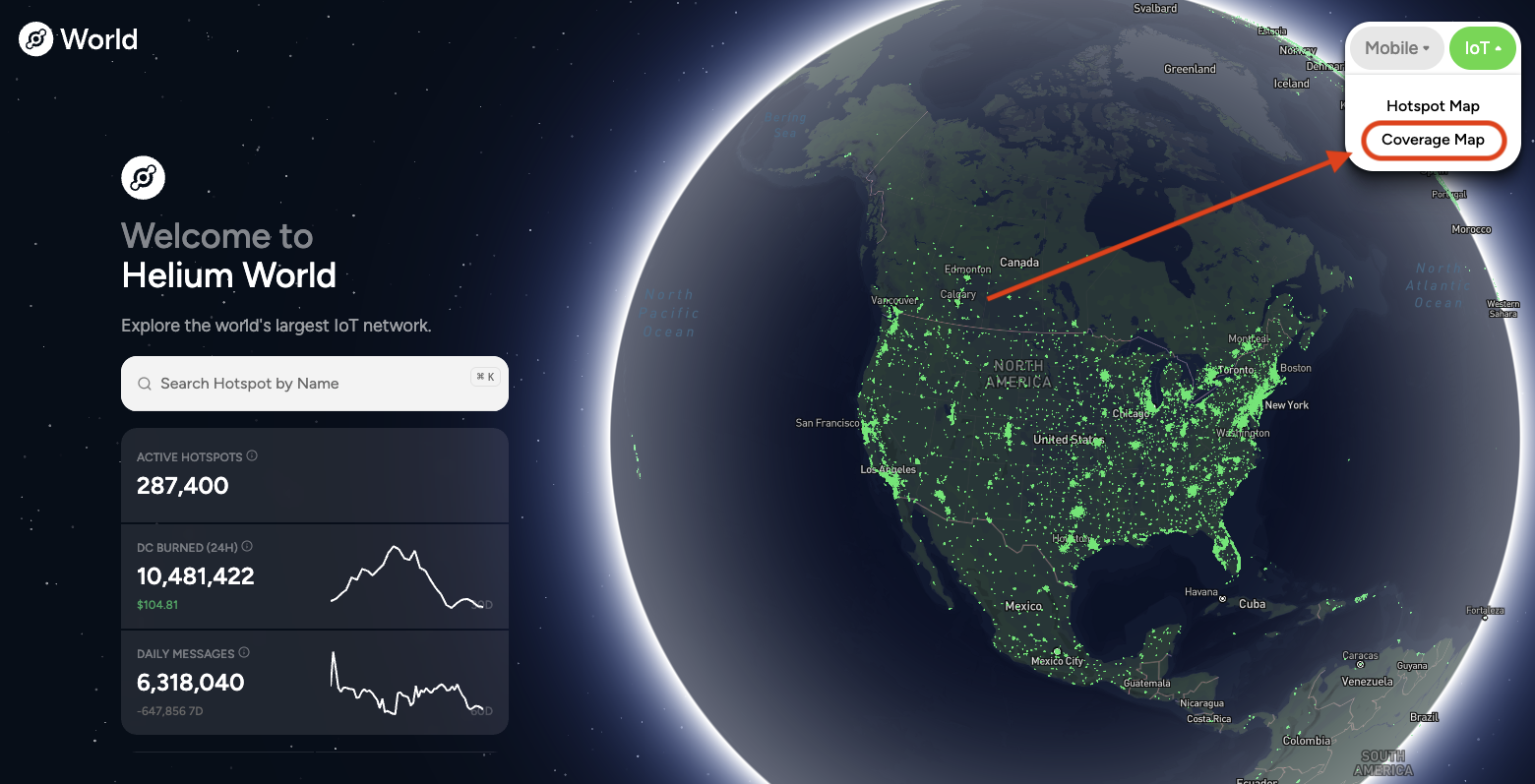
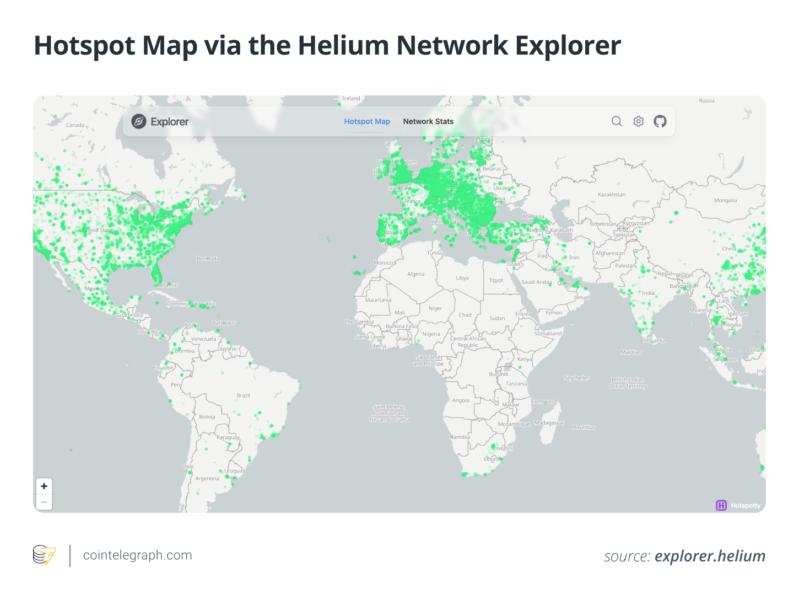
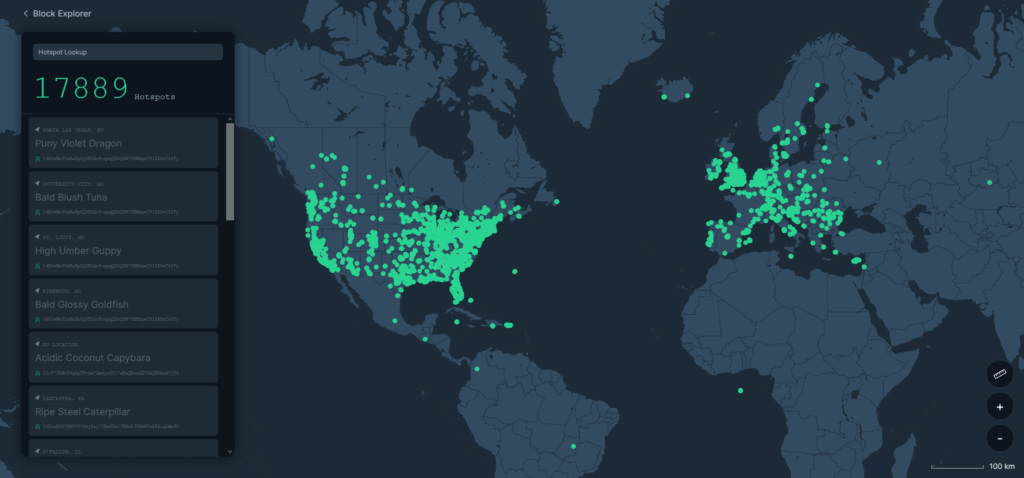
The Helium Hotspot Map, primarily accessible through the official Helium Explorer, is the central hub for visualizing and analyzing the network. It provides a real-time, interactive display of every active Helium hotspot around the globe, offering crucial insights for various stakeholders.
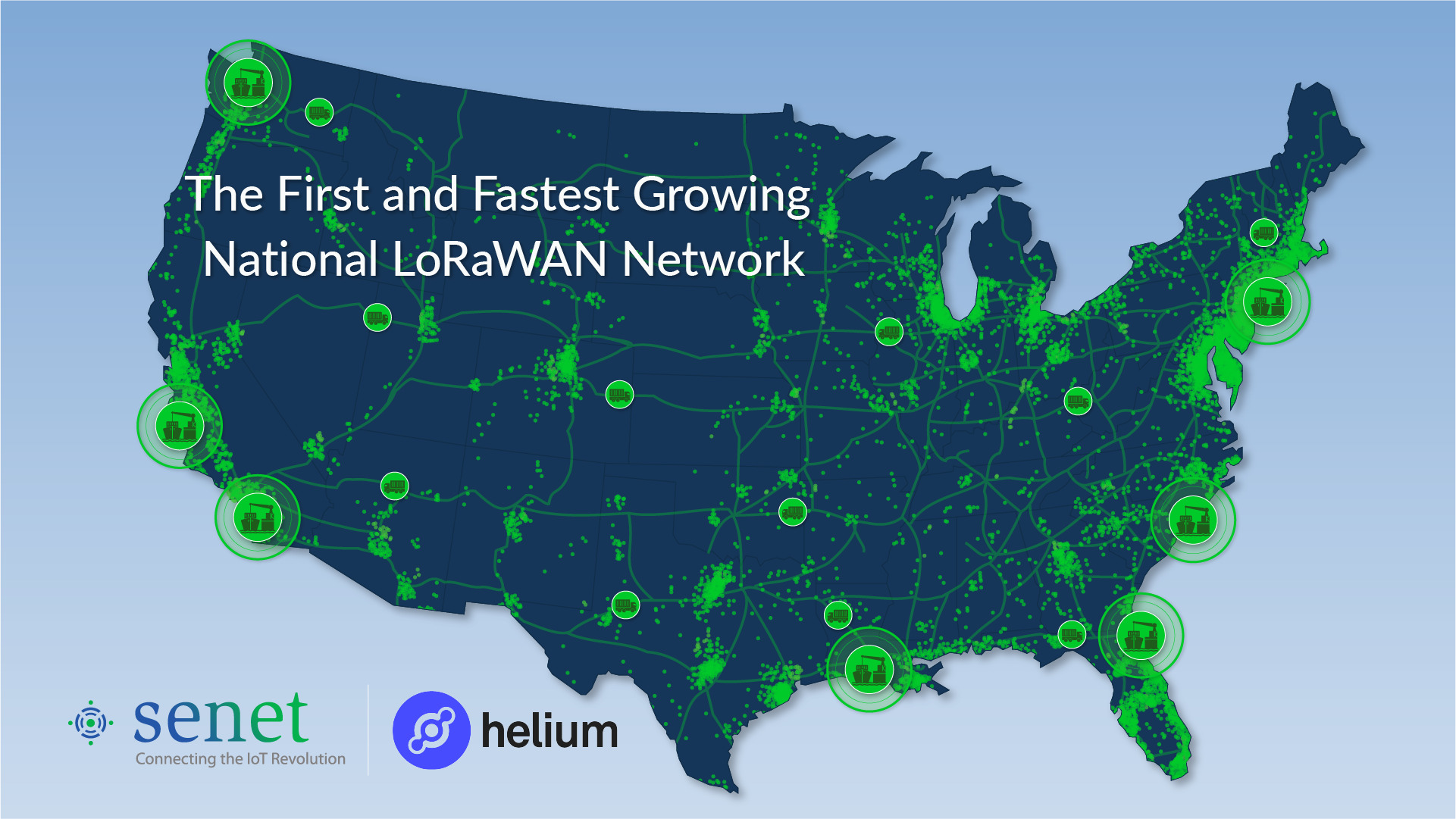
Visualizing Network Coverage: One of its primary functions is to show where Helium network coverage currently exists. This is vital for IoT device users who need to confirm connectivity in specific areas.
Identifying Earning Opportunities: For hotspot owners and prospective miners, the map is a strategic asset. It helps in identifying areas with low hotspot density but high potential for earning HNT, as well as regions that are becoming saturated.
Strategic Deployment Planning: By analyzing existing hotspot locations, density, and performance metrics, users can make informed decisions about where to deploy new hotspots for optimal network expansion and personal mining rewards.
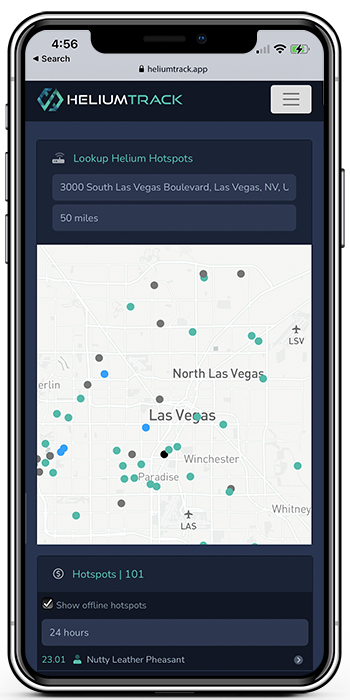
Network Health and Troubleshooting: The map allows users to check the status of individual hotspots, observe their activity, and identify potential issues like offline devices or poor connectivity within a specific region.
Navigating the Official Helium Explorer Map
Accessing the map is straightforward. Simply visit the Helium Explorer website. You’ll be greeted with a global view, often centered on your current location or a densely populated area. The map uses a color-coding system to represent various aspects of the network.
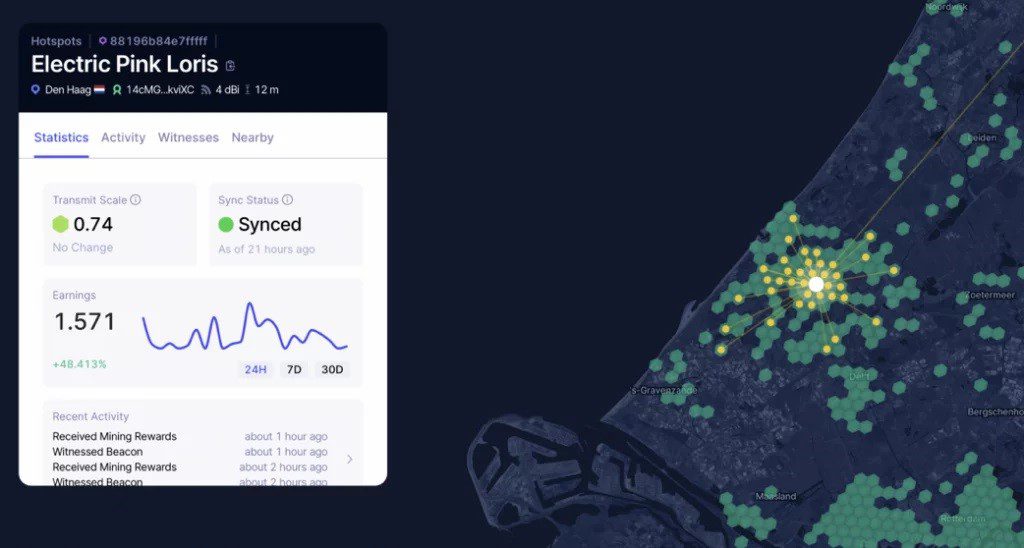
Users can zoom in and out, drag the map to explore different regions, and use the search bar to find specific hotspot names, addresses, or even wallet addresses. Each hotspot is represented by an icon, typically a hexagon or a dot, which changes color based on its status or activity.
Key Metrics and Data Points on the Map
- Hotspot Status: Indicated by color (e.g., green for online, red for offline, grey for inactive). This tells you if the hotspot is actively participating in the network.
- Reward Scale (Transmit Scale): This is a crucial metric, often displayed as a percentage (e.g., 1.00 or 0.50). It reflects the density of hotspots in a given area and directly impacts how much HNT a hotspot can earn. A lower scale means more hotspots are in close proximity, potentially reducing individual earnings.
- Witnesses: The number of other hotspots that a particular hotspot has ‘witnessed’ (heard) Proof-of-Coverage challenges from. More witnesses generally indicate better connectivity and earning potential.
- Activity/Earnings: Historical data on HNT earnings over various periods (24 hours, 7 days, 30 days) and a log of recent Proof-of-Coverage activities.
- Location: The precise (or approximate) geographical coordinates and often a human-readable address.
- Antenna Details: Sometimes, users will manually update their antenna gain (dBi) and height, which can influence performance.
Strategic Hotspot Placement: Leveraging Map Data
The Helium Hotspots Map is your best friend when it comes to deciding where to deploy a new hotspot or optimize an existing one. Effective placement is the single most important factor for maximizing HNT earnings.
Density vs. Spacing: The ideal scenario is to be in an area with some existing hotspots (to enable witnessing) but not so many that your reward scale is significantly diluted. The map helps you visualize this balance. Look for ‘green areas’ (good coverage) with a reasonable distance between hotspots.
Identifying Gaps: Use the map to find areas with limited or no Helium coverage, especially in populated regions. Deploying a hotspot in such a ‘gap’ can significantly contribute to network expansion and often results in higher earnings due to a high reward scale and many potential witnesses.
Avoiding Overlap (Hex Density): Helium uses a hexagonal grid system to manage network density. If too many hotspots are deployed within the same hex or adjacent hexes, their reward scale will decrease, impacting earnings for all involved. The map clearly shows these hexes.
Line of Sight: While the map provides a digital representation, remember that real-world obstacles like buildings, hills, and dense foliage can obstruct radio signals. Use the map to identify promising areas, then scout the physical location for optimal antenna placement, ideally with a clear line of sight.
Common Questions About the Helium Hotspots Map (People Also Ask)
How accurate is the Helium map? The map is generally very accurate for displaying registered and active hotspots. Location data is submitted by hotspot owners, and while some may use approximate locations for privacy, the network’s Proof-of-Coverage system verifies the general area. Real-time status updates are usually reliable.
Why is my hotspot not showing on the map? If your hotspot isn’t appearing, check its internet connection, power supply, and ensure it’s fully onboarded to the Helium network. Sometimes there can be a slight delay for new hotspots to appear after registration. Verify your wallet address in the explorer.
What is a good reward scale? A reward scale of 1.00 is ideal, meaning there’s no density-based reduction in your earnings potential. Anything above 0.70 is generally considered good, but even lower scales can be profitable depending on the number of witnesses and data transfer activity.
How many hotspots can be in one hex? Typically, only one hotspot is recommended per resolution 8 hex for optimal reward scale. If multiple hotspots are placed in the same hex or very close adjacent hexes, they will ‘share’ the transmit scale, reducing the individual scale for each device.
Can I move my Helium hotspot? Yes, you can move your Helium hotspot. However, you must update its location on the blockchain (via the Helium Wallet app) to ensure accurate Proof-of-Coverage challenges and maintain your reward scale. This usually incurs a small HNT transaction fee.
What does ‘Needs Attention’ mean on the map? This status usually indicates that a hotspot is online but not participating in Proof-of-Coverage activities or witnessing. It could be due to issues with port forwarding, internet connectivity, antenna setup, or firmware problems. It’s a signal to troubleshoot your device.
The Future of the Helium Network and Its Map
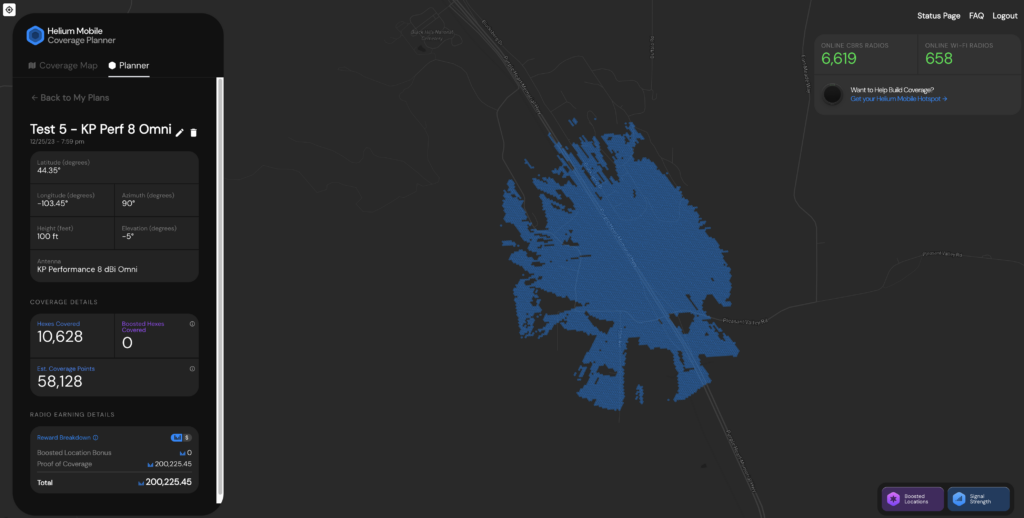
The Helium Network is continuously evolving. With the introduction of Helium 5G and mobile hotspots, the map will also adapt to display these new types of coverage and devices. This expansion promises even greater utility and complexity, making the map an even more critical tool for understanding the network’s reach.
As the network grows, the map will become an increasingly sophisticated resource for urban planners, IoT developers, and anyone interested in the future of decentralized connectivity. Its ability to visualize real-world infrastructure built by ‘the people’ is truly revolutionary.
Conclusion: Your Gateway to the People’s Network
The Helium Hotspots Map is far more than a simple visual aid; it is the heartbeat of The People’s Network. It offers unparalleled transparency into network coverage, performance, and the intricate dynamics of HNT mining.
Whether you are planning your first hotspot deployment, optimizing an existing setup, or simply exploring the vast potential of decentralized wireless, mastering the Helium Hotspots Map is your key to success. Utilize its rich data, understand its metrics, and strategically contribute to building a truly global, open-source wireless infrastructure.
By leveraging this powerful tool, you’re not just observing the network; you’re actively participating in its growth and shaping the future of connectivity.