Whether you’re a seasoned thru-hiker or a beginner looking for a weekend adventure, the Georgia AT has something to offer. This article will explore the trail’s highlights, access points, necessary permits, shelter locations, potential hazards, and crucial preparation tips. Let’s delve into the details of hiking the Appalachian Trail in Georgia.
Overview of the Appalachian Trail in Georgia
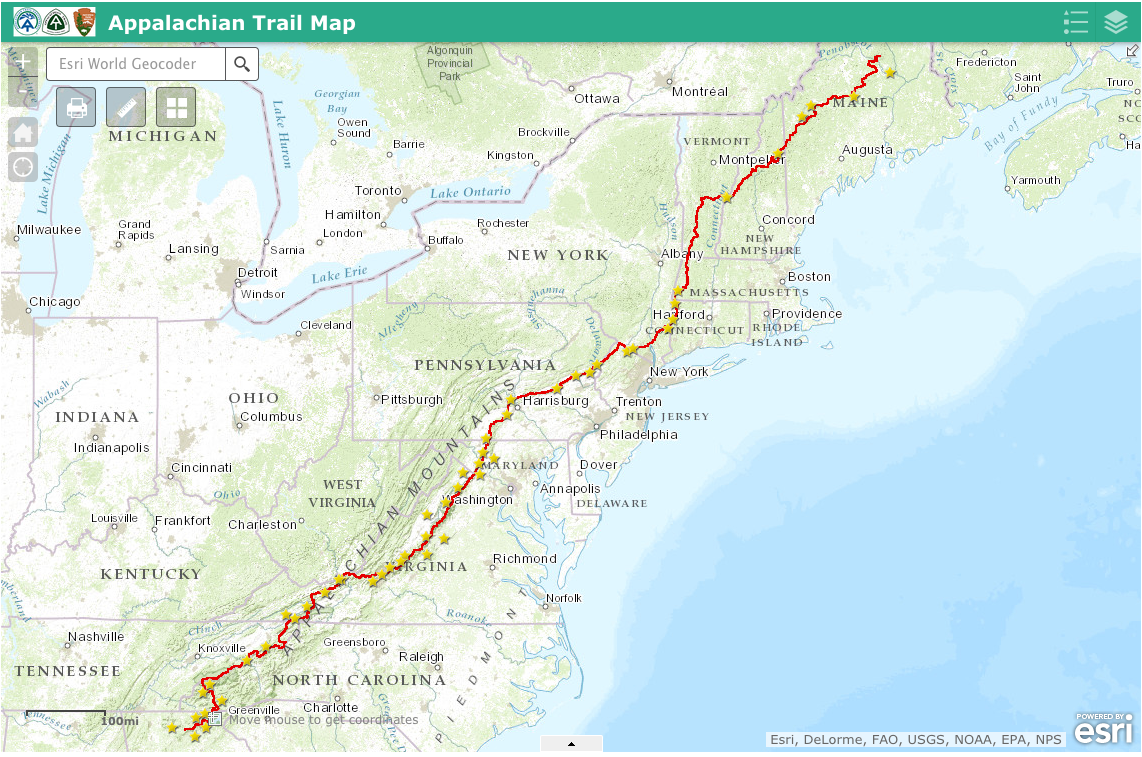
The Georgia section of the Appalachian Trail spans approximately 79 miles, offering a diverse range of landscapes, from rolling hills to challenging climbs. The southern terminus of the AT is located at Springer Mountain, which stands at 3,782 feet. The trail then meanders through the Chattahoochee National Forest, passing by scenic waterfalls, lush forests, and panoramic vistas.
Compared to other states, Georgia’s AT section is considered relatively moderate in difficulty, making it a popular choice for beginners and those looking for a shorter thru-hike experience. However, don’t underestimate the challenge – the terrain can still be demanding, and proper preparation is essential.
-
Springer Mountain: The southern starting point of the entire Appalachian Trail.
-
Amicalola Falls State Park: While not directly on the AT, it’s a common starting point for many hikers who take the Approach Trail.
-
Blood Mountain: The highest point on the Georgia AT, offering stunning views.
-
Neels Gap/Walasi-Yi Center: A historic gap with a unique shelter literally built through the building.
-
Chattahoochee National Forest: The vast forest that the majority of the Georgia AT passes through.
Planning Your Hike: Maps, Access Points, and Permits
Effective planning is crucial for a safe and enjoyable hike on the Appalachian Trail. This includes studying maps, identifying access points, and obtaining necessary permits.
Several excellent maps are available to guide you along the Georgia AT. The Appalachian Trail Conservancy (ATC) publishes official maps and guidebooks that are highly recommended. These resources provide detailed information on trail mileage, elevation profiles, water sources, shelter locations, and potential hazards. Consider using both paper maps and digital mapping apps for navigation.
-
Appalachian Trail Conservancy (ATC) Maps: Official maps providing comprehensive trail information.
-
Gaia GPS and AllTrails: Digital mapping apps that allow you to download maps for offline use.
-
National Geographic Trails Illustrated Map: Waterproof and tear-resistant map covering the Georgia section.
-
Amicalola Falls State Park (Approach Trail): Many hikers begin their journey at Amicalola Falls, taking the 8.8-mile Approach Trail to Springer Mountain. This adds an extra day of hiking but allows you to experience the stunning Amicalola Falls.
-
Springer Mountain Parking Area: Located near the summit of Springer Mountain, this is the most direct access point to the southern terminus.
-
Three Forks: A popular access point offering various trail options and camping opportunities.
-
Hwy 60/ Suches: Provides access to the trail near Woody Gap and offers parking.
-
Neels Gap (Walasi-Yi Center): A historic gap where the AT passes directly through the Walasi-Yi Center, a unique landmark.
While there are no permits required for day hiking on the Georgia AT, certain regulations apply for overnight stays and camping. If you plan to camp in the Chattahoochee National Forest, you must follow Leave No Trace principles and camp at designated campsites or shelters. Bear canisters are recommended for food storage to prevent attracting wildlife.
For long-distance thru-hikes, consider registering with the Appalachian Trail Conservancy (ATC). This helps the ATC monitor trail usage and provide support to hikers. While registration is not mandatory, it is highly encouraged.
Shelters and Camping Along the Georgia AT
The Georgia AT offers a network of shelters spaced approximately 8-15 miles apart, providing hikers with covered sleeping areas and protection from the elements. These shelters are available on a first-come, first-served basis and can become crowded during peak season. It’s always a good idea to carry a tent or hammock as a backup option.
-
Springer Mountain Shelter: The first shelter on the AT, located near the southern terminus.
-
Hawk Mountain Shelter: A popular shelter with a reliable water source nearby.
-
Gooch Mountain Shelter: Offers good views and a spacious camping area.
-
Neels Gap Shelter: Unique shelter literally built through the Walasi-Yi Center.
-
Blood Mountain Shelter: A stone structure located near the summit of Blood Mountain (water source can be unreliable).
In addition to shelters, numerous designated campsites are available along the Georgia AT. These campsites offer more privacy and flexibility than shelters. When camping, always choose established sites to minimize your impact on the environment.
Essential Gear and Preparation Tips
-
Backpack: Choose a comfortable and appropriately sized backpack (50-70 liters).
-
Tent or Hammock: Provides shelter from the elements.
-
Sleeping Bag and Pad: Ensure a comfortable night’s sleep.
-
Cooking System: Stove, fuel, pot, and utensils for preparing meals.
-
Water Filter or Purification Tablets: Access to clean drinking water is crucial.
-
Food: Pack high-energy, lightweight meals and snacks.
-
Navigation Tools: Maps, compass, and GPS device.
-
First-Aid Kit: Include essential medications and supplies for treating minor injuries.
-
Headlamp or Flashlight: For navigating in the dark.
-
Rain Gear: Waterproof jacket and pants.
-
Hiking Boots: Comfortable and supportive hiking boots are essential.
-
Trekking Poles: Provide stability and reduce strain on your knees.
-
Cardiovascular Training: Running, swimming, or cycling to improve your endurance.
-
Strength Training: Focus on leg and core strength to handle the challenging terrain.
-
Hiking Practice: Gradually increase your mileage and elevation gain to prepare your body for the trail.
-
Setting Realistic Goals: Don’t try to do too much too soon.
-
Developing a Positive Attitude: Stay focused on the positive aspects of the experience.
-
Practicing Mindfulness: Focus on the present moment and appreciate the beauty of your surroundings.
Potential Hazards and Safety Considerations
While the Appalachian Trail offers a rewarding experience, it’s important to be aware of potential hazards and take necessary safety precautions.
The Georgia AT is home to various wildlife, including bears, snakes, and rodents. Store your food properly to avoid attracting animals to your campsite. Be aware of your surroundings and avoid approaching or feeding wildlife.
Weather conditions in the mountains can change rapidly. Be prepared for sudden rainstorms, temperature drops, and strong winds. Check the forecast before your hike and pack appropriate clothing.
While the AT is well-marked with white blazes, it’s still possible to get lost. Carry a map, compass, and GPS device and know how to use them. Pay attention to your surroundings and stay on the marked trail.
Blisters, sprains, and strains are common injuries on the AT. Wear comfortable hiking boots, break them in before your hike, and carry a first-aid kit with blister treatment supplies. Use trekking poles to reduce strain on your knees and ankles.
Leave No Trace Principles
-
Plan Ahead and Prepare: Research the trail, pack appropriate gear, and be aware of regulations.
-
Travel and Camp on Durable Surfaces: Stay on established trails and campsites.
-
Dispose of Waste Properly: Pack out everything you pack in.
-
Leave What You Find: Don’t remove or disturb natural objects.
-
Minimize Campfire Impacts: Use a stove for cooking and avoid building campfires.
-
Respect Wildlife: Observe wildlife from a distance and never feed them.
-
Be Considerate of Other Visitors: Respect other hikers and minimize noise.
Conclusion
The Appalachian Trail in Georgia offers a fantastic opportunity to experience the beauty and challenge of long-distance hiking. By planning carefully, packing appropriately, and being aware of potential hazards, you can have a safe and memorable adventure on this iconic trail. Remember to respect the environment, follow Leave No Trace principles, and enjoy the journey!
From the iconic Springer Mountain to the unique shelter at Neels Gap, the Georgia AT provides a diverse and rewarding hiking experience. So, grab your gear, hit the trail, and discover the magic of the Appalachian Trail in Georgia.