If you missed the initial deadline for the 2027 academic intake, you can still secure a spot through clearing or late-cycle admissions processes. Most institutions keep select programs open well into the summer, provided you act immediately once you realize your application status.
Understanding the Late Application Cycle
When standard deadlines pass, universities transition into a phase often referred to as late entry or clearing. This period is designed for students who either missed the original submission dates or did not receive an offer from their preferred choices. Many top-tier institutions hold back a percentage of their capacity specifically for high-achieving late applicants or those who meet specific departmental needs.
It is a common misconception that late applicants only have access to undesirable courses. In reality, unexpected fluctuations in enrollment numbers often mean that competitive programs—including engineering, business, and social sciences—frequently have last-minute vacancies. To succeed during this phase, you must have your academic transcripts, personal statement, and letters of recommendation prepared in a ready-to-send format. Speed is your primary advantage when applying late, as admissions officers process these files on a rolling basis until the remaining seats are filled.
Key Timeline for 2027 Admissions
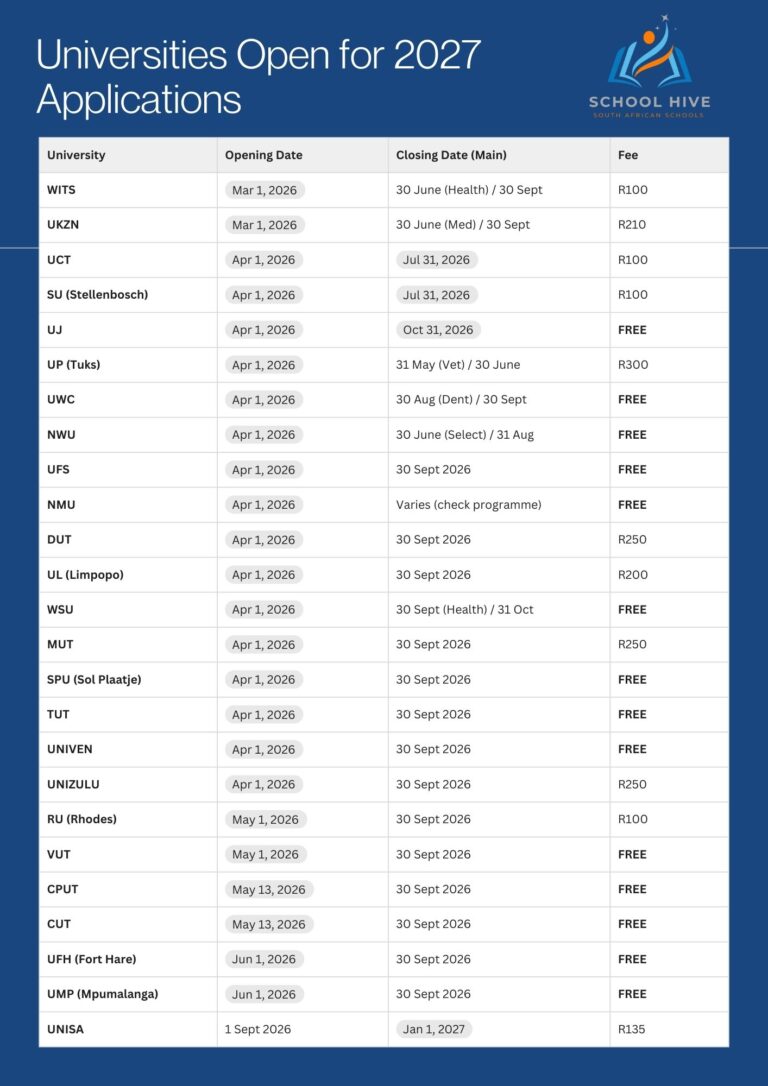
Missing the primary window does not mean the end of your higher education goals for the year. The following table outlines the general phases you should monitor as you manage your late submission.
| Phase | Estimated Window | Action Required |
|---|---|---|
| Primary Deadline | January – March | Standard submission period |
| Late Opening | April – June | Monitor university portals |
| Clearing Phase | July – August | Contact admissions offices directly |
| Final Enrollment | September | Submit final documents |
Strategies for Securing a Late Offer
To maximize your chances, shift your strategy from a broad search to a targeted approach. Start by checking the official websites of your target schools for an updated list of open courses. Do not rely on third-party aggregators, as they may be slow to update. Once you identify a suitable program, contact the admissions department via phone before submitting your online form. A brief, professional conversation can help you determine if the department is actively looking for students and if your specific profile fits their current needs.
Prepare your personal statement to address your specific interest in the program while explaining your unique situation without making excuses. Focus on your academic readiness and your desire to contribute to the campus community. If you are applying to multiple schools, ensure each application is tailored to the institution. Generic, mass-produced applications are easily identified and usually rejected during late cycles when competition for the final few spots remains high.
Preparing Your Documentation
Before you click submit, verify that all supporting materials are current. Late applications are often processed in a compressed timeframe, meaning any missing document will cause an immediate rejection. Ensure your references are aware of your late application so they can provide support if the university reaches out to them for verification.
- Official academic transcripts from all previous institutions.
- Updated CV or resume highlighting recent extracurricular achievements.
- Proof of English language proficiency if required.
- Financial documentation confirming your ability to fund the program.
Frequently Asked Questions
Are there fewer scholarships available for late applicants?
Yes, most institutional scholarships are awarded during the primary application window. However, some departments receive last-minute funding or external grants that they must distribute quickly, which may benefit late applicants.
Will a late application affect my housing options?
Late applicants often face limited on-campus housing choices. You should contact the university’s housing office immediately upon receiving an offer to secure your spot or seek reputable off-campus alternatives.
Can I still apply for government student loans after the deadline?
Yes, government financial aid is generally tied to your enrollment status rather than your application date. Check with your local education authority to ensure you file your aid requests before the final processing cut-off.
Starting your academic journey a bit later than planned is a manageable hurdle with the right preparation. Stay proactive, keep your communication lines open with admissions staff, and you will find your place in the 2027 cohort.