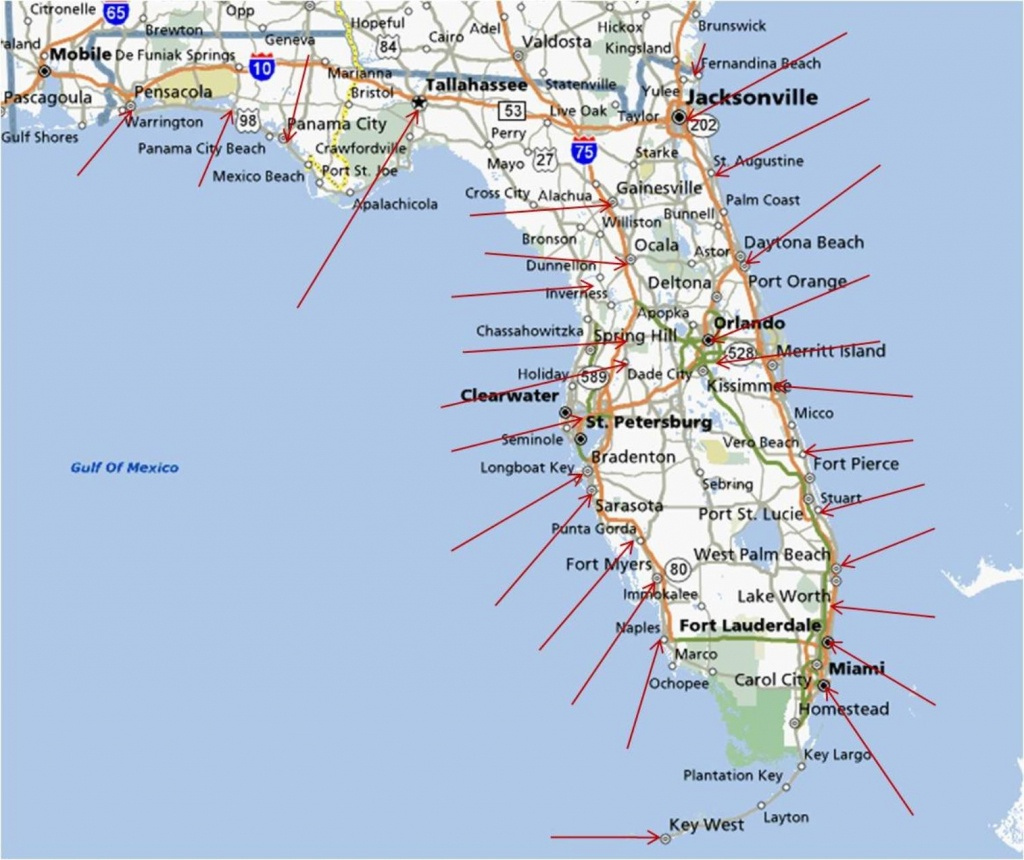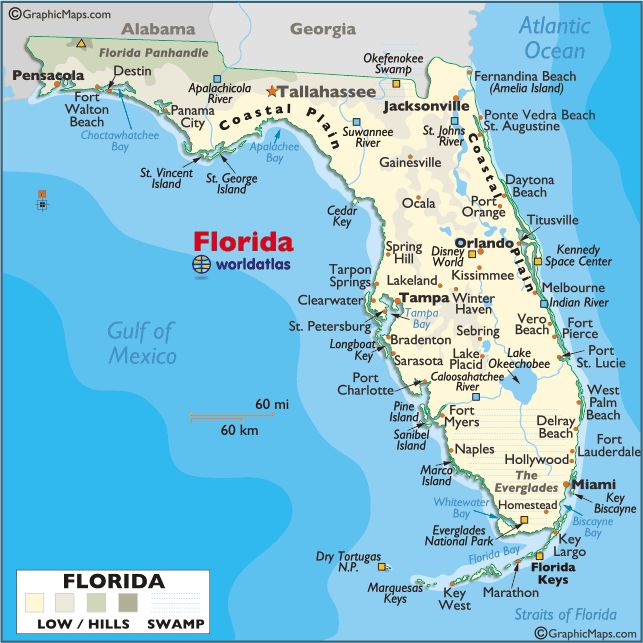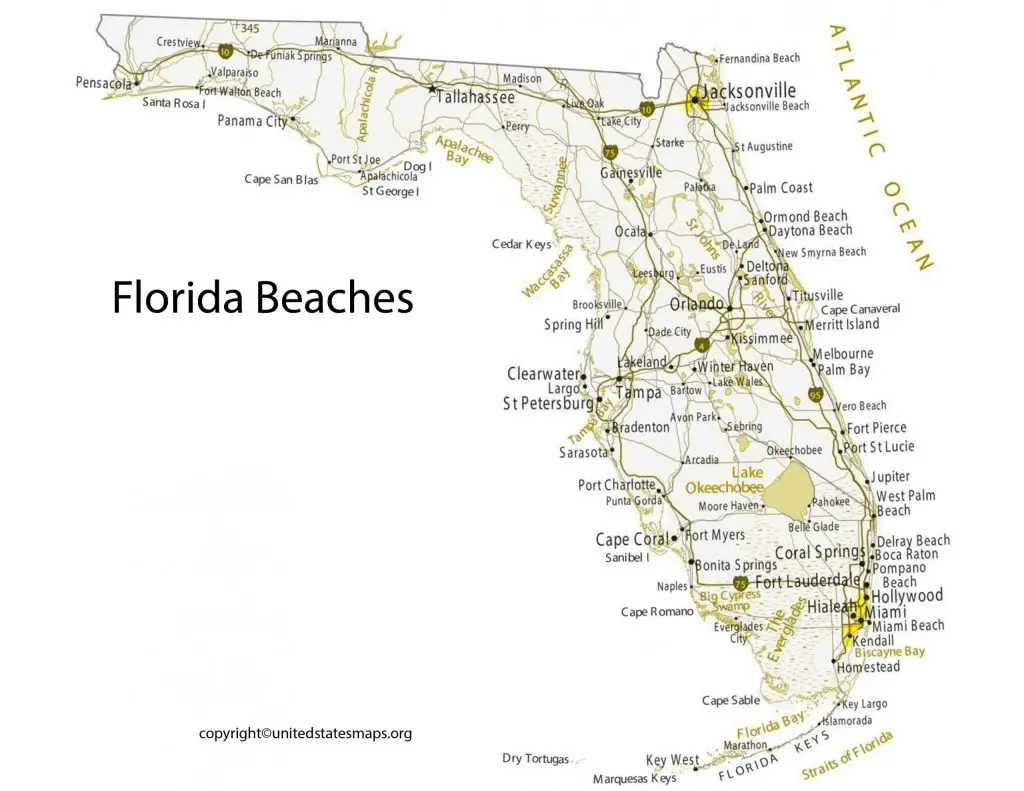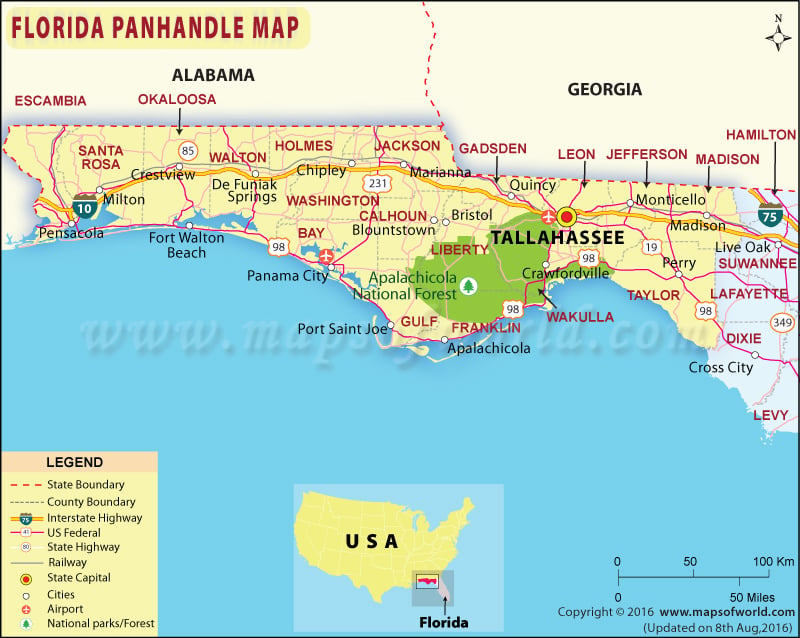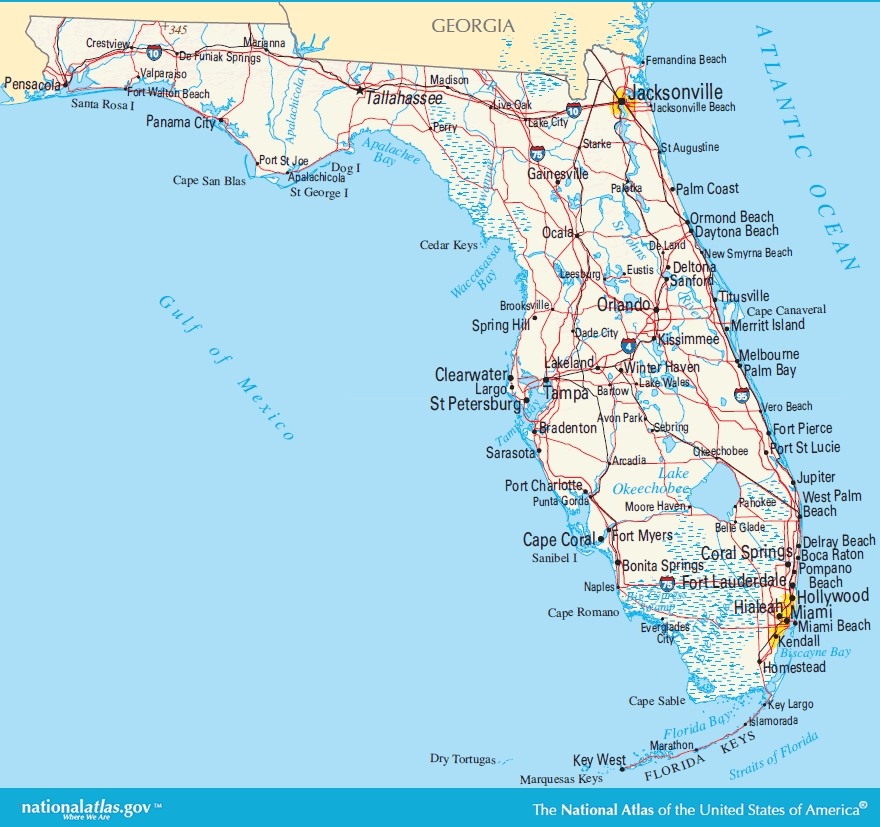
Understanding the geography of the Florida Panhandle is essential for planning the perfect getaway. The coastline is not a monolith; it is a diverse tapestry of bustling resort towns, planned luxury communities, and untouched barrier islands. This guide will serve as your textual map, navigating you from the western border near Alabama all the way to the marshy bends of the Big Bend region.
The Geography of the Panhandle: An Overview
To visualize the map of Florida Panhandle beaches, it helps to divide the region into two primary zones: the Emerald Coast in the west and the Forgotten Coast in the east. The Emerald Coast is famous for its high-rise condos, crystal-clear waters, and vibrant tourism infrastructure. In contrast, the Forgotten Coast offers a glimpse into ‘Old Florida,’ characterized by quiet fishing villages, scalloping grounds, and nature reserves.
Connecting these destinations is U.S. Highway 98, the coastal artery that runs parallel to the Gulf. Whether you are driving from the Midwest or flying into one of the regional airports, Highway 98 is the backbone of any Panhandle road trip. Let’s traverse this map from west to east.
The Western Gate: Perdido Key and Pensacola Beach
Our journey begins at the Florida-Alabama state line with Perdido Key. Often overshadowed by its neighbors, Perdido Key is a barrier island offering a sanctuary for those seeking solitude. Home to the Big Lagoon State Park and Johnson Beach, this area is defined by rolling dunes and protected wildlife habitats. It is the perfect starting point for nature lovers.
Pensacola Beach is also part of the Gulf Islands National Seashore, a federally protected stretch of coastline that ensures miles of the beach remain undeveloped. This preservation keeps the sand pristine and the views unobstructed, a feature that discerning travelers value highly.
Navarre Beach: Florida’s Best Kept Secret
Continuing east along Santa Rosa Island, the map leads us to Navarre Beach. Often marketing itself as ‘Florida’s Most Relaxing Place,’ Navarre avoids the commercial density of Pensacola or Destin. It features a stunning pier, the longest in the Gulf of Mexico, which is a haven for anglers and sightseers hoping to spot sea turtles or dolphins.
Navarre Beach serves as a bridge between the busy western cities and the high-traffic tourist hubs of the central Panhandle. It offers a residential feel with easy access to the Gulf’s soothing waves, making it ideal for families looking to unplug.
The Heart of the Emerald Coast: Fort Walton Beach and Destin
Crossing the bridge from Okaloosa Island, we enter the heavyweights of the Panhandle map: Fort Walton Beach and Destin. Fort Walton Beach, particularly the Okaloosa Island section, is a family favorite featuring the Gulfarium Marine Adventure Park and a lively boardwalk.
A key landmark on any map of this area is Crab Island. Technically a submerged sandbar rather than an island, it is the social hub of Destin. On any given summer day, hundreds of boats anchor here, creating a floating city of vacationers wading in waist-deep turquoise water.
Henderson Beach State Park
Within the bustle of Destin lies Henderson Beach State Park. This protected strip of coastline offers a reprieve from the high-rises. With camping facilities and nature trails, it showcases the natural scrub habitat that once covered the entire peninsula.
Scenic Highway 30A: The Crown Jewel of Design
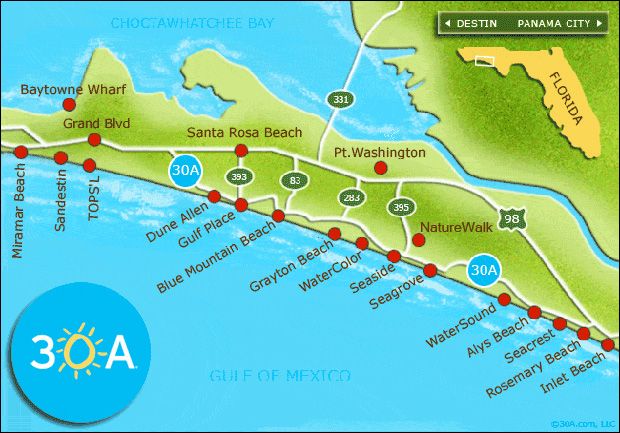
Just east of Destin lies South Walton, home to the famous Scenic Highway 30A. On a map of the Panhandle of Florida beaches, this 24-mile stretch is distinct for its string of New Urbanist communities. Instead of high-rise hotels, you will find pastel cottages, town centers, and rare coastal dune lakes.
Dune Allen, Blue Mountain Beach, and Grayton Beach offer a more eclectic, laid-back atmosphere. Grayton Beach State Park is frequently ranked among the best beaches in the United States due to its untouched beauty and unique Western Lake.
Further east along 30A are the master-planned communities of Seaside, WaterColor, and Rosemary Beach. Seaside, famous as the filming location for The Truman Show, features walkable streets and iconic pavilions. Rosemary Beach offers Dutch West Indies-inspired architecture and cobblestone streets. This section of the map is synonymous with luxury and aesthetic perfection.
Panama City Beach: The Fun Coast
Leaving the quiet luxury of 30A, the map brings us to Panama City Beach (PCB). Historically known as a Spring Break capital, PCB has successfully rebranded into a family-friendly powerhouse. With 27 miles of beaches, it offers a higher density of attractions, including Pier Park, a massive outdoor shopping and entertainment complex.
For nature enthusiasts visiting PCB, St. Andrews State Park is a must-visit. Located at the far eastern tip of the beach, it offers excellent snorkeling along the jetties and boat shuttles to Shell Island, an undeveloped barrier island that feels worlds away from the city lights.
The Transition: Mexico Beach and Port St. Joe
As we move east of Tyndall Air Force Base, the landscape changes dramatically. We enter the Forgotten Coast. The first stop is Mexico Beach, a community resiliently rebuilding after Hurricane Michael. It offers a small-town, retro vibe with no stoplights and plenty of local charm.
Next is Port St. Joe and the St. Joseph Peninsula. This area is famous for Cape San Blas, a narrow spit of land curving into the Gulf. The Cape is renowned for its pet-friendly beaches, towering dunes, and some of the best scalloping waters in Florida during the summer season.
The Eastern Frontier: St. George Island
The final major beach destination on our Panhandle map is St. George Island. Accessible via a four-mile bridge from the historic town of Apalachicola, this barrier island is a haven for tranquility. Zoning laws here are strict, forbidding high-rises and chain hotels, which preserves the island’s natural beauty.
Planning Your Trip: Logistics and Seasonality
When consulting a map of the Panhandle of Florida beaches for travel planning, consider the logistics of arrival. The region is served by three main airports: Pensacola International Airport (PNS) in the west, Destin-Fort Walton Beach Airport (VPS) centrally, and Northwest Florida Beaches International Airport (ECP) serving PCB and the 30A area.
Seasonality plays a huge role in the Panhandle experience. The peak season runs from Memorial Day to Labor Day, bringing warm water and larger crowds. However, the ‘shoulder seasons’ of late April, May, October, and early November are considered the best times to visit. During these months, the humidity drops, the crowds thin out, and the sunsets are spectacular.
Conclusion: A Coastline for Every Traveler
The map of the Panhandle of Florida beaches is not just a chart of geography; it is a menu of diverse experiences. Whether you crave the high-energy boardwalks of Panama City Beach, the upscale serenity of Rosemary Beach, or the rugged isolation of St. George Island, this coastline delivers.
By understanding the distinct personality of each beach town along Highway 98, you can curate a vacation that perfectly matches your desires. From the Alabama border to the Apalachicola River, the Florida Panhandle remains one of the nation’s premier coastal treasures, waiting to be explored.