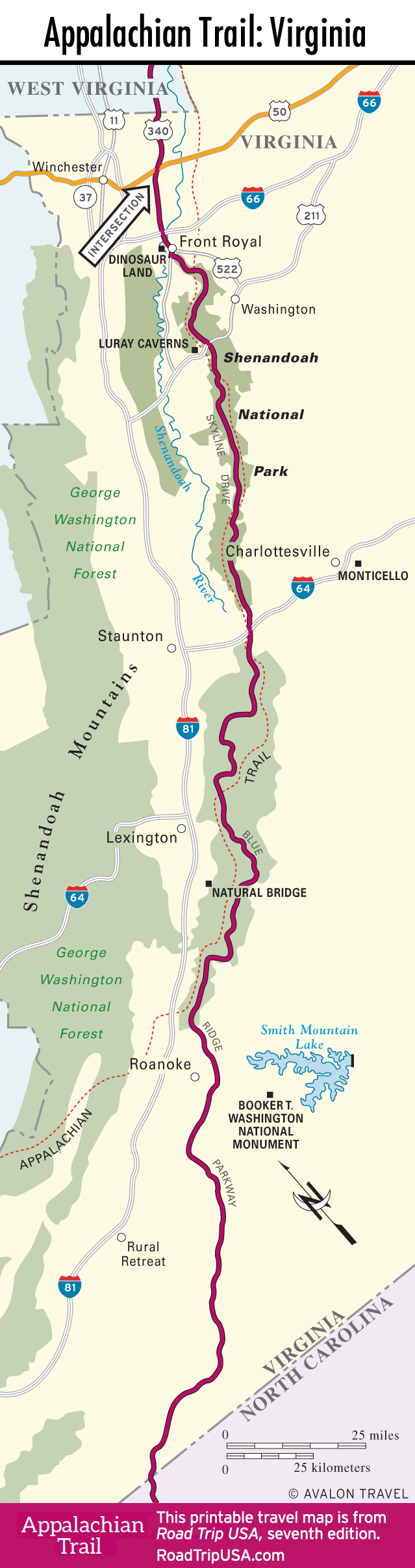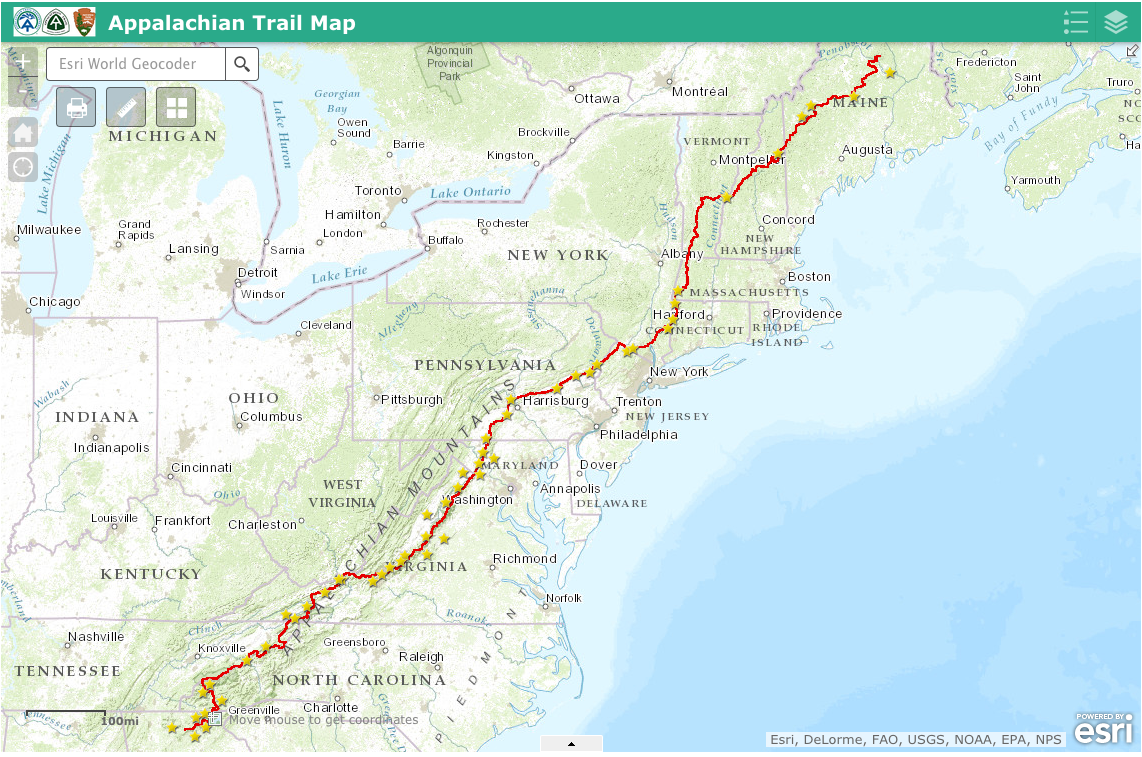
The Appalachian Trail, often called the ‘AT’, is a long-distance hiking trail stretching over 2,190 miles (3,524 km) from Springer Mountain in Georgia to Mount Katahdin in Maine. Virginia’s portion is approximately 550 miles (885 km), encompassing diverse landscapes and challenging terrains.
This guide dives deep into the Virginia section of the AT, offering a wealth of information to help you prepare and enjoy your hike, whether you’re planning a day hike, a weekend backpacking trip, or a thru-hike.
Understanding the topography of the AT in Virginia is crucial for planning your hike. The trail traverses a variety of terrains, from gentle slopes to challenging ascents and descents. Key areas to consider include the Shenandoah National Park, which offers well-maintained trails and stunning views, and the more rugged sections in the southwest of the state.
This guide will help you understand the terrain, elevation changes, and water sources along the trail.
The Virginia section of the Appalachian Trail showcases the state’s natural beauty and is a highlight for many hikers. The AT’s popularity in Virginia is due to its accessibility, well-maintained trails, and the diverse range of experiences it offers.
The AT in Virginia offers a unique blend of natural beauty and historical significance.
The trail passes through various ecosystems, including hardwood forests, open balds, and rocky ridges. Hikers can experience a rich tapestry of flora and fauna, making each hike a unique adventure.
The trail’s historical significance is also noteworthy. The AT passes through areas that played a role in the Civil War and other historical events, adding a layer of depth to the hiking experience.
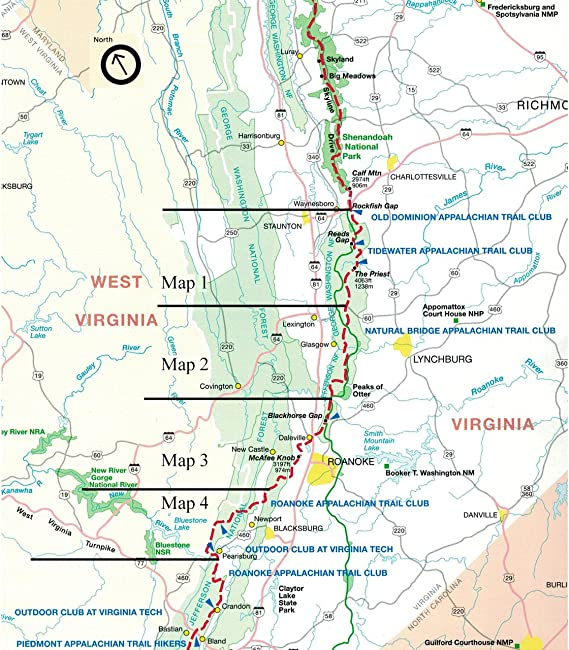
The Virginia section of the AT is well-mapped, making navigation relatively straightforward. However, it’s essential to have reliable maps and navigational tools, especially for longer hikes or in areas with limited cell service.
Official Appalachian Trail Maps: The Appalachian Trail Conservancy (ATC) publishes a series of detailed maps covering the entire trail. These are essential for planning and navigation.
Smartphone Apps: Several smartphone apps, such as Guthook Guides (now FarOut Guides) and Avenza Maps, offer detailed trail information, including GPS tracking, elevation profiles, and points of interest. These apps can be incredibly useful for on-the-go navigation.
Paper Maps and Compass: Even with technology, it’s wise to carry a paper map and compass and know how to use them. This provides a backup in case of technical issues.
Trail Markers: The AT is marked with white blazes painted on trees and rocks. Following these blazes is key to staying on the trail.
The Virginia section of the AT offers a variety of access points, allowing hikers to customize their experience based on their time and skill level. Popular access points include Shenandoah National Park, Grayson Highlands State Park, and various road crossings.
Shenandoah National Park: The park offers numerous access points, well-maintained trails, and stunning views. It’s an excellent choice for day hikes or shorter backpacking trips.
Grayson Highlands State Park: This park is known for its wild ponies and open balds, making it a unique and scenic location. It’s a great option for those seeking a different hiking experience.
Road Crossings: Numerous roads cross the AT in Virginia, providing convenient access points for day hikes or resupply points for longer trips.
Before you hit the trail, it’s important to be aware of the necessary permits and regulations. While day hiking generally doesn’t require permits, overnight stays in certain areas, such as Shenandoah National Park, may require permits and reservations.
Permits: Check with the relevant authorities (e.g., the National Park Service, the U.S. Forest Service) for permit requirements in the areas you plan to hike.
Leave No Trace Principles: Adhere to Leave No Trace principles to minimize your impact on the environment. This includes packing out all trash, staying on marked trails, and respecting wildlife.
Campfires: Campfires may be restricted in certain areas during dry seasons. Check for fire bans before you go.
The AT in Virginia experiences all four seasons, each offering a unique hiking experience. Weather conditions can vary significantly, so it’s essential to pack accordingly.
Spring: Offers blooming wildflowers and pleasant temperatures. Be prepared for potential rain and muddy trails.
Summer: Provides warm temperatures and long daylight hours. Be prepared for heat, humidity, and thunderstorms.
Fall: Is known for its vibrant foliage and cooler temperatures. It’s a popular time to hike, so expect more crowded trails.
Winter: Presents cold temperatures, snow, and ice. Hiking in winter requires experience and appropriate gear.
Distance and Elevation Gain: Assess your fitness level and choose a hike that matches your abilities. Consider the elevation gain, as it can significantly impact your effort.
Water Sources: Identify water sources along your route and plan to carry enough water or use a water filter.
Resupply Points: If you’re planning a multi-day hike, determine where you can resupply with food and other essentials.
Accommodation: Decide whether you’ll be camping, staying in shelters, or using other forms of accommodation.
Backpack: Choose a backpack that fits your torso length and carries the appropriate volume for your trip.
Hiking Boots: Select sturdy hiking boots that provide good ankle support and traction. Break them in before your hike.
Clothing: Pack layers of clothing to adapt to changing weather conditions. Include moisture-wicking base layers, insulating mid-layers, and a waterproof outer layer.
Navigation Tools: Carry a map, compass, and GPS device or smartphone app.
First-Aid Kit: Pack a comprehensive first-aid kit with essential supplies.
Food and Water: Bring enough food and water or a water filter to stay hydrated and energized.
Shelter: If camping, bring a tent or shelter.
Safety Equipment: Include a headlamp or flashlight, a whistle, and a knife or multi-tool.
Wildlife Safety: Be aware of the local wildlife and take appropriate precautions. This might include carrying bear spray or storing food properly.
The Appalachian Trail in Virginia offers a wealth of opportunities for hikers of all levels. From the gentle slopes of Shenandoah National Park to the challenging climbs of the southwest, there’s a trail for everyone.
The AT in Virginia is a testament to the beauty of the natural world. It invites us to disconnect from the everyday and reconnect with nature. The trail allows us to appreciate the importance of conservation and the value of outdoor recreation.
By respecting the trail and following Leave No Trace principles, we can ensure that the AT remains a pristine and enjoyable experience for generations to come.
Embrace the Challenge: Hiking the AT in Virginia is a rewarding experience. Embrace the challenges and enjoy the journey.
Plan Ahead: Proper planning is crucial for a safe and enjoyable hike. Research the trail, pack the right gear, and be aware of the weather conditions.
Respect the Environment: Follow Leave No Trace principles to minimize your impact on the environment.
Enjoy the Journey: Take time to appreciate the beauty of the natural world and the camaraderie of fellow hikers.
The Appalachian Trail in Virginia is more than just a trail; it’s an adventure. By preparing properly, respecting the environment, and embracing the journey, you can create lasting memories and experience the beauty of the great outdoors. Remember to check the official Appalachian Trail Conservancy website for the most up-to-date information on trail conditions, closures, and alerts.
Whether you’re looking for a challenging thru-hike or a relaxing day trip, the AT in Virginia offers an unforgettable experience. Use this guide as a starting point to plan your adventure and discover the magic of the Appalachian Trail.