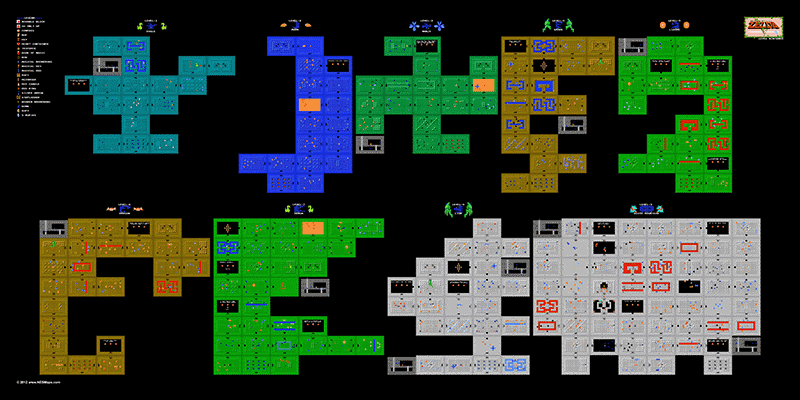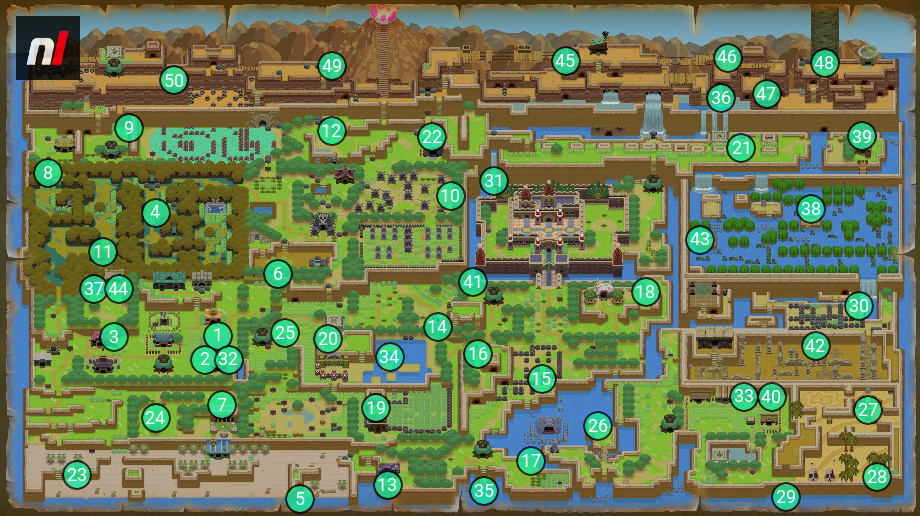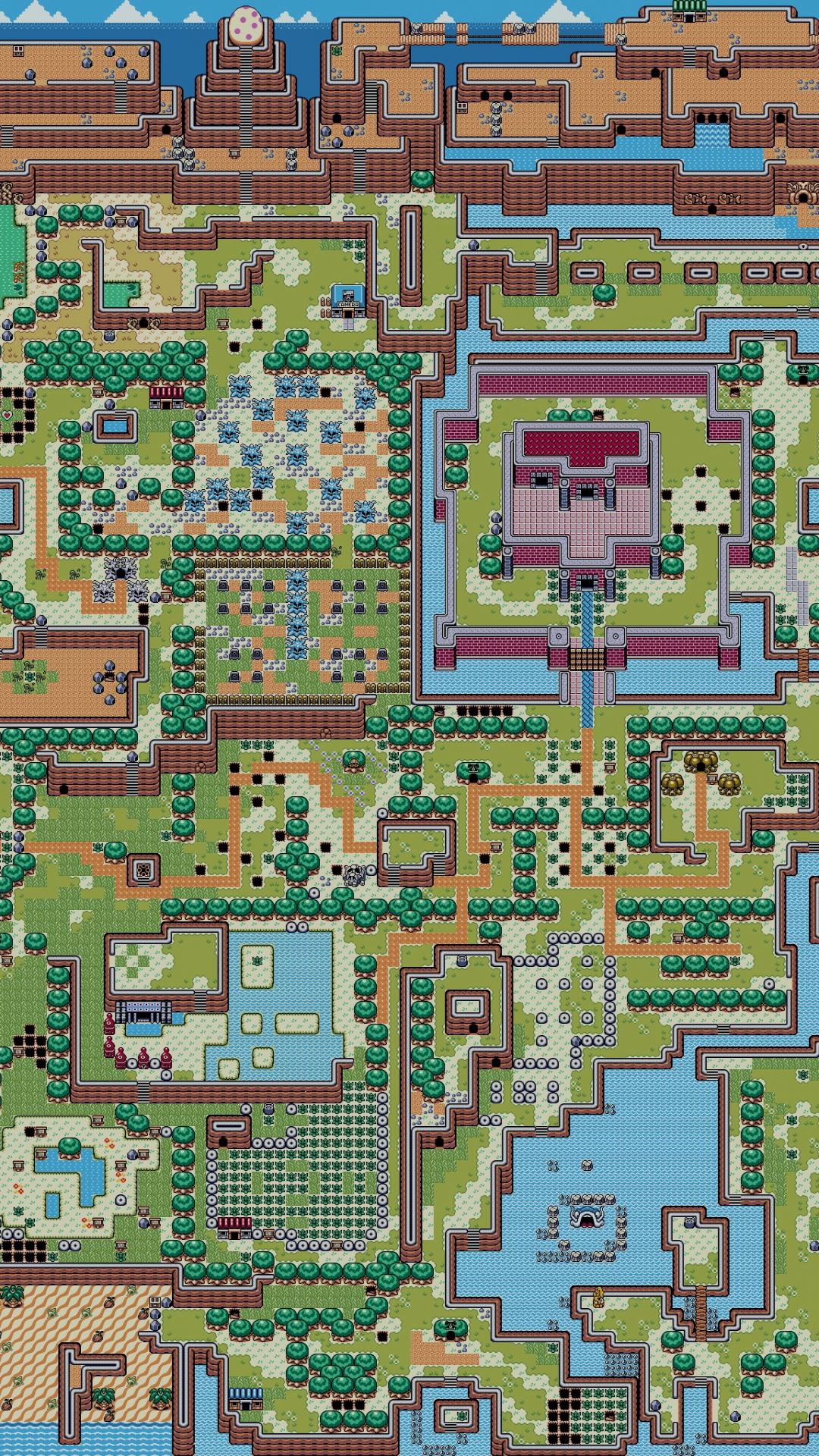
From the earliest installments to the latest releases, the dungeon map has remained a steadfast companion for players, guiding them through treacherous environments and helping them uncover hidden treasures and secrets. Understanding how to utilize these maps effectively is key to mastering the dungeons and progressing through the game.
This guide will explore the evolution of Zelda dungeon maps, the different types available, and how to use them to your advantage. We will also cover strategic navigation, secret locations, and tips for efficient dungeon exploration. Prepare to conquer the dungeons of Hyrule!
The Evolution of Zelda Dungeon Maps
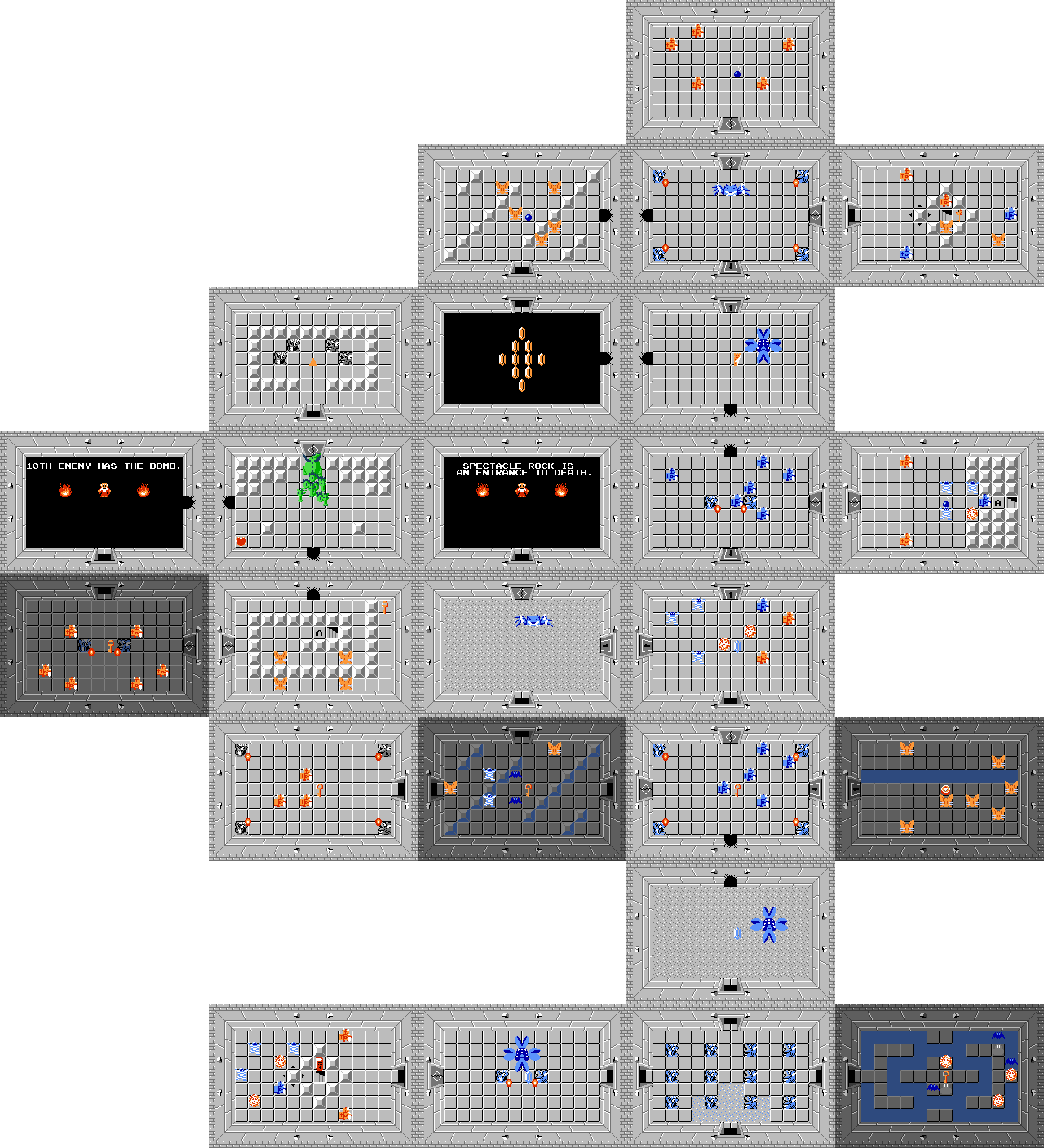
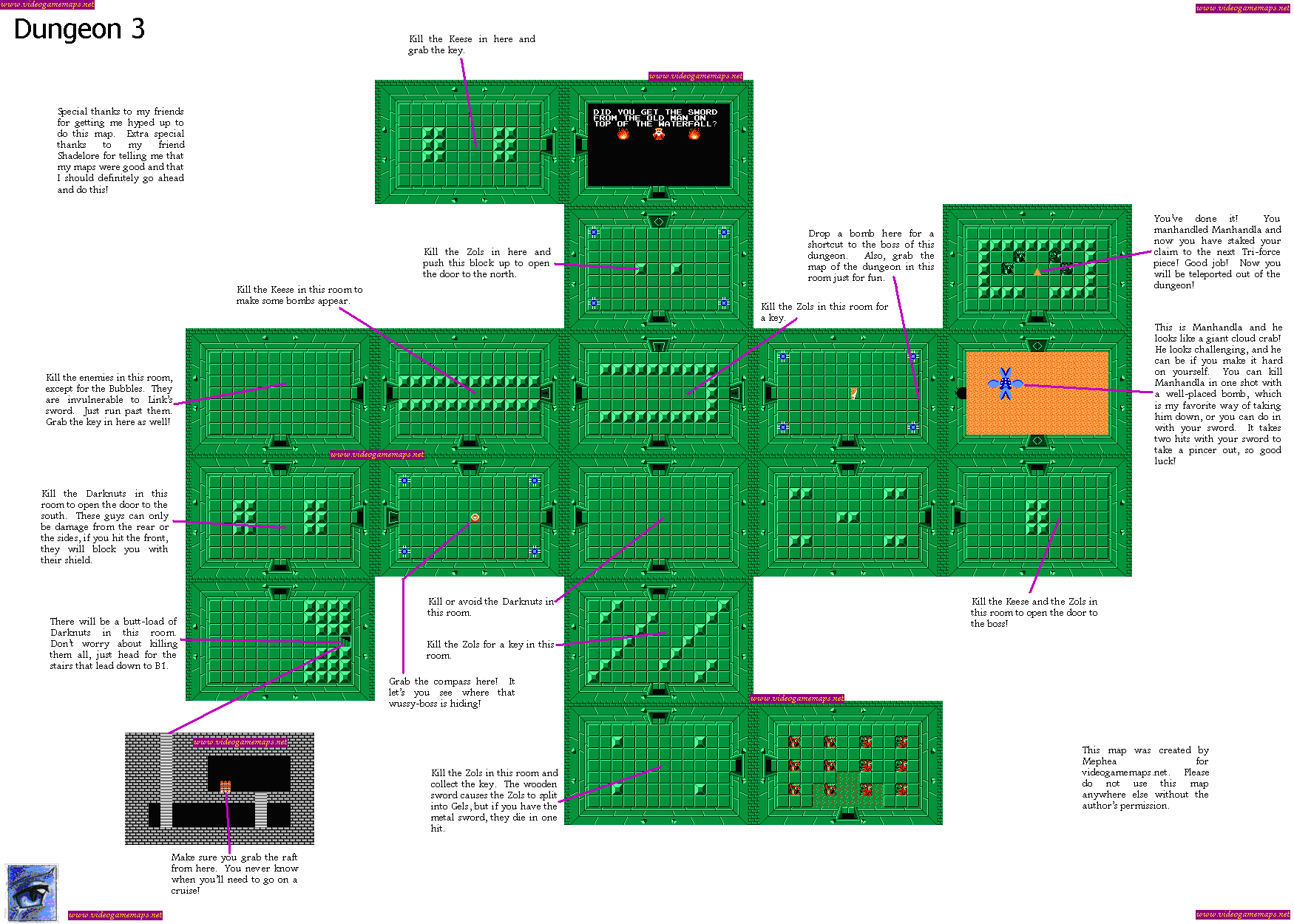
The concept of dungeon maps has evolved significantly throughout the Zelda series. In the original Legend of Zelda for the NES, the map was a simple, hand-drawn affair, often found within the dungeon itself. This minimalist approach emphasized exploration and discovery, encouraging players to carefully chart their course.
As the series progressed, so did the sophistication of the maps. A Link to the Past introduced a more detailed map, often displaying the entire dungeon layout at once. This allowed players to plan their route more strategically, identifying key locations and potential pathways.
Ocarina of Time and subsequent 3D titles further enhanced the maps, incorporating 3D perspectives and interactive elements. These maps often highlighted key features like locked doors, treasure chests, and even enemy locations, providing players with a wealth of information.
Types of Zelda Dungeon Maps
Different Zelda games feature varying types of dungeon maps, each offering a unique perspective and set of features. Understanding these variations is crucial for adapting your strategy to each game.
In-Dungeon Maps
Many Zelda games feature maps that are acquired within the dungeon itself. These maps often start incomplete, revealing more of the dungeon as you explore. This encourages players to delve deeper, rewarding exploration with a clearer understanding of the environment.
Overworld Maps
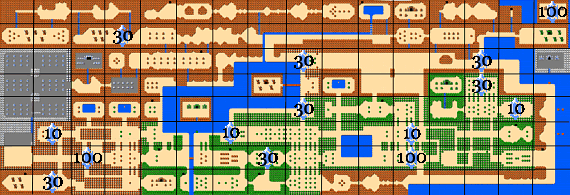
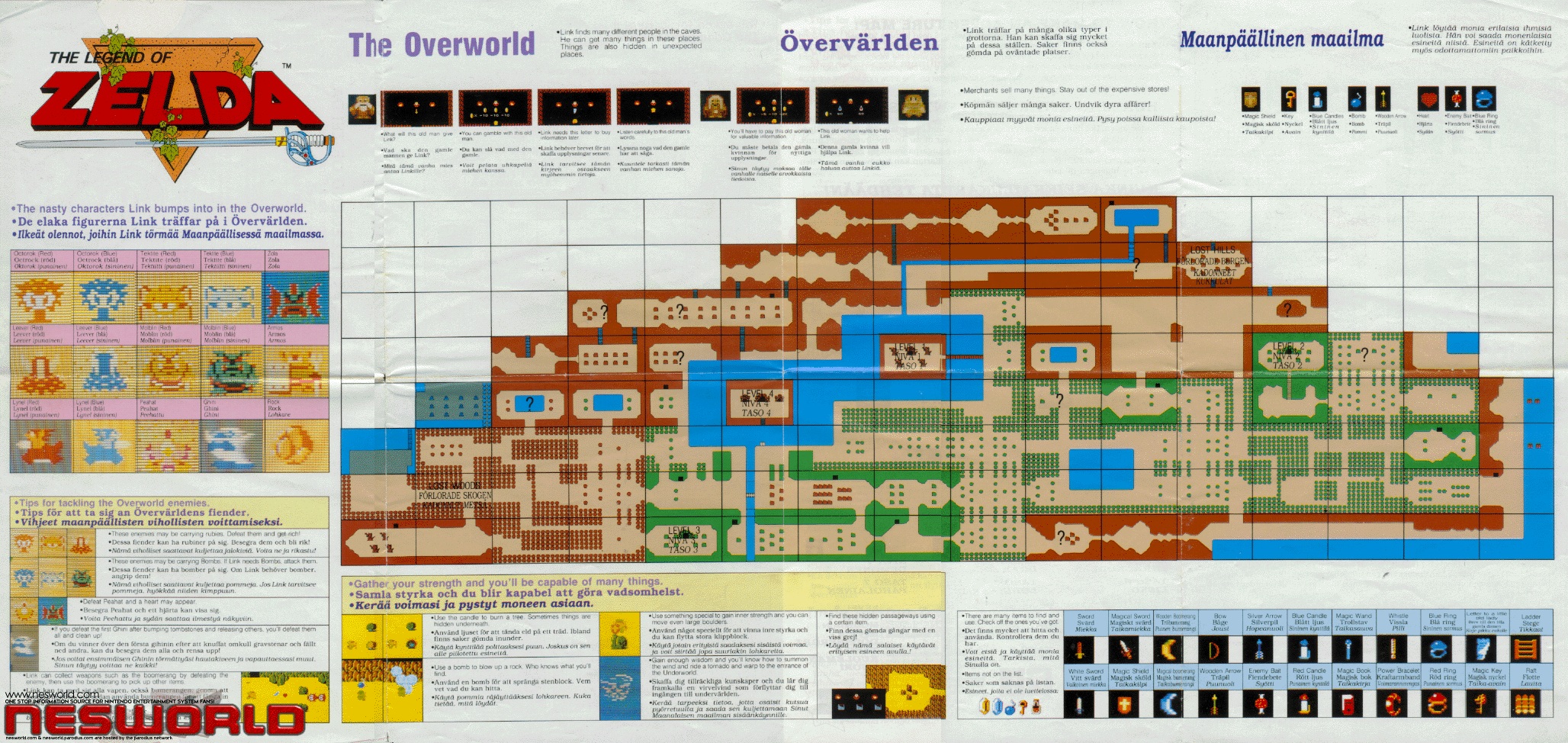
While not strictly dungeon maps, overworld maps are essential for navigating the larger game world and locating dungeons. These maps often highlight dungeon entrances, important landmarks, and key locations for side quests. They are crucial for overall game progression.
Interactive Maps
Modern Zelda titles, such as Breath of the Wild and Tears of the Kingdom, utilize interactive maps that display a wealth of information. These maps often include detailed terrain data, enemy locations, and even quest markers, providing a comprehensive overview of the game world and the dungeons within.
Strategic Navigation with Dungeon Maps
The strategic use of dungeon maps is essential for efficient dungeon exploration. By understanding the map layout, you can optimize your route, avoid unnecessary backtracking, and locate key items and secrets.
Planning Your Route
Before entering a dungeon, take a moment to study the map. Identify the starting point, the location of the boss room, and any key areas you need to visit. Plan your route accordingly, prioritizing areas that contain essential items or puzzles.
Identifying Key Locations
Dungeon maps often highlight important locations, such as locked doors, treasure chests, and switches. Use this information to your advantage. Prioritize these locations when planning your route, and be sure to investigate any areas that are blocked or inaccessible.
Avoiding Backtracking
Backtracking can be time-consuming and frustrating. Use the map to minimize backtracking by planning your route carefully. Look for shortcuts, secret passages, and alternative routes that allow you to reach your destination more efficiently.
Uncovering Secrets with Dungeon Maps
Dungeon maps are not just for navigation; they can also help you uncover hidden secrets and treasures. Many Zelda games feature secret rooms, hidden passages, and other areas that are not immediately obvious.
Hidden Rooms and Passages
Carefully examine the map for any unusual features, such as seemingly blank walls or areas that don’t seem to connect to the rest of the dungeon. These could indicate hidden rooms or passages that you can access by breaking walls, using bombs, or solving a specific puzzle.
Treasure Chests and Collectibles
Dungeon maps often reveal the location of treasure chests and collectibles. Use this information to locate these items and enhance your character’s abilities. Some chests may require a specific key or item to open, so keep an eye out for these requirements.
Puzzle Clues
In some cases, the map itself may contain clues to solve puzzles. Look for symbols, patterns, or other visual cues that may provide insights into how to proceed. Sometimes, the map’s layout itself is part of a puzzle.
Tips for Efficient Dungeon Exploration
Mastering dungeon exploration requires practice and a keen understanding of the game’s mechanics. Here are some tips to help you navigate dungeons more efficiently.
Use Your Compass
Many Zelda games include a compass that highlights the location of the boss room. Use this tool to quickly locate the final destination of the dungeon. However, don’t rely solely on the compass, as it may not reveal all the secrets.
Explore Every Corner
Don’t be afraid to explore every corner of the dungeon. Many secrets are hidden in seemingly insignificant areas. Breakable walls, hidden passages, and other subtle details can lead to valuable rewards.
Pay Attention to Sound Design
The sound design in Zelda games often provides subtle clues about hidden areas or objects. Listen for changes in the music, echoes, or other audio cues that may indicate a secret.
Experiment and Experiment
Zelda games often encourage experimentation. Try different combinations of items, attack patterns, and puzzle solutions to find the best approach. Don’t be afraid to fail; learning from your mistakes is part of the experience.
Utilize Online Resources
If you’re stuck, don’t hesitate to consult online resources, such as walkthroughs, guides, and forums. These resources can provide helpful tips, solutions to puzzles, and insights into hidden secrets.
Frequently Asked Questions (People Also Ask)
How do I get the map in a Zelda dungeon?
In most Zelda games, you find the map inside the dungeon. It is often located in a chest or given to you by a helpful NPC.
Are dungeon maps always accurate?
Generally, yes, but some games might have misleading map features to add to the challenge. Always double-check your surroundings.
Can I see the entire dungeon map at once?
Depending on the game, yes. Some games show the entire map from the start, while others reveal it gradually as you explore. Modern games often allow you to view the map in its entirety.
How important are dungeon maps in Zelda games?
Dungeon maps are extremely important. They are essential for navigation, puzzle-solving, and finding secrets. Mastering the use of dungeon maps is key to success.
Do all Zelda games have dungeon maps?
Almost all Zelda games feature some form of dungeon map. The style and functionality may vary, but the core concept remains consistent.
Conclusion
Zelda dungeon maps are an indispensable tool for players, providing critical information for navigation, puzzle-solving, and the discovery of hidden secrets. By understanding the different types of maps, mastering strategic navigation techniques, and uncovering hidden areas, you can significantly enhance your dungeon exploration skills.
Whether you’re a seasoned Zelda veteran or a newcomer to the series, learning to effectively utilize dungeon maps will greatly improve your enjoyment of these iconic games. So, grab your map, explore every corner, and prepare to conquer the dungeons of Hyrule!
Remember to always be observant, plan your route, and embrace the spirit of exploration. The dungeons of Zelda await, and with a good map, you’ll be well on your way to victory. Happy adventuring!