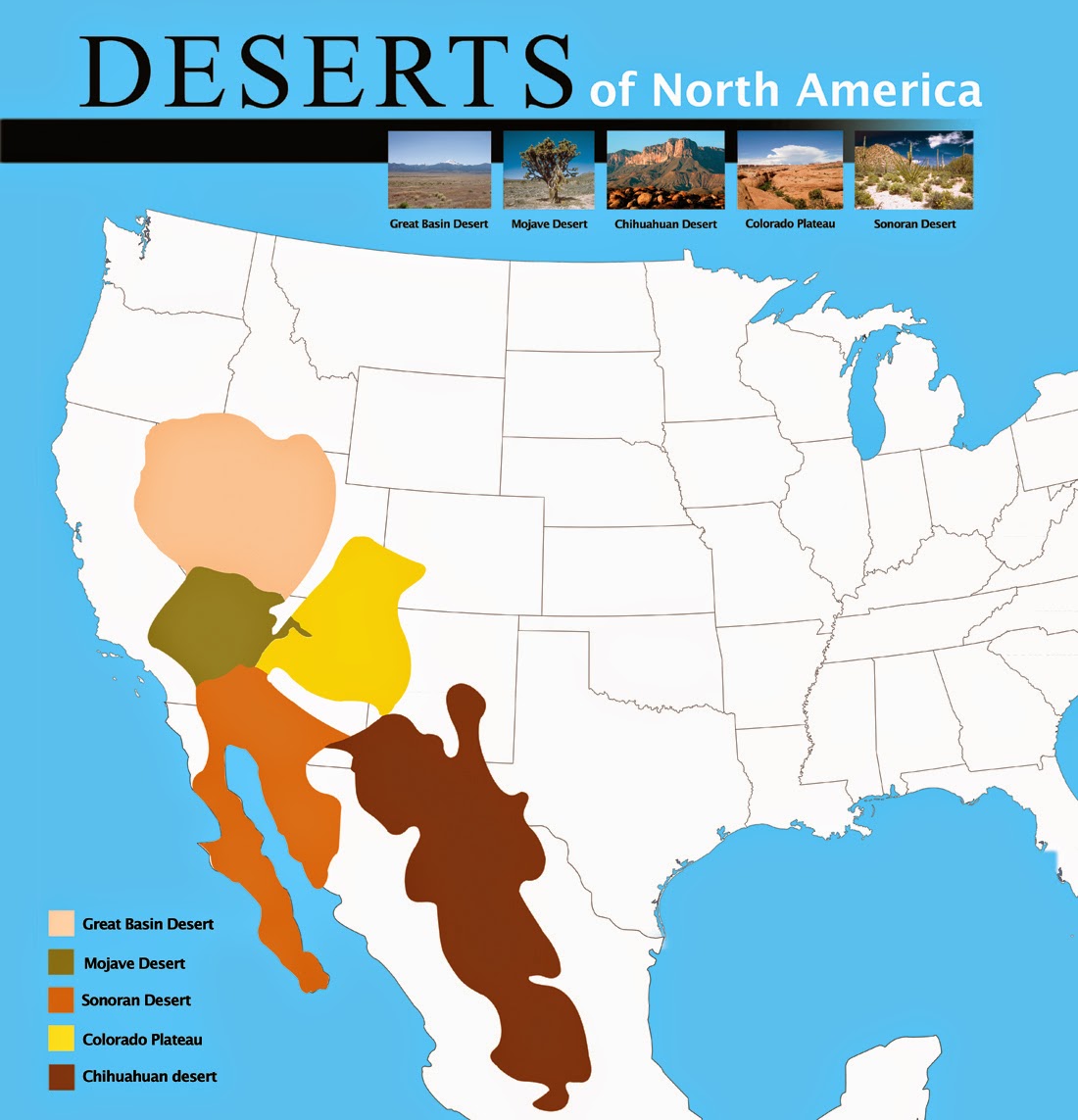
This comprehensive guide will map out the major deserts of the US, providing insights into their locations, climates, key features, and the challenges they face. We’ll delve into the fascinating adaptations of the plants and animals that call these deserts home and explore the importance of conservation efforts to protect these delicate ecosystems.
Major Deserts of the United States
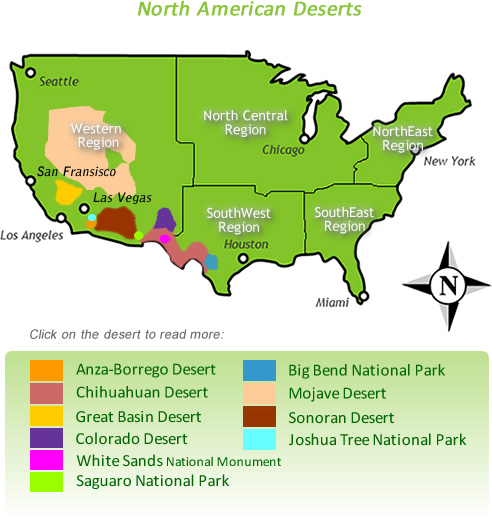
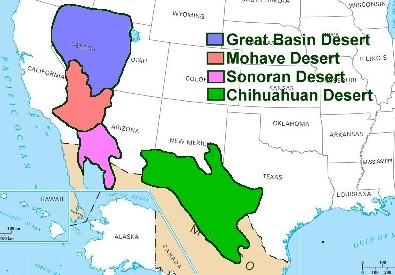
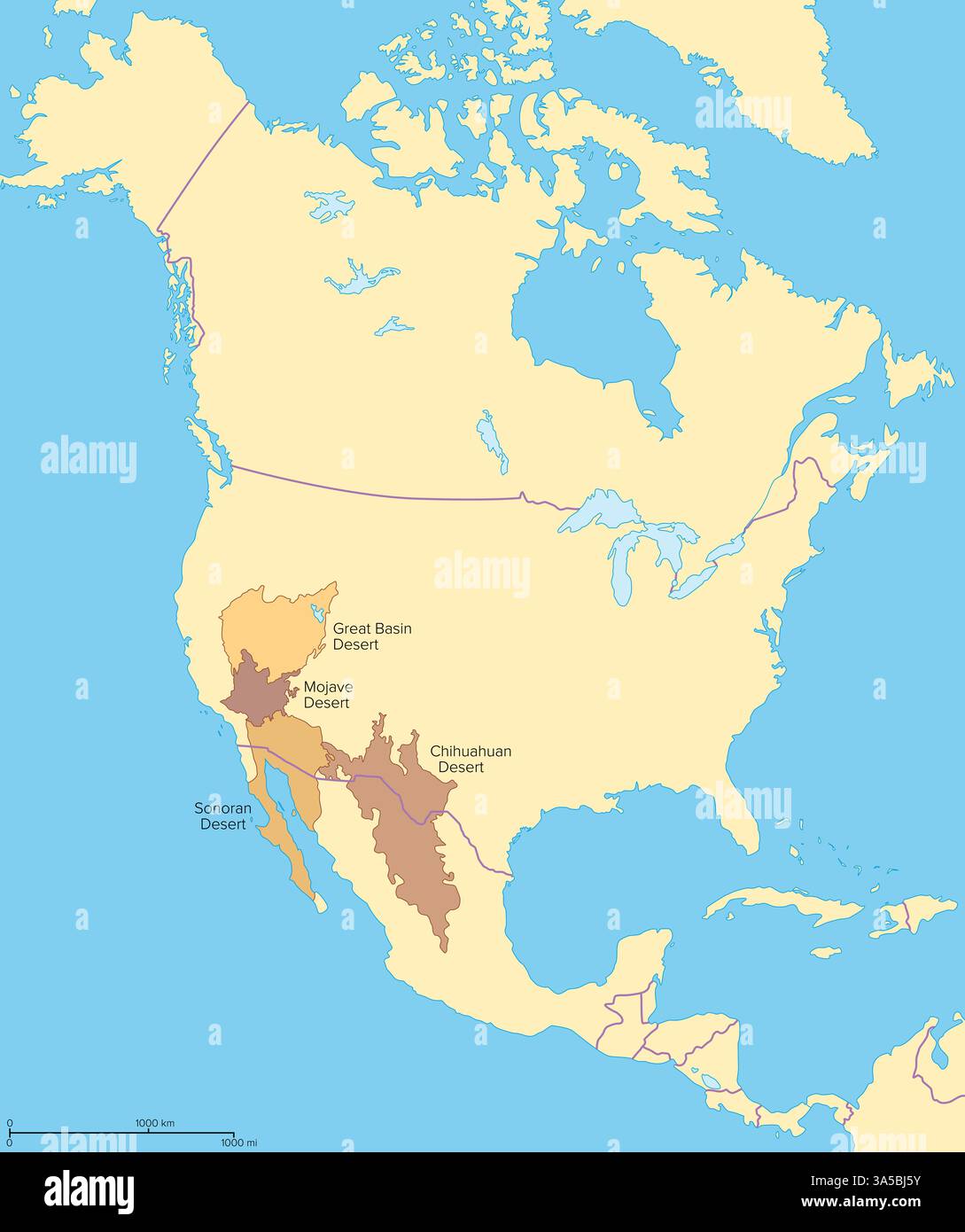
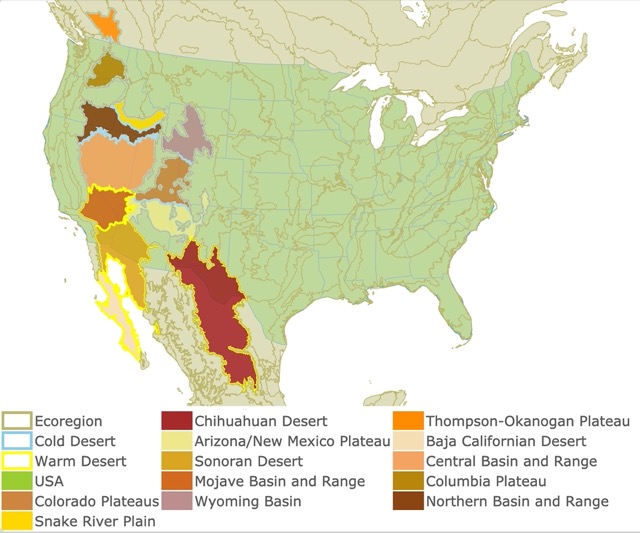
The US is primarily home to four major deserts, each defined by distinct geographic boundaries, climatic conditions, and ecological communities. These deserts are: the Mojave Desert, the Sonoran Desert, the Chihuahuan Desert, and the Great Basin Desert.
The Mojave Desert: Land of the Joshua Tree
The Mojave Desert, famous for its iconic Joshua Trees, is located primarily in Southern California and extends into Nevada, Utah, and Arizona. It is the hottest and driest of the North American deserts. The Mojave is characterized by high temperatures, low rainfall (typically less than 6 inches annually), and a landscape of rugged mountains, sandy washes, and vast expanses of arid land.
The Joshua Tree (Yucca brevifolia) is the defining plant species of the Mojave, lending its name to the Joshua Tree National Park, a popular destination for hikers, climbers, and nature enthusiasts. Other common plants include creosote bush, burrobush, and various species of cacti.
The Mojave Desert’s extreme conditions support a specialized range of animals, including the desert tortoise, roadrunners, coyotes, and a variety of reptiles and insects. The desert tortoise, in particular, is a threatened species, and its conservation is a significant focus for environmental organizations in the region.
The Sonoran Desert: A Biodiversity Hotspot
The Sonoran Desert, located primarily in Arizona and extending into California and Mexico, is the most biodiverse desert in North America. Unlike the Mojave, the Sonoran receives two rainy seasons, one in the winter and one in the summer, which supports a wider variety of plant life.
The iconic saguaro cactus, the largest cactus species in the United States, is a symbol of the Sonoran Desert. The Saguaro Cactus can live for over 150 years. Other notable plants include the organ pipe cactus, ocotillo, and a wide variety of flowering plants that bloom during the rainy seasons.
The Sonoran Desert is home to a rich array of wildlife, including Gila monsters, desert bighorn sheep, javelinas, and numerous bird species. The desert is a popular destination for birdwatchers, especially during the spring migration.
The Chihuahuan Desert: Grasslands and Mountains
The Chihuahuan Desert, the largest desert in North America, spans parts of Texas, New Mexico, and Arizona, as well as a large area of Mexico. It is characterized by a higher elevation and more rainfall than the Mojave and Sonoran deserts.
The Chihuahuan Desert is a mix of grasslands, shrublands, and mountainous areas. Common plant life includes creosote bush, mesquite, and various types of grasses and wildflowers. The desert is also home to a variety of cacti species, including the prickly pear.
Wildlife in the Chihuahuan Desert includes pronghorn, mule deer, coyotes, and numerous bird and reptile species. The desert is also known for its diverse insect life.
The Great Basin Desert: A Cold Desert
The Great Basin Desert is a cold desert, located primarily in Nevada and extending into Utah, California, and Oregon. It is characterized by cold winters, hot summers, and relatively low precipitation.
The Great Basin Desert’s dominant plant species is the sagebrush, which gives the region its characteristic gray-green hue. Other plants include saltbush, rabbitbrush, and various grasses.
The Great Basin Desert is home to a variety of wildlife, including the pronghorn, mule deer, coyotes, and numerous bird species. The desert also supports a variety of reptiles and insects.
Key Features of US Deserts
Each desert possesses unique characteristics that set it apart. Understanding these features helps appreciate the diversity and ecological significance of these environments.
Climate and Weather Patterns
Climate is a primary factor in defining a desert. Deserts are defined by their low precipitation levels, typically receiving less than 10 inches of rainfall annually. Temperature variations also play a significant role. Some deserts experience extreme heat, while others, like the Great Basin, have cold winters.
Weather patterns, including seasonal rainfall, wind, and temperature fluctuations, significantly influence the types of plants and animals that can survive in a desert environment.
Geology and Terrain
The geology of a desert shapes its landscape. Mountain ranges, basins, plateaus, and sandy washes are common features. The composition of the soil, the presence of minerals, and the erosional forces of wind and water all contribute to the unique geological formations found in each desert.
Flora and Fauna
The plants and animals of the deserts have adapted to survive in harsh conditions. These adaptations can include water storage mechanisms, nocturnal behavior, and specialized diets. The biodiversity of each desert varies, with the Sonoran Desert being the most biodiverse.
Challenges and Conservation Efforts
Deserts face numerous threats, including climate change, habitat loss, and human activities. Conservation efforts are crucial to protect these valuable ecosystems.
Climate Change Impacts
Climate change poses a significant threat to deserts. Rising temperatures, altered precipitation patterns, and increased frequency of extreme weather events can stress desert ecosystems and threaten the survival of native species. Prolonged droughts and heatwaves can be especially damaging.
Habitat Loss and Fragmentation
Human development, including urbanization, agriculture, and mining, can lead to habitat loss and fragmentation. This can isolate populations of animals, reduce genetic diversity, and disrupt ecosystem processes.
Conservation Strategies
Conservation efforts include establishing protected areas, implementing sustainable land management practices, and educating the public about the importance of desert conservation. Restoring degraded habitats and combating invasive species are also crucial.
Individual Actions
Individuals can contribute to desert conservation by supporting conservation organizations, reducing their environmental footprint, and practicing responsible outdoor recreation. Avoiding the use of excessive water and respecting desert wildlife are also important steps.
Frequently Asked Questions (People Also Ask)
What is the hottest desert in the US? The Mojave Desert is generally considered the hottest and driest desert in the US.
What is the largest desert in the US? The Chihuahuan Desert is the largest in North America, with a significant portion in the US.
What is the most biodiverse desert in the US? The Sonoran Desert is the most biodiverse.
What animals live in the desert? Deserts are home to a wide range of animals, including reptiles (snakes, lizards), mammals (coyotes, desert bighorn sheep), birds (roadrunners, various raptors), and insects.
What plants live in the desert? Desert plants have adapted to survive with little water. Common examples include cacti (saguaro, prickly pear), creosote bush, Joshua trees, and various wildflowers and grasses.
How can I help protect the desert? You can support conservation organizations, reduce your environmental impact (conserve water, reduce waste), and practice responsible outdoor recreation when visiting desert areas.
Conclusion
The deserts of the United States are diverse and ecologically significant environments. From the iconic Joshua Trees of the Mojave to the saguaro cacti of the Sonoran, each desert offers a unique landscape and supports a specialized array of plants and animals. Understanding the distribution, characteristics, and threats to these deserts is crucial for effective conservation. By supporting conservation efforts and practicing responsible environmental stewardship, we can help protect these vital ecosystems for future generations. Exploring the deserts offers a chance to connect with the raw beauty of nature and appreciate the resilience of life in the face of extreme conditions.
By understanding the unique features of the Mojave, Sonoran, Chihuahuan, and Great Basin deserts, we gain a deeper appreciation for the beauty and ecological importance of these arid regions. Conservation efforts are essential to preserving the biodiversity and natural wonders of these precious landscapes.