Why Would You Need to Find Out Who Owns Property?
- Real Estate Investment: Identifying potential properties for investment and contacting the owners directly.
- Neighborly Matters: Addressing concerns about property maintenance or boundaries with the owner.
- Legal Purposes: Conducting due diligence for legal disputes or property transactions.
- Research: Gathering information for historical or urban planning research.
- Community Development: Understanding land ownership for community improvement projects.
Understanding Property Records
Before diving into map-based searches, it’s essential to understand the basics of property records. These records are typically maintained by local government agencies and contain vital information about a property’s ownership, boundaries, and legal descriptions.
What Information is Included in Property Records?
- Owner’s Name: The legal name of the property owner.
- Property Address: The official address of the property.
- Legal Description: A detailed description of the property’s boundaries, often using metes and bounds or lot and block systems.
- Parcel Number: A unique identifier assigned to the property by the local government.
- Deeds: Records of property transfers, including sales, gifts, and inheritances.
- Liens and Encumbrances: Information about any claims against the property, such as mortgages or tax liens.
Where Are Property Records Kept?
- County Recorder’s Office: Responsible for recording and maintaining property deeds and other legal documents.
- Assessor’s Office: Responsible for assessing property values for tax purposes.
- Tax Collector’s Office: Responsible for collecting property taxes.
- Planning and Zoning Department: Responsible for land use regulations and zoning maps.
Using Maps to Identify Property Owners
Maps are powerful tools for identifying property owners, especially when combined with online databases and Geographic Information Systems (GIS). Here’s how you can use maps to find out who owns a property.
Leveraging Online Mapping Tools
Several online mapping tools can help you identify property owners. These tools often integrate with property record databases, allowing you to click on a property and view its ownership information.
Google Maps: A Starting Point
- Identify the Property Address: Enter an approximate address or landmark to locate the property on the map.
- View the Property Boundaries: Use the satellite view to get a visual representation of the property boundaries.
- Find Nearby Landmarks: Identify nearby streets, buildings, or other landmarks that can help you narrow down your search in other databases.
County GIS Websites: The Gold Standard
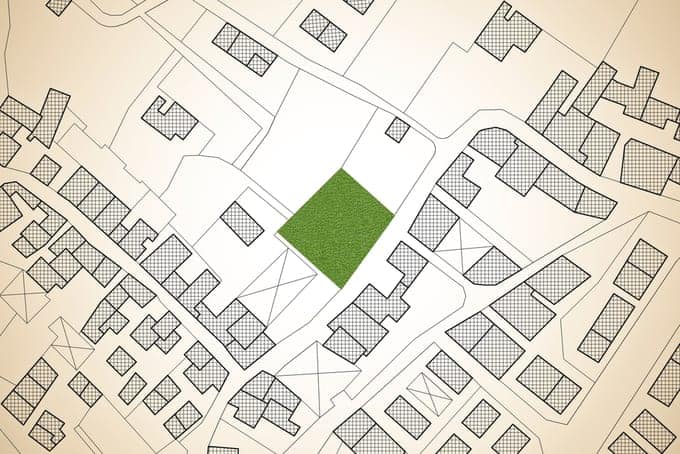
Many counties and municipalities offer online GIS (Geographic Information System) websites that provide detailed property information. These GIS websites are often the most accurate and up-to-date sources for property ownership data.
How to Use County GIS Websites
- Find Your County’s GIS Website: Search online for ‘ GIS’ or ‘ Property Map’.
- Navigate the Map: Use the map’s navigation tools to zoom in on the area of interest.
- Identify Parcels: Click on individual parcels to view property information.
- View Ownership Information: Look for fields such as ‘Owner Name,’ ‘Property Address,’ ‘Parcel Number,’ and ‘Legal Description.’
Imagine you’re researching a property in Anytown, USA. You find Anytown County’s GIS website and navigate to the property. By clicking on the parcel, you can see the owner’s name is ‘John Doe,’ the property address is ‘123 Main Street,’ and the parcel number is ‘1234567890.’
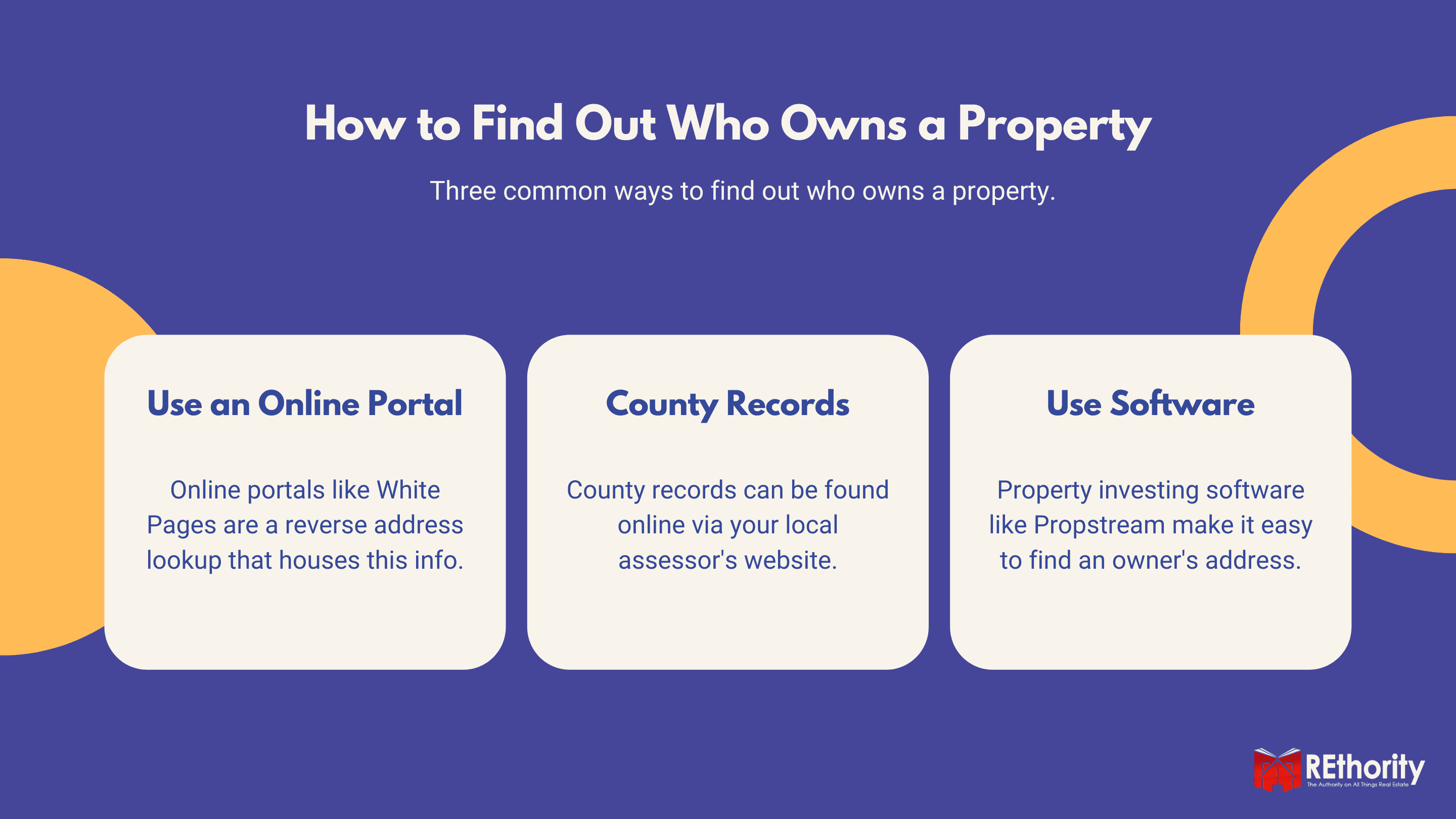
Utilizing Third-Party Property Search Websites
Several third-party websites specialize in providing property information, including ownership details. These websites aggregate data from various sources, such as county records, tax assessments, and deed registries.
Popular Property Search Websites
- Zillow: Offers property information, including estimated values, property history, and sometimes ownership details.
- Trulia: Similar to Zillow, provides property data and neighborhood information.
- Realtor.com: Provides property listings and information, often including ownership details.
- PropertyShark: Offers detailed property reports, including ownership information, property records, and sales history (often requires a subscription).
- LexisNexis: A paid service that can provide in-depth property and owner information, often used by legal professionals.
Pros and Cons of Using Third-Party Websites
- Pros: Convenient access to property information, user-friendly interfaces, and aggregated data from multiple sources.
- Cons: Information may not always be accurate or up-to-date, subscription fees may apply for detailed reports, and data privacy concerns.
Understanding Parcel Numbers and Legal Descriptions
Parcel numbers and legal descriptions are essential for accurately identifying a property and its boundaries.
What is a Parcel Number?
A parcel number is a unique identifier assigned to a property by the local government. It is used to track the property for tax assessment and record-keeping purposes. The parcel number can usually be found on property tax bills or assessment records.
How to Use a Parcel Number
- Search for Property Records: Enter the parcel number into the county recorder’s or assessor’s website to find property records.
- Verify Property Boundaries: Use the parcel number to view the property’s boundaries on a GIS map.
- Identify the Property Owner: The parcel number is often linked to the owner’s name in property databases.
What is a Legal Description?
A legal description is a detailed description of a property’s boundaries, typically using metes and bounds or lot and block systems. It is used to legally define the property’s boundaries in deeds and other legal documents.
Types of Legal Descriptions
- Metes and Bounds: Describes the property’s boundaries by specifying distances (metes) and directions (bounds) from a known starting point.
- Lot and Block: Describes the property by referring to a specific lot within a recorded subdivision plat.
Accessing Property Records in Person
If online resources don’t provide the information you need, you can visit the local government offices in person to access property records.
Visiting the County Recorder’s Office
The county recorder’s office is the primary location for accessing property deeds and other legal documents. You can search the public records index to find documents related to a specific property.
Steps to Access Records in Person
- Visit the County Recorder’s Office: Locate the county recorder’s office for the county where the property is located.
- Search the Public Records Index: Use the index to search for property records by owner name, property address, or parcel number.
- Request Copies of Documents: Request copies of deeds, mortgages, and other legal documents.
Tips for a Successful Search
- Be Prepared: Bring the property address, parcel number, or owner’s name to help narrow down your search.
- Ask for Assistance: Don’t hesitate to ask the staff for assistance in navigating the public records index.
- Bring Identification: You may need to provide identification to access certain records.
Navigating Privacy Concerns
While property ownership information is generally considered public record, there are privacy concerns to be aware of.
Understanding Public vs. Private Information
Property ownership information is considered public record because it is essential for transparency and accountability in property transactions. However, some personal information, such as phone numbers and email addresses, may not be publicly available.
Protecting Your Privacy as a Property Owner
- Use a Mailing Address: Use a post office box or commercial mailing address instead of your home address for property tax bills and other official correspondence.
- Request Confidentiality: Some states allow property owners to request that their names and addresses be kept confidential from public records.
- Be Cautious About Sharing Information: Be cautious about sharing your personal information with third-party websites or services.
Conclusion
Finding out who owns a property by map involves leveraging a combination of online tools, GIS websites, and local government resources. By understanding property records, utilizing online mapping tools, and navigating privacy concerns, you can successfully identify property owners and gather valuable information for your research, investment, or community development projects. Remember to always verify information from multiple sources to ensure accuracy and stay informed about local regulations and privacy laws.
Whether you’re a real estate investor, a curious neighbor, or a legal professional, the ability to access and interpret property ownership information is a valuable skill in today’s world. By following the steps outlined in this guide, you can unlock the secrets of property ownership and gain a deeper understanding of the land around you.