New York City is served by three major international airports: John F. Kennedy International Airport (JFK), LaGuardia Airport (LGA), and Newark Liberty International Airport (EWR). While often grouped under the ‘NYC airports’ umbrella, they are distinct entities with their own geographical positions, operational focuses, and transportation networks. Understanding these differences is paramount for efficient travel planning.
Beyond the ‘Big Three,’ smaller regional airports also play a role in connecting travelers to the wider New York State and surrounding areas. This article will provide a detailed overview, helping you visualize their placement and connectivity, much like you would interpret a detailed map.
Understanding New York City’s Airport Landscape
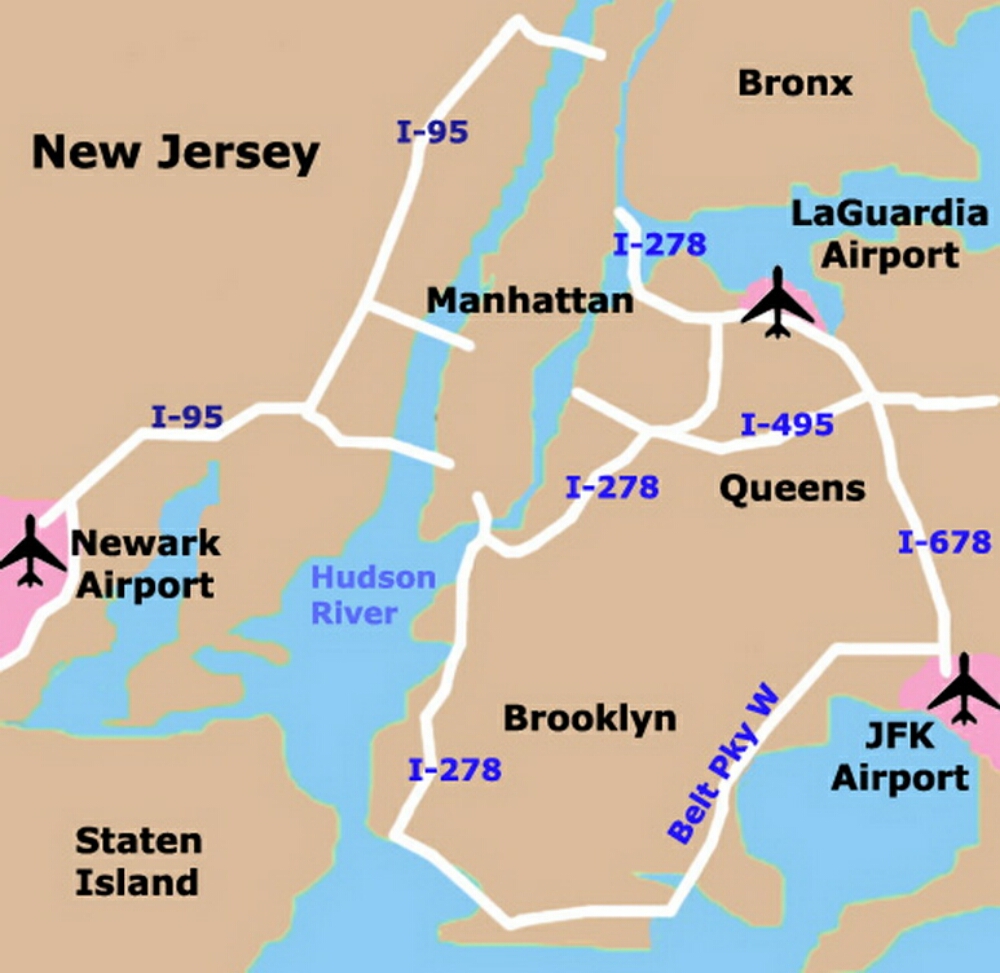
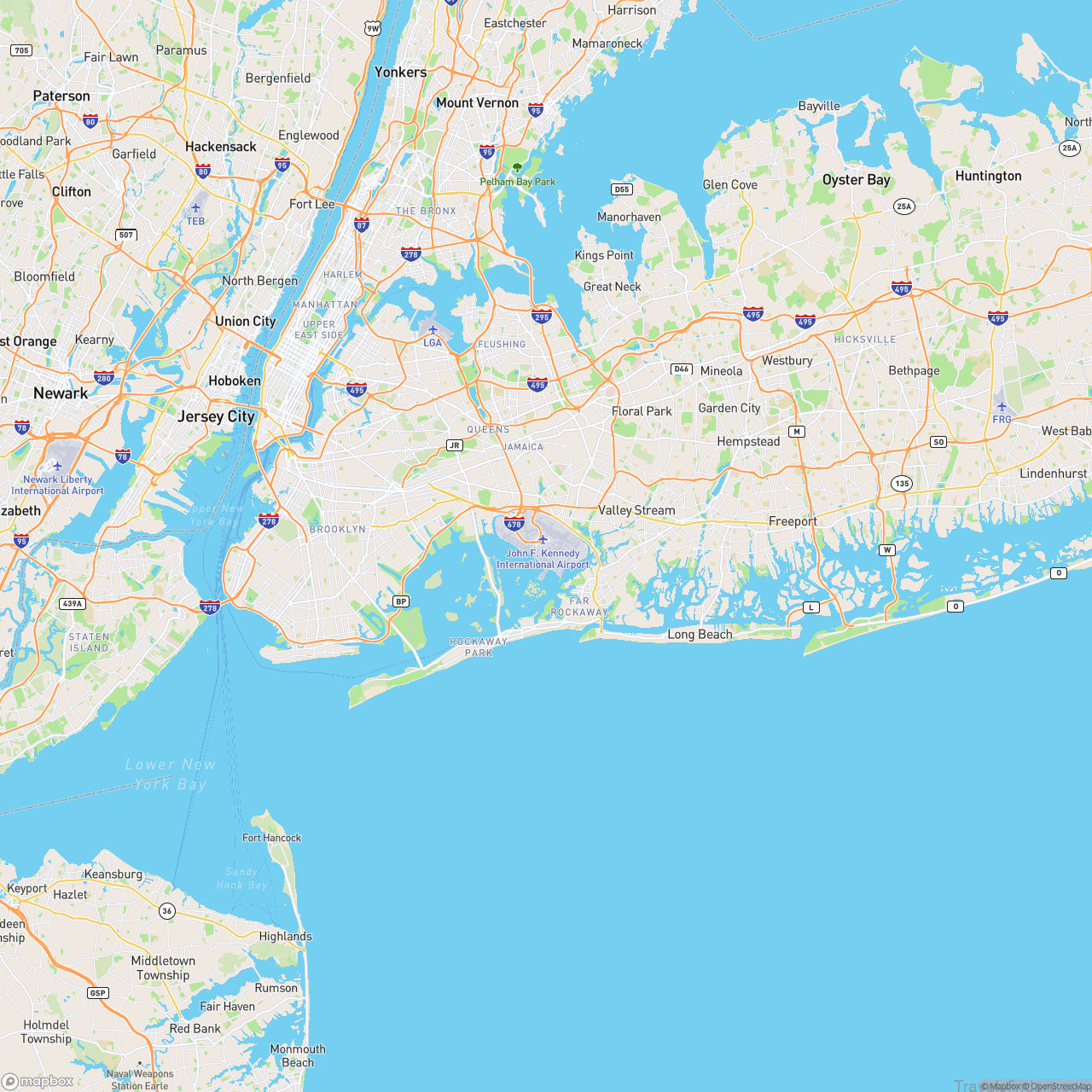
The New York metropolitan area is unique in that its primary airports span two different states. JFK and LaGuardia are located within New York State, specifically in the borough of Queens, New York City. Newark Liberty, however, is situated across the Hudson River in Newark, New New Jersey. This geographical distinction significantly impacts travel times and public transportation options, a critical factor when viewing these airports on a map.
Each airport serves a distinct purpose and caters to different types of travelers. JFK is renowned for its extensive international flights, LaGuardia primarily handles domestic travel, and Newark Liberty serves as a major hub for United Airlines and offers a mix of domestic and international routes. Your flight’s origin or destination will often dictate which airport you’ll utilize.
Navigating John F. Kennedy International Airport (JFK)
John F. Kennedy International Airport (JFK) is New York City’s largest and busiest airport, serving as a major international gateway to the United States. Located in southeastern Queens, approximately 16 miles southeast of Midtown Manhattan, its vast complex of terminals can be intimidating without proper guidance.
On a map, JFK appears as a sprawling facility with multiple terminals arranged around a central core. It’s crucial to note that JFK is well-connected to New York City’s public transportation network, making it accessible even without a car.
- AirTrain JFK: This automated people mover system connects all passenger terminals, parking lots, hotel shuttle areas, and rental car facilities. Crucially, it links to two major transit hubs: Jamaica Station (for Long Island Rail Road LIRR and NYC Subway E, J, Z lines) and Howard Beach Station (for NYC Subway A line).
- Long Island Rail Road (LIRR): From Jamaica Station, the LIRR offers fast and frequent service to Penn Station in Midtown Manhattan, as well as Brooklyn and Long Island. This is often the quickest way to reach Manhattan.
- NYC Subway: The A, E, J, and Z subway lines provide a more economical, though often longer, journey to various parts of Manhattan, Brooklyn, and Queens.
- Taxis & Rideshares: Taxis operate on a flat fare to Manhattan, while rideshare services (Uber, Lyft) are widely available. Both offer direct, door-to-door service but can be subject to significant traffic delays.
- Airport Shuttles: Various shared-ride and private shuttle services offer transportation to hotels and specific destinations throughout the city.
Exploring LaGuardia Airport (LGA)
LaGuardia Airport (LGA) is situated in northern Queens, approximately 8 miles east of Midtown Manhattan. Historically known for its dated infrastructure, LGA has undergone a massive, multi-billion dollar redevelopment, transforming it into a modern, state-of-the-art facility primarily serving domestic flights.
On a map, LaGuardia is positioned closer to Manhattan than JFK, making it a preferred choice for many domestic travelers heading to the city. Its proximity, however, doesn’t always translate to faster travel times due to its less direct public transit connections.
Discovering Newark Liberty International Airport (EWR)
Newark Liberty International Airport (EWR) is located in Newark, New Jersey, approximately 16 miles southwest of Midtown Manhattan. While technically outside New York State, EWR is an integral part of the NYC airport system, serving a substantial number of domestic and international flights, particularly as a major hub for United Airlines.
On a map, EWR is clearly separated from the NYC boroughs by the Hudson River. Despite this, its excellent rail connections often make it a competitive option for travelers heading to Manhattan, especially those arriving from points south or west.
- AirTrain Newark: This monorail system connects all terminals, parking lots, and rental car facilities to the Newark Liberty International Airport Station.
- NJ Transit & Amtrak: From the Newark Liberty International Airport Station, you can take an NJ Transit train directly to New York Penn Station in Midtown Manhattan. Amtrak also serves this station, offering connections to other major cities. This is generally the most efficient public transport option to Manhattan from EWR.
- Newark Airport Express Bus: This private bus service offers direct routes to various points in Manhattan (Port Authority Bus Terminal, Bryant Park, Grand Central Terminal).
- Taxis & Rideshares: Taxis and rideshares are available. Fares to Manhattan are metered and can be subject to tolls and surcharges for crossing state lines.
- Airport Shuttles: Shuttle services are available for door-to-door transport.
Strategic Considerations: Which Airport to Choose?
- Your Destination in NYC: If your final destination is in Queens or Brooklyn, JFK or LGA might be more convenient. For Manhattan, all three offer viable options, but their public transport links vary significantly.
- Flight Origin/Airline: International flights often lean towards JFK or EWR. If you’re flying United, EWR is a natural choice.
- Budget: Public transportation is generally the most economical. Consider the cost of AirTrain fees, LIRR/NJ Transit tickets, and potential tolls for taxis/rideshares.
- Time of Day: Traffic in and around NYC can be notoriously heavy. During rush hour, rail options (LIRR from JFK, NJ Transit from EWR) often prove faster than road transport.
- Luggage: If you have a lot of luggage, direct taxi/rideshare or shuttle services might be more comfortable, despite the higher cost.
Beyond the Big Three: Regional Airports
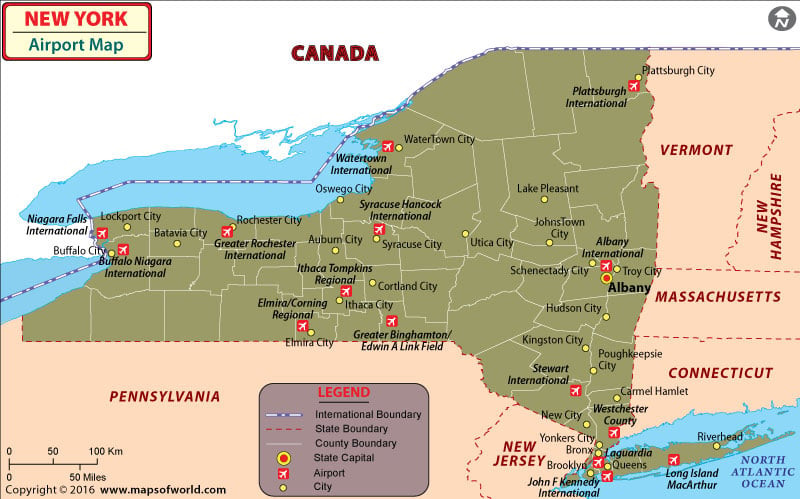
- Stewart International Airport (SWF): Located in Newburgh, New York, about 60 miles north of Manhattan. SWF serves a limited number of domestic and international flights, primarily for those traveling to the Hudson Valley region.
- Westchester County Airport (HPN): Situated in White Plains, New York, about 30 miles north of Manhattan. HPN handles mostly domestic, regional, and private flights, popular with residents of Westchester and Fairfield counties.
These regional airports offer an alternative for travelers whose final destinations are outside the immediate NYC core, potentially avoiding the congestion of the larger hubs.
Understanding Airport Codes: A Quick Reference
- JFK: John F. Kennedy International Airport
- LGA: LaGuardia Airport
- EWR: Newark Liberty International Airport
- NYC: This is a metropolitan area code and refers to all three major airports (JFK, LGA, EWR). When booking, be sure to specify the individual airport.
People Also Ask: Common Questions Answered
Which NYC airport is closest to Manhattan?
LaGuardia (LGA) is geographically closest to Midtown Manhattan, approximately 8 miles. However, its public transportation links can sometimes make the journey longer than from JFK or EWR via rail.
How much does it cost to get from the airport to the city?
Costs vary widely. Public transport (AirTrain + Subway/LIRR/NJ Transit) can range from $8 to $20. Taxis to Manhattan typically cost $50-80 (flat fare for JFK, metered for LGA/EWR, plus tolls/surcharges). Rideshares can be similar or higher, depending on demand.
Are all NYC airports in New York State?
No. JFK and LaGuardia are in Queens, New York. Newark Liberty International Airport (EWR) is in Newark, New Jersey.
What’s the best airport for a layover?
This depends on the length of the layover and your airline. JFK offers the most international connections. EWR is a United hub. All three have dining and shopping, but none are particularly renowned for their layover amenities. If you have a very long layover and wish to explore, consider the ease of access to Manhattan via rail from JFK or EWR.
Conclusion: Mastering Your NYC Airport Journey
A map of New York City with airports is more than just a visual aid; it’s a strategic tool for planning your arrival and departure. By understanding the distinct locations, robust transportation networks, and specific characteristics of John F. Kennedy International, LaGuardia, and Newark Liberty International airports, you can make informed decisions that save time, reduce stress, and enhance your overall travel experience.
Whether you prioritize speed, cost, or convenience, the diverse options available ensure that your journey through the NYC metropolitan area’s complex airport system can be as smooth and efficient as possible. Always check real-time traffic and transit updates before you travel, and choose the airport and transportation method that best aligns with your specific needs.