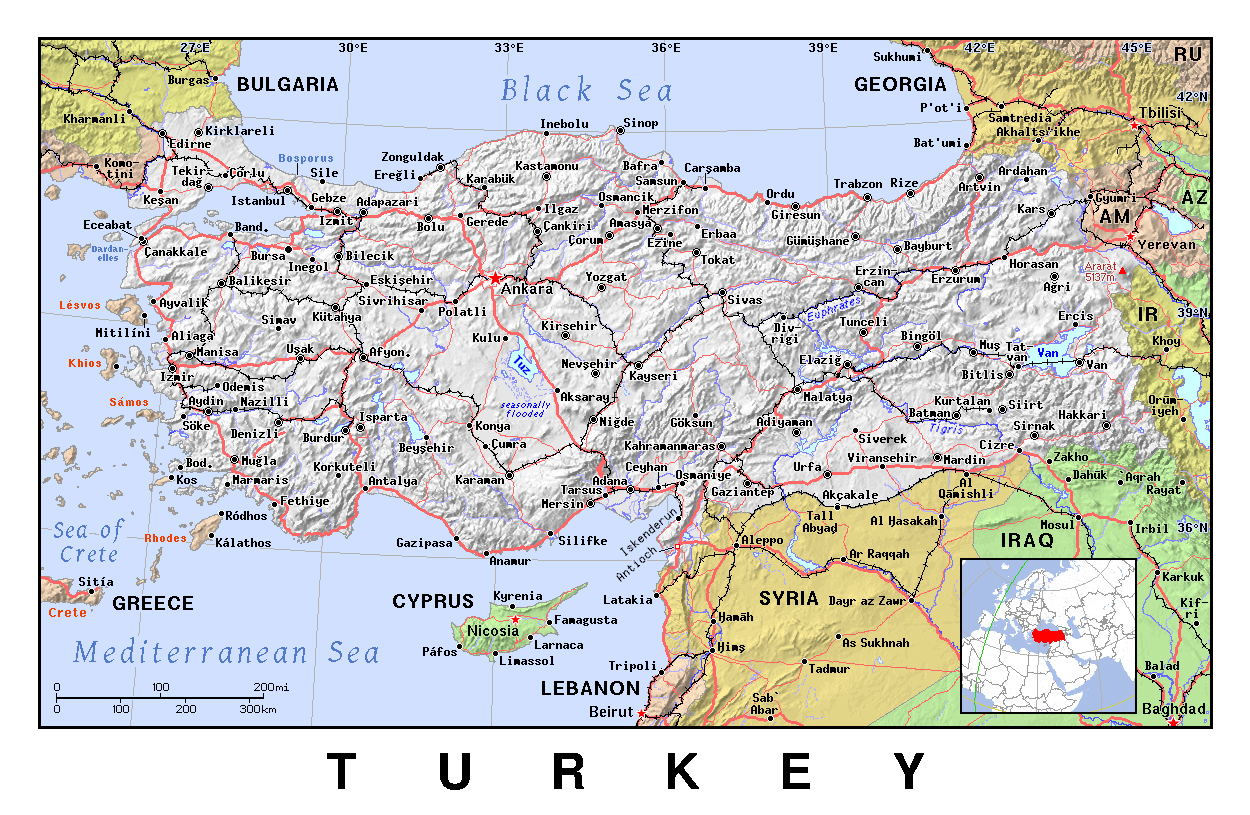
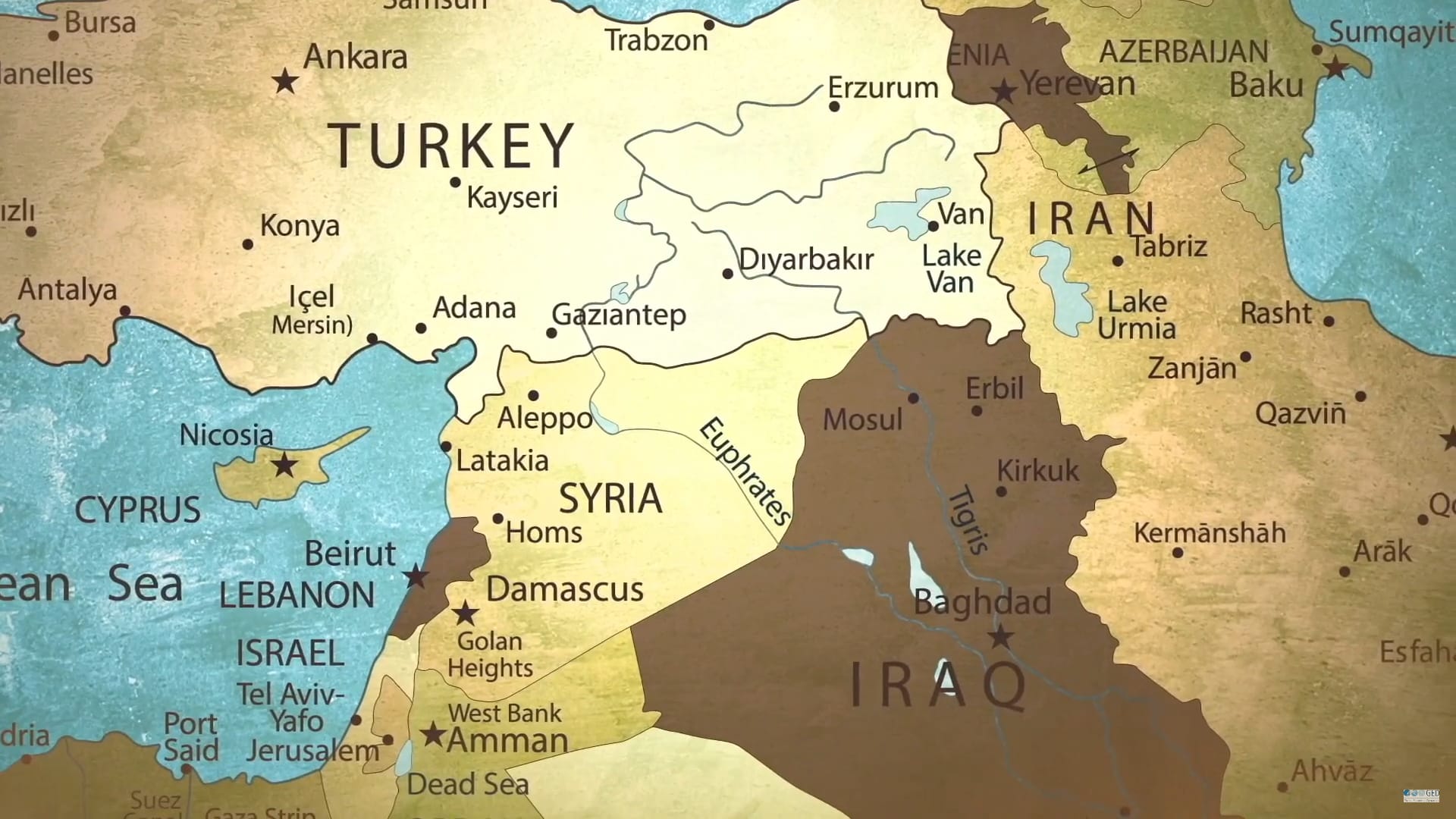
Turkey’s geographical location is pivotal to understanding its identity. While the majority of its landmass lies in Asia, a significant portion, known as East Thrace, is situated in Europe. This European section includes Istanbul, Turkey’s largest city and cultural heart. This dual continental identity has shaped Turkey’s history and continues to influence its interactions with both Europe and Asia.
Historically, Turkey’s connection to Europe dates back to the Roman Empire, with Constantinople (modern-day Istanbul) serving as its eastern capital. Later, the Ottoman Empire, centered in Turkey, exerted considerable influence over Southeastern Europe for centuries. This historical interaction has left a lasting impact on the cultural and political landscape of the region.
Culturally, Turkey has been influenced by both European and Asian traditions. While its roots are firmly planted in the Middle East and Central Asia, centuries of interaction with Europe have led to a blending of customs, art, and ideas. This cultural synthesis is evident in Turkish cuisine, music, architecture, and literature.
Turkey’s economic ties to Europe are substantial. The European Union (EU) is one of Turkey’s largest trading partners, and many Turkish businesses have strong links to European markets. The Customs Union agreement between Turkey and the EU, established in 1995, has facilitated trade and investment flows between the two regions. This economic interdependence is crucial for Turkey’s continued growth and development.
Turkey’s political relationship with Europe is complex and often debated. Turkey has been a candidate for EU membership since 1987, but accession negotiations have stalled due to various political and human rights concerns. Despite these challenges, Turkey remains a member of several European organizations, including the Council of Europe and NATO, highlighting its continued engagement with the continent.
Understanding Turkey’s Geographical Location
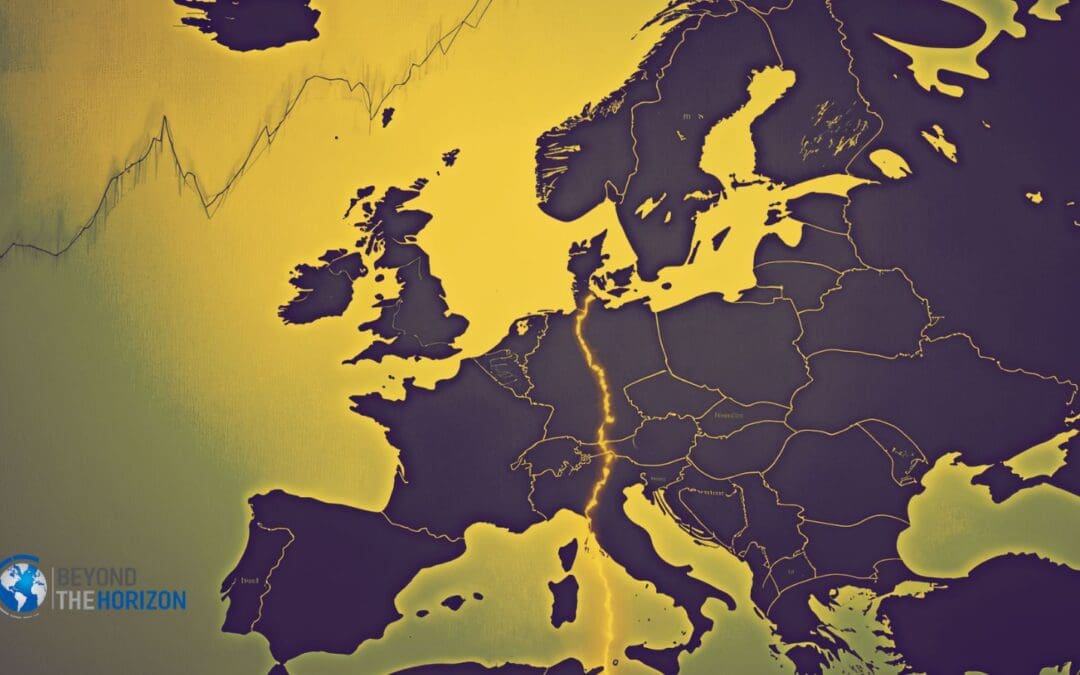
To fully grasp Turkey’s relationship with Europe, it’s crucial to visualize its geographical location. A Europe map clearly shows Turkey’s westernmost region, East Thrace, nestled within the Balkan Peninsula. This small but significant portion of Turkey provides a direct land border with European countries like Greece and Bulgaria. This proximity has facilitated trade, migration, and cultural exchange throughout history.
East Thrace: Turkey’s European Gateway
East Thrace, also known as Turkish Thrace, is the part of Turkey that lies within Europe. It represents approximately 3% of Turkey’s total land area but holds immense strategic and symbolic importance. Istanbul, the historical and cultural capital of Turkey, is located in this region, straddling both Europe and Asia across the Bosphorus Strait. Edirne, another significant city in East Thrace, has served as a former Ottoman capital and is rich in historical landmarks.
The Bosphorus Strait: A Natural Divide and Bridge
The Bosphorus Strait, a narrow waterway that separates Europe and Asia, runs through Istanbul. This strait is not just a geographical divider but also a vital shipping lane connecting the Black Sea with the Mediterranean Sea. Its strategic importance has made it a focal point of international relations for centuries. Bridges spanning the Bosphorus, such as the 15 July Martyrs Bridge and the Fatih Sultan Mehmet Bridge, physically connect the European and Asian sides of Istanbul, symbolizing Turkey’s unique position.
Turkey’s Cultural and Historical Connections to Europe
Turkey’s cultural and historical ties to Europe are deeply interwoven. From ancient civilizations to the Ottoman Empire, the region has been a crossroads of cultures, religions, and ideas. This historical interaction has shaped Turkey’s identity and continues to influence its relationship with Europe today.
The Legacy of the Ottoman Empire in Europe
The Ottoman Empire’s influence in Europe is undeniable. For centuries, the Ottomans controlled vast territories in Southeastern Europe, leaving a lasting impact on the region’s political, social, and cultural landscape. The legacy of Ottoman rule can be seen in the architecture, cuisine, and customs of many Balkan countries.
Modern Turkey’s Cultural Exchanges with Europe
In modern times, Turkey continues to engage in vibrant cultural exchanges with Europe. Turkish artists, musicians, and filmmakers have gained international recognition, contributing to the rich tapestry of European culture. Similarly, European cultural influences are evident in Turkey’s arts, fashion, and entertainment industries.
Turkey’s Economic Integration with Europe
Turkey’s economy is closely integrated with that of Europe. The EU is Turkey’s largest trading partner, and the Customs Union agreement has facilitated the flow of goods and services between the two regions. This economic partnership has brought significant benefits to both Turkey and Europe, fostering growth and development.
The Customs Union Agreement: A Cornerstone of Economic Relations
The Customs Union agreement, established in 1995, has been a cornerstone of Turkey’s economic relations with the EU. It allows for the free movement of goods between Turkey and the EU, promoting trade and investment. However, the agreement has also faced challenges, and there have been calls for its modernization to address current economic realities.
Foreign Direct Investment: Turkey as a Destination for European Capital
Turkey has attracted significant foreign direct investment from European countries, particularly in sectors such as manufacturing, finance, and tourism. This investment has contributed to Turkey’s economic growth and modernization. However, political and economic uncertainties have sometimes deterred investment flows.
Turkey’s Political Relationship with Europe and the EU
Turkey’s political relationship with Europe, particularly with the European Union, is complex and often fraught with challenges. While Turkey has long aspired to EU membership, accession negotiations have been stalled for years due to various political and human rights concerns.
The EU Accession Process: A Long and Winding Road
Turkey applied for EU membership in 1987, and accession negotiations began in 2005. However, the process has been slow and marked by numerous obstacles. Concerns over human rights, the rule of law, and democratic standards have led to a suspension of negotiations in recent years.
Turkey’s Role in European Organizations: Beyond the EU
Despite the challenges in its relationship with the EU, Turkey remains an active member of several European organizations, including the Council of Europe and NATO. These memberships reflect Turkey’s continued engagement with the continent and its commitment to European security and cooperation.
The Council of Europe: Promoting Human Rights and Democracy
Turkey has been a member of the Council of Europe since 1949, committing to uphold human rights, democracy, and the rule of law. The Council of Europe provides a platform for Turkey to engage in dialogue and cooperation with other European countries on issues such as human rights, education, and culture.
NATO: A Key Ally in European Security
Turkey is a member of NATO, playing a crucial role in European security. Turkey’s strategic location on the southeastern flank of Europe makes it an important ally in addressing security challenges in the region. Turkey has contributed to NATO missions and operations, demonstrating its commitment to collective defense.
Turkey’s Future in Europe: Scenarios and Perspectives
The future of Turkey’s relationship with Europe remains uncertain. Several scenarios are possible, ranging from full EU membership to a closer partnership outside the EU framework. The outcome will depend on political developments both in Turkey and in Europe.
Scenario 1: Full EU Membership
While currently unlikely, full EU membership remains a long-term aspiration for some in Turkey. Achieving this would require significant reforms in areas such as human rights, the rule of law, and democratic governance. It would also require a change in the political climate both in Turkey and in the EU.
Scenario 2: A Privileged Partnership
Another possible scenario is a privileged partnership between Turkey and the EU. This would involve closer cooperation in areas such as trade, security, and energy, without full membership. This option could provide many of the benefits of EU membership without the political challenges.
Scenario 3: A More Distant Relationship
A third scenario is a more distant relationship between Turkey and the EU. This could result from further deterioration in political relations or a shift in Turkey’s strategic focus towards other regions. This scenario would likely have negative consequences for both Turkey and Europe.
Conclusion: Turkey’s Enduring Connection to Europe
In conclusion, Turkey’s place on the Europe map is complex and multifaceted. Its geographical location, historical ties, cultural exchanges, economic integration, and political relationships all contribute to its unique position. While challenges remain, Turkey’s enduring connection to Europe is undeniable and will continue to shape its future.
Turkey’s unique position as a bridge between Europe and Asia presents both opportunities and challenges. By understanding the historical, cultural, economic, and political factors that shape its relationship with Europe, we can better appreciate its role in the global landscape. Whether through EU membership, a privileged partnership, or other forms of cooperation, Turkey’s future is inextricably linked to that of Europe.
- Turkey’s geographical location straddling Europe and Asia is central to its identity.
- Historical ties, particularly through the Ottoman Empire, have shaped Turkey’s relationship with Europe.
- Cultural exchanges continue to enrich both Turkey and Europe.
- Economic integration, especially through the Customs Union, is vital for Turkey’s prosperity.
- Political relations with the EU are complex, with ongoing challenges to accession.
Ultimately, understanding Turkey’s place on the Europe map requires a nuanced perspective that acknowledges its diverse influences and its evolving relationship with the continent. As Turkey navigates its future, its connection to Europe will undoubtedly remain a defining aspect of its identity and its role in the world.