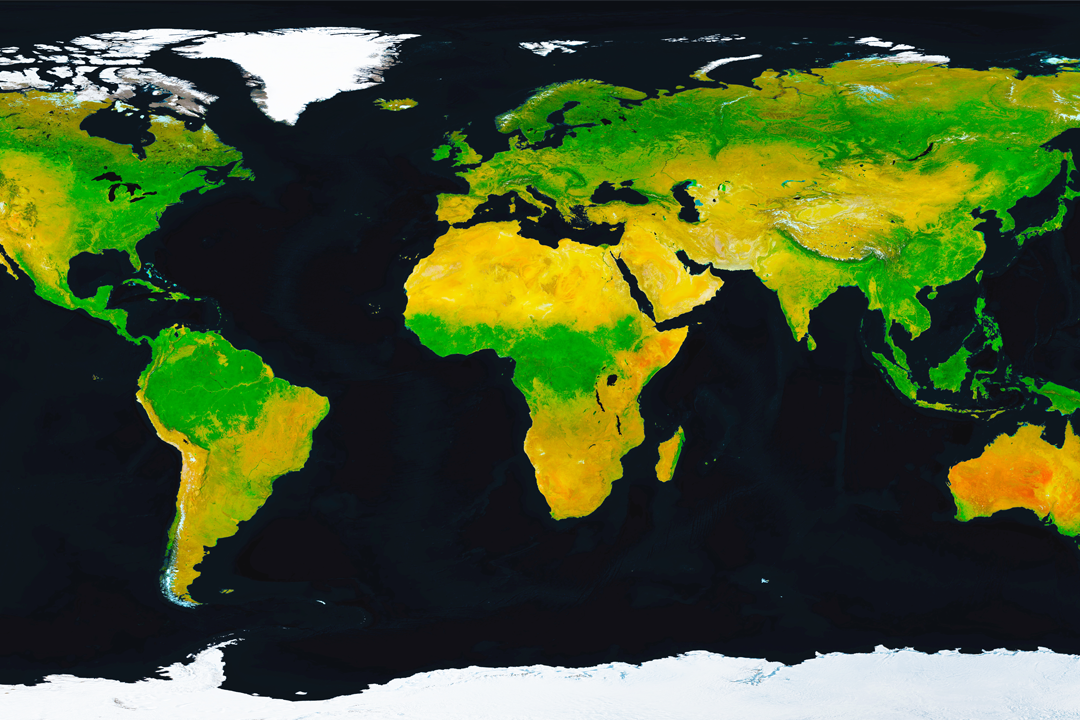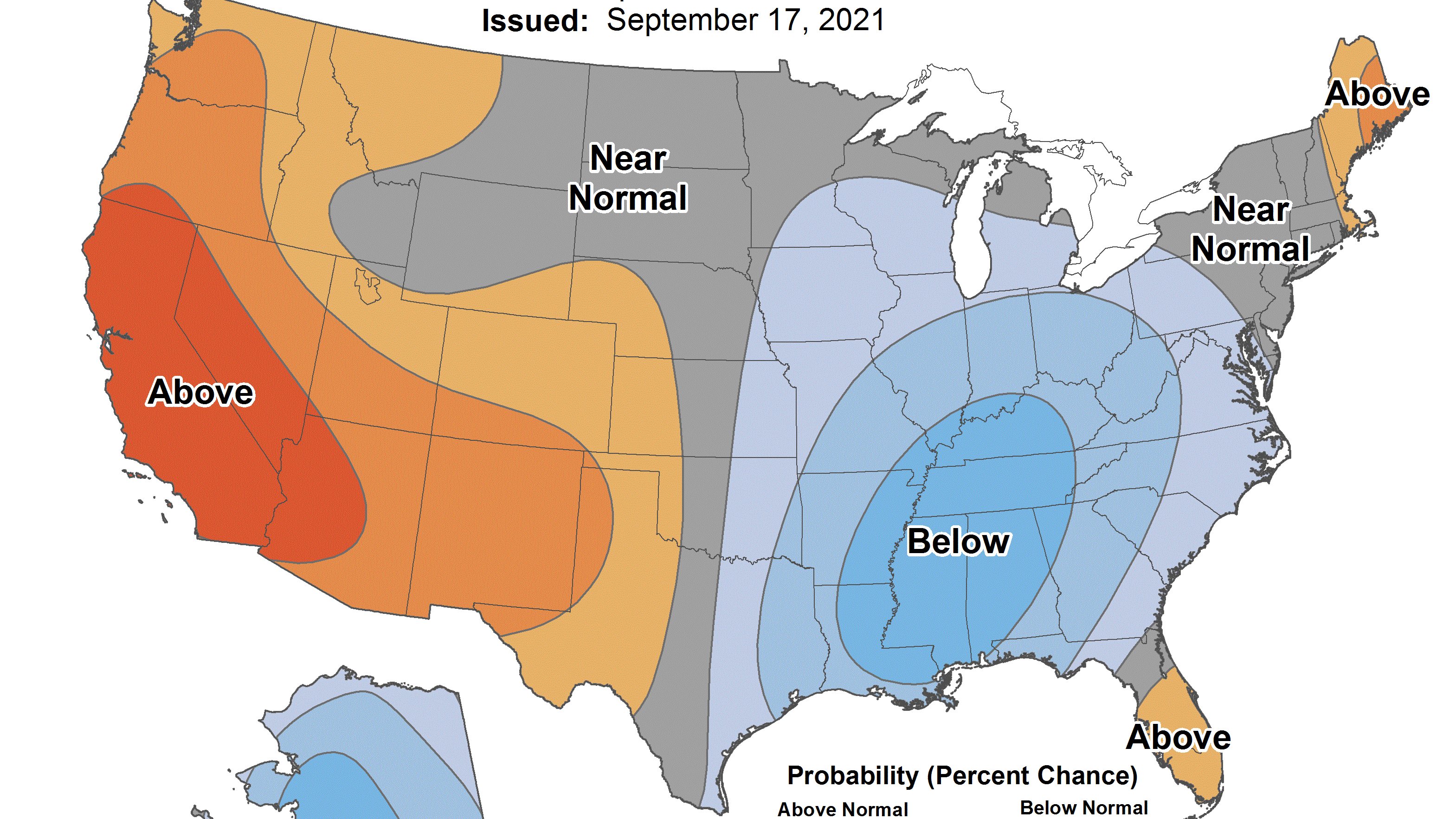
In an age of instant information, understanding the weather has never been more critical. From planning daily commutes to safeguarding against severe storms, a reliable forecast is an indispensable tool. While a simple app icon can tell you if it’s sunny or rainy, the true power lies in the map of weather today. This dynamic, data-rich resource offers a comprehensive view of atmospheric conditions, empowering you to not just know the forecast, but to understand why it’s happening.
This guide will demystify the modern weather map. We will explore everything from basic symbols and color codes to the advanced technology behind live weather radar. By the end, you’ll be able to interpret meteorological data like a professional, making informed decisions for your day-to-day activities.
What Exactly is a Weather Map?
At its core, a weather map—also known as a synoptic chart—is a geographical map that displays various meteorological features across a particular area at a specific point in time. Historically, these were meticulously hand-drawn by meteorologists using data from weather stations. Today, they are sophisticated, interactive digital displays that pull real-time data from satellites, Doppler radar, and ground-based sensors around the globe.
The primary purpose of a weather map is to provide a visual representation of weather patterns. It allows us to see the movement of storm systems, the boundaries between different air masses, and areas of high and low atmospheric pressure. This visual context is something a simple temperature reading or percentage chance of rain can never provide.
Decoding the Map of Weather Today: Key Elements Explained
At first glance, a weather map can seem like a confusing collection of lines, letters, and colors. However, once you learn the language, it becomes an incredibly intuitive tool. Let’s break down the most common elements you’ll encounter.
Pressure Systems: The Engines of Weather
- H for High Pressure: A high-pressure system generally indicates stable, sinking air. This typically leads to clear skies, light winds, and fair weather. Think of it as a ‘happy H’ for good weather.
- L for Low Pressure: A low-pressure system involves rising, unstable air. This motion often causes clouds to form, leading to precipitation, wind, and stormy conditions. The ‘lousy L’ is a simple way to remember its association with inclement weather.
Weather Fronts: The Battlegrounds of Air Masses
- Cold Front: A blue line with blue triangles pointing in the direction of movement. Cold fronts represent a mass of cooler, denser air advancing on a warmer air mass. They often bring a narrow band of intense thunderstorms, followed by a rapid drop in temperature and clearing skies.
- Warm Front: A red line with red semi-circles. Here, a warmer, less dense air mass is replacing a cooler one. Warm fronts typically bring widespread, gentle precipitation that can last for an extended period, followed by warmer, more humid conditions.
- Stationary Front: An alternating pattern of blue triangles and red semi-circles on opposite sides of the line. This indicates that two air masses have met, but neither is strong enough to displace the other. It often results in prolonged periods of cloudiness and precipitation.
- Occluded Front: A purple line with both triangles and semi-circles on the same side. This is a more complex front that forms when a fast-moving cold front overtakes a warm front, lifting the warm air entirely off the ground. They often bring a mix of weather conditions.
Understanding Live Weather Radar Colors
- Light Green: Light rain or drizzle.
- Dark Green to Yellow: Moderate rain.
- Orange and Red: Heavy rain and potentially strong thunderstorms.
- Purple, Pink, or White: Extremely intense precipitation, often indicating torrential rain and the presence of hail.
By watching the animation or ‘loop’ of a radar map, you can track the movement and intensity of storms in real-time, giving you a precise idea of when precipitation will arrive in your area.
The Different Types of Weather Maps You Can Use
Today’s digital platforms offer more than just a single view. They provide various ‘layers’ of data that you can toggle on and off to get a complete picture of the weather.
The Live Weather Radar Map
This is the go-to map for tracking precipitation. Using Doppler radar technology, stations send out beams of energy that bounce off raindrops, snowflakes, and hailstones. The returning signal provides information on the location, intensity, and movement of precipitation. This is your best tool for answering, "Is it going to rain in the next hour?"
Satellite Imagery Maps
- Visible Satellite: This is essentially a photograph from space. It’s great for seeing clouds during the day but is not useful at night.
- Infrared (IR) Satellite: This map measures the temperature of the cloud tops. Colder (higher) cloud tops are often associated with more powerful storms, like thunderstorms. IR imagery works 24/7.
Temperature Maps
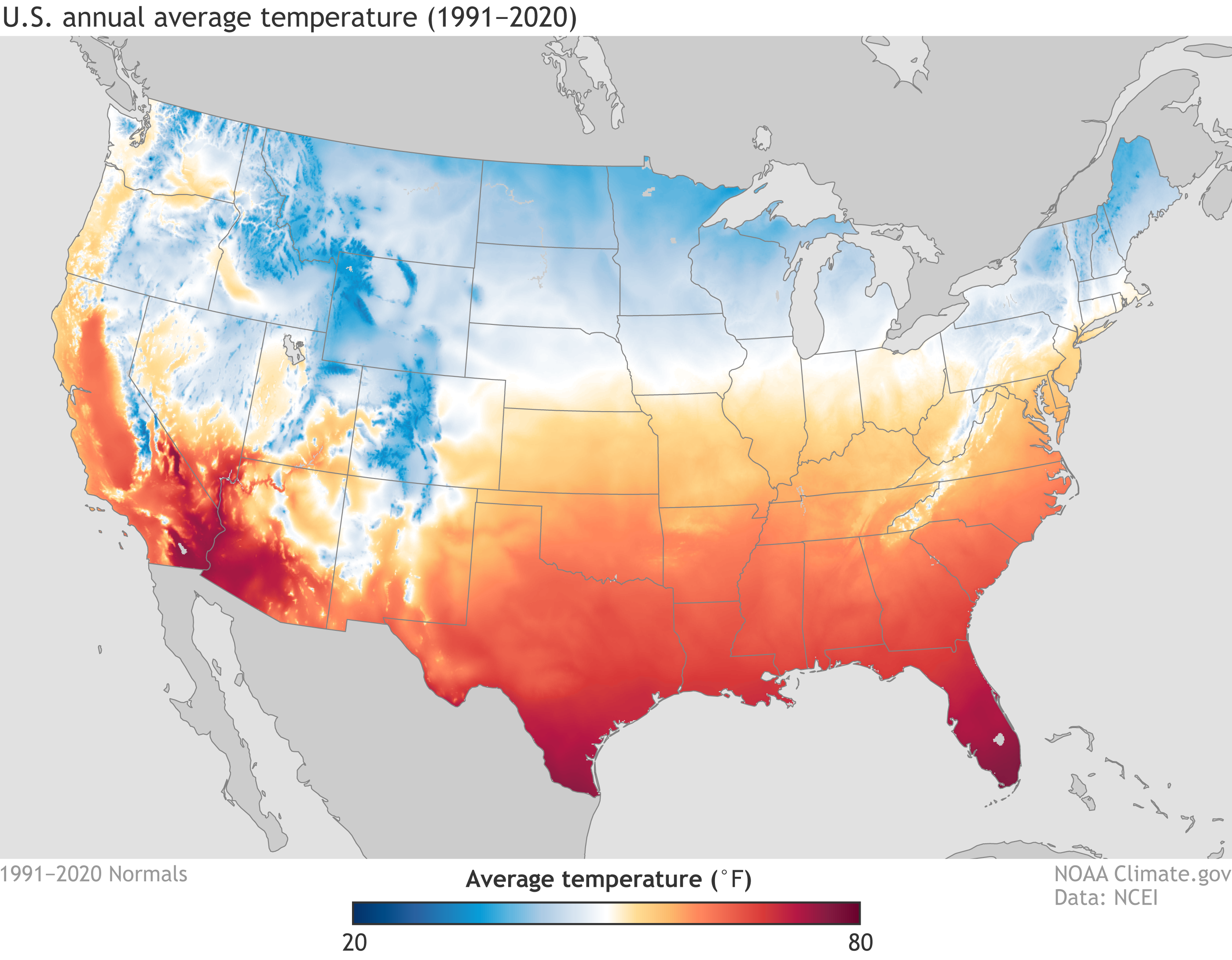
These maps use a color gradient—often blues and purples for cold, and oranges and reds for hot—to display surface temperatures across a region. They are excellent for visualizing the extent of a heatwave or a cold air outbreak and for seeing the temperature changes associated with passing fronts.
Wind and Jet Stream Maps
Wind maps use arrows, barbs, or animated streamlines to show both the direction and speed of the wind. A related and crucial map is the jet stream map. The jet stream is a high-altitude ‘river’ of air that steers weather systems across the globe. Its position and strength can tell meteorologists where storms are likely to track.
Severe Weather Alert Maps
When conditions are ripe for dangerous weather, national weather services issue watches and warnings. These are displayed on alert maps as color-coded polygons over specific areas. For example, a red polygon might indicate a Tornado Warning, while a yellow one could signify a Severe Thunderstorm Watch. This layer is critical for personal safety.
How to Access and Use a Live Map of Weather Today
Finding a high-quality, interactive weather map is easier than ever. Numerous websites and smartphone applications provide this data for free.
Top Websites and Apps for Weather Maps
- National Weather Service (NWS): The official source for U.S. weather data, offering highly accurate, no-frills radar and satellite maps.
- The Weather Channel (weather.com): A popular choice with a user-friendly interface and a feature-rich interactive map.
- AccuWeather: Known for its detailed forecasts and proprietary features like the MinuteCast, which predicts precipitation on a minute-by-minute basis.
- Weather Underground: A favorite among weather enthusiasts, it aggregates data from a vast network of personal weather stations, offering hyperlocal insights.
Key Features of a Great Interactive Map
- Interactivity: The ability to zoom in to your neighborhood and pan across the country.
- Multiple Layers: The option to overlay radar, satellite, temperature, and alerts on a single map.
- Animation/Looping: A play button that animates the past and future movement of storms.
- Future Radar: A computer model-based prediction of where precipitation will be in the coming hours.
Putting It All Together: A Practical Example
Let’s apply this knowledge. Imagine you open your favorite weather app and look at the map of weather today. You see a blue line with triangles approaching your city from the west. You now know this is a cold front. You switch to the radar layer and see a thin but intense line of yellow, orange, and red developing along that front. This tells you that a line of moderate-to-heavy thunderstorms is likely. By animating the radar, you can estimate its arrival time. Finally, you turn on the temperature layer and see that temperatures behind the front are 15 degrees cooler. You now have a complete, actionable understanding: expect a line of strong storms to pass through, followed by a significant drop in temperature.
Conclusion: Your Window to the Atmosphere
The map of weather today is far more than a simple picture; it is a powerful, dynamic tool for understanding the complex forces shaping our environment. By learning to read pressure systems, identify fronts, interpret radar colors, and utilize different data layers, you can move beyond being a passive consumer of forecasts to an informed observer of the atmosphere. Whether you’re planning a picnic, preparing for a cross-country trip, or ensuring your family’s safety during severe weather, mastering the weather map gives you the clarity and confidence to face whatever the day may bring.