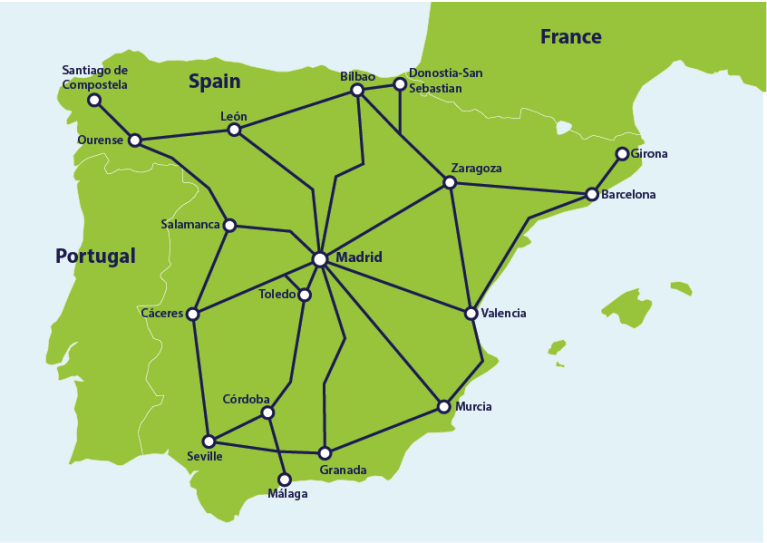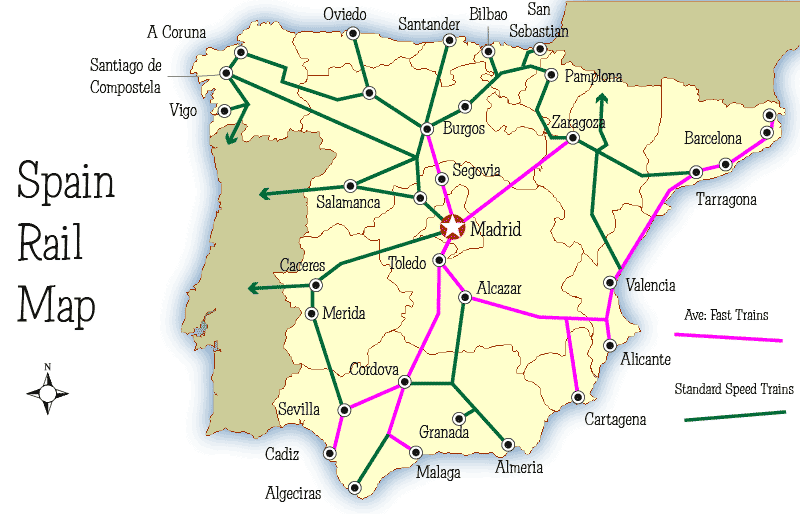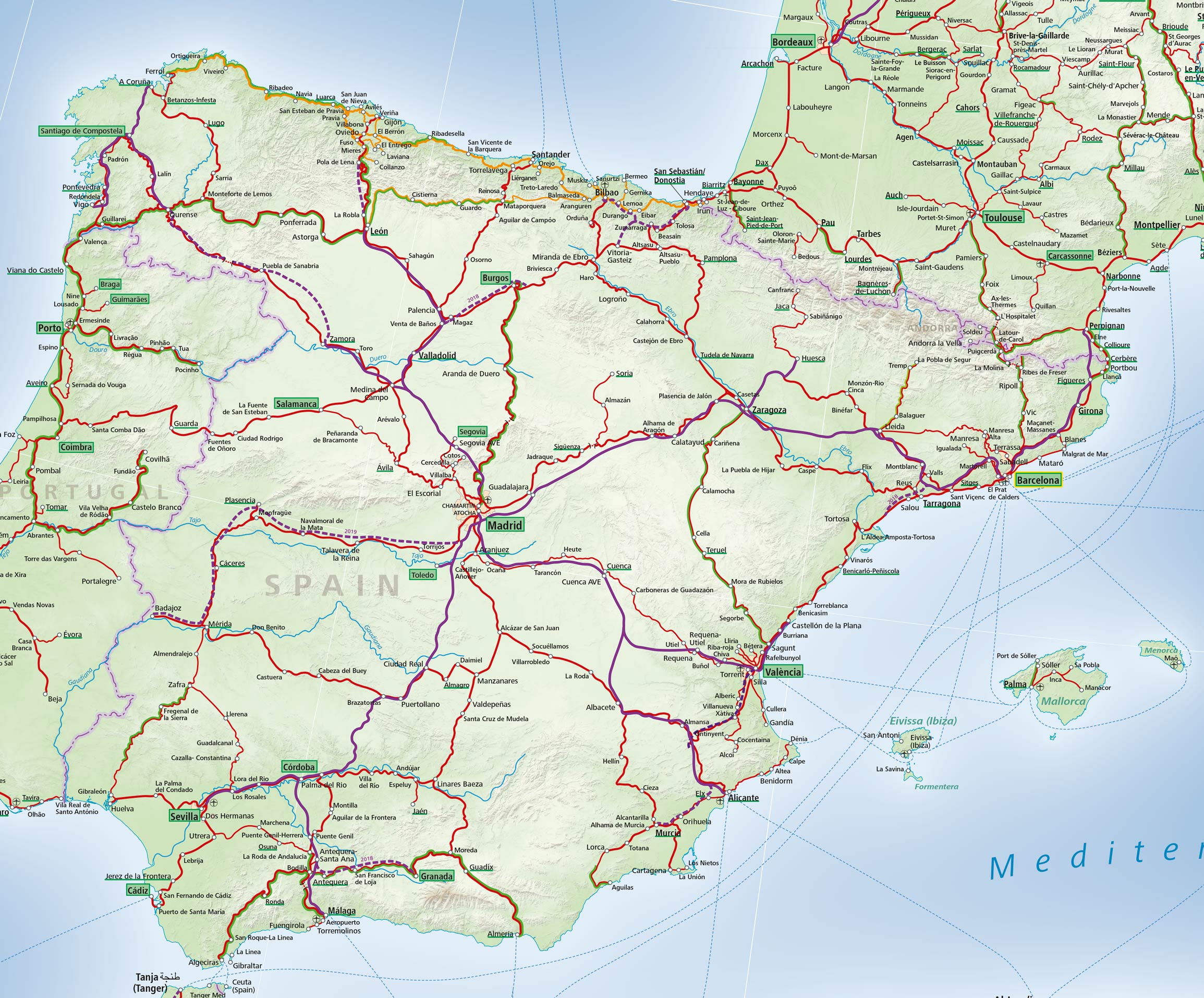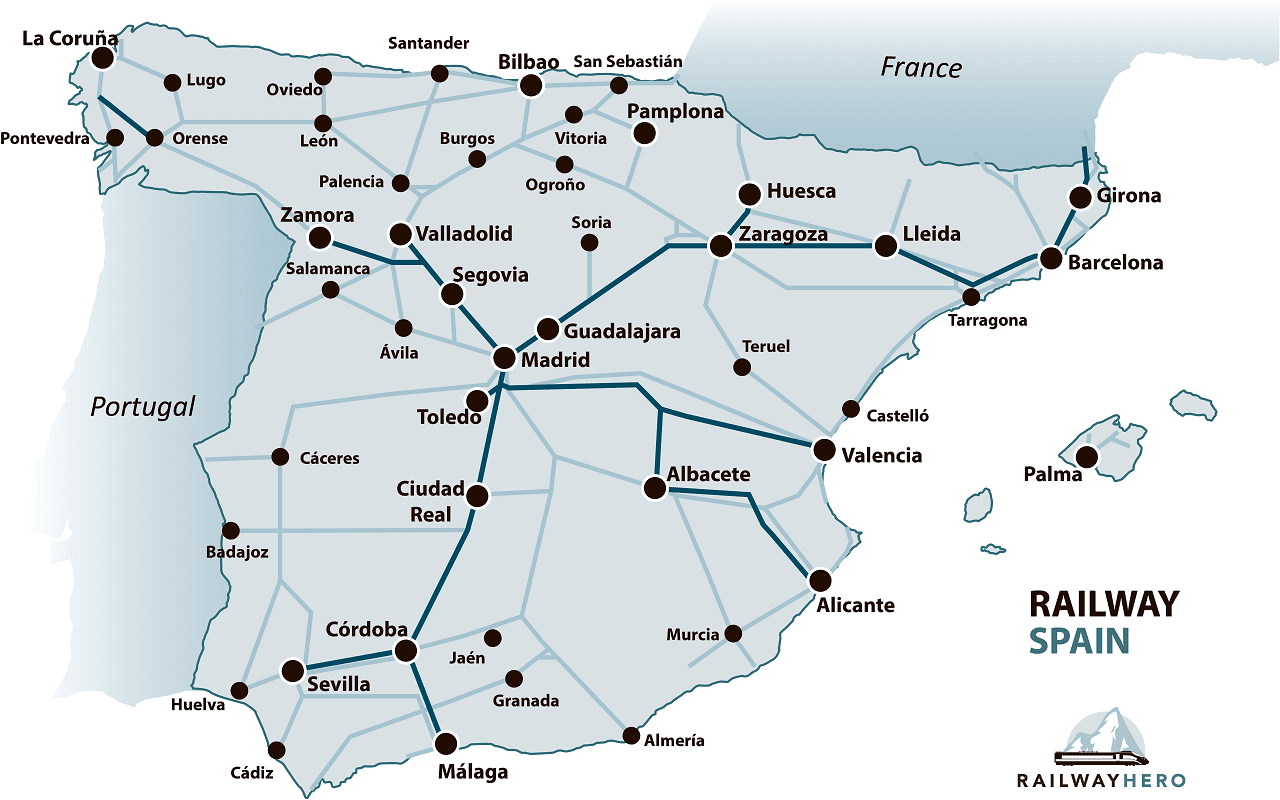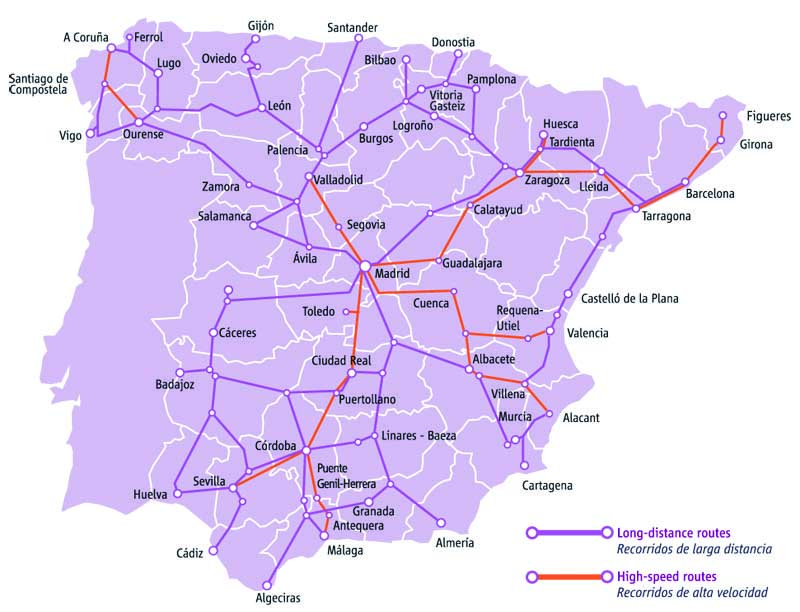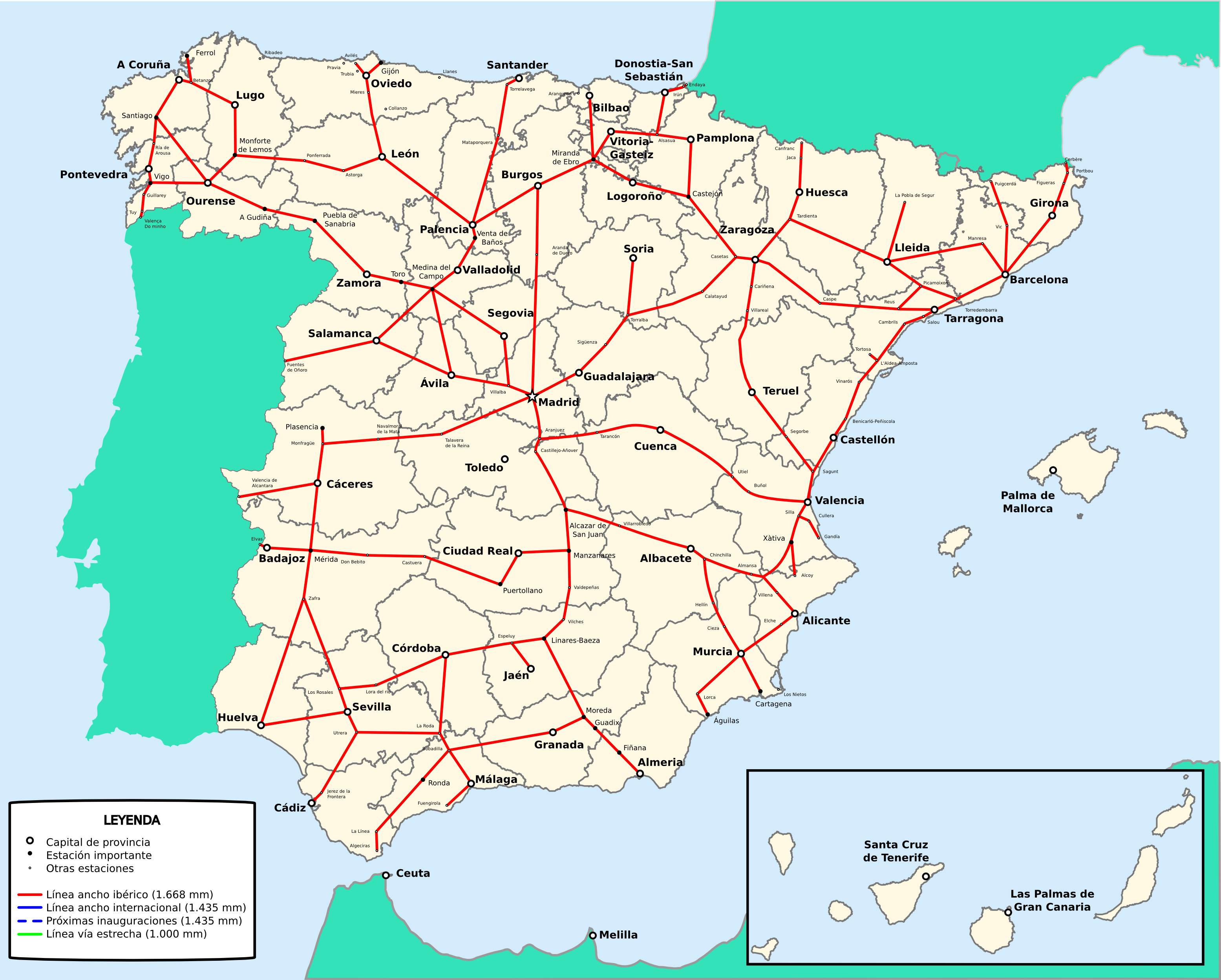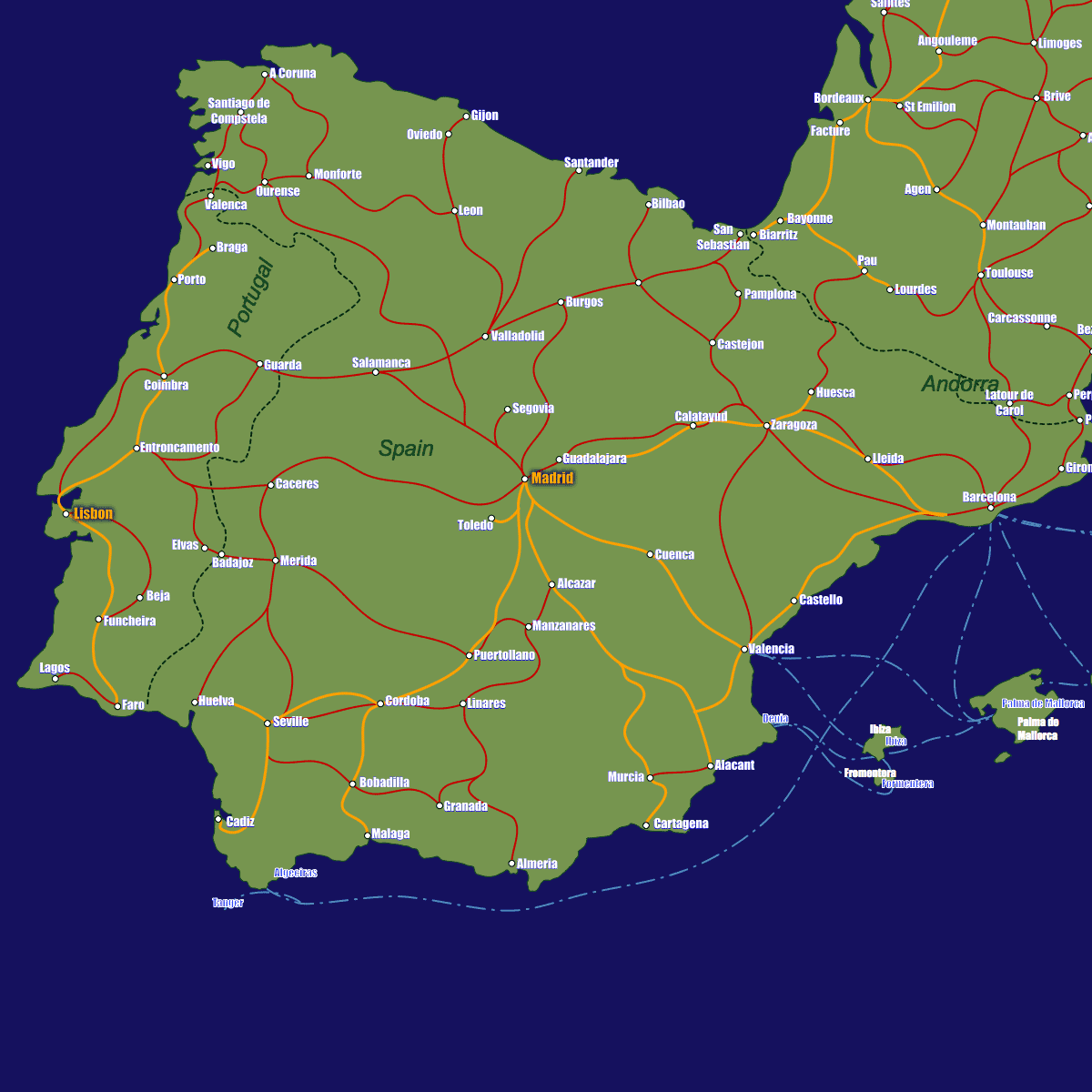
The Spanish rail system is divided into several categories, each catering to different travel needs and speeds. From high-speed AVE trains connecting major cities to regional and local services linking smaller towns, there’s a train for every itinerary. This guide aims to demystify the network, providing you with the knowledge to plan your perfect Spanish adventure.
Understanding the different types of trains is crucial for planning. The most renowned are the AVE (Alta Velocidad Española) trains. These are Spain’s flagship high-speed services, connecting major metropolitan areas like Madrid, Barcelona, Seville, Valencia, and Malaga with remarkable speed and comfort. AVE trains are known for their modern amenities, including spacious seating, onboard catering, and Wi-Fi.
Beyond the AVE, Renfe operates other high-speed and medium-distance services. The Alvia trains also offer high-speed capabilities on certain routes, often reaching destinations not directly served by AVE, sometimes using conventional lines at lower speeds. Euromed trains provide a high-speed link along the Mediterranean coast, connecting Barcelona with Valencia and Alicante.
For travel between cities and towns that aren’t on the high-speed network, Intercity and Media Distancia (MD) trains are your go-to options. Intercity services are long-distance trains connecting various cities, while Media Distancia trains operate on shorter to medium-length regional routes, making frequent stops. These are excellent for exploring smaller towns and experiencing the local rhythm.
The backbone of the Spanish rail network originates from Madrid. The capital city’s Atocha and Chamartín stations are central hubs, with trains radiating outwards to virtually every corner of the country. From Madrid Atocha, you can easily catch AVE trains to Barcelona, Seville, Valencia, and Malaga. Chamartín station primarily serves routes heading north and northwest, including destinations like Bilbao, San Sebastián, and Asturias.
Barcelona, the vibrant capital of Catalonia, is another major rail nexus. Barcelona Sants station is the primary hub, offering high-speed connections to Madrid, Seville, and Valencia, as well as international services to France. The city’s efficient public transport makes it easy to reach the station.
Exploring the southern region of Andalusia is made incredibly convenient by the rail network. Seville, Cordoba, and Malaga are well-connected by AVE and Alvia services. This allows travelers to easily hop between historic cities, experiencing flamenco in Seville, marveling at the Mezquita in Cordoba, and enjoying the beaches of Malaga, all within a few days.
The eastern coast, including Valencia and the Costa Blanca, is served by high-speed Euromed and AVE trains. This makes it simple to travel from Madrid or Barcelona to enjoy the city’s futuristic City of Arts and Sciences or the beautiful beaches.
Northern Spain, with its distinct culture and landscapes, is also accessible. While high-speed lines are less prevalent than in the south and east, Alvia and Intercity trains connect cities like Bilbao, San Sebastián, and Santander. The scenic routes through the Basque Country and Cantabria offer breathtaking views.
Planning your journey on the Spanish train map involves understanding the booking process and ticket types. Renfe’s official website (www.renfe.com) is the primary resource for checking schedules, routes, and purchasing tickets. It’s available in multiple languages, including English.
Booking tickets in advance is highly recommended, especially for AVE and Alvia services during peak travel times (holidays, weekends, summer). Early booking often secures better prices, as Renfe employs a dynamic pricing system similar to airlines. You can also purchase tickets at train stations, but availability and prices might be less favorable.
Renfe offers various ticket types. ‘Básico’ is the most economical, offering standard seating. ‘Elige’ provides more flexibility with a choice of seat and options for changes. ‘Prémium’ is the top tier, offering the most flexibility, spacious seating, and access to lounge facilities at major stations.
For frequent travelers or those planning extensive journeys, a Renfe Spain Pass might be a worthwhile consideration. These passes offer unlimited travel within a specified period (e.g., 4, 6, 10, or 15 days within two months) on most Renfe services, excluding certain high-speed routes like the AVE Madrid-Barcelona direct line. It’s essential to check the specific conditions of the pass.
When navigating the map of trains in Spain, consider the ‘People Also Ask’ questions that often arise. Many travelers wonder about the best way to travel between Madrid and Barcelona. The high-speed AVE is unequivocally the fastest and most convenient option, taking just under 3 hours.
Another common query is about traveling from Madrid to Seville. Again, the AVE is the primary choice, with journeys typically taking around 2.5 hours, making it an excellent alternative to flying when factoring in travel to and from airports and check-in times.
For those interested in a coastal route, the journey from Barcelona to Valencia is well-served by Euromed and AVE trains, taking approximately 3 to 3.5 hours. This route offers pleasant sea views along parts of the journey.
Traveling with luggage on Spanish trains is generally straightforward. Each passenger is typically allowed two pieces of luggage, with size and weight restrictions usually generous enough for typical travel needs. Larger items can be stowed in overhead compartments or designated luggage racks at the end of carriages. Ensure your luggage is clearly labeled with your name and contact information.
Understanding station layouts is part of efficient travel. Major stations like Madrid Atocha and Barcelona Sants are large complexes with multiple platforms, ticket offices, waiting areas, and amenities. Allow ample time to find your platform, especially if you are unfamiliar with the station. Digital departure boards clearly indicate train times, destinations, and platform numbers.
Consider the environmental impact of your travel choices. Trains are a significantly more sustainable mode of transport compared to flying or driving. By choosing to travel by rail across Spain, you are making an eco-conscious decision that reduces carbon emissions.
For a more immersive experience, explore the possibility of using regional trains. While slower, ‘Cercanías’ (commuter trains) and ‘Media Distancia’ services offer a glimpse into local life and connect smaller, often overlooked, destinations. These can be ideal for day trips from larger cities.
The map of trains in Spain is constantly evolving. Renfe continues to invest in infrastructure, expanding high-speed lines and modernizing existing services. Staying updated on potential route changes or new services can enhance your travel planning.
When planning a multi-city trip, using a route planner or a travel app that integrates train schedules can be invaluable. Websites like Omio, Trainline, or Rail Europe can provide comprehensive comparisons and booking options, often aggregating information from Renfe and other European rail operators.
It’s also worth noting that while Renfe is the primary operator, some specific routes or services might be operated by other companies, particularly in regions like Catalonia where FGC (Ferrocarrils de la Generalitat de Catalunya) operates its own network. However, for national long-distance and high-speed travel, Renfe is the dominant player.
Navigating Spain by train offers a unique perspective. You’ll witness the diverse topography change from the arid plains of Castile to the green hills of the Basque Country, all from the comfort of your seat. It’s a journey that complements the destination.
For those traveling from outside Spain, purchasing a Eurail Pass or a Interrail Pass (for European residents) can be a cost-effective way to explore multiple countries, including Spain. These passes often offer flexibility and can be a great way to budget for extensive travel.
Remember to validate your ticket if required, especially for regional services where manual validation might be necessary before boarding. High-speed train tickets usually have seat reservations integrated, making boarding straightforward.
In conclusion, Spain’s rail network is a fantastic asset for travelers. By understanding the different train types, key hubs, booking strategies, and practical tips, you can confidently navigate the country using the ‘map of trains in Spain’. Whether you’re seeking the speed of the AVE or the charm of a regional line, Spain’s trains promise an unforgettable journey.
The convenience of city-center to city-center travel, the ability to relax and enjoy the scenery, and the environmental benefits make train travel a superior choice for exploring Spain. Plan ahead, book smart, and prepare to be enchanted by the ease and efficiency of the Spanish rail system.