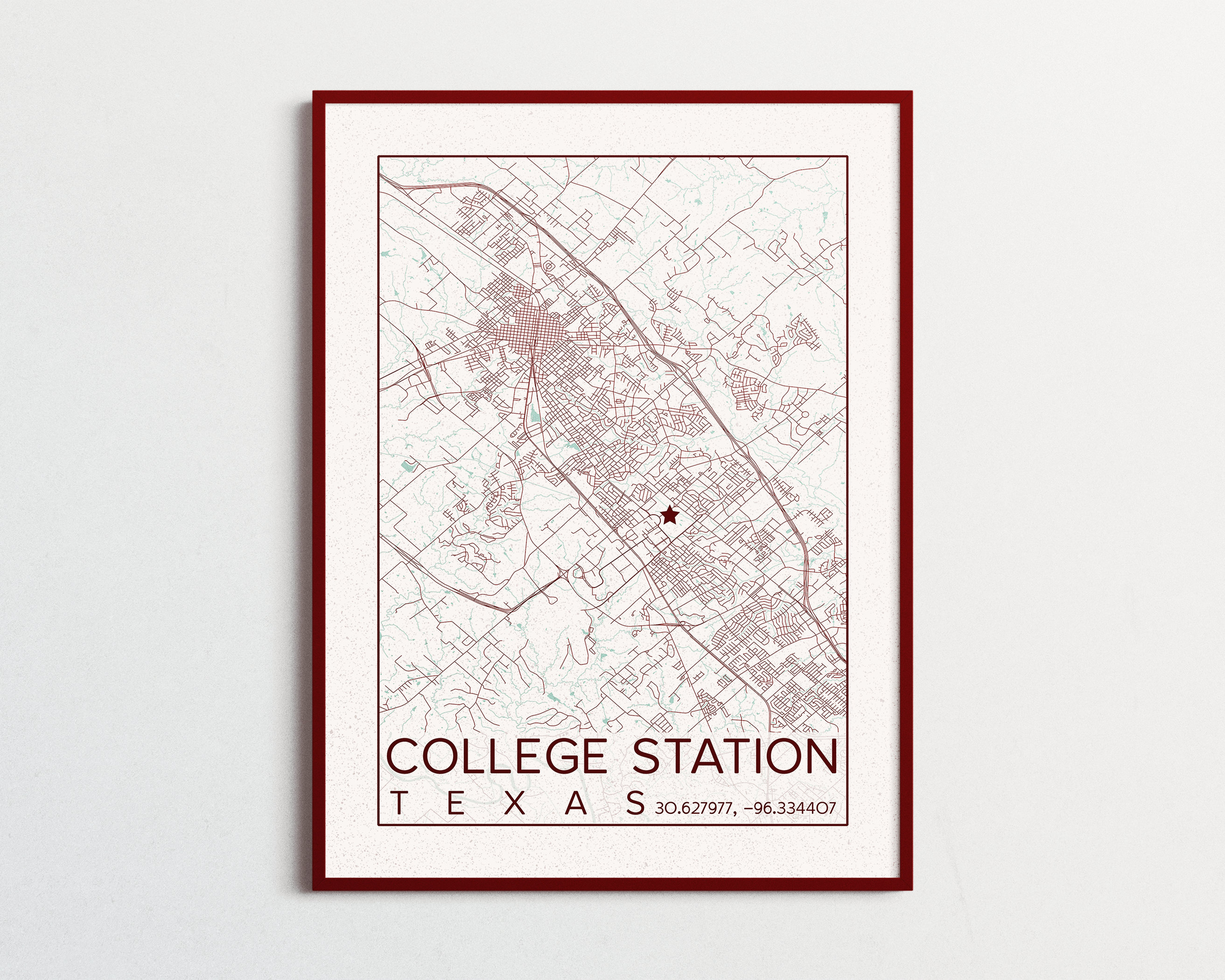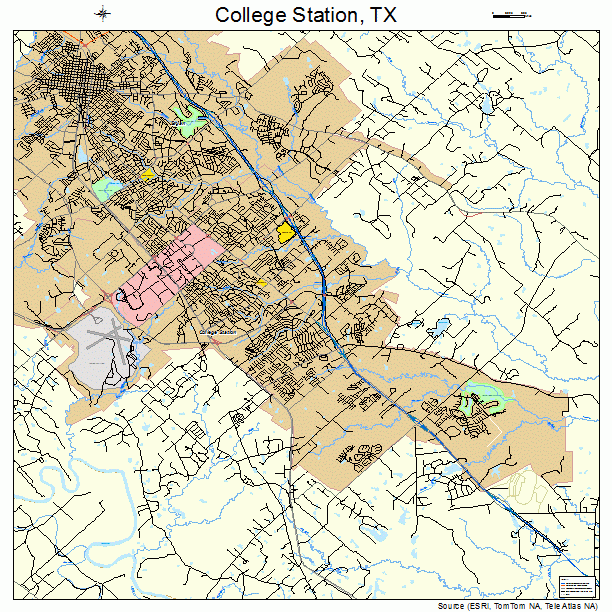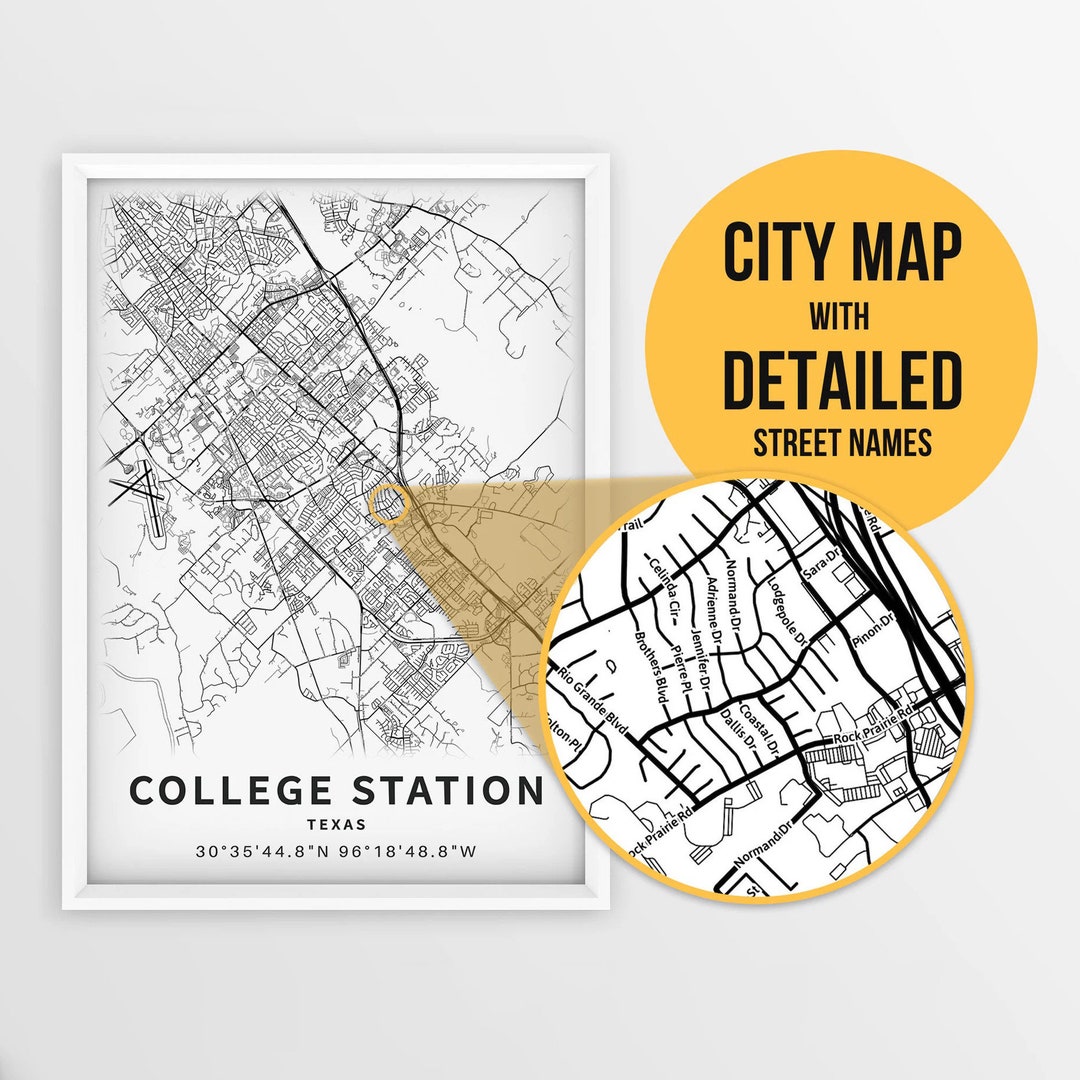
This in-depth guide serves as your digital compass, designed to help you navigate the city’s layout with confidence. We’ll explore the major arteries that connect the community, delve into the unique character of its various districts, and pinpoint key landmarks that define the Aggieland experience. From the energetic pulse of Northgate to the sprawling residential communities in the south, consider this your ultimate resource for mastering the map of College Station.
Understanding the Lay of the Land: A Geographic Overview
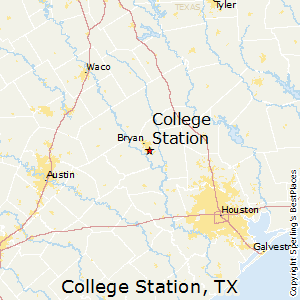
Geographically, College Station is situated in the heart of the Brazos Valley in East-Central Texas, making it a pivotal point between Houston, Austin, and Dallas. It is the largest city in Brazos County and forms the core of the Bryan-College Station metropolitan area. The city’s landscape is characterized by a gently rolling terrain, with Lick Creek and other smaller waterways carving through its southern and eastern portions.
The city’s layout is largely defined by a few critical transportation corridors. Texas Avenue runs north-south and acts as a central spine, separating the university’s main campus from the eastern part of the city. To the west, Wellborn Road (FM 2154) runs parallel to a major railway line and delineates the boundary for much of West Campus and newer residential growth. Encircling the urban core is the Earl Rudder Freeway (State Highway 6), the primary expressway that facilitates quick travel around the city and connects to other major Texas highways.
The relationship between College Station and its sister city, Bryan, is symbiotic. Bryan lies directly to the north, and the boundary between the two is often seamless to the casual observer. Together, they create a cohesive economic and cultural region, though each maintains its own distinct identity, governance, and school districts. Understanding this dual-city dynamic is crucial when looking at a regional map.
The Heartbeat of the City: Texas A&M University Campus Map
At the absolute center of College Station’s map and identity is Texas A&M University. The campus is a city within a city, sprawling over 5,200 acres and organized into several distinct areas. For any visitor or student, a dedicated campus map is an essential tool.
Main Campus
The historic Main Campus is the academic and administrative core. This area is home to iconic landmarks such as the Academic Building with its striking rotunda, the Memorial Student Center (MSC), Rudder Tower, and the revered Kyle Field. This part of campus is a grid of streets, pedestrian walkways, and green spaces, designed to be navigated primarily on foot or by bicycle.
West Campus
Across the railroad tracks and Wellborn Road lies West Campus. This expansive area has seen significant development and is home to many essential facilities, including Reed Arena (home to Aggie basketball), the George H.W. Bush Presidential Library and Museum, The Bush School of Government and Public Service, and numerous research parks and agricultural centers. The university’s transit system, Aggie Spirit Buses, provides crucial connections between Main and West Campus.
Mapping College Station’s Distinct Neighborhoods and Districts
Beyond the university, College Station is a mosaic of diverse neighborhoods, each with its own character and lifestyle. Understanding these areas is key to finding your place in the city.
The Northgate District: The Entertainment Hub
Located directly north of the A&M campus, the Northgate district is the city’s premier entertainment and nightlife hub. Its map is a tight grid of streets packed with restaurants, bars, and live music venues. Known for its energetic and youthful atmosphere, Northgate is a pedestrian-friendly zone that comes alive on weekends and after Aggie sporting events. It also features a growing number of modern student-oriented apartments.
Southside: A Blend of Student and Family Living
Stretching south from the university, the area often referred to as Southside is a diverse and convenient part of town. It offers a mix of student apartment complexes, condominiums, and established single-family homes. This district provides easy access to campus and is home to major retail centers, including the Post Oak Mall, which for decades has been the primary shopping destination for the entire Brazos Valley.
Eastgate and the Medical Corridor
West College Station: Expansion and New Developments
The area west of Wellborn Road represents the frontier of College Station’s growth. This part of the map is characterized by newer, master-planned communities such as Castlegate and Indian Lakes. These neighborhoods are known for their spacious homes, community amenities like pools and parks, and a more suburban, family-oriented feel. This westward expansion continues to attract new residents and businesses to the city.
Tower Point & South College Station: Retail and Residential Growth
Further south along Highway 6, the Tower Point area has exploded into a major retail and dining destination. Anchored by large retailers like Costco and H-E-B, this district offers a wealth of shopping options. The surrounding area is also experiencing significant residential growth, with new apartment complexes and subdivisions catering to families and professionals looking for modern amenities with easy highway access.
Essential Public Services and Amenities on the Map
A city’s map is also defined by its public spaces and infrastructure. College Station offers a wealth of resources for its residents.
Parks and Recreation
College Station is home to over 50 public parks. Key locations on the map include:
- Veterans Park & Athletic Complex: A massive park in central College Station known for its sports fields, memorial sites, and large events.
- Lick Creek Park: Located in the south, this park offers over 500 acres of nature preserve with miles of trails for hiking and wildlife observation.
- Stephen C. Beachy Central Park: A centrally located park with a fishing pond, sports courts, and picnic areas, making it a popular family spot.
Transportation Map
Public transportation is managed by the Brazos Transit District, whose bus routes (known as ‘The B’) cover both College Station and Bryan. For students, the Texas A&M Transportation Services operates the extensive Aggie Spirit bus system on and off campus. For air travel, Easterwood Airport (CLL) is conveniently located on the southwest side of the university campus, offering regional flights.
Schools and Education
The College Station Independent School District (CSISD) is highly rated and a major draw for families. The map of CSISD schools is spread throughout the city’s residential neighborhoods, and the location of specific elementary, middle, and high schools often plays a significant role in real estate decisions for families with children.
Digital Tools for Mapping College Station
In the digital age, navigating is easier than ever. Beyond standard apps like Google Maps or Waze, consider these resources:
- City of College Station GIS Maps: The city’s official website provides detailed Geographic Information System (GIS) maps for zoning, floodplains, and city projects.
- Texas A&M University Interactive Campus Map: An indispensable tool for finding specific buildings, parking lots, and bus stops on campus.
- Brazos Central Appraisal District (BCAD): Offers a detailed parcel map for viewing property lines and information.
Frequently Asked Questions
What are the main roads in College Station?
The primary roads are Texas Avenue, Wellborn Road, University Drive, George Bush Drive, and the Earl Rudder Freeway (Highway 6). These routes form the main grid and transportation backbone of the city.
What is the difference between Bryan and College Station?
While they form a single metropolitan area, they are separate cities. College Station’s identity is deeply intertwined with Texas A&M University, giving it a more modern, university-town feel. Bryan, the county seat, has a historic downtown and a distinct cultural identity that predates the university’s massive growth.
What is the best area to live in College Station?
The ‘best’ area depends on your lifestyle. Students often prefer areas near campus or Northgate. Young professionals might enjoy the convenience of Southside. Families are often drawn to the master-planned communities and excellent schools in South and West College Station.
Is College Station a walkable city?
Certain areas of College Station are highly walkable, particularly the Texas A&M campus and the Northgate district. However, like many Texas cities, College Station is largely car-dependent. A vehicle is generally necessary to travel between different districts and run errands efficiently.
Conclusion: Putting It All Together
The map of College Station, Texas, tells the story of a city built on tradition but constantly looking toward the future. It is a city defined by the immense presence of Texas A&M University but also by its thriving, distinct neighborhoods that cater to a diverse population of families, professionals, and students.
From the historic core of campus to the expanding subdivisions on its western and southern edges, each quadrant of the map offers a unique slice of life in Aggieland. By understanding the flow of its major roads and the character of its districts, you can navigate College Station not just as a visitor, but as someone who truly understands the community. This city is more than a dot on a map; it’s a destination, a home, and a place of endless opportunity.