The concept of ‘real-time’ when applied to satellite imagery can often be misunderstood. While not always instantaneous in the sense of a live video feed, significant advancements in satellite technology, data processing, and transmission have brought us closer than ever to truly current global oversight. This article will delve into what constitutes ‘real-time’ in this context, explore the underlying technologies, highlight their vast applications, and discuss the challenges and future of this transformative field.
What Exactly Are Satellite Maps?
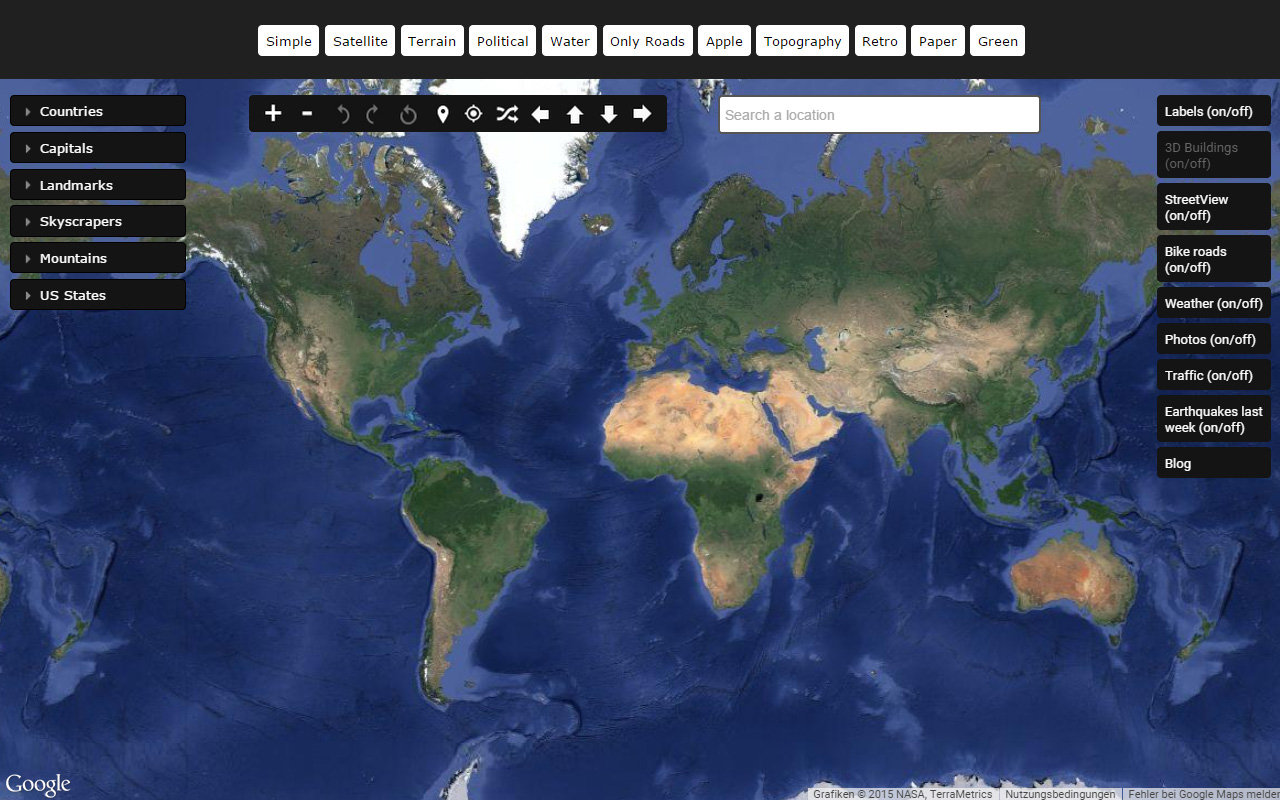
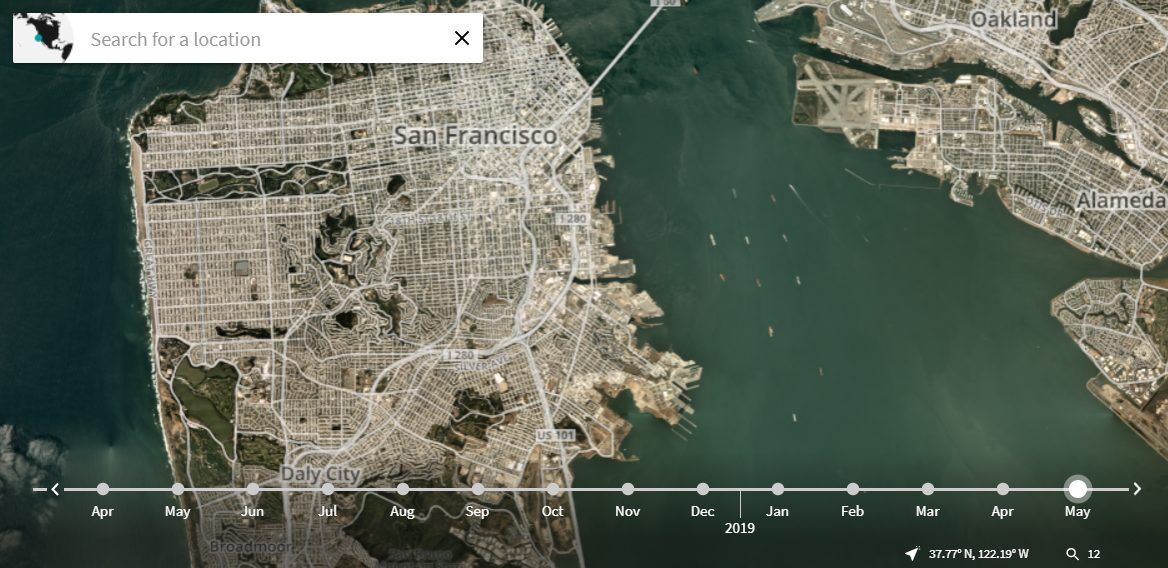
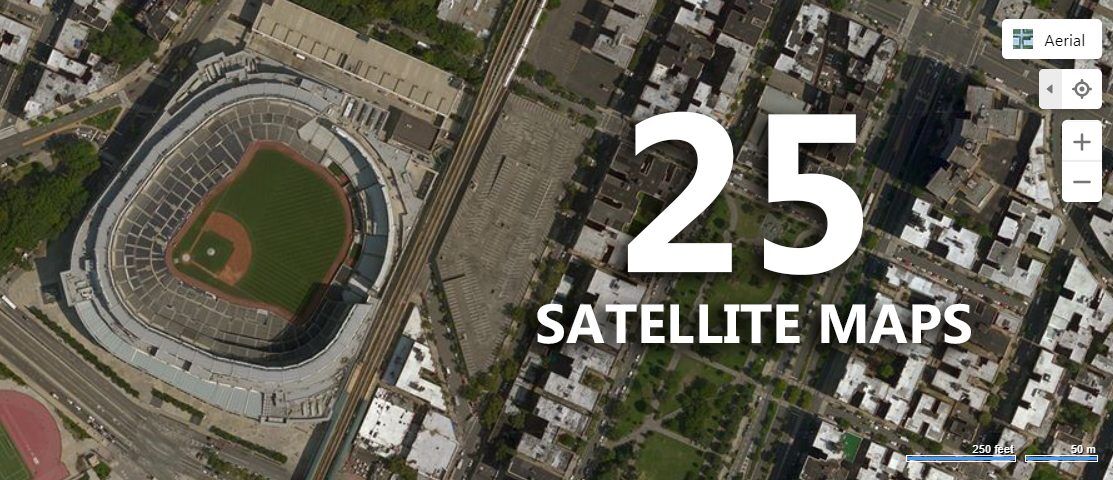
At its core, a satellite map is a visual representation of Earth’s surface captured by imaging satellites orbiting our planet. These satellites are equipped with advanced sensors that record electromagnetic radiation reflected or emitted from the Earth. This raw data is then processed, stitched together, and rendered into the familiar images we see on platforms like Google Earth or other geospatial intelligence systems.
Historically, satellite imagery was static, updated infrequently, and primarily used for long-term planning or historical analysis. The advent of ‘real-time’ capabilities has revolutionized this, allowing for near-instantaneous monitoring and response.
Demystifying ‘Real-Time’: How Current is the View?
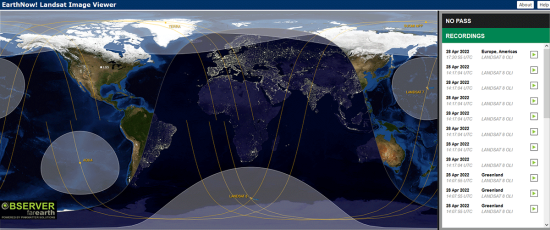
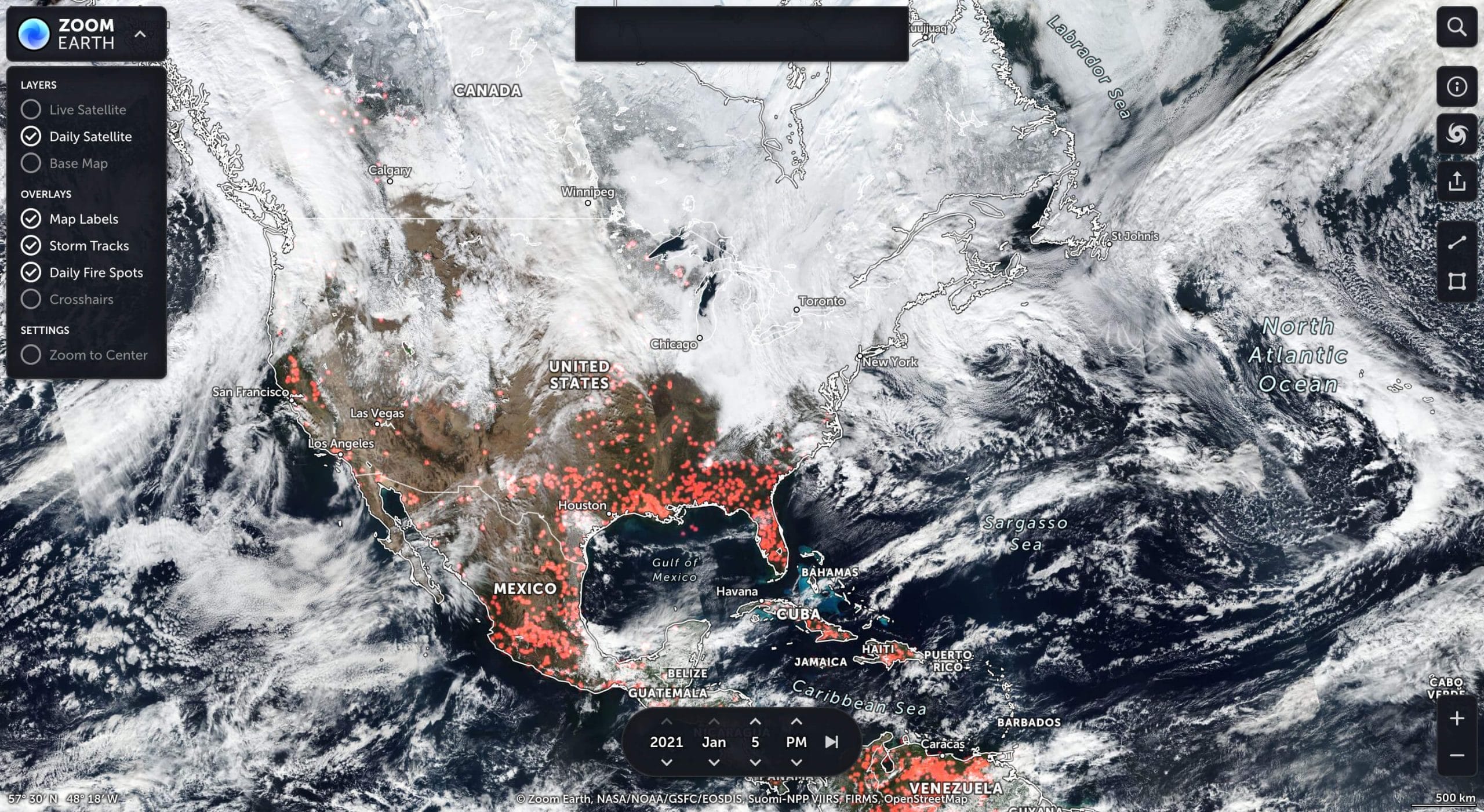
When we speak of ‘real-time’ satellite maps, it’s crucial to understand that it typically refers to imagery that is updated with high frequency, often within minutes to hours of capture, rather than a continuous live video stream. The refresh rate depends heavily on the satellite constellation, its orbital path, the specific imaging task, and data processing pipelines. For critical events, some commercial and governmental systems can provide updates within minutes.
Factors influencing the ‘real-time’ nature include the number of satellites in a constellation, their revisit rate (how often a satellite passes over the same location), data downlink speeds, and the efficiency of ground processing systems. Companies like Planet Labs, with their large constellations of CubeSats, are at the forefront of achieving daily to sub-daily global coverage, making ‘live satellite view’ a practical reality for many applications.
The Technology Behind the Lens: How Imagery is Captured and Processed
The journey of a satellite image begins hundreds of kilometers above Earth. Imaging satellites, equipped with optical sensors, Synthetic Aperture Radar (SAR), or thermal cameras, capture vast amounts of data. This data is then transmitted to ground stations, often via high-speed radio links.
Once on Earth, the raw data undergoes extensive processing. This includes radiometric and geometric corrections, atmospheric compensation, and orthorectification to remove distortions caused by terrain and sensor tilt. Advanced algorithms, often powered by artificial intelligence and machine learning, are employed to enhance image quality, identify features, and prepare the imagery for various applications. Cloud computing plays a vital role in handling the immense volume of geospatial data generated daily.
Diverse Applications: Where Real-Time Satellite Maps Make an Impact
The ability to access up-to-date satellite imagery has unlocked a plethora of applications across various sectors, transforming how we monitor, respond, and plan.
- Disaster Management and Emergency Response: In the wake of natural disasters like floods, wildfires, or earthquakes, real-time satellite maps provide critical information to first responders. They help assess damage, identify safe routes, monitor the spread of fires, and locate affected populations, significantly improving response times and efficiency.
- Environmental Monitoring and Climate Change: Environmental agencies utilize these maps to track deforestation, monitor glacier melt, assess water quality, detect illegal mining, and observe changes in land use patterns. This data is indispensable for climate research and conservation efforts, offering a global perspective on ecological health.
- Agriculture and Crop Monitoring: Farmers and agricultural businesses leverage satellite imagery to monitor crop health, assess soil moisture, predict yields, and manage irrigation more effectively. This precision agriculture approach optimizes resource use and improves productivity.
- Urban Planning and Infrastructure Development: City planners use up-to-date maps to monitor urban sprawl, plan new infrastructure, identify unauthorized construction, and manage resources. It provides a dynamic view of how cities are growing and changing.
- Defense, Intelligence, and Maritime Surveillance: Governments and defense organizations rely on real-time satellite intelligence for national security, border patrol, monitoring military movements, and maritime surveillance to track vessels and detect illicit activities.
- Logistics and Supply Chain Management: Businesses use satellite data to monitor transportation routes, assess road conditions, and track assets, optimizing logistics and improving supply chain resilience.
- Journalism and News Reporting: In an era of instant news, real-time satellite imagery provides powerful visual evidence for reporting on global events, conflicts, and environmental incidents, offering an objective perspective to audiences.
- Insurance and Financial Services: Insurers can use satellite data to assess property damage after events, verify claims, and monitor assets. Financial analysts might use it to gauge economic activity, such as tracking vehicle counts in parking lots of major retailers.
Key Technologies Driving Real-Time Capabilities
- Satellite Constellations: Instead of relying on a few large, geostationary satellites, companies are deploying vast constellations of smaller, less expensive satellites (e.g., CubeSats, microsatellites) in Low Earth Orbit (LEO). These numerous satellites ensure higher revisit rates and broader coverage.
- Advanced Sensors: Improvements in sensor technology allow for higher resolution, multi-spectral imaging, and better performance in varying atmospheric conditions.
- High-Speed Data Processing: Cloud-based platforms, parallel processing, and AI/ML algorithms enable rapid ingestion, processing, and analysis of massive datasets, turning raw data into actionable intelligence within minutes.
- Efficient Data Transmission: Enhanced communication protocols and ground station networks facilitate faster data downlink from satellites to Earth.
Challenges and Limitations of Real-Time Satellite Mapping
- Cloud Cover: Optical satellites cannot see through clouds, which remains a significant limitation, especially in tropical regions or during adverse weather. SAR satellites offer a solution as they can penetrate clouds, but their imagery requires different interpretation.
- Resolution vs. Refresh Rate: Achieving both extremely high resolution and very frequent updates simultaneously across vast areas is still a technical and economic challenge. Typically, there’s a trade-off.
- Cost: Developing, launching, and maintaining satellite constellations, along with processing and distributing the data, is incredibly expensive. This cost can impact accessibility and subscription models.
- Data Volume and Storage: The sheer volume of data generated daily is astronomical, posing significant challenges for storage, processing, and efficient retrieval.
- Privacy Concerns: As resolution improves and updates become more frequent, concerns about individual privacy and surveillance capabilities grow, prompting ethical discussions and regulatory considerations.
Prominent Providers and Platforms
Several key players dominate the real-time satellite mapping landscape. Companies like Planet Labs and Maxar Technologies operate extensive satellite constellations providing high-frequency, high-resolution imagery. Government agencies such as the European Space Agency (ESA) with its Copernicus program and the National Oceanic and Atmospheric Administration (NOAA) in the US also contribute significantly. For public access, platforms like Google Earth and Sentinel Hub offer interfaces to explore vast archives of satellite imagery, often updated regularly.
The Future of Earth Observation from Space
The trajectory for real-time satellite maps is one of continuous innovation. We can anticipate even larger constellations, leading to near-constant global coverage and sub-minute refresh rates for critical areas. Advancements in artificial intelligence will further automate analysis, detecting changes and anomalies with unprecedented speed and accuracy. Integration with other data sources, such as IoT sensors and drone imagery, will create even richer, more comprehensive geospatial intelligence platforms. The drive towards smaller, more agile, and more capable satellites will continue to push the boundaries of what’s possible, making Earth observation an even more integral part of our daily lives and global decision-making.
Conclusion: A Vision of a Constantly Monitored World
Real-time satellite maps represent a monumental leap in our ability to understand and interact with our planet. While the term ‘real-time’ is nuanced, the capabilities offered by modern satellite constellations and advanced processing are undeniably transformative. From informing disaster relief efforts and monitoring environmental health to optimizing agriculture and enhancing national security, their impact is profound and ever-expanding.
As technology continues to evolve, the vision of a truly live, comprehensive view of Earth from space moves closer to reality, promising a future where informed decisions can be made faster and with greater precision, ultimately benefiting humanity and our planet.