The primary purpose of a weather map is to communicate complex weather information in a clear and concise format. By using standardized symbols and color-coding, weather maps allow users to quickly grasp the overall weather situation and anticipate potential changes. They are used by meteorologists, emergency responders, and the general public alike to make informed decisions and stay safe.
This guide aims to demystify these maps, empowering you to read and understand them effectively. We’ll break down the key components, symbols, and terminology used, ensuring you can confidently interpret the US weather map forecast.
Understanding the Basics: Key Components of a Weather Map
Before diving into specific symbols and details, it’s crucial to understand the fundamental components of a weather map.
Isobars and Pressure Systems
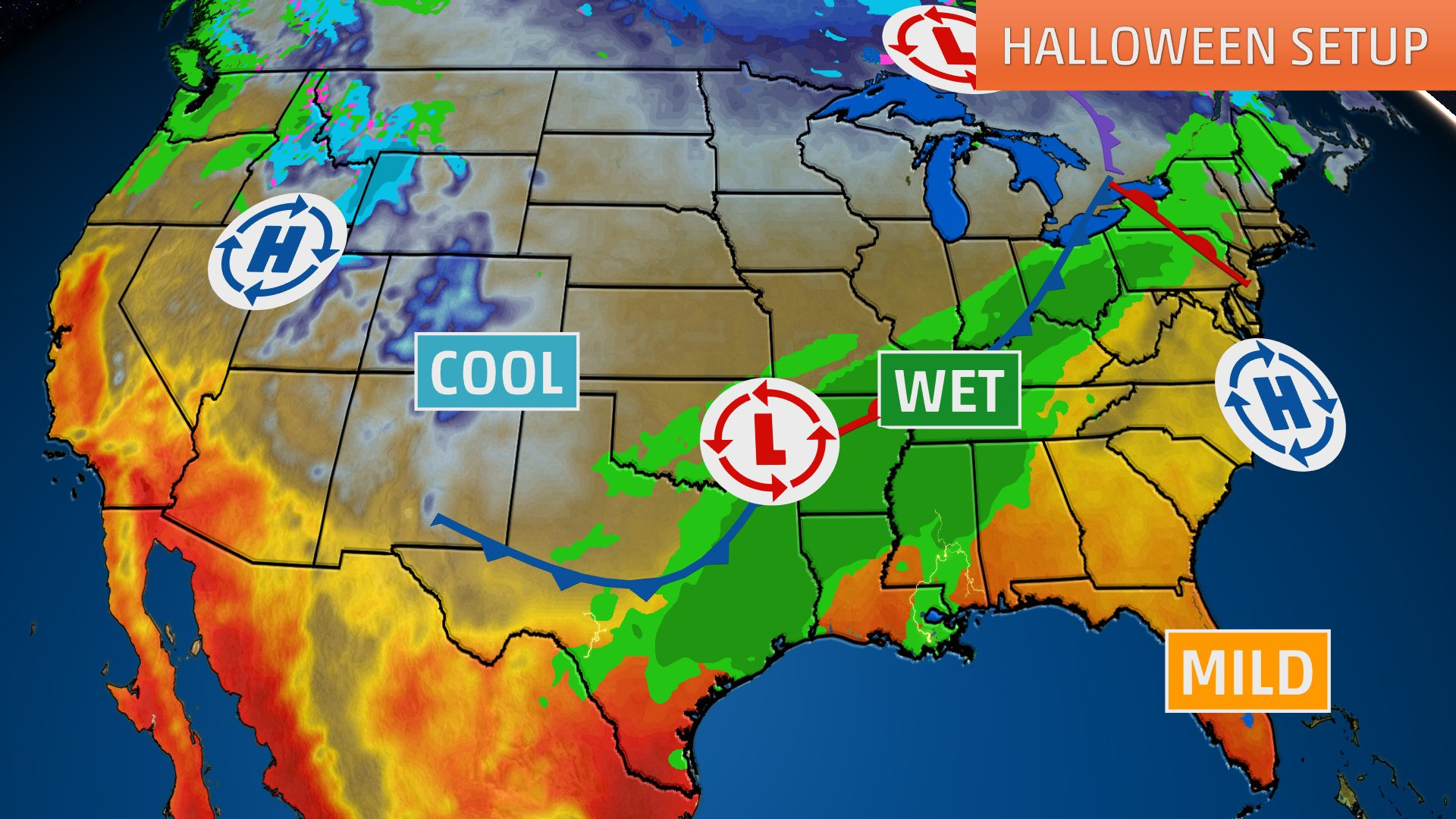
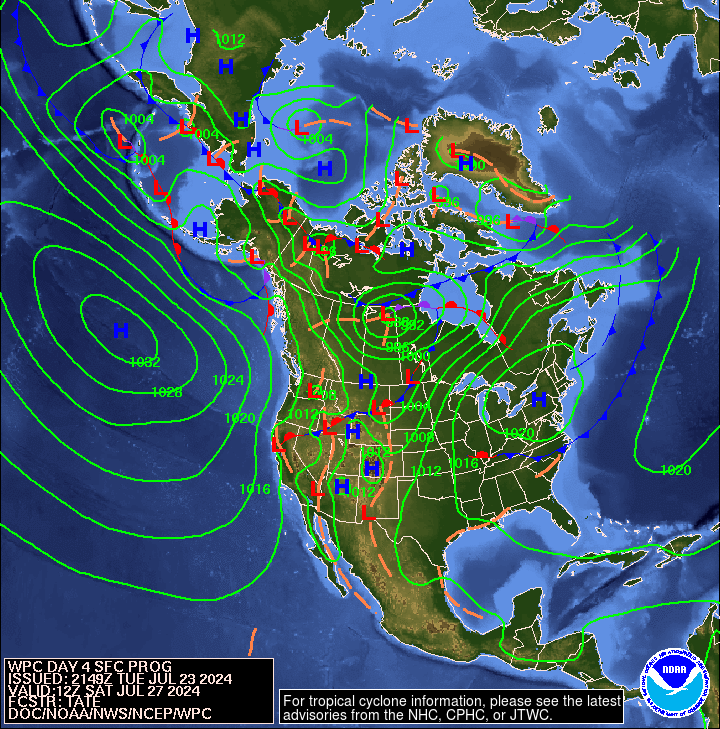
Isobars are lines connecting points of equal atmospheric pressure. These lines are crucial for understanding pressure systems, which drive weather patterns. Closely spaced isobars indicate strong pressure gradients, often associated with high winds. Low-pressure systems (depicted with an ‘L’) are areas of rising air, often bringing clouds, precipitation, and potentially severe weather. High-pressure systems (depicted with an ‘H’) are areas of sinking air, typically associated with clear skies and fair weather.
Fronts: The Boundaries of Change
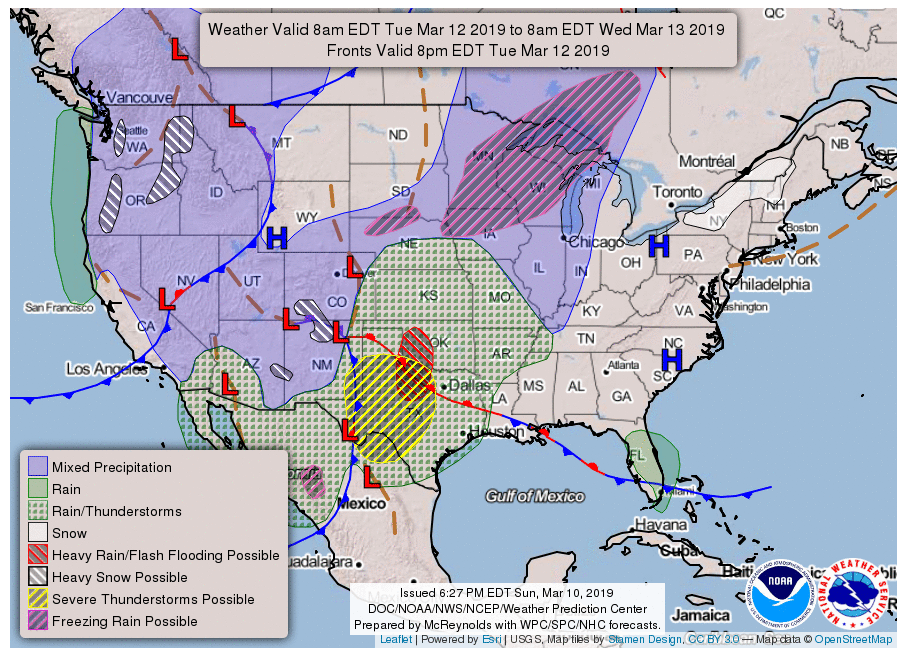
Fronts are boundaries between different air masses. They are marked with specific symbols and are key indicators of changing weather conditions.
- Cold Fronts: Marked by a line with triangles pointing in the direction the front is moving. They often bring thunderstorms, heavy rain, and a rapid drop in temperature.
- Warm Fronts: Marked by a line with semi-circles pointing in the direction the front is moving. They often bring a gradual increase in temperature, light to moderate precipitation, and overcast skies.
- Occluded Fronts: A combination of warm and cold fronts, marked by a line with alternating triangles and semi-circles pointing in the direction the front is moving. They can bring a variety of weather conditions, including heavy precipitation and strong winds.
- Stationary Fronts: Marked by a line with alternating triangles and semi-circles on opposite sides. They represent a front that is not moving significantly, and can lead to prolonged periods of rain or clouds.
Temperature and Precipitation
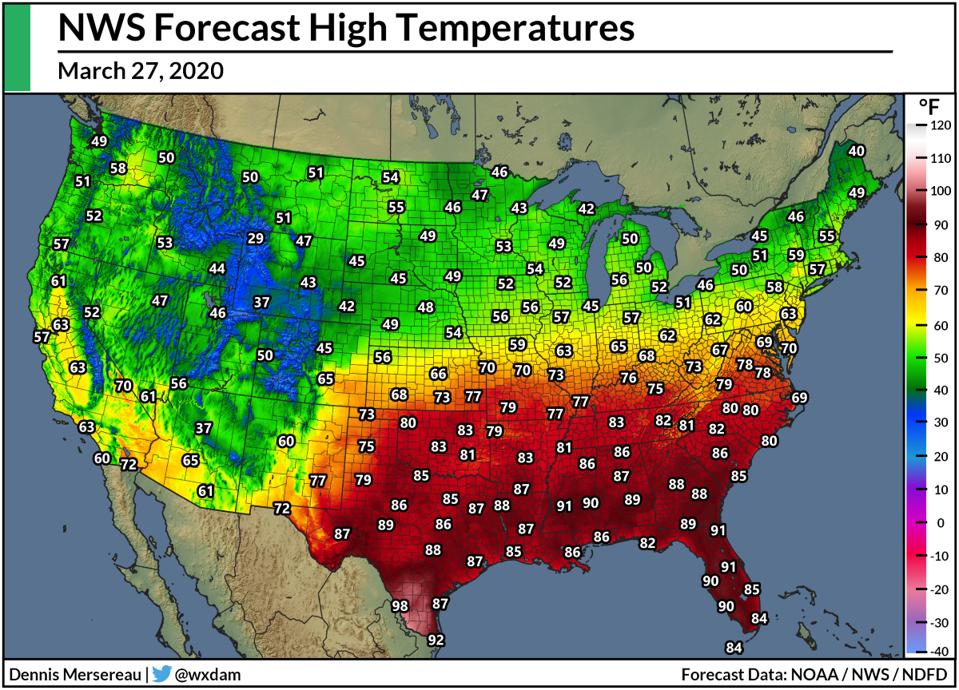
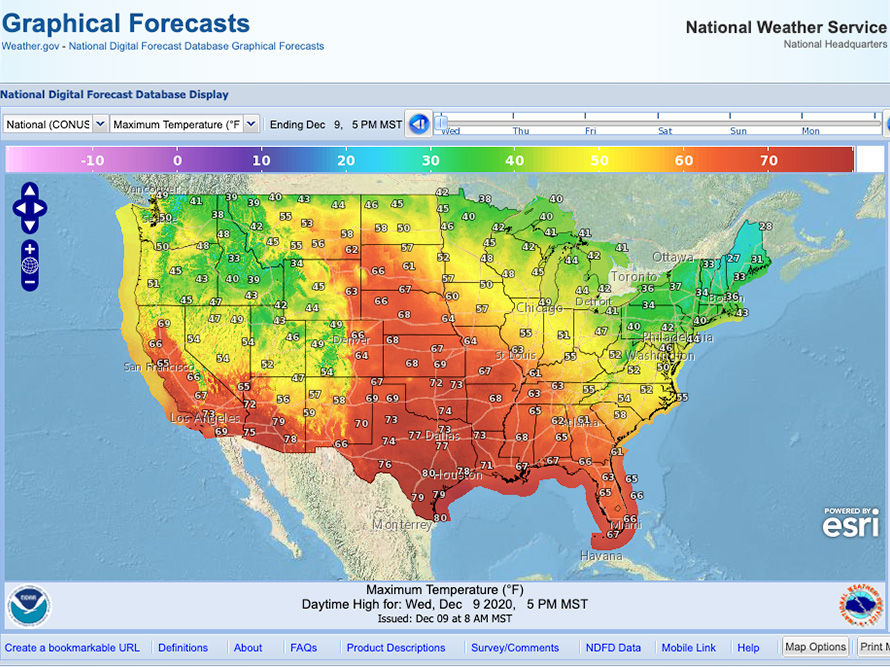
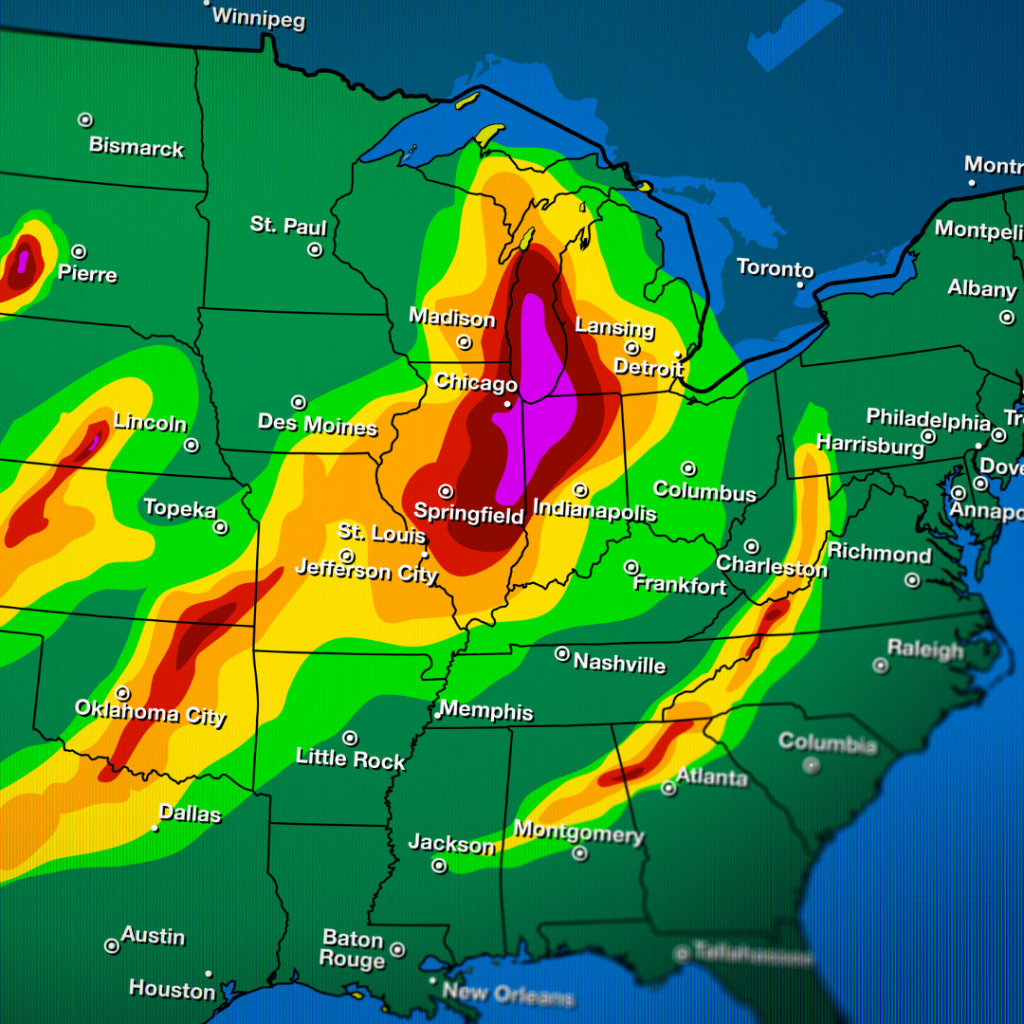
Temperature is often displayed using colored contours or numerical values. Precipitation, including rain, snow, sleet, and freezing rain, is represented by symbols and shading. The intensity of precipitation is usually indicated by the density of the shading or the size of the symbols.
Wind and Wind Speed
Wind direction and speed are indicated by wind barbs. The direction of the barb shows where the wind is blowing from, while the length and number of flags and pennants on the barb indicate the wind speed.
Decoding Common Symbols and Terminology
Familiarizing yourself with the symbols and terminology used on weather maps is essential for accurate interpretation.
Temperature and Heat
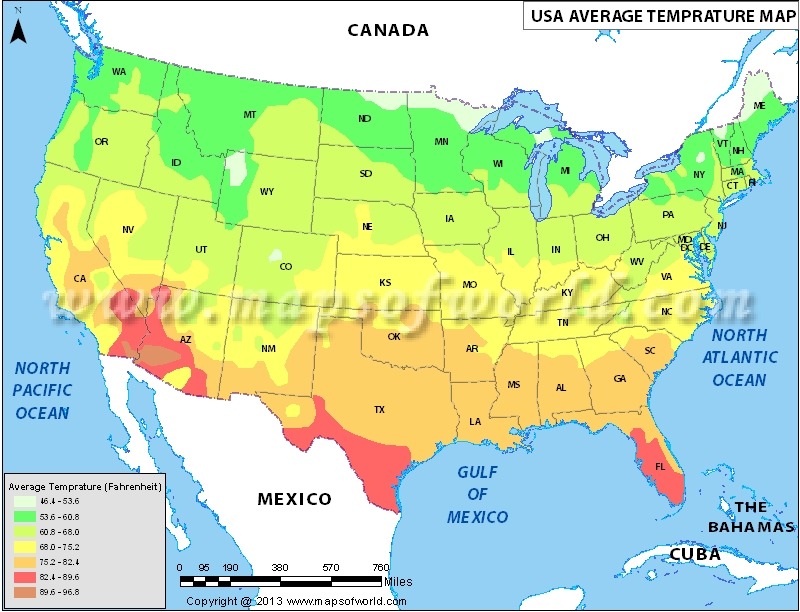
Temperature is usually displayed in degrees Fahrenheit (°F) or Celsius (°C). Look for contour lines representing isotherms (lines of equal temperature) or specific temperature values at various locations. Heat indices may also be shown to indicate how hot it feels due to the combination of temperature and humidity.
Precipitation Symbols
Precipitation symbols vary depending on the type and intensity. Rain is often represented by dots or small circles, while snow is depicted by asterisks. The density of the symbols indicates the intensity of the precipitation. Freezing rain and sleet have their own unique symbols.
Cloud Cover
Cloud cover is represented by symbols indicating the percentage of sky covered by clouds. These symbols help you visualize the overall sky conditions and anticipate potential changes in visibility and sunshine.
Other Important Symbols
Other symbols to watch for include thunderstorms, hail, fog, and areas of high wind. These symbols provide crucial information about localized weather hazards.
Using Weather Maps for Forecasting
Weather maps are not just static images; they are dynamic tools that can be used to forecast future weather conditions. By analyzing current conditions and understanding the movement of weather systems, you can anticipate changes in the weather.
Analyzing Current Conditions
Begin by examining the current weather map. Identify the location of pressure systems, fronts, and areas of precipitation. Note the temperature, wind speed, and other relevant data.
Tracking the Movement of Systems
Pay attention to the movement of pressure systems and fronts. Cold fronts typically move faster than warm fronts. The speed and direction of these systems can provide clues about the timing and intensity of weather changes.
Using Weather Models
Weather maps often incorporate data from numerical weather prediction (NWP) models. These models use complex mathematical equations to simulate the atmosphere and predict future weather conditions. Pay attention to the model forecasts to get an idea of the projected future weather.
Finding US Weather Map Forecasts
National Weather Service (NWS)
The National Weather Service is the primary source for official weather forecasts and information in the United States. Their website (weather.gov) provides a wealth of weather maps, forecasts, and data.
AccuWeather
AccuWeather is a popular commercial weather service that provides detailed forecasts, including weather maps and satellite imagery. Their website and mobile app are user-friendly and provide a wealth of information.
The Weather Channel
The Weather Channel is another widely used commercial weather service. Their website and mobile app offer weather maps, forecasts, and news.
Other Sources
Other reliable sources include local news outlets, aviation weather services (for pilots), and various weather apps. Always verify information from multiple sources to ensure accuracy.
Staying Safe with Weather Map Information
Understanding and using weather maps is essential for personal safety, especially during severe weather events.
Severe Weather Alerts
Pay close attention to severe weather alerts issued by the National Weather Service. These alerts indicate the potential for dangerous weather conditions, such as tornadoes, thunderstorms, and flash floods.
Preparing for Severe Weather
Develop a severe weather plan. This plan should include knowing the locations of safe shelters, having an emergency kit, and staying informed about changing weather conditions. If severe weather is predicted, take appropriate precautions.
Staying Informed
Stay informed about weather conditions by regularly checking weather maps, forecasts, and alerts. Be prepared to adjust your plans if necessary.
Frequently Asked Questions (FAQ)
What is a weather map?
How do I read a weather map?
Start by identifying pressure systems (highs and lows), fronts (cold, warm, occluded, and stationary), and areas of precipitation. Then, examine temperature, wind speed, and other relevant data. Pay attention to the movement of weather systems to anticipate future conditions.
Where can I find US weather map forecasts?
You can find US weather map forecasts from the National Weather Service (weather.gov), AccuWeather, The Weather Channel, and local news outlets.
What are isobars?
Isobars are lines connecting points of equal atmospheric pressure. They are crucial for understanding pressure systems and wind patterns.
What are weather fronts?
Weather fronts are boundaries between different air masses. Common types include cold fronts, warm fronts, occluded fronts, and stationary fronts. They are key indicators of changing weather conditions.
How can I use weather maps for forecasting?
By analyzing current conditions, tracking the movement of weather systems, and using weather model forecasts, you can anticipate future weather conditions.
Conclusion: Mastering the US Weather Map Forecast
Understanding the US weather map forecast is a valuable skill for anyone who wants to stay informed about weather conditions. By learning the basics, decoding symbols, and using the resources available, you can confidently interpret weather maps and make informed decisions.
Remember to always prioritize safety and stay informed about changing weather conditions.