Why Map Canadian National Parks?
- Maximize Your Time: Identify the must-see spots and plan efficient routes.
- Ensure Safety: Understand trail conditions, potential hazards, and emergency access points.
- Discover Hidden Gems: Uncover lesser-known trails, viewpoints, and historical sites.
- Prepare Adequately: Pack the right gear, understand the weather patterns, and book accommodations in advance.
Understanding the Basics: Parks Canada Resources
- Park-Specific Information: Detailed descriptions, maps, trail guides, and visitor information for each park.
- Alerts and Closures: Real-time updates on trail closures, fire bans, and other important safety information.
- Reservations: Campground reservations, backcountry permits, and guided tour bookings.
- Educational Resources: Information on the park’s history, ecology, and cultural significance.
Digital Mapping Tools and Apps
- Google Maps: A familiar and versatile option for general navigation and identifying key landmarks.
- AllTrails: A dedicated app for hiking and trail running, with detailed trail maps, user reviews, and elevation profiles.
- Gaia GPS: A powerful mapping app for backcountry navigation, with topographic maps, offline capabilities, and GPS tracking.
- Parks Canada’s Mobile App: The official app provides park-specific information, interactive maps, and real-time updates.
Using Topographic Maps
For serious hikers and backcountry explorers, topographic maps are essential. These maps provide detailed information about the terrain, including elevation changes, water features, and vegetation. You can purchase topographic maps from outdoor retailers or download digital versions from various online sources.
Essential Elements of a National Park Map
- Trails: Clearly marked trails with difficulty ratings and distances.
- Campgrounds: Locations of established campgrounds and backcountry campsites.
- Water Sources: Rivers, lakes, and streams (important for planning hydration).
- Elevation Contours: Lines indicating elevation changes, helping you assess the difficulty of hikes.
- Landmarks: Prominent features such as peaks, viewpoints, and historical sites.
- Emergency Services: Locations of ranger stations, first aid posts, and emergency contact information.
Popular Canadian National Parks and How to Map Them
Banff National Park, Alberta
Banff is Canada’s oldest and most famous national park, renowned for its turquoise lakes, towering mountains, and abundant wildlife.
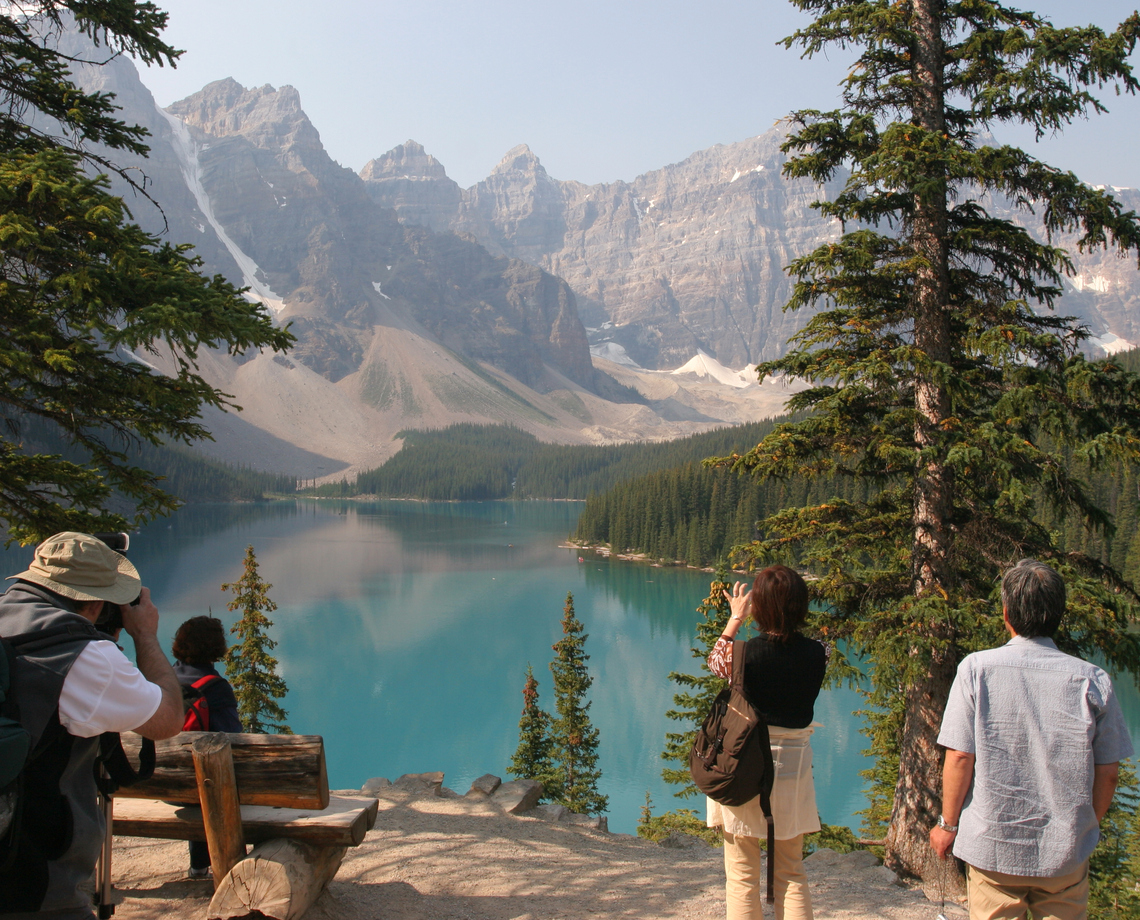
- Lake Louise and Moraine Lake: These iconic lakes are must-sees. Use Google Maps or the Parks Canada app to find parking and access trails.
- Icefields Parkway: This scenic highway connects Banff and Jasper National Parks. Plan your stops in advance using a map to identify viewpoints, trailheads, and picnic areas.
- Hiking Trails: AllTrails is excellent for finding and mapping hiking trails, from easy strolls to challenging climbs.
Jasper National Park, Alberta
Adjacent to Banff, Jasper is a larger and more rugged park, offering vast wilderness areas and stunning alpine scenery.
- Maligne Lake and Spirit Island: Take a boat tour to Spirit Island, one of the most photographed locations in the Canadian Rockies. Use the Parks Canada website to book tours and access information.
- Athabasca Falls: A powerful waterfall accessible via a short, paved trail. Use Google Maps for directions and parking information.
- Backcountry Hiking: For multi-day hikes, use Gaia GPS to navigate remote areas and track your progress.
Pacific Rim National Park Reserve, British Columbia
Located on the west coast of Vancouver Island, Pacific Rim offers a unique blend of rainforests, beaches, and rugged coastlines.
- Long Beach: A vast sandy beach perfect for surfing, walking, and wildlife viewing. Use Google Maps for access points and parking.
- West Coast Trail: A challenging multi-day backpacking trail along the coastline. Requires advance reservations and permits from Parks Canada. Use topographic maps and a GPS device for navigation.
- Rainforest Trails: Explore the lush rainforests on well-maintained trails. Use the Parks Canada app for trail maps and information.
Cape Breton Highlands National Park, Nova Scotia
Located on the northern tip of Cape Breton Island, this park features dramatic coastal scenery, rugged highlands, and Acadian culture.
- Cabot Trail: A scenic highway that winds around the park’s perimeter. Plan your stops using a map to identify viewpoints, hiking trails, and cultural attractions.
- Skyline Trail: A popular trail with stunning views of the coastline. Use AllTrails for trail maps and user reviews.
- Beaches and Coastal Areas: Explore the park’s numerous beaches and coves. Use Google Maps for access points and parking.
Gros Morne National Park, Newfoundland and Labrador
A UNESCO World Heritage Site, Gros Morne features unique geological formations, dramatic fjords, and diverse ecosystems.
- Western Brook Pond: Take a boat tour through this freshwater fjord, carved by glaciers. Use the Parks Canada website to book tours and access information.
- Tablelands: Explore this barren landscape composed of exposed mantle rock. Use Google Maps for directions and parking information.
- Hiking Trails: Discover the park’s diverse hiking trails, from coastal walks to challenging climbs. Use AllTrails for trail maps and user reviews.
Mapping for Specific Activities
Your mapping needs may vary depending on the activities you plan to undertake in the national parks.
Hiking and Backpacking
- Use topographic maps and GPS devices for backcountry navigation.
- Plan your routes carefully, considering elevation changes, water sources, and potential hazards.
- Share your itinerary with someone and check in regularly.
Camping
- Identify established campgrounds and backcountry campsites on your map.
- Book reservations in advance, especially during peak season.
- Familiarize yourself with park regulations regarding campfires, food storage, and waste disposal.
Wildlife Viewing
- Identify areas known for wildlife activity on your map.
- Maintain a safe distance from animals and never feed them.
- Carry bear spray and know how to use it.
Photography
- Identify scenic viewpoints and landmarks on your map.
- Plan your visits during optimal lighting conditions (e.g., sunrise, sunset).
- Scout locations in advance to find the best angles and compositions.
Leave No Trace Principles
- Plan ahead and prepare.
- Travel and camp on durable surfaces.
- Dispose of waste properly.
- Leave what you find.
- Minimize campfire impacts.
- Respect wildlife.
- Be considerate of other visitors.
Conclusion: Your Adventure Awaits
Mapping Canadian national parks is an essential step in planning a safe, enjoyable, and unforgettable adventure. By utilizing the resources and tools available, you can navigate these natural wonders with confidence and create lasting memories. So, grab your map, pack your bags, and get ready to explore the breathtaking beauty of Canada’s national parks!
- Parks Canada website is the primary resource for park information and reservations.
- Digital mapping tools like Google Maps, AllTrails, and Gaia GPS are invaluable for navigation.
- Topographic maps are essential for backcountry hiking.
- Always practice Leave No Trace principles.
- Plan your routes, book accommodations, and prepare for the weather in advance.
Canadian national park map, Canada national park planning, Banff trails map, Jasper hiking trails, Pacific Rim camping, Cape Breton Cabot Trail, Gros Morne fjord tour, Canada parks reservation, Best Canada national parks, Explore Canada nature