Understanding Juneau’s Unique Geography
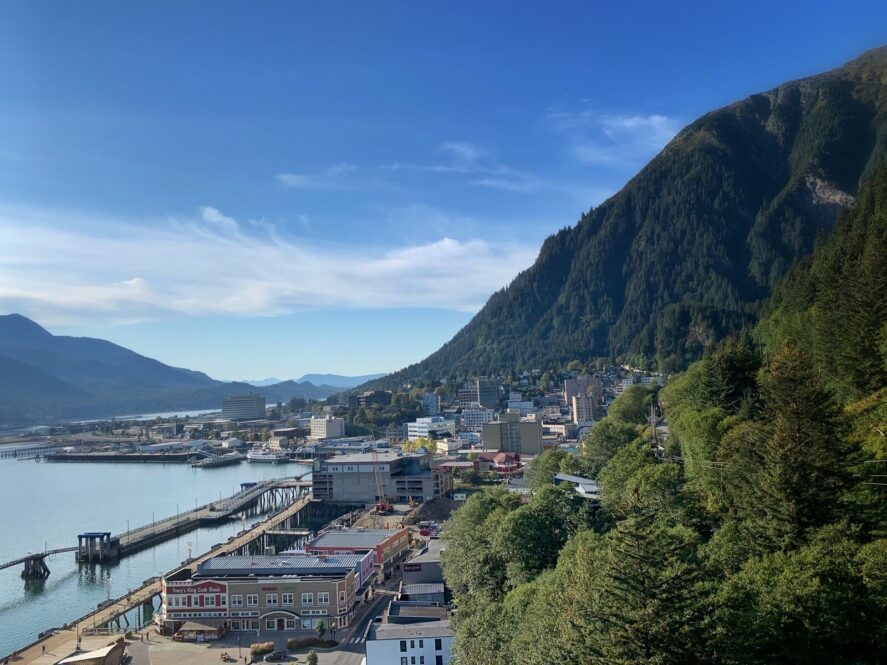
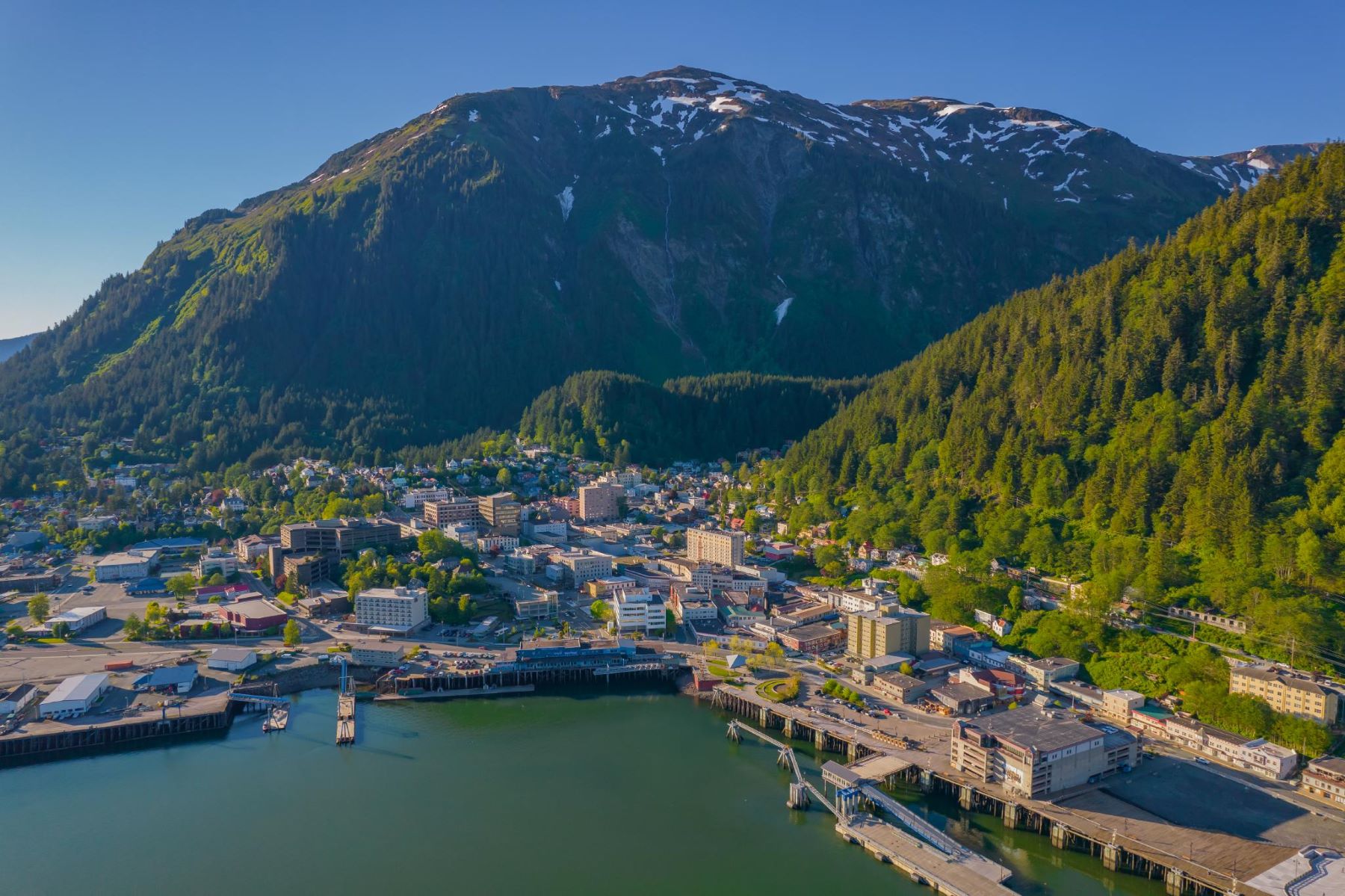
Juneau’s location in the Alaskan Panhandle means it’s surrounded by the Tongass National Forest, mountains, and waterways. This makes traditional road maps less useful than interactive maps and location-based services. The city itself is relatively compact, but the surrounding areas offer vast opportunities for exploration.
Accessing Juneau: Plane and Boat
As mentioned, Juneau is not connected to the rest of Alaska by road. The primary ways to reach the city are by air via Juneau International Airport (JNU) or by sea via the Alaska Marine Highway System or cruise ships. Understanding these transportation options is crucial for planning your trip.
Utilizing Maps of Juneau
Interactive Online Maps: Services like Google Maps, Apple Maps, and specialized Alaskan mapping websites provide detailed street views, points of interest, and real-time navigation. These are invaluable for planning routes and finding specific locations.
Trail Maps: For hikers and outdoor enthusiasts, trail maps are indispensable. The US Forest Service and local visitor centers offer detailed maps of hiking trails in the Tongass National Forest surrounding Juneau. These maps often include information on trail difficulty, elevation gain, and points of interest.
Cruise Ship Maps: If arriving by cruise ship, the cruise line will provide maps highlighting key attractions near the port. These maps are designed for short-term visitors and focus on easily accessible areas.
Printed City Maps: Available at visitor centers and some hotels, printed city maps offer a general overview of Juneau’s downtown area, major landmarks, and transportation routes. While less detailed than online maps, they can be useful for getting a sense of the city’s layout.
Key Areas and Attractions in Juneau
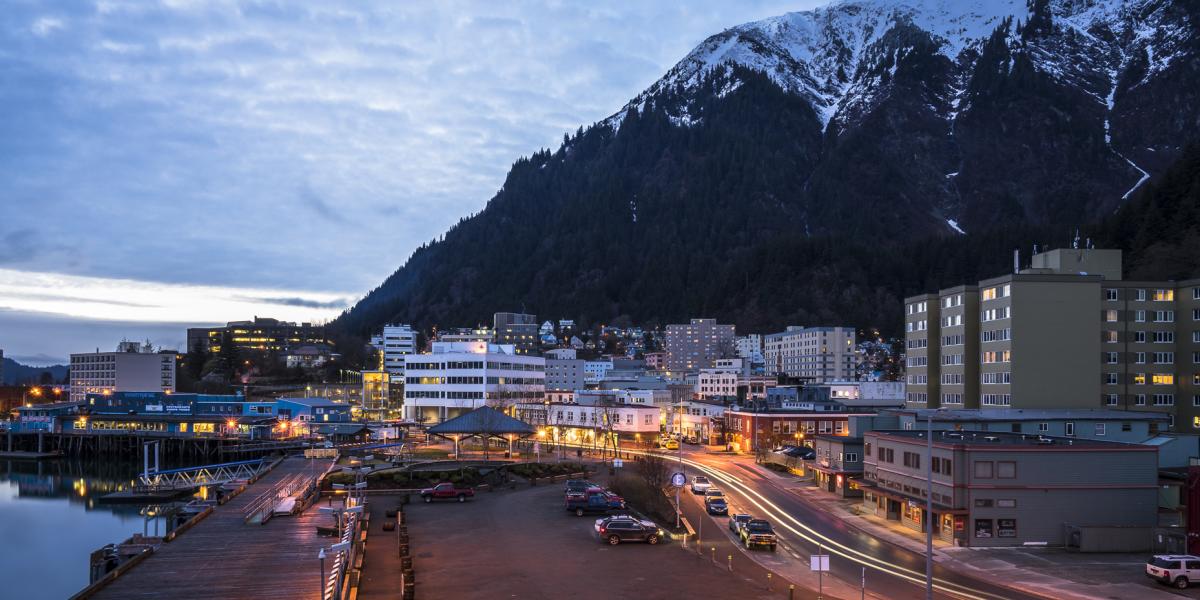
Downtown Juneau: The heart of the city, downtown Juneau, is home to shops, restaurants, museums, and historical buildings. It’s easily walkable and a great place to start your exploration.
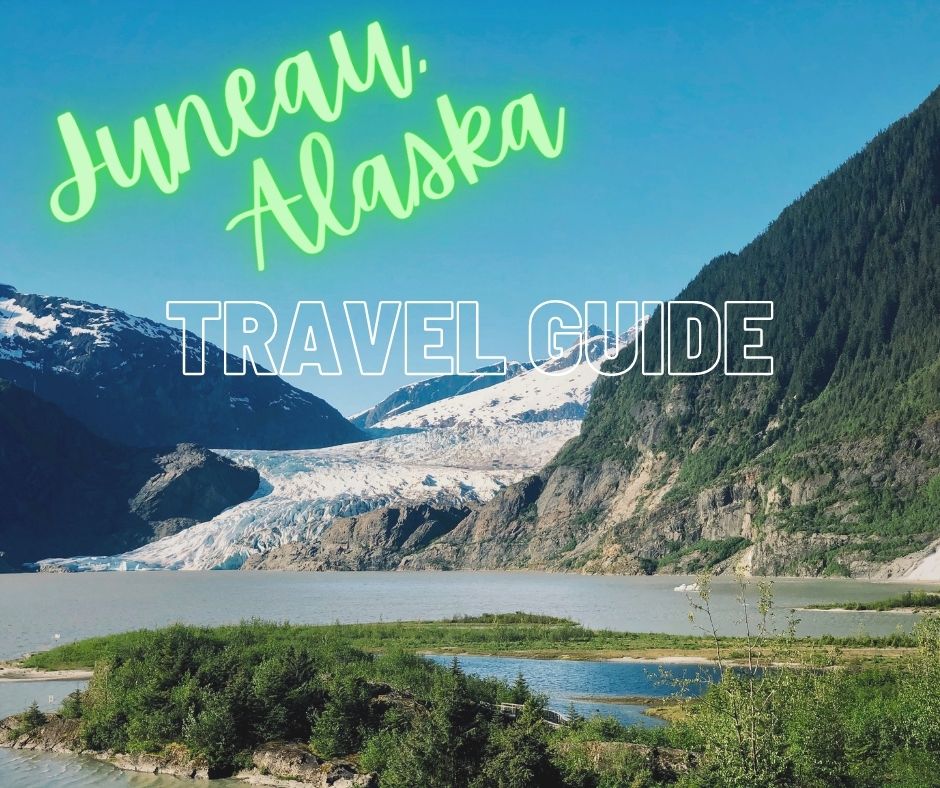
Mendenhall Glacier: A must-see attraction, the Mendenhall Glacier is a massive glacier easily accessible from Juneau. The visitor center offers stunning views, and several trails lead to different vantage points.
Douglas Island: Connected to Juneau by a bridge, Douglas Island offers additional hiking trails, beaches, and a quieter atmosphere than downtown Juneau.
Auke Bay: Located north of downtown, Auke Bay is a hub for boating activities, whale watching tours, and the University of Alaska Southeast campus.
Popular Activities and How Maps Help
Hiking: With countless trails in the Tongass National Forest, detailed trail maps are crucial for planning hikes. They help you choose trails based on difficulty, distance, and points of interest. Use maps to locate trailheads, assess elevation changes, and identify potential hazards.
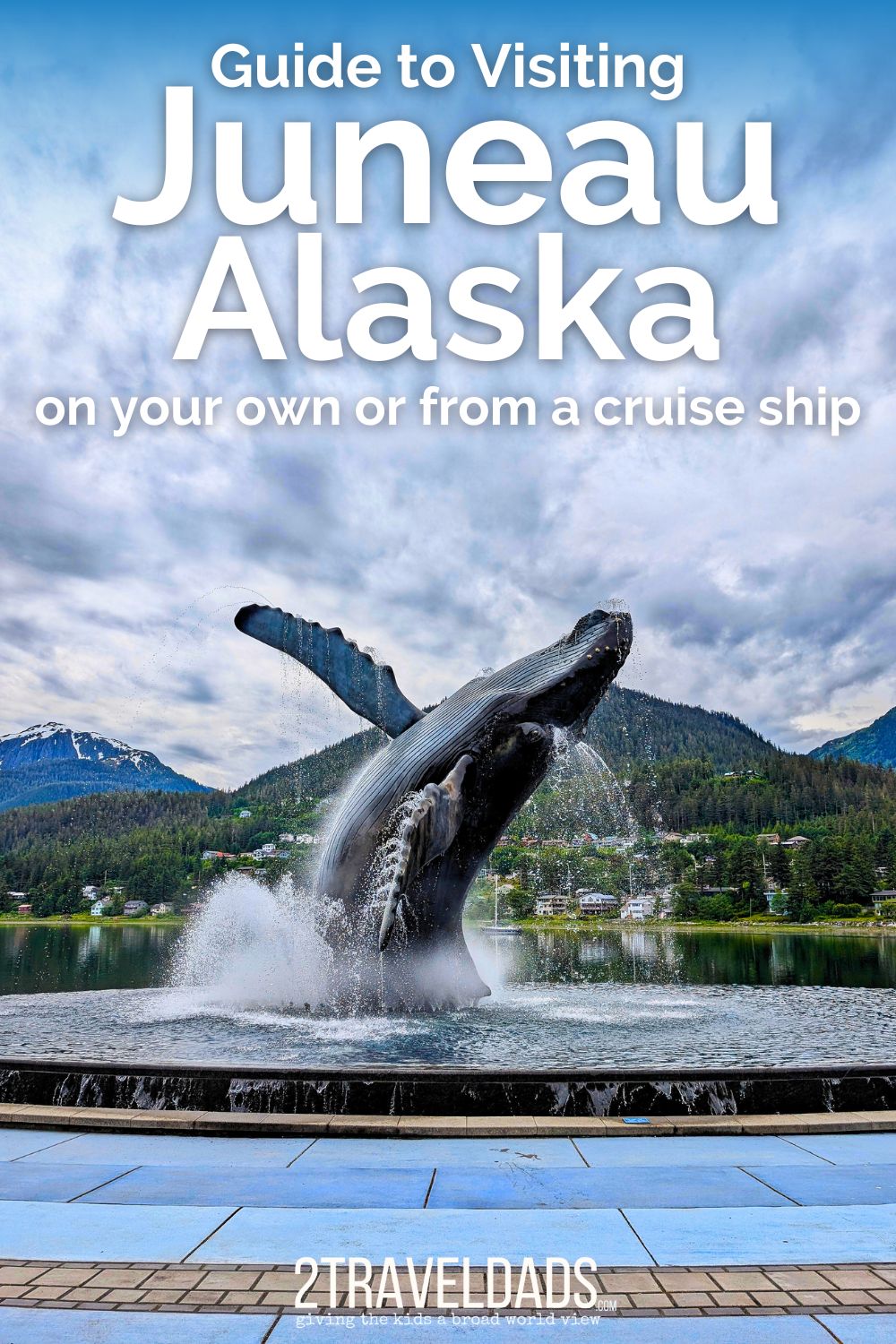
Whale Watching: Whale watching tours are a popular activity in Juneau. While tour operators handle navigation, understanding the general areas where whales are commonly sighted can add to your appreciation of the experience. Look for maps showing whale migration patterns or common feeding grounds.
Glacier Viewing: Besides Mendenhall Glacier, several other glaciers are accessible by boat or plane. Maps can help you visualize the location of these glaciers and understand the routes taken by tour operators.
Fishing: Juneau is a prime fishing destination. Consult maps showing popular fishing spots, regulations, and access points. Be sure to obtain the necessary licenses and permits before fishing.
Understanding Juneau’s Climate and Preparing Accordingly
Juneau’s climate is characterized by mild, wet weather. Rainfall is common throughout the year, and temperatures rarely reach extreme highs or lows. Be prepared for rain and cooler temperatures, even in the summer months. Pack waterproof clothing, sturdy shoes, and layers to adjust to changing conditions.
Essential Travel Tips for Juneau
Book Accommodations in Advance: Juneau’s popularity as a tourist destination means that accommodations can fill up quickly, especially during peak season. Book your hotel, guesthouse, or vacation rental well in advance to secure your preferred lodging.
Plan Transportation: Since Juneau is not accessible by road, plan your transportation carefully. Book flights or ferry tickets in advance, and consider renting a car or using taxis or ride-sharing services to get around the city.
Pack for All Types of Weather: As mentioned earlier, Juneau’s weather can be unpredictable. Pack layers of clothing, waterproof gear, and sturdy shoes to be prepared for rain, wind, and cooler temperatures.
Take Advantage of Local Resources: The Juneau Convention & Visitors Bureau is a valuable resource for information on attractions, activities, and events. Stop by their visitor center or visit their website to get the latest updates and recommendations.
Respect the Environment: Juneau is located in a pristine natural environment. Practice Leave No Trace principles by packing out all trash, staying on marked trails, and avoiding disturbing wildlife.
Staying Safe in Juneau’s Wilderness
Juneau’s proximity to the wilderness requires certain safety precautions. Be aware of wildlife, especially bears, and take appropriate measures to avoid encounters. Carry bear spray, make noise while hiking, and store food properly. Also, be mindful of the weather conditions and potential hazards such as slippery trails or fast-moving water.
Juneau’s History and Culture
Juneau has a rich history and culture, shaped by its indigenous Tlingit heritage, gold mining past, and role as Alaska’s capital city. Explore the city’s museums, historical sites, and cultural centers to learn more about its unique story. Attend local events and festivals to experience Juneau’s vibrant community spirit.
The Future of Juneau: Balancing Growth and Preservation
Juneau faces the challenge of balancing economic growth with the preservation of its natural environment and cultural heritage. Sustainable tourism practices, responsible resource management, and community engagement are crucial for ensuring a vibrant future for Juneau. By supporting local businesses, respecting the environment, and engaging with the community, visitors can contribute to Juneau’s long-term well-being.
Conclusion: Your Adventure Awaits in Juneau
Juneau, Alaska, offers a unique and unforgettable travel experience. By understanding its geography, utilizing maps effectively, and preparing for its climate, you can make the most of your visit. Whether you’re hiking through the Tongass National Forest, marveling at the Mendenhall Glacier, or exploring the city’s historical sites, Juneau promises adventure and discovery at every turn. So, pack your bags, grab your maps, and get ready to explore Alaska’s captivating capital city!
Interactive maps and careful planning are essential to navigating Juneau. Remember to check trail conditions, weather forecasts, and local resources before embarking on any adventure. Enjoy the stunning beauty and unique charm of Juneau!
Alaska travel, Mendenhall Glacier tours, Tongass National Forest hiking, Juneau whale watching, Alaska cruise excursions, Juneau tourism, Southeast Alaska, Alaska Marine Highway, Juneau airport, downtown Juneau map.