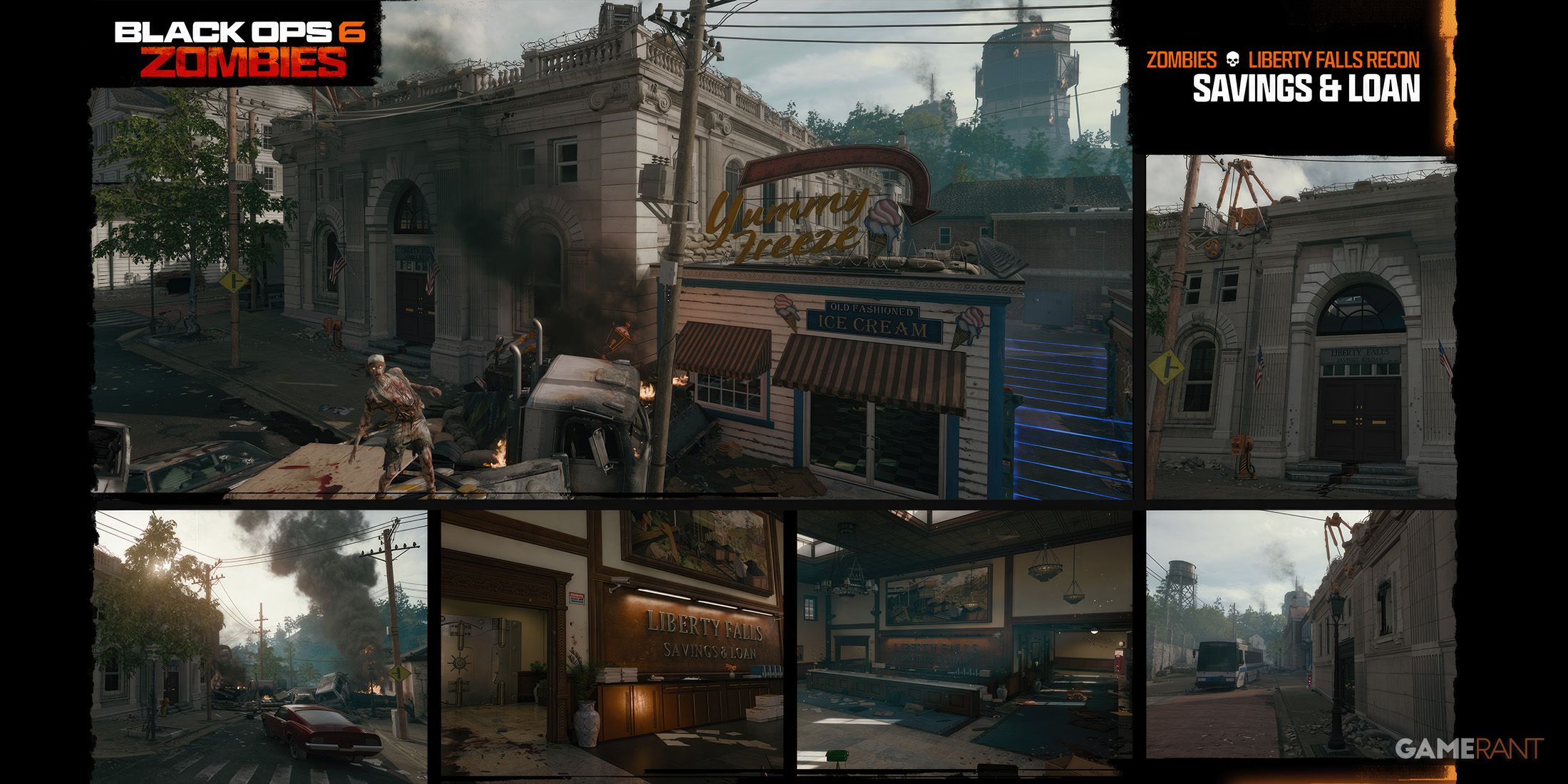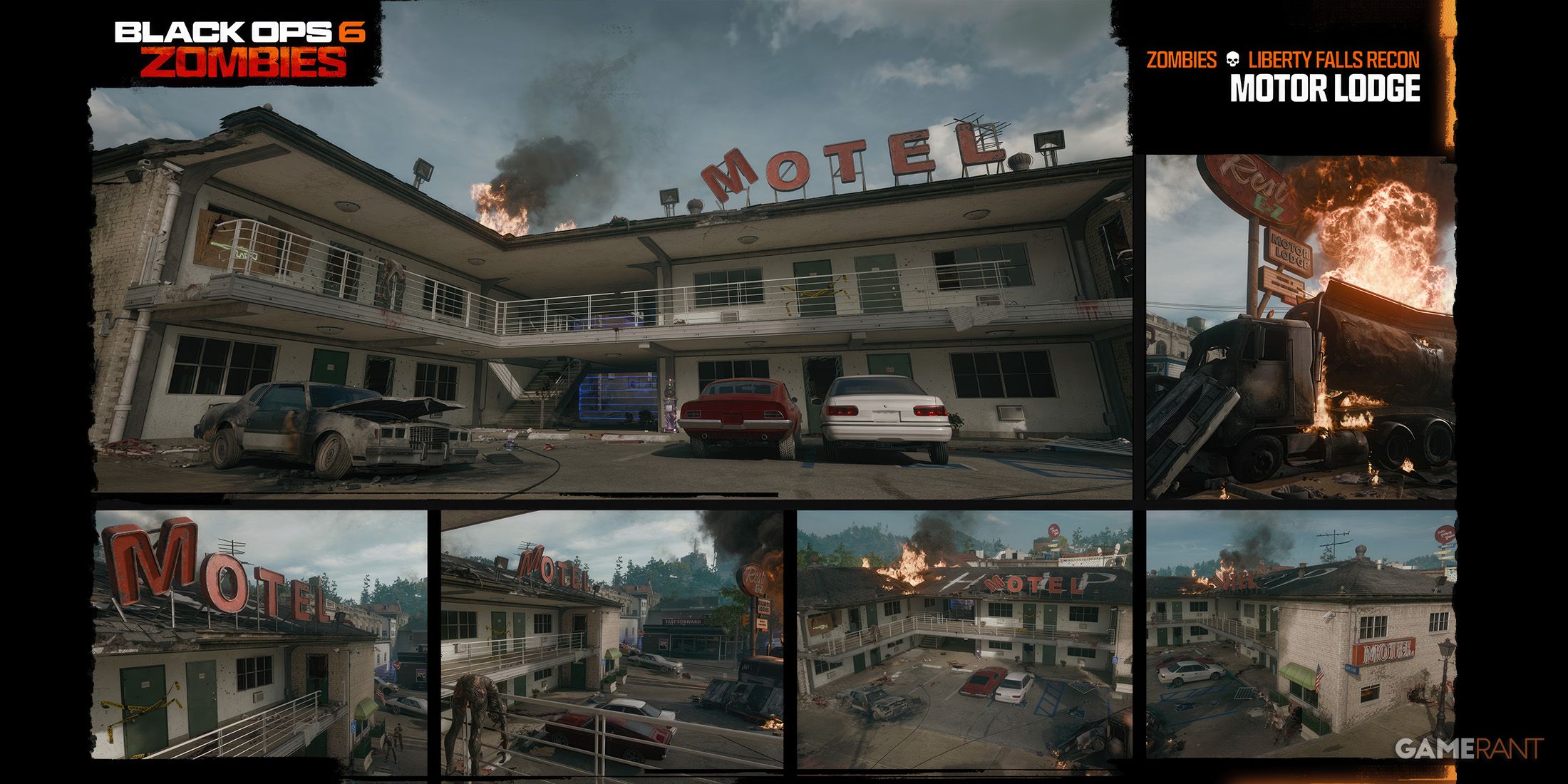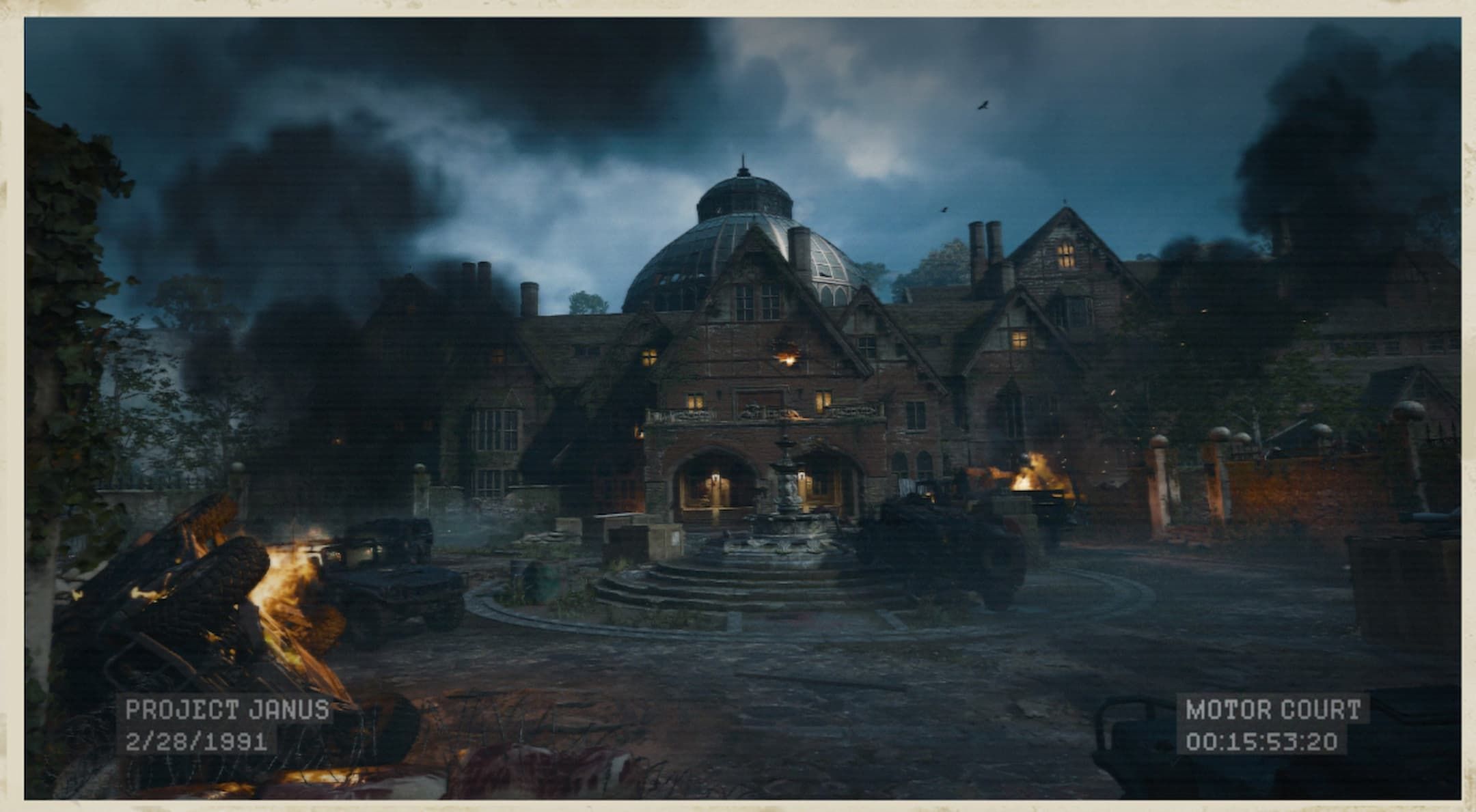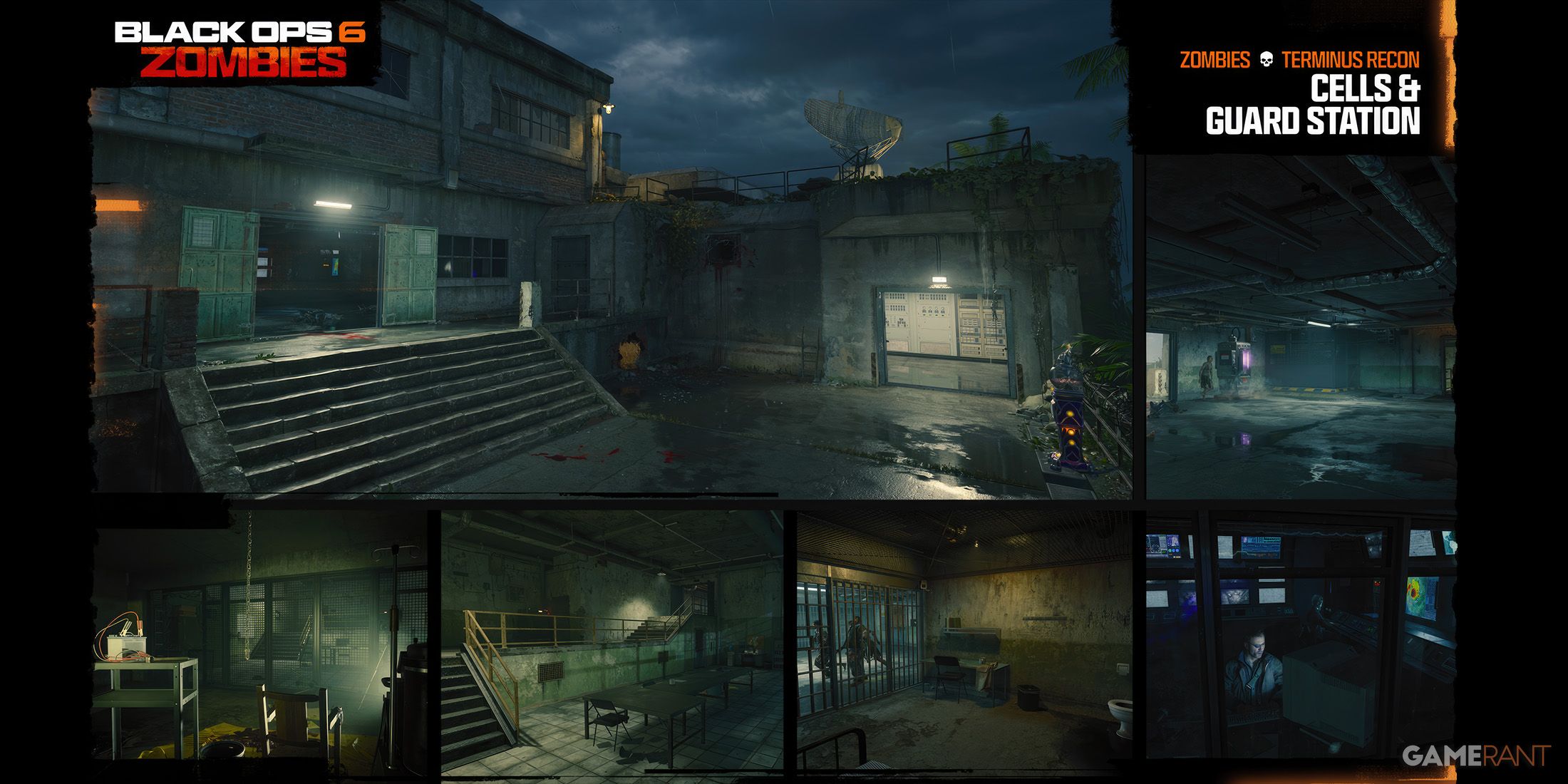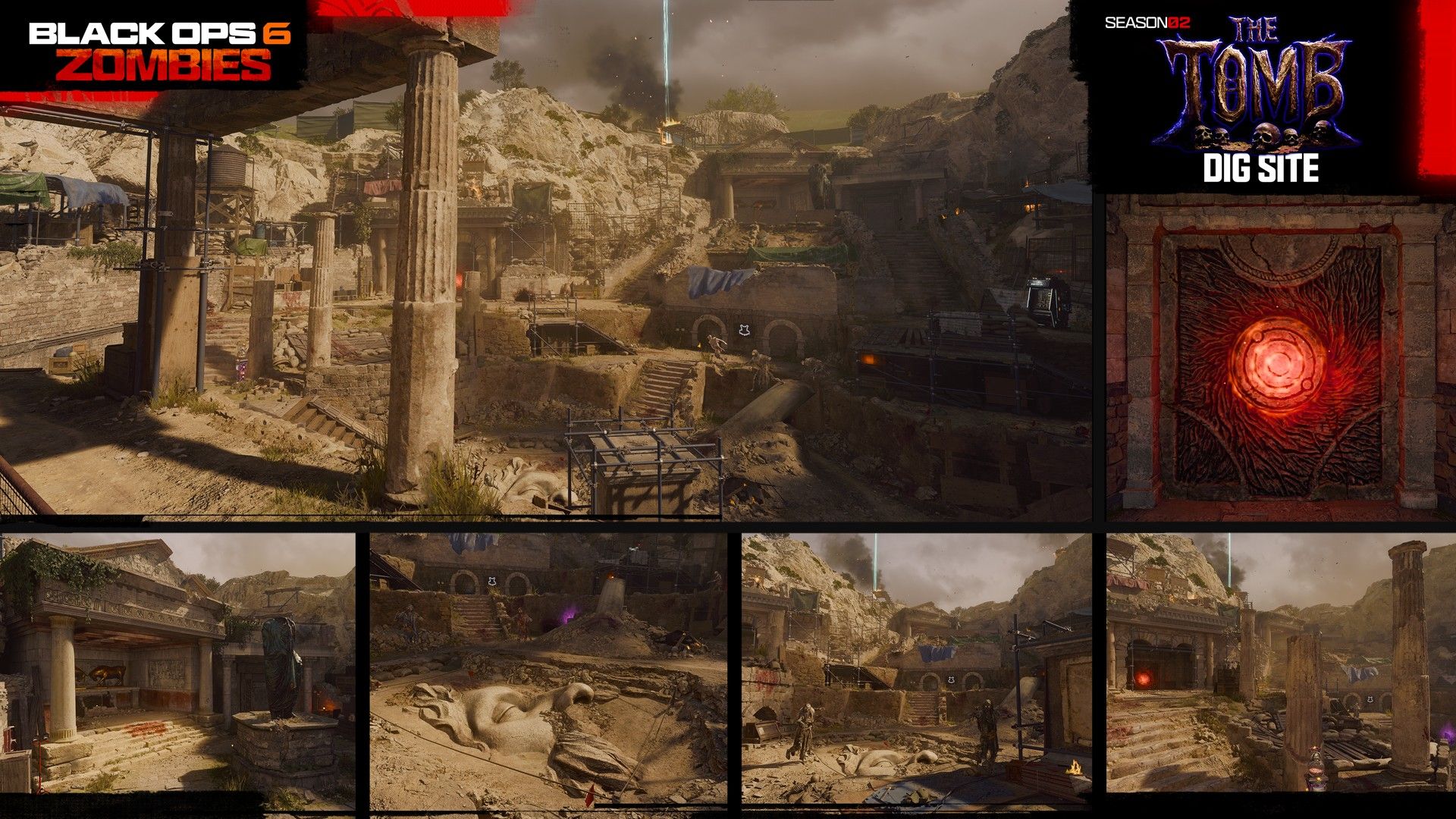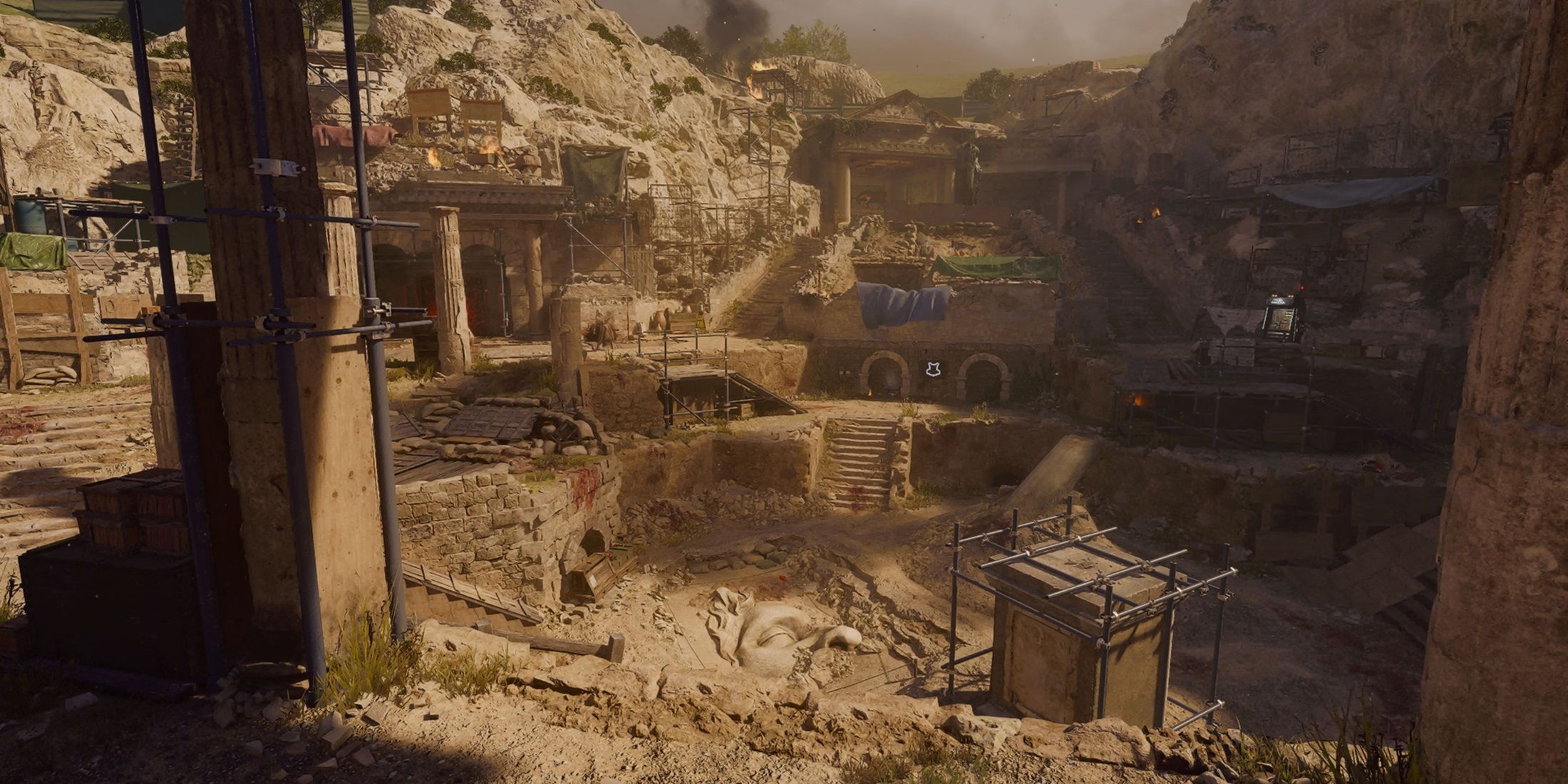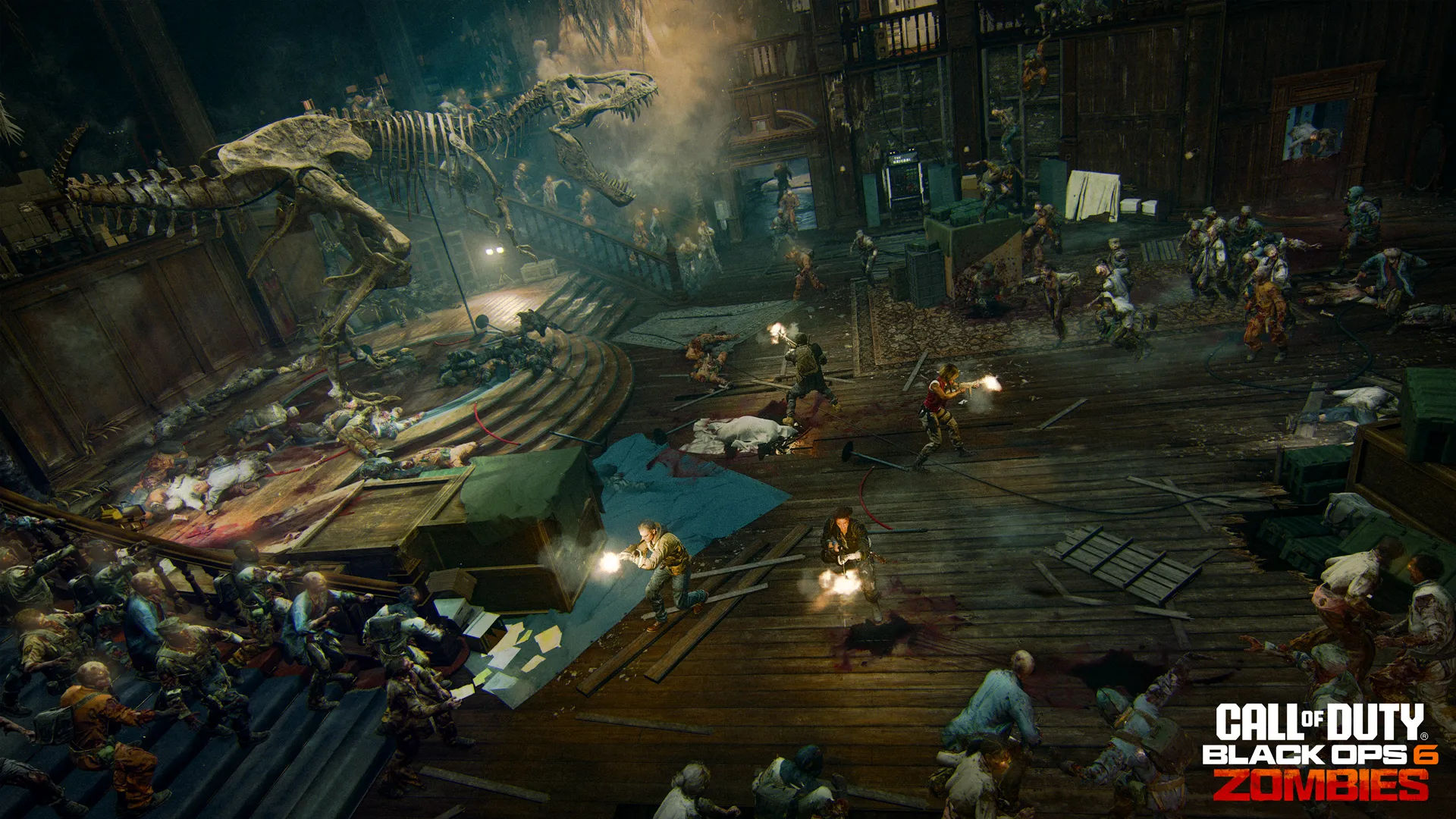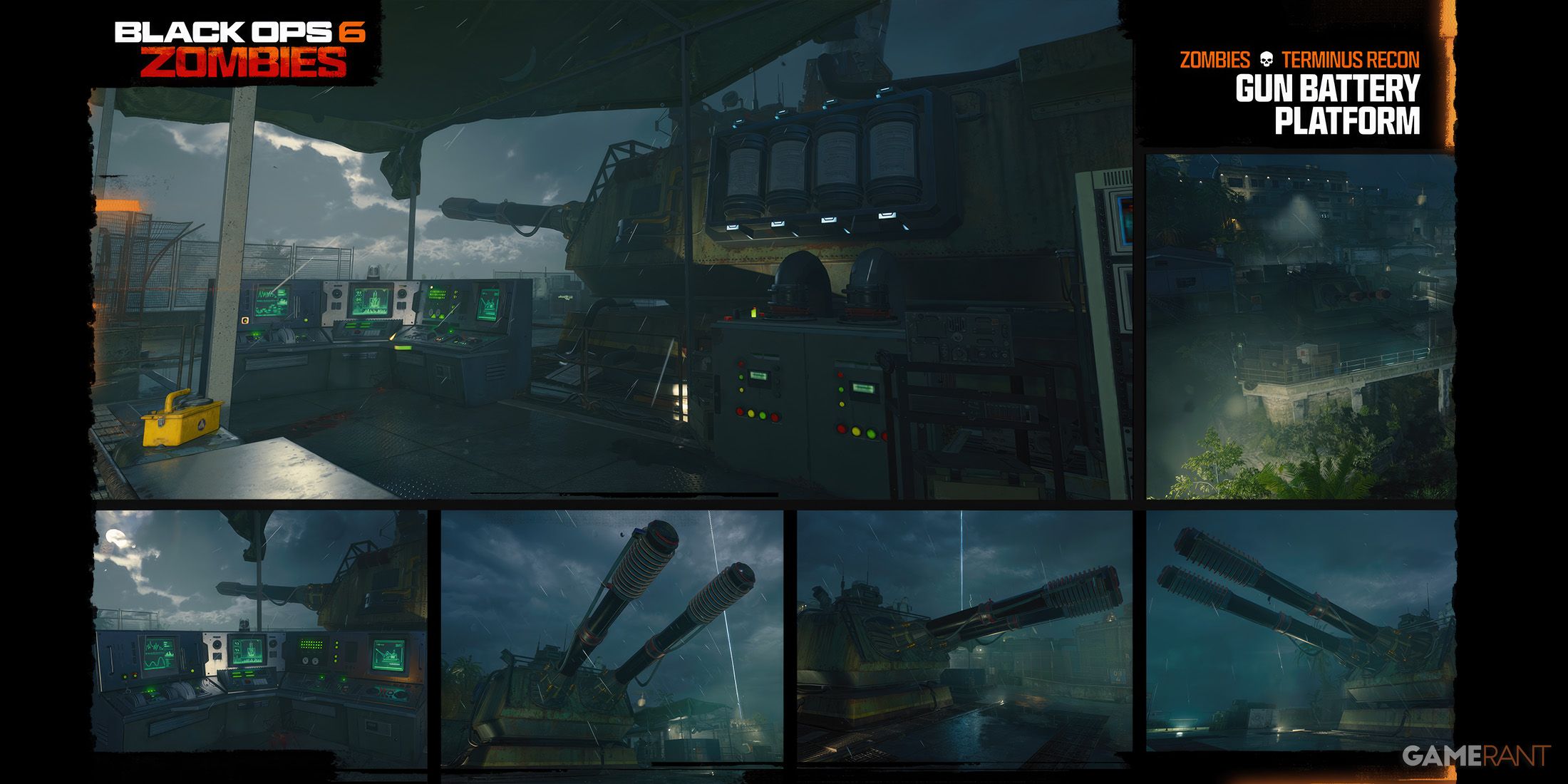
This guide aims to dissect the current state of the new zombie map, primarily focusing on the massive Urzikstan exclusion zone and the subsequent seasonal updates that have introduced "Dark Aether Rifts." These rifts serve as the spiritual successors to traditional maps, offering higher difficulty and exclusive rewards. Whether you are a veteran of the Aether story or a newcomer to the extraction shooter genre, understanding the geography and mechanics of this new map is crucial for survival.
The Evolution of the Undead: From Round-Based to Open World
To fully appreciate the nuances of the new map, one must understand the shift in design philosophy. Treyarch, in collaboration with Sledgehammer Games, has integrated the mechanics of the DMZ mode into the Zombies universe. The result is a PvE (Player vs. Environment) sandbox where multiple squads deploy simultaneously, not to fight each other, but to cooperate against a growing undead threat and AI mercenaries.
Unlike traditional maps like Kino der Toten or Origins, where the layout is static and unlocked via points, the new map is fully accessible from the start—provided you have the gear to survive. This open-world format changes the pacing of the game. Instead of the frantic race to turn on the power, players now engage in a strategic deployment involving contract completion, resource gathering, and calculated movements into higher-threat areas.
Breaking Down the Urzikstan Exclusion Zone
The primary setting for the current Zombies experience is Urzikstan. This massive map is divided into three distinct difficulty regions, often referred to as the Low, Medium, and High Threat Zones. Understanding the topography of these zones is the first step in mastering the new map.
Tier 1: The Low Threat Zone (The Outskirts)
The outer ring of the map constitutes the Tier 1 zone. Here, the zombies are slow, unarmored, and generally easy to manage with base weaponry. This area is designed for gearing up. Players should use this space to complete simple contracts like "Eliminate the Bounty" or "Raid Weapon Stash" to accumulate Essence (currency). It is the safest place to find armor plates and basic perks before venturing inward.
Tier 2: The Medium Threat Zone (The Orange Zone)
Moving closer to the center of the map, the difficulty spikes noticeably. In Tier 2, zombies move faster and are frequently armored. Special enemies, such as Mimics, Manglers, and Disciples, spawn with greater regularity. To survive here, players generally need a weapon that has been Pack-a-Punched at least once and a Rare (Blue) Aether Tool upgrade. The rewards for contracts here are significantly better, offering schematics for perks and ammo mods.
Tier 3: The High Threat Zone (The Red Zone)
The center of Urzikstan is the High Threat Zone. This is a relentless environment where zombies are super-sprinters, dealing massive damage. Abominations—giant three-headed beasts—roam the streets. Survival here requires maximum preparation: Tier 3 Pack-a-Punched weapons, Epic or Legendary tools, and a full squad. However, this is where the best loot in the base map is found, including the Ray Gun plans and high-tier schematics.
The “Real” New Maps: Dark Aether Rifts
While Urzikstan is the base of operations, the true excitement for veteran players lies in the Dark Aether Rifts. Introduced in seasonal updates (Season 1 Reloaded and beyond), these rifts function as instanced, smaller maps that feel closer to the traditional zombie experience in terms of atmosphere and intensity. Accessing these areas requires solving complex Easter Eggs to acquire a Sigil.
Once a player uses a Sigil at a specific tornada-like portal on the map, the squad is teleported to a dark, twisted version of a specific location (such as Al Bagra Fortress). These areas are essentially Tier 4 difficulty. The time limit is reduced to 30 minutes, and the objective shifts to completing three difficult contracts swiftly to unlock the exfiltration portal.
New Mechanics and Features
The new map ecosystem introduces several gameplay loops that differentiate it from predecessors. Mastering these is key to dominating the exclusion zone.
Acquisitions and Schematics: The progression system is now extraction-based. If you find a schematic (a crafting recipe) and successfully exfiltrate, you can craft that item in the lobby with a cooldown timer. This allows players to start matches with powerful perks or Wonder Weapons immediately, bypassing the early-game grind.
Mercenary Camps and Strongholds: Zombies are not the only threat. AI-controlled Terminus Outcomes mercenaries occupy fortresses across the map. Clearing these requires a different tactical approach, emphasizing cover and ranged combat. Defeating a Warlord in a specialized fortress rewards players with a guaranteed Wonder Weapon case.
Strategic Loadouts for the New Map
Surviving the high-threat zones and Dark Aether Rifts requires meta-defining loadouts. While weapon balancing changes with every patch, certain archetypes remain dominant.
Currently, high-capacity Assault Rifles and LMGs are favored for their ability to sustain fire against hordes. However, the mobility offered by SMGs and dual-wield pistols (like the Tyr or WSP Swarm) has proven invaluable in the Red Zone where movement speed is life. Equipping the "Decoy Grenade" is almost mandatory, as it distracts zombies long enough to revive teammates or reload.
Field Upgrades: The "Healing Aura" is essential for team play, allowing instant revives from a distance. For solo players, "Energy Mine" or "Aether Shroud" provides necessary crowd control and escape mechanisms.
Easter Eggs and Narrative Continuity
A Call of Duty Zombie map is incomplete without Easter Eggs. The current iteration continues the Dark Aether storyline, following Operation Deadbolt’s attempts to contain the outbreak caused by Viktor Zakhaev. The narrative is delivered through story missions (Acts I, II, and III) which guide players through specific objectives on the map.
The "new" Easter Eggs are often related to unlocking the Rifts. For example, players had to find and upgrade four specific items (like a Locked Diary and a Surveillance Camera) to Gold rarity to open the first Dark Aether portal. These quests require deep map knowledge and coordination, harkening back to the complex steps of maps like Der Eisendrache.
Common Questions About the New Map
Can you play the new map solo?
Yes, solo play is entirely possible, though significantly more challenging. Solo players must rely heavily on stealth, vehicles, and the "Self-Revive" kit, which can be found or purchased at Buy Stations. The threat scales with zones, not squad size, so a solo player faces the same number of zombies as a squad of three.
What happens if you die?
If you bleed out and are not revived, or if you fail to exfiltrate before the storm consumes the map, you lose all the gear in your rucksack, your armor vest, and your insured weapon slot goes on cooldown. However, your "Stash" items in the menu remain safe.
The Future of COD Zombies Maps
Looking ahead, the community’s eyes are fixed on the future of the franchise. While MW3 Zombies receives seasonal content updates adding new Warlords, schematics, and Rift locations, the major shift is expected with the release of the next Treyarch-led title.
Leaks and industry speculation point toward the 2024 title (often referred to as Black Ops Gulf War) featuring two launch maps that return to the beloved round-based format. Until then, the Urzikstan map and its expanding rifts serve as the testing ground for new mechanics and narrative threads that will likely bridge the gap to the next saga.
Conclusion
The concept of the "new COD zombie map" has evolved from a single, contained location to a massive, living open world filled with dynamic objectives and tiered difficulties. While it departs from the classic formula, the Urzikstan map and the challenging Dark Aether Rifts offer a deep, replayable experience for those willing to adapt.