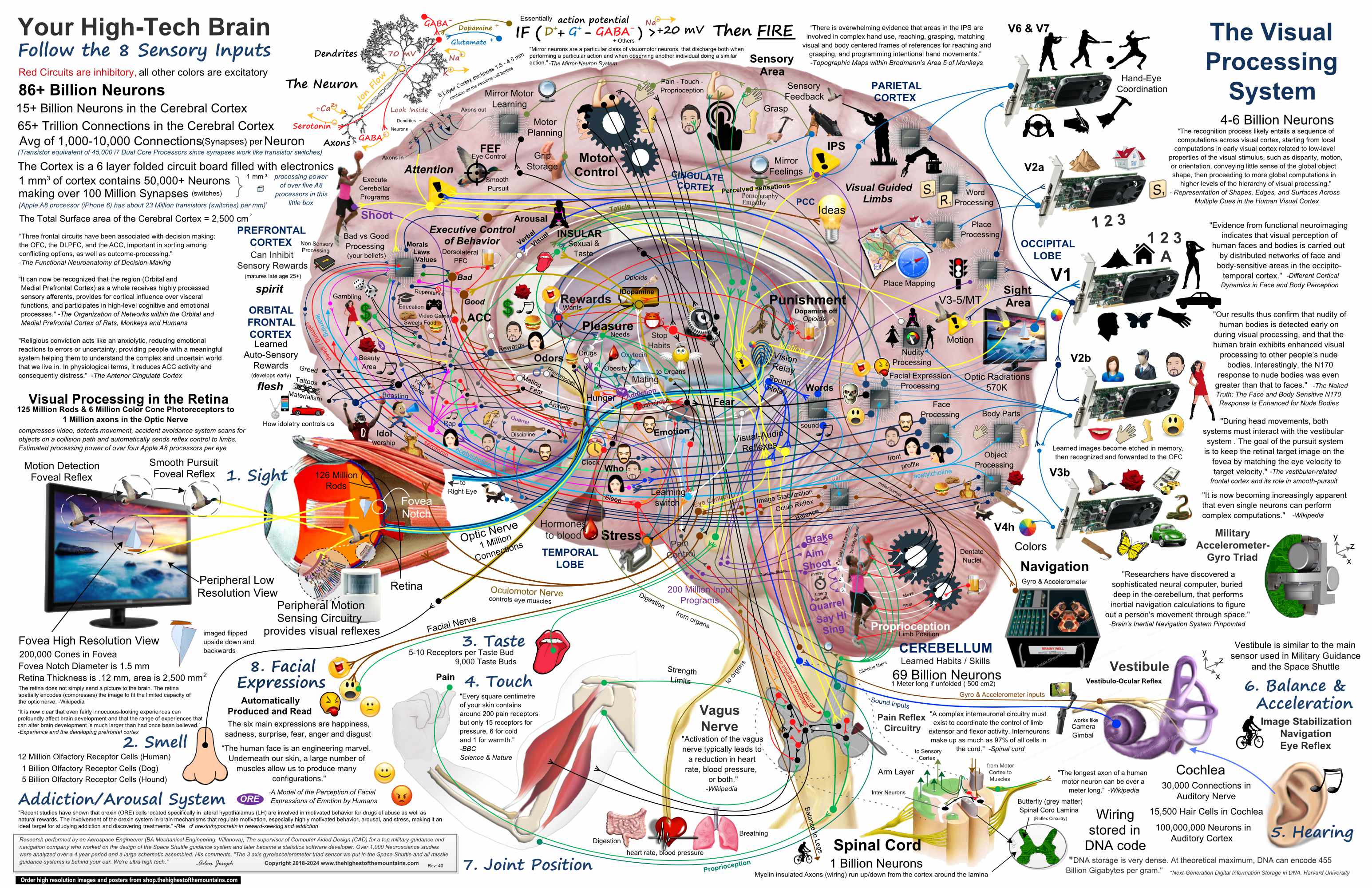
This guide will take you on a journey through the fascinating landscape of the human brain. We will explore the major functional areas, from the executive frontal lobes to the visual processing centers in the occipital lobe, and delve into the technologies that allow us to peer inside the working mind. Understanding this map is not just an academic exercise; it is fundamental to advancing medicine, psychology, and our very understanding of what it means to be human.
What Exactly Is a Functional Map of the Brain?
A functional map of the brain is more than just a simple anatomical chart. While anatomy tells us where structures are located, a functional map tells us what they do. It outlines the division of labor within the brain, identifying which regions are primarily responsible for processes like language, memory, movement, and sensory perception. This concept is often referred to as localization of function.
However, the modern understanding of brain function has evolved beyond simple localization. While certain areas are indeed highly specialized, no single region works in isolation. Complex cognitive tasks require the coordinated effort of vast, interconnected neural networks that span multiple brain regions. Therefore, a modern functional map illustrates both specialized hubs and the intricate communication pathways that connect them.
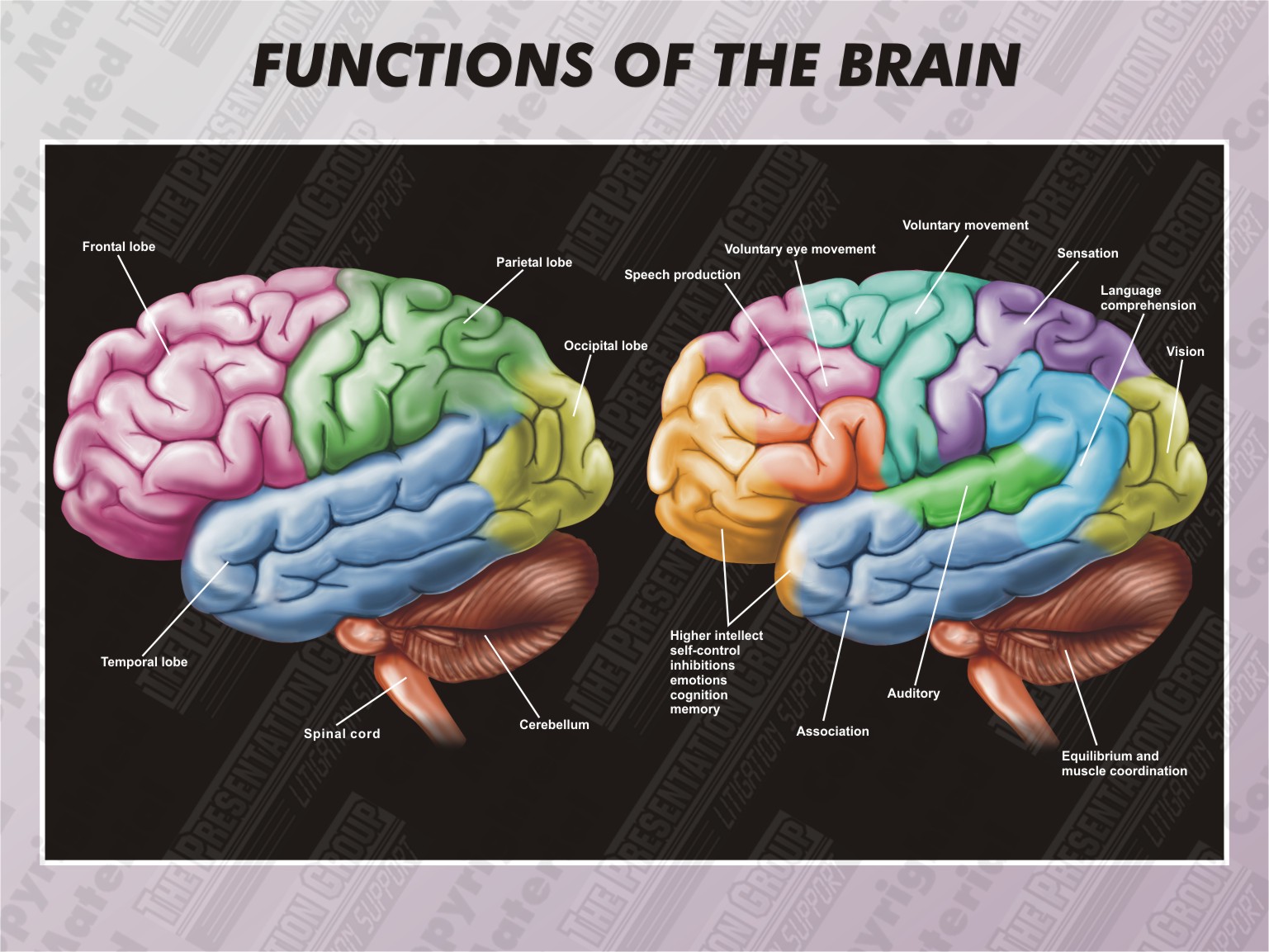
The idea of brain function localization has historical roots. In the 19th century, physicians like Paul Broca and Carl Wernicke made groundbreaking discoveries by studying patients with brain damage. They identified specific areas in the left hemisphere crucial for speech production (Broca’s area) and language comprehension (Wernicke’s area), providing the first concrete evidence that distinct cognitive functions were tied to specific parts of the brain.
The Grand Divisions: Cerebral Cortex and Hemispheres
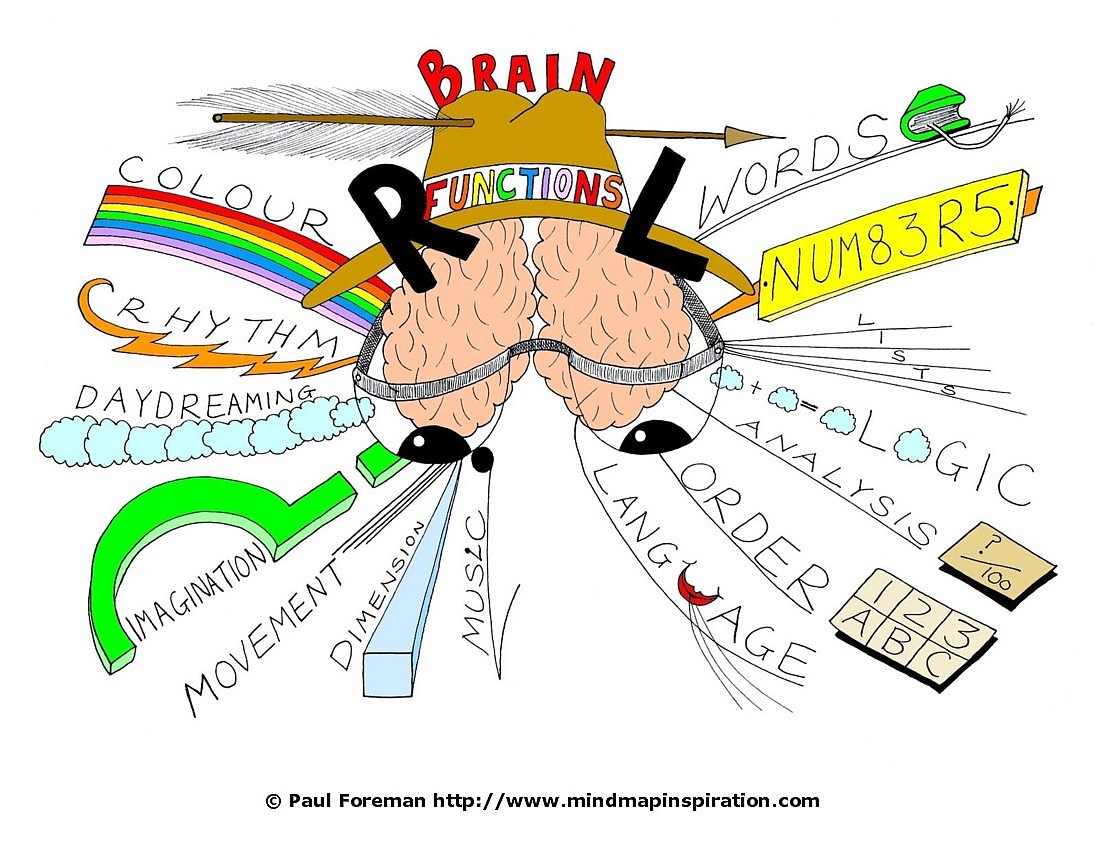
The most prominent feature of the human brain is the cerebral cortex, the wrinkled outer layer responsible for higher-level thought processes. The cortex is divided into two halves: the left and right cerebral hemispheres. These hemispheres are connected by a thick bundle of nerve fibers called the corpus callosum, which allows them to communicate.
A Tour of the Four Primary Lobes
The Frontal Lobe: The Brain’s Executive Director
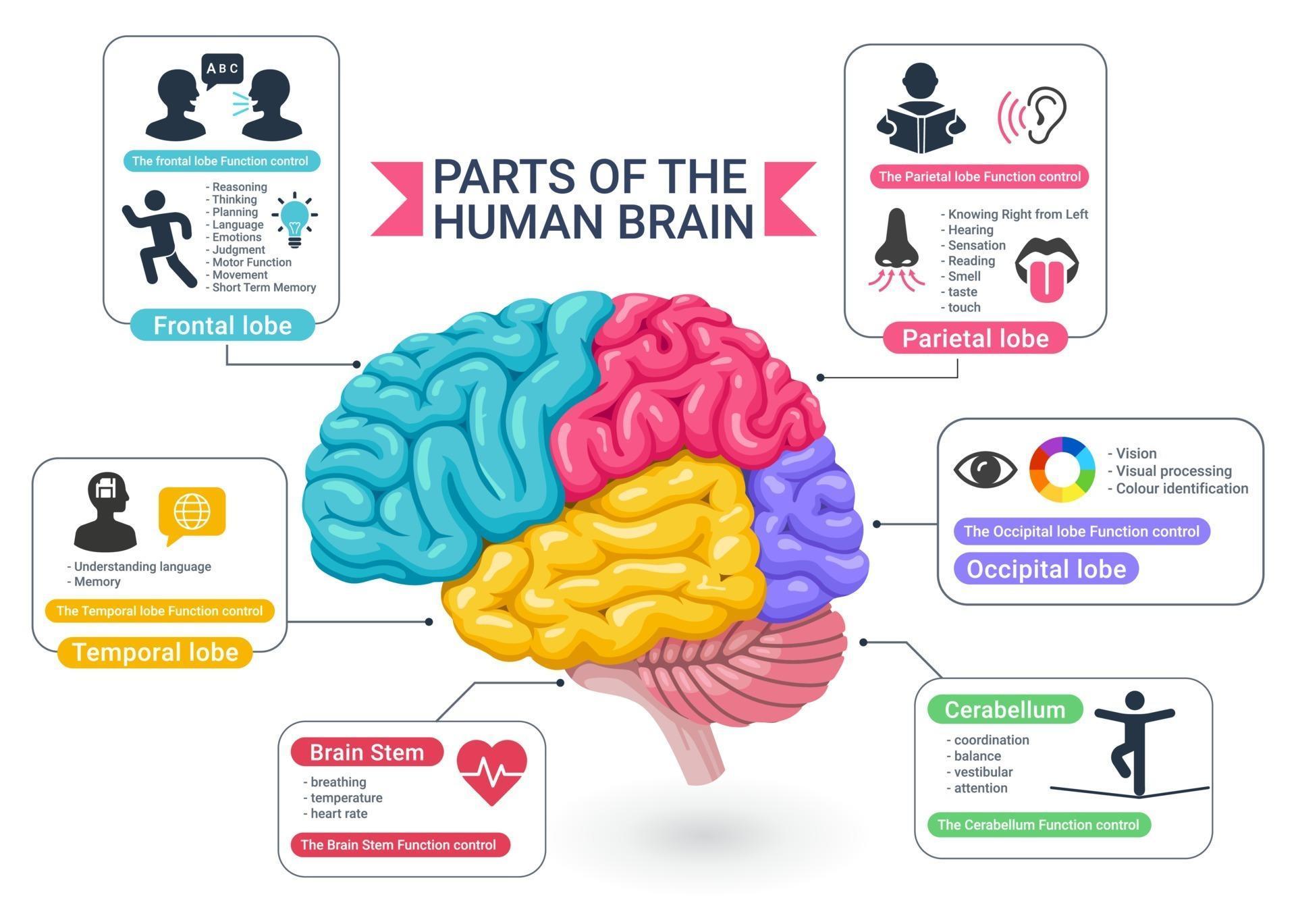
Located at the front of the brain, just behind the forehead, the frontal lobe is the largest of the four lobes and is considered our executive control center. It is responsible for what are known as executive functions, which include planning, decision-making, problem-solving, and regulating social behavior.
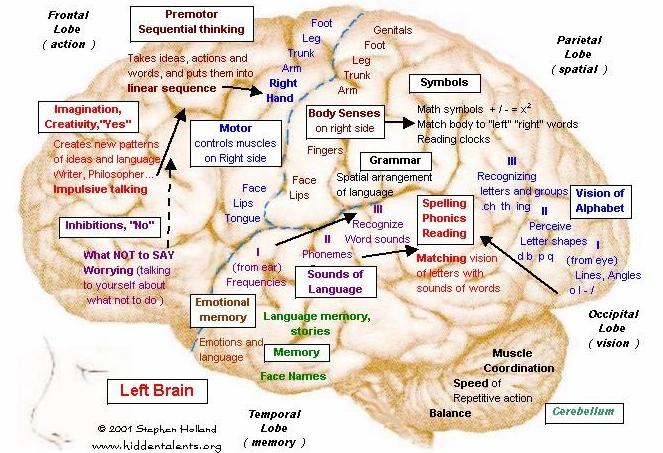
The rearmost portion of the frontal lobe contains the motor cortex, which controls voluntary movements. Each part of the motor cortex corresponds to a specific body part, with more intricate areas like the hands and face having larger representations.
Within the frontal lobe also lies the famous Broca’s area, typically in the left hemisphere, which is critical for the production of fluent, articulate speech.
The Parietal Lobe: The Sensory and Spatial Hub
Situated behind the frontal lobe, at the top of the head, the parietal lobe is the primary hub for integrating sensory information from various parts of the body. It allows us to process sensations of touch, temperature, pain, and pressure.
A key region within the parietal lobe is the somatosensory cortex, which is located just behind the motor cortex. It receives and processes sensory input from the skin and muscles, creating a ‘map’ of the body’s sensations.
The parietal lobe also plays a crucial role in spatial awareness, navigation, and visual-motor coordination. It helps you judge distances, read a map, and know where your body is in space.
The Temporal Lobe: The Auditory and Memory Processor
Found on the sides of the brain, near the temples, the temporal lobes are the main centers for auditory processing. They are responsible for interpreting sounds, including the complexities of language.
Nestled deep within the temporal lobe is the hippocampus, a structure absolutely vital for the formation of new long-term memories. Damage to this area can result in the inability to create new memories, a condition known as anterograde amnesia.
The temporal lobe also contains Wernicke’s area, the counterpart to Broca’s area. Wernicke’s area is essential for understanding spoken and written language, allowing us to derive meaning from words.
The Occipital Lobe: The Vision Center
Located at the very back of the brain, the occipital lobe is almost exclusively dedicated to one function: vision. It receives raw visual data from the eyes via the optic nerves and begins the complex process of interpreting it.
The occipital lobe processes various aspects of vision, including color, motion, and form. This information is then sent to other areas of the brain, such as the parietal and temporal lobes, for further processing—like recognizing a face or identifying an object.
Beyond the Cortex: Deeper Brain Structures
While the cerebral cortex handles higher-order functions, a complete functional map must include the crucial structures that lie beneath it, which control more primitive and automatic processes.
The Cerebellum: Often called the ‘little brain’, the cerebellum is located at the back of the brain, beneath the occipital and temporal lobes. Its primary role is to coordinate voluntary movements, posture, balance, and motor learning. It ensures our movements are smooth and precise.
The Limbic System: This set of interconnected structures, including the hippocampus, amygdala, and hypothalamus, is the emotional core of the brain. The amygdala is central to processing fear and other emotions, the hippocampus is key for memory, and the hypothalamus regulates bodily functions like hunger and temperature in response to emotional states.
How Do Scientists Map Brain Function?
Creating these detailed maps is made possible by sophisticated neuroimaging technologies that allow us to observe the brain in action. The two most common methods are fMRI and EEG.
Functional Magnetic Resonance Imaging (fMRI): This technique measures brain activity by detecting changes in blood flow. When a brain area becomes more active, it requires more oxygen, and fMRI tracks the oxygen-rich blood that flows to it. This provides excellent spatial resolution, meaning it can pinpoint with high accuracy where the activity is happening.
Electroencephalography (EEG): EEG uses electrodes placed on the scalp to measure the electrical activity generated by firing neurons. While its spatial resolution is poor (it’s hard to tell exactly where the signal is coming from), it has superb temporal resolution. It can detect changes in brain activity in real-time, down to the millisecond, telling us when something happens.
Other techniques like Positron Emission Tomography (PET), which tracks radioactive tracers, and Magnetoencephalography (MEG), which measures magnetic fields, also contribute valuable data to our understanding of brain function.
The Dynamic Brain: A Map That Changes
One of the most profound discoveries in modern neuroscience is that the brain’s functional map is not static. It is constantly changing and adapting throughout our lives, a concept known as neuroplasticity.
Every time you learn a new skill, form a memory, or adapt to a new environment, you are physically changing the structure and functional connections within your brain. Neural pathways are strengthened through use and weakened through disuse.
This remarkable adaptability is most evident in cases of brain injury. If one part of the brain is damaged, other areas can sometimes reorganize to take over its lost functions, allowing for partial or even full recovery. Neuroplasticity is the foundation of learning, memory, and resilience.
Why the Functional Brain Map Matters
Understanding the functional organization of the brain has immense practical implications. In medicine, it is crucial for diagnosing and treating neurological and psychological disorders like stroke, epilepsy, depression, and schizophrenia.
For neurosurgeons, functional brain mapping is an indispensable tool. Before removing a brain tumor or treating epilepsy, surgeons use techniques like fMRI to map the patient’s unique brain functions to avoid damaging critical areas responsible for speech or movement.
In fields like education and psychology, this knowledge helps us develop better learning strategies and therapies by understanding the neural basis of behavior, cognition, and emotion.
Conclusion: An Ever-Evolving Blueprint
The functional map of the brain is a testament to the organ’s incredible complexity and elegance. It reveals a system of highly specialized regions working in concert through vast, interconnected networks. From the executive decisions of the frontal lobe to the life-sustaining rhythms of the brainstem, each part plays a vital role.
Thanks to powerful neuroimaging technologies, our map becomes more detailed every year. Yet, we must remember that this map is dynamic, constantly being redrawn by our experiences through the power of neuroplasticity. The ongoing quest to chart the human brain is not just about understanding a biological structure; it’s about deciphering the very essence of human consciousness and potential.