What is East Asia? Defining the Region
Before diving into the physical map, it’s important to define what constitutes East Asia. Generally, the region includes China, Japan, North Korea, South Korea, and Taiwan. Mongolia is sometimes included due to its cultural and historical ties to the region. Each of these countries boasts unique geographical characteristics that contribute to the overall diversity of East Asia.
Major Geographical Features of East Asia
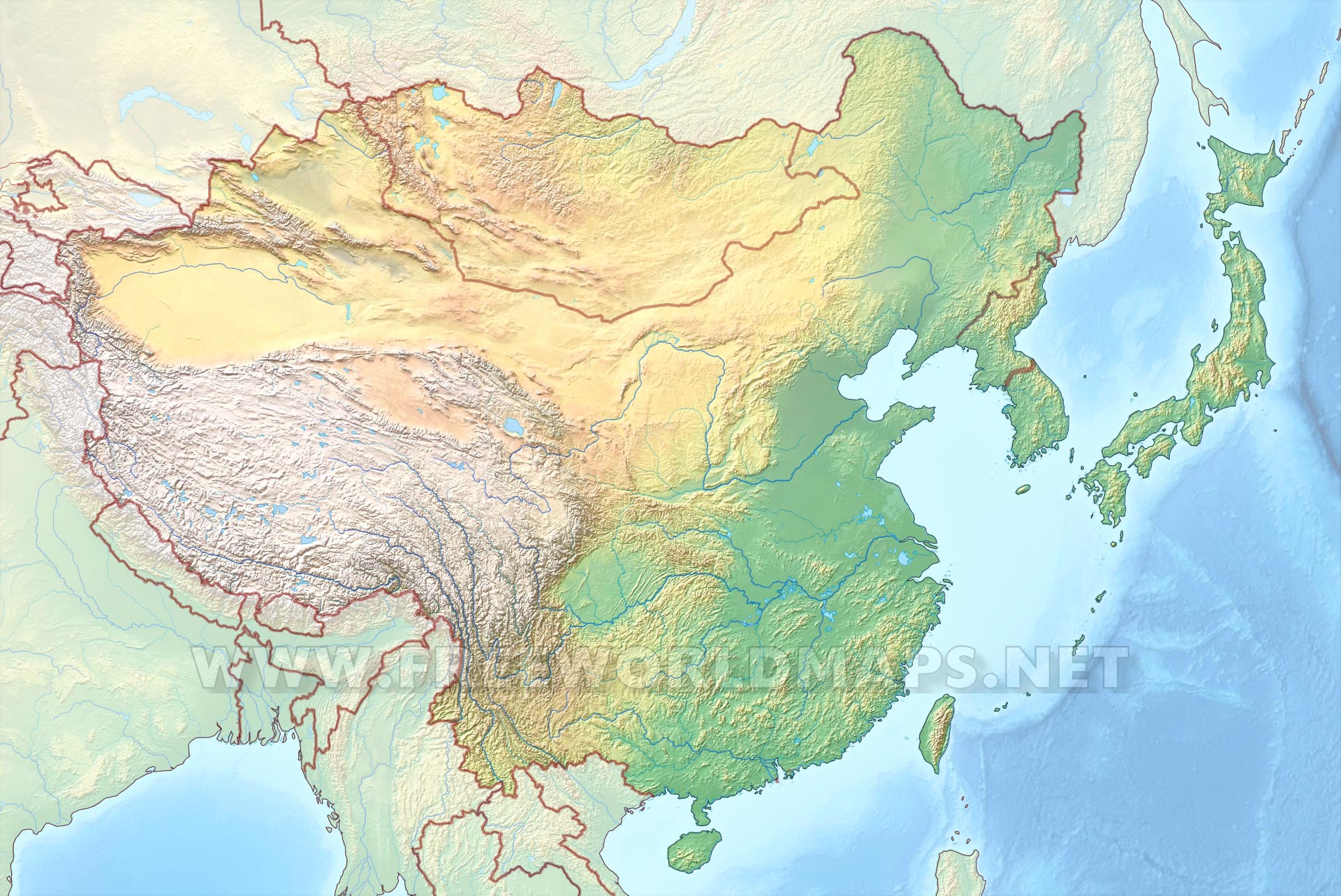
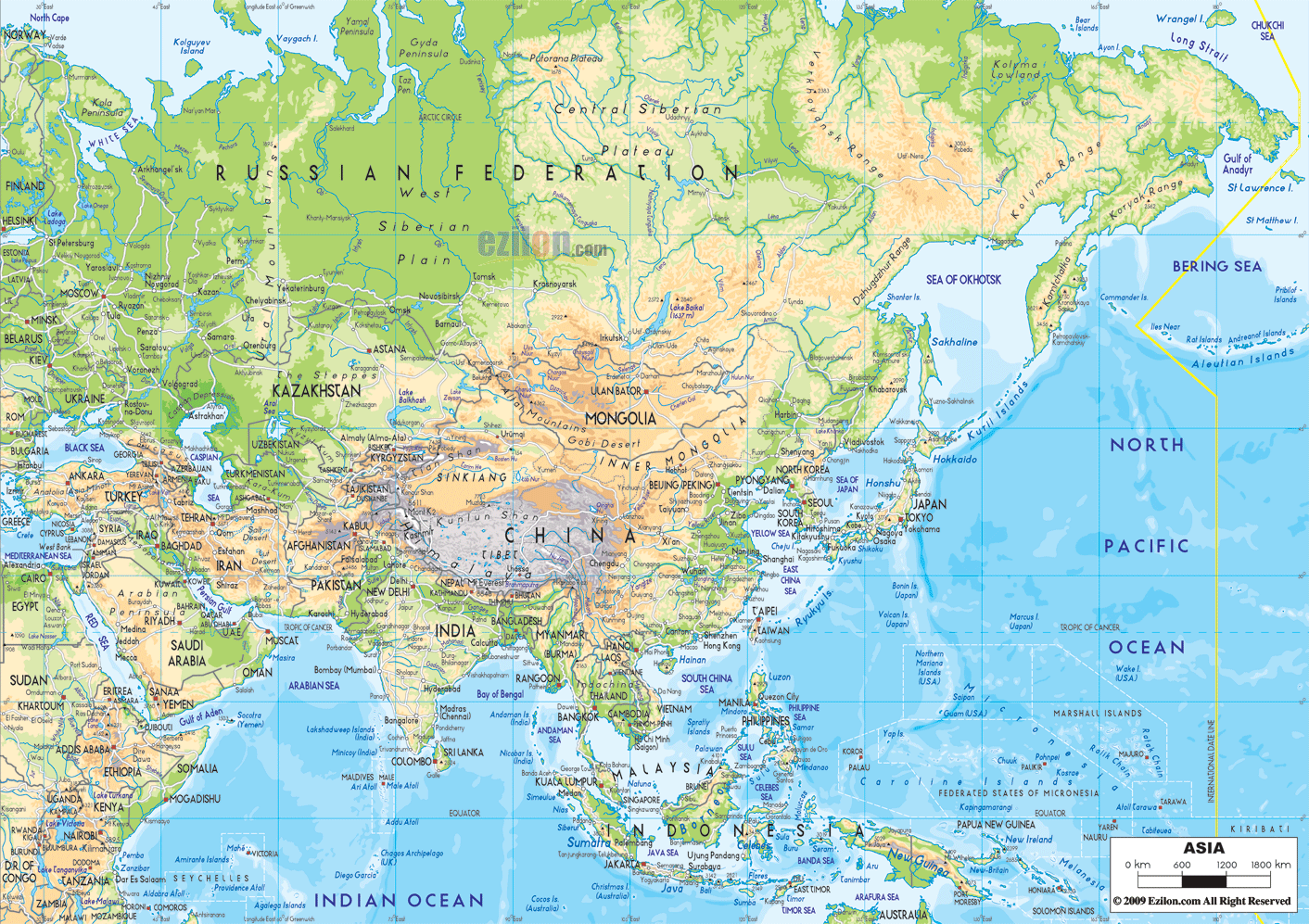
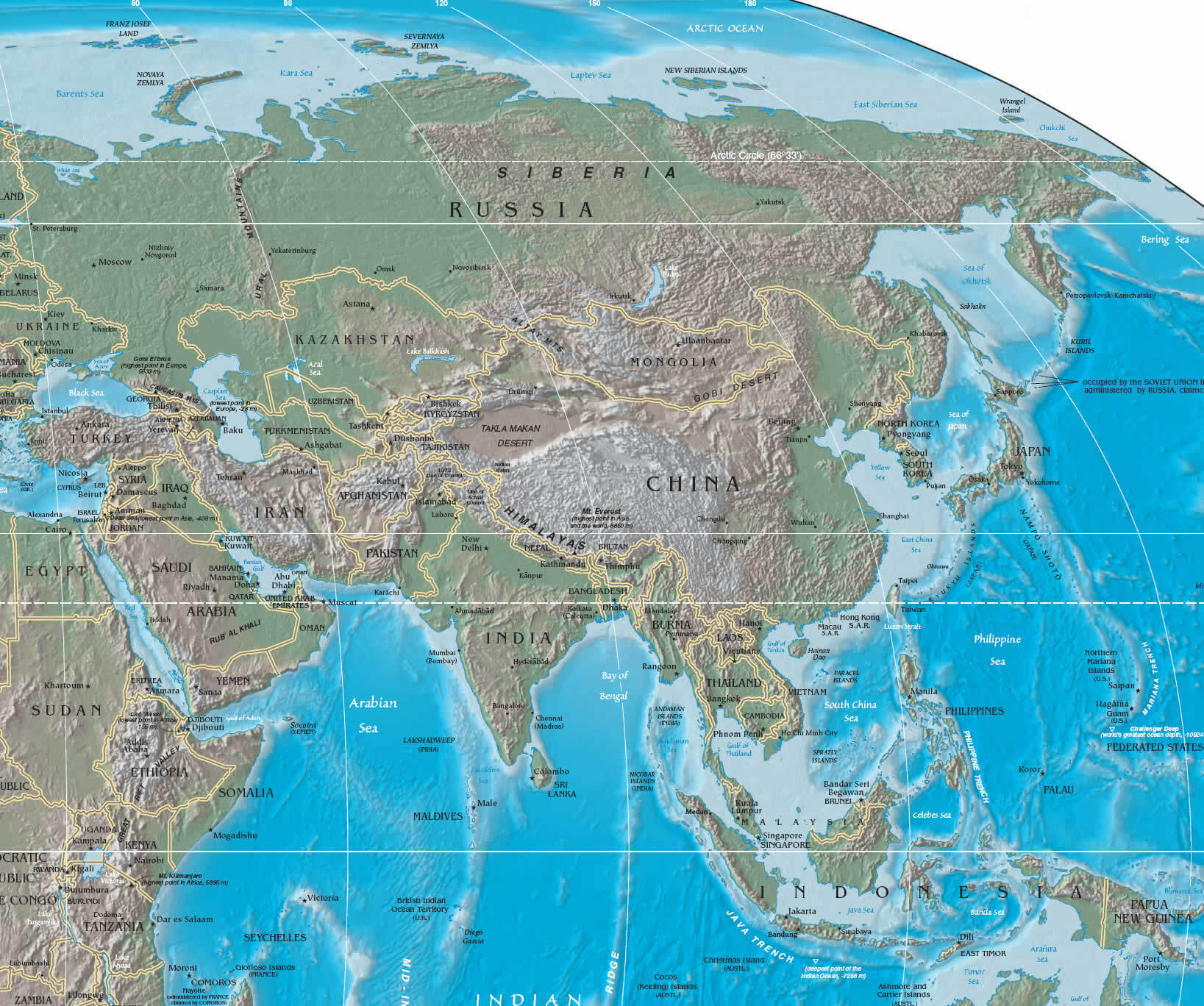
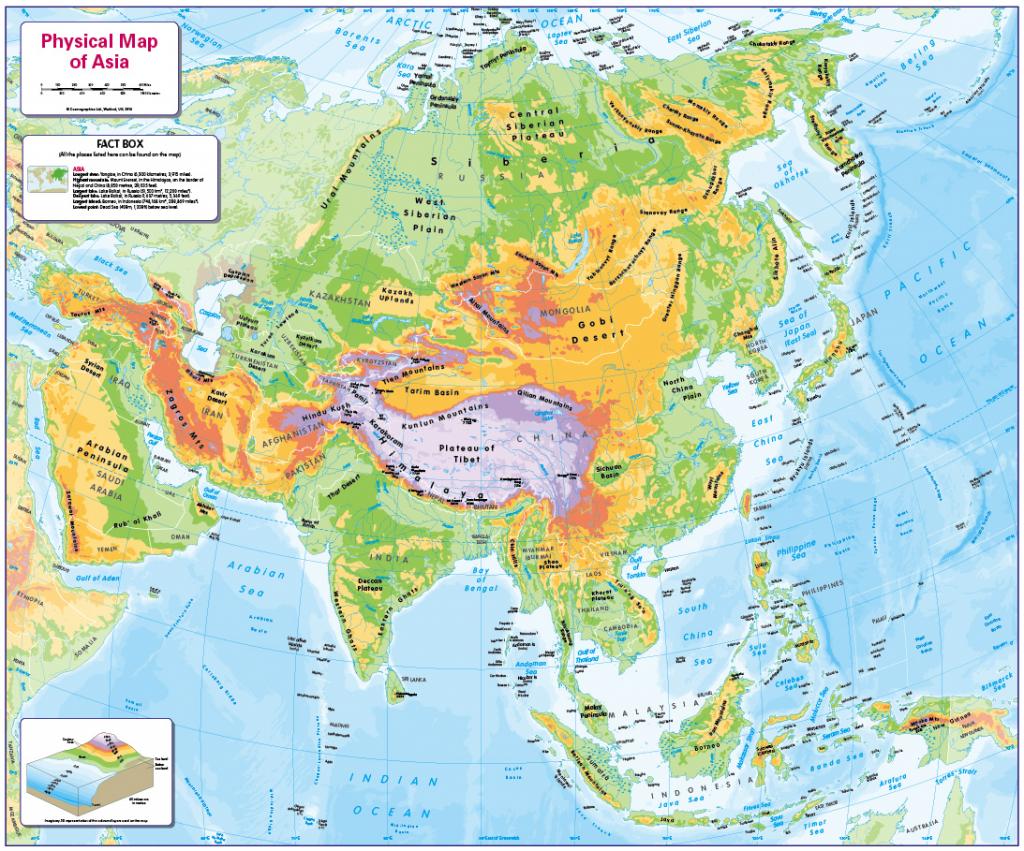
East Asia’s landscape is characterized by a complex interplay of mountains, plateaus, plains, deserts, and coastal regions. These features have profoundly influenced the region’s history, culture, and economy.
Mountain Ranges: The Spine of East Asia
- The Himalayas: While primarily associated with South Asia, the Himalayan range extends into western China, forming the southwestern boundary of the region.
- The Kunlun Mountains: Located in western China, the Kunlun Mountains are one of the longest mountain ranges in Asia, acting as a significant climate divide.
- The Tian Shan: Stretching across Central Asia and into northwestern China, the Tian Shan mountains are known for their stunning beauty and glacial landscapes.
- The Greater Khingan Range: This mountain range runs north-south through northeastern China and eastern Mongolia, influencing the climate of Manchuria.
- The Japanese Alps: Found in Japan, these mountains are characterized by steep slopes, deep valleys, and volcanic peaks.
These mountain ranges have played a crucial role in shaping regional climate, influencing river systems, and providing natural resources. They also present challenges to transportation and communication, contributing to the region’s diverse cultural landscape.
Plateaus: High-Altitude Landscapes
- The Tibetan Plateau: Often called the ‘Roof of the World,’ the Tibetan Plateau is the largest and highest plateau on Earth, significantly influencing the climate and hydrology of East Asia.
- The Loess Plateau: Located in north-central China, the Loess Plateau is characterized by its thick deposits of wind-blown silt, making it highly susceptible to erosion.
- The Mongolian Plateau: Covering much of Mongolia and parts of China, the Mongolian Plateau is a vast, semi-arid region with sparse vegetation.
These plateaus are vital for pastoralism and mineral resources but also pose environmental challenges such as desertification and soil erosion.
Plains: Fertile Heartland
- The North China Plain: This vast plain is one of the most densely populated regions in the world and is a major agricultural area, producing wheat, corn, and soybeans.
- The Manchurian Plain: Located in northeastern China, the Manchurian Plain is another important agricultural region, known for its fertile black soil.
- The Yangtze Plain: Situated along the Yangtze River, this plain is a major rice-producing area and a vital economic hub.
- The Korean Peninsula Plains: The Korean Peninsula features smaller coastal plains that are intensively cultivated, supporting rice and other crops.
These plains are essential for food security and economic development, but they are also vulnerable to flooding and other natural disasters.
Deserts: Arid Expanses
- The Gobi Desert: Stretching across parts of Mongolia and China, the Gobi Desert is a cold desert known for its harsh climate and rocky terrain.
- The Taklamakan Desert: Located in western China, the Taklamakan Desert is one of the largest sandy deserts in the world, known for its extreme aridity and shifting dunes.
These deserts present significant challenges to human habitation and agriculture, but they also contain valuable mineral resources.
Coastal Regions: A Maritime Influence
- The Pacific Coast: The eastern coast of China, the Korean Peninsula, and Japan are all heavily influenced by the Pacific Ocean, with numerous ports, fishing grounds, and maritime trade routes.
- Island Nations: Japan and Taiwan are island nations heavily reliant on maritime resources and trade.
The coastal regions are centers of economic activity and cultural exchange, but they are also vulnerable to typhoons, tsunamis, and rising sea levels.
River Systems: Lifelines of East Asia
- The Yangtze River (Chang Jiang): The longest river in Asia, the Yangtze is crucial for transportation, irrigation, and hydroelectric power.
- The Yellow River (Huang He): Known as the ‘Mother River’ of China, the Yellow River is vital for agriculture in the North China Plain.
- The Mekong River (Lancang Jiang): While primarily flowing through Southeast Asia, the Mekong River originates in the Tibetan Plateau and influences the hydrology of parts of China.
- The Amur River (Heilong Jiang): Forming the border between Russia and China, the Amur River is important for transportation and natural resources.
These river systems are essential for sustaining life and economic activity, but they are also subject to pollution, flooding, and water scarcity.
Climate Zones of East Asia
- Humid Subtropical Climate: Found in southeastern China, southern Japan, and Taiwan, this climate is characterized by hot, humid summers and mild, wet winters.
- Humid Continental Climate: Found in northeastern China, the Korean Peninsula, and northern Japan, this climate is characterized by warm, humid summers and cold, dry winters.
- Arid and Semi-Arid Climates: Found in western China and Mongolia, these climates are characterized by low precipitation and extreme temperature variations.
- Highland Climate: Found in the Tibetan Plateau and other mountainous regions, this climate is characterized by cold temperatures and low precipitation.
- Monsoon Climate: The East Asian monsoon brings seasonal rainfall, with wet summers and dry winters, influencing agriculture and water resources.
These diverse climate zones support a wide variety of ecosystems and agricultural practices.
Natural Resources of East Asia
- Coal: China is the world’s largest producer and consumer of coal.
- Iron Ore: Significant deposits of iron ore are found in China and North Korea.
- Oil and Natural Gas: Oil and natural gas reserves are located in various parts of the region, including China, Japan, and the South China Sea.
- Minerals: East Asia is rich in various minerals, including rare earth elements, tungsten, and tin.
- Forests: Forests are found in mountainous regions and provide timber and other forest products.
- Fisheries: The coastal waters of East Asia are rich in fish and other marine resources.
These natural resources are essential for economic development but also pose environmental challenges such as pollution and resource depletion.
Impact of Physical Geography on Human Activities
- Agriculture: The fertile plains and monsoon climate have supported intensive agriculture, allowing for large populations.
- Urbanization: Major cities have developed along rivers and coastlines, taking advantage of transportation and trade opportunities.
- Transportation: Mountain ranges and deserts have posed challenges to transportation, leading to the development of innovative infrastructure such as tunnels and high-speed railways.
- Culture: The diverse landscapes have contributed to the region’s rich cultural heritage, with unique traditions and lifestyles adapted to different environments.
Understanding the interplay between physical geography and human activities is crucial for sustainable development and regional planning.
Environmental Challenges in East Asia
- Air Pollution: Rapid industrialization and urbanization have led to severe air pollution in many cities.
- Water Scarcity: Water resources are under increasing pressure due to population growth, industrial development, and climate change.
- Deforestation: Deforestation has led to soil erosion, loss of biodiversity, and increased risk of flooding.
- Desertification: Desertification is expanding in arid and semi-arid regions, threatening agricultural land and livelihoods.
- Climate Change: Climate change is causing rising sea levels, more frequent extreme weather events, and changes in agricultural productivity.
Addressing these environmental challenges requires international cooperation, sustainable development policies, and technological innovation.
People Also Ask (PAA) – Addressing Common Questions
Q: What are the major mountain ranges in East Asia?
A: The major mountain ranges include the Himalayas (partially), the Kunlun Mountains, the Tian Shan, the Greater Khingan Range, and the Japanese Alps.
A: The Gobi Desert is located in parts of Mongolia and China.
Q: What is the significance of the Yangtze River?
A: The Yangtze River is the longest river in Asia and is crucial for transportation, irrigation, and hydroelectric power.
Q: What climate zones are found in East Asia?
A: East Asia experiences humid subtropical, humid continental, arid, semi-arid, highland, and monsoon climates.
Q: How does the physical geography of East Asia affect agriculture?
A: The fertile plains and monsoon climate have supported intensive agriculture, allowing for large populations. However, challenges such as water scarcity and soil erosion also exist.
Conclusion: Appreciating the Geographical Tapestry of East Asia
The physical map of East Asia reveals a region of immense geographical diversity, with towering mountains, vast plateaus, fertile plains, arid deserts, and extensive coastlines. These features have profoundly influenced the region’s climate, agriculture, population distribution, and overall development. Understanding the physical geography of East Asia is essential for appreciating its rich cultural heritage, addressing its environmental challenges, and promoting sustainable development. From the towering peaks of the Himalayas to the fertile plains of China, East Asia’s landscape is a testament to the power of nature and the resilience of human adaptation.
By exploring the intricate details of its physical map, we gain a deeper understanding of the forces that have shaped this dynamic and influential region of the world. This knowledge is crucial for fostering international cooperation, promoting sustainable development, and ensuring a prosperous future for East Asia and its people. The region’s diverse landscapes and rich natural resources hold immense potential, but also require careful management and responsible stewardship to ensure their long-term sustainability.
In conclusion, the physical map of East Asia is not just a collection of geographical features; it is a dynamic and interconnected system that has shaped the region’s history, culture, and economy. By understanding this system, we can better appreciate the challenges and opportunities facing East Asia and work towards a more sustainable and prosperous future for all.