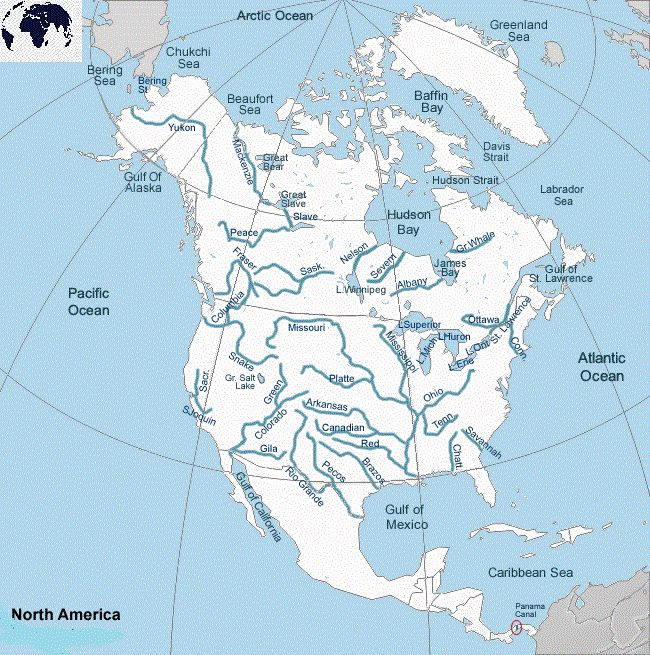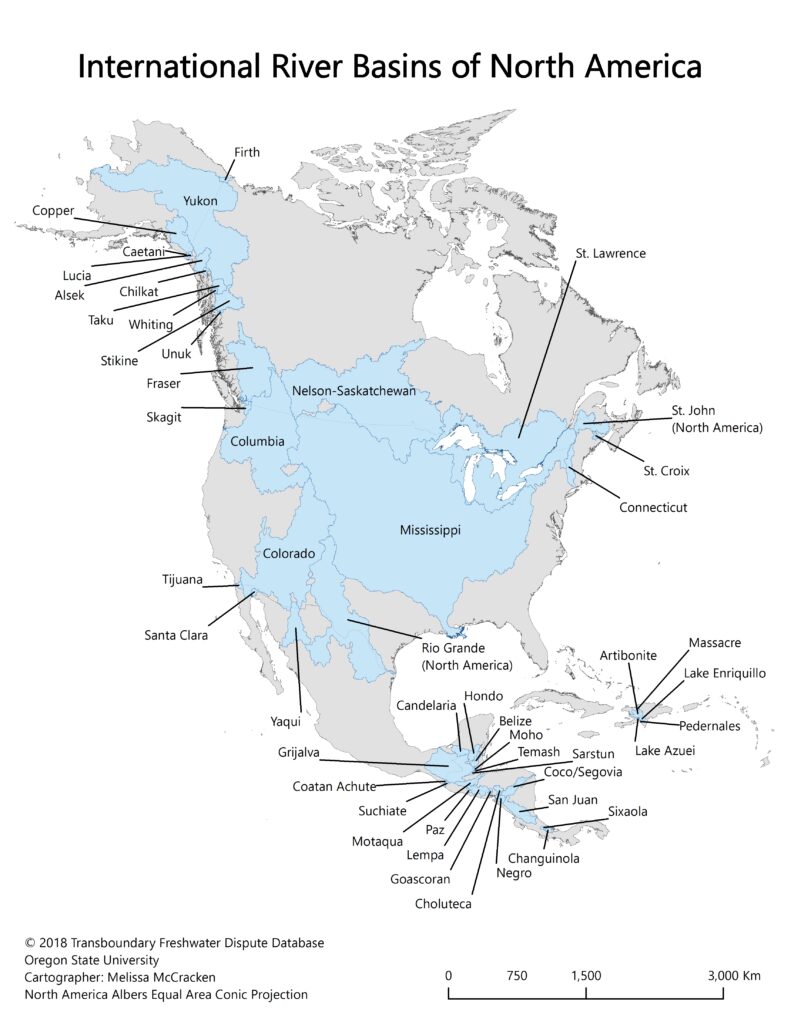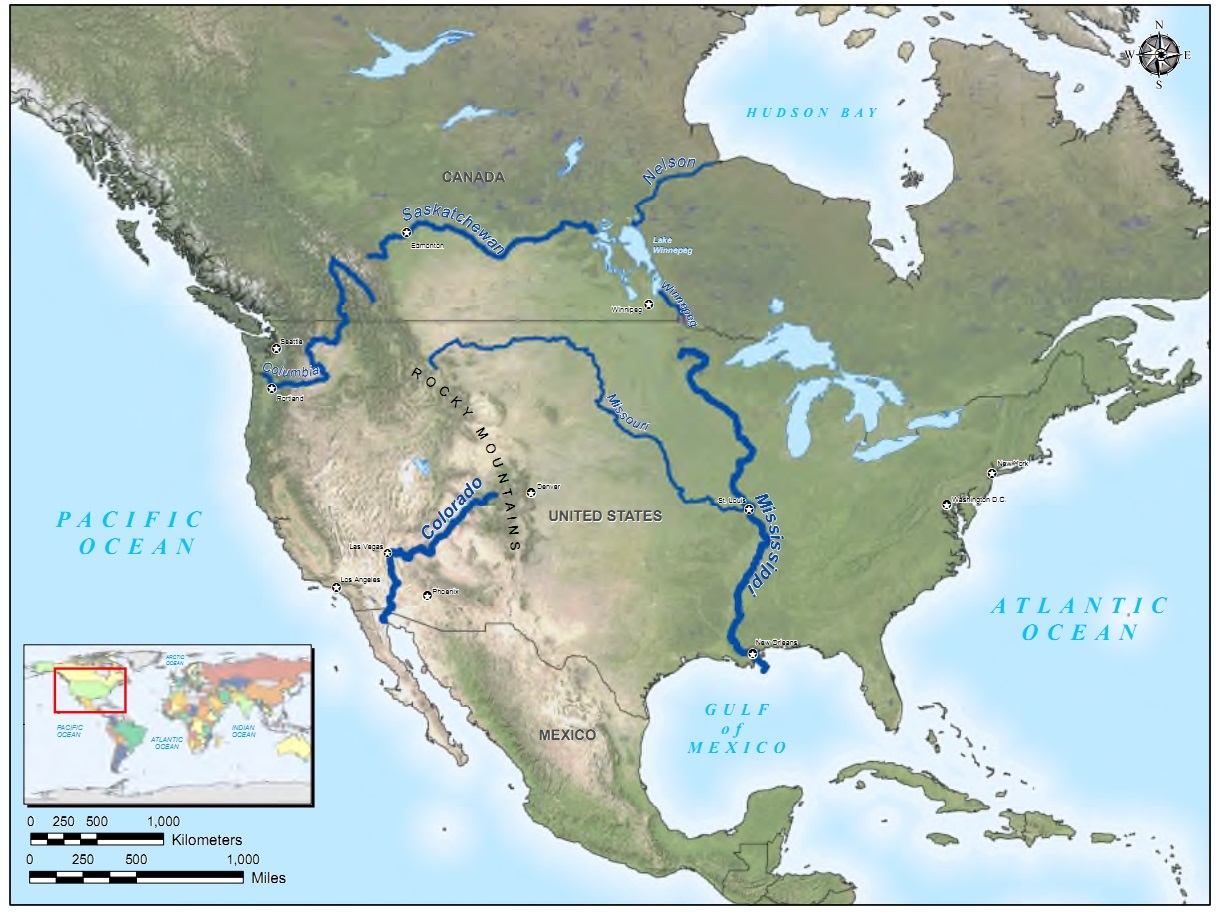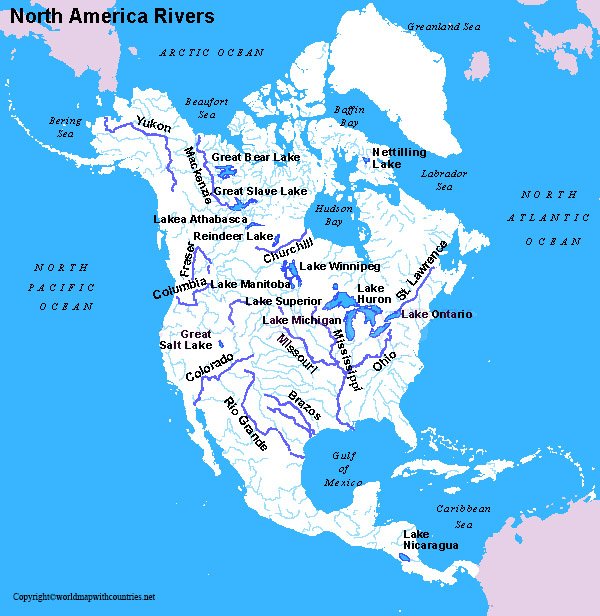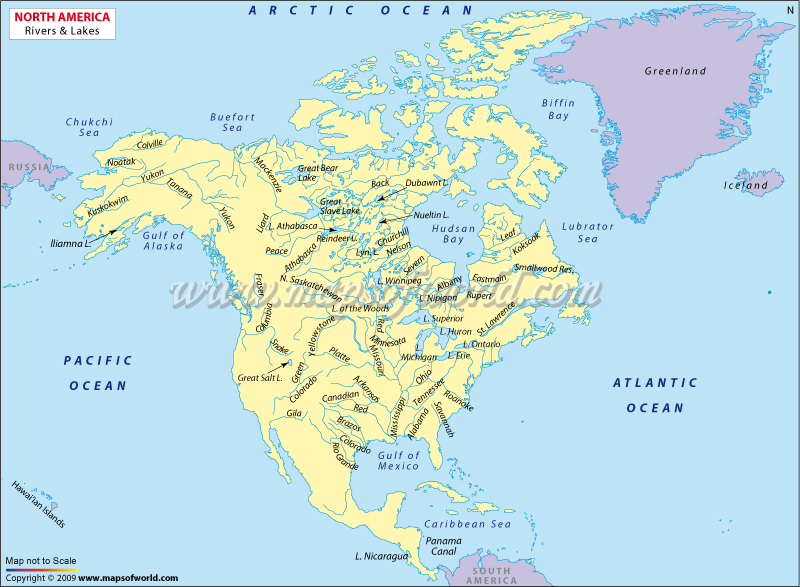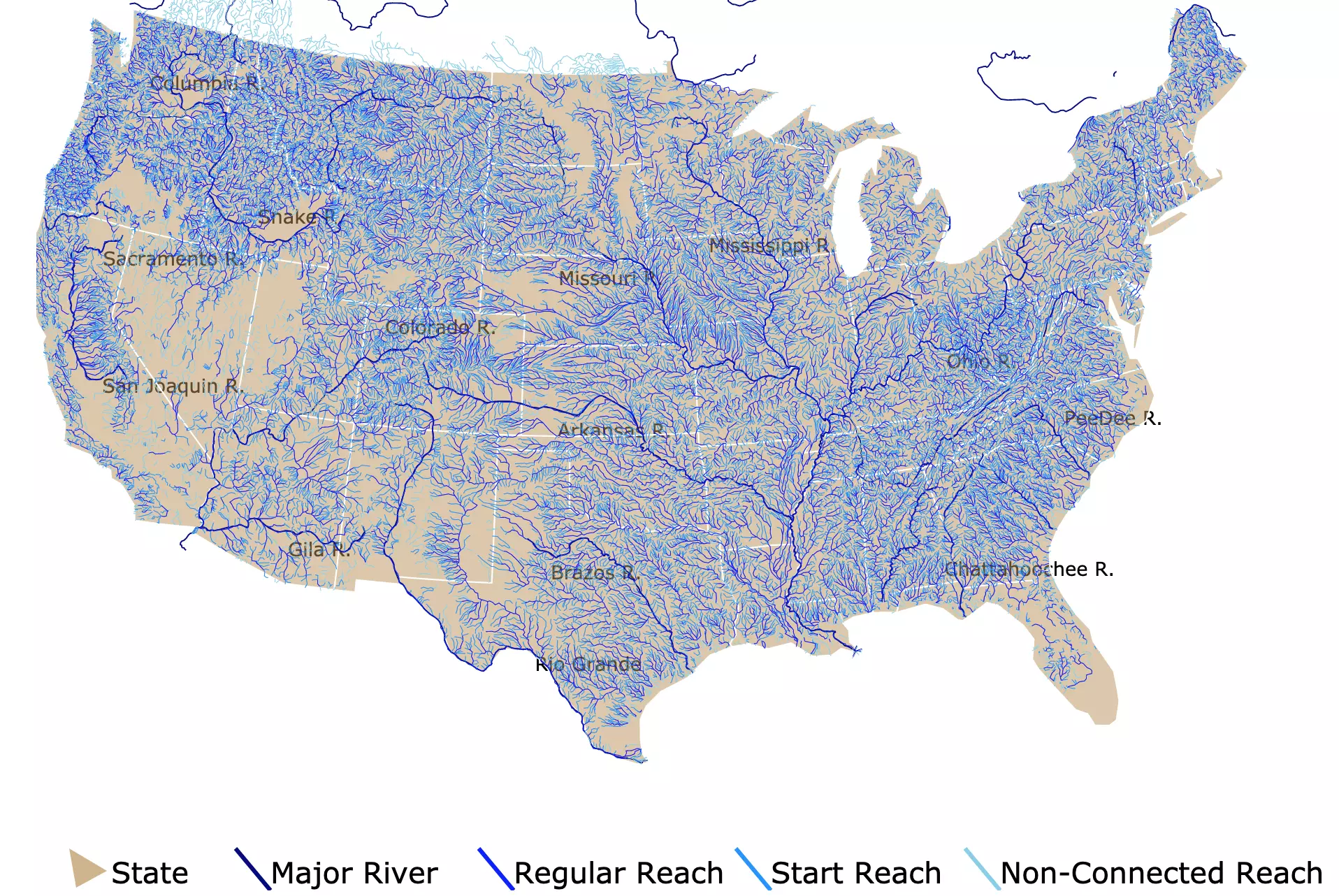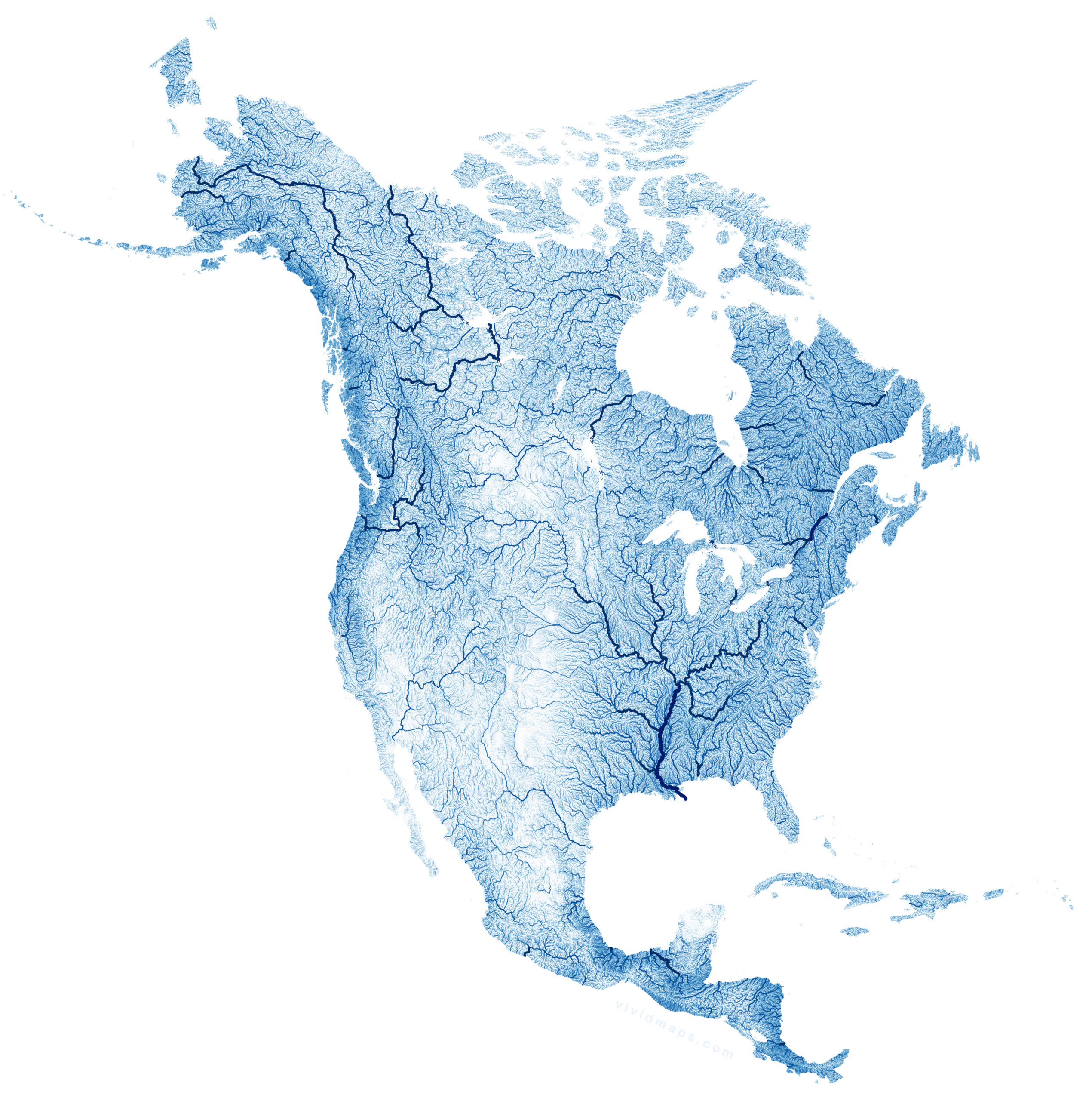
The very creation of North American rivers is a testament to the continent’s dynamic geological history. The retreat of massive glaciers during the last ice age, approximately 10,000 years ago, carved out valleys and depressions, which, over time, filled with meltwater and precipitation. These meltwater channels became the foundation for many of the continent’s major rivers. Furthermore, the varying landscapes – from the towering Rocky Mountains to the vast plains – contributed to the diverse river systems we see today.
The flow of rivers is also significantly influenced by precipitation patterns. Areas with higher rainfall, such as the Pacific Northwest and the southeastern United States, tend to have more robust and extensive river systems. The seasonal variations in rainfall and snowmelt further dictate the water levels and flow rates, impacting the ecosystems and human activities that rely on these rivers.
The Mississippi River, arguably the most iconic river in North America, is a dominant force, draining a vast watershed that covers approximately 40% of the United States. It begins in Lake Itasca, Minnesota, and flows over 2,300 miles southward to the Gulf of Mexico. The Mississippi is a crucial transportation route, a vital source of freshwater, and a habitat for diverse wildlife, including the American alligator and various species of fish.
The Missouri River, the longest river in North America, is a major tributary of the Mississippi. It winds its way through the heartland of the United States, playing a key role in the westward expansion of the country. The Missouri River’s watershed includes significant portions of the Great Plains, supporting agriculture and diverse ecosystems.
The St. Lawrence River connects the Great Lakes to the Atlantic Ocean. This vital waterway serves as a major shipping channel, allowing access to the heart of North America for international trade. The St. Lawrence River has also played a crucial role in the development of major cities, such as Montreal and Quebec City.
The Colorado River, a lifeline in the arid Southwest, carved the magnificent Grand Canyon over millions of years. This river provides water to several states, supporting agriculture, urban populations, and recreational activities. However, the Colorado River faces significant challenges, including water scarcity and the effects of climate change.
The Columbia River, originating in the Canadian Rockies, flows through the Pacific Northwest, providing hydroelectric power and supporting a rich ecosystem. The Columbia River is also a major salmon habitat, and its management is crucial for the preservation of these iconic fish.
River maps are indispensable tools for understanding and navigating North America’s waterways. They provide visual representations of river systems, showing the courses of rivers, the locations of tributaries, and the surrounding geographical features. These maps are utilized by a wide range of individuals and organizations, from geographers and environmental scientists to anglers and recreational boaters.
Different Types of River Maps: River maps come in various formats, each serving specific purposes. Topographic maps, for example, show the elevation of the land, providing a three-dimensional understanding of the terrain. Hydrographic maps focus specifically on water bodies, detailing depths, currents, and navigational hazards. Thematic maps might highlight specific features, such as the location of dams, bridges, or protected areas.
How to Read a River Map: Reading a river map involves understanding the symbols and conventions used to represent different features. Contour lines indicate elevation, while blue lines represent rivers and other water bodies. Symbols denote man-made structures, such as bridges and dams, as well as natural features, such as rapids and waterfalls. Scale is a crucial aspect of a map, indicating the ratio between distances on the map and real-world distances.
Uses of River Maps: River maps are used for a variety of applications. They are essential for navigation, helping boaters and kayakers chart their course and avoid hazards. They are also used in environmental studies, providing insights into river ecosystems and the impacts of human activities. Furthermore, river maps are valuable resources for recreational activities, such as fishing, hiking, and camping.
River maps are essential for recreational activities, like fishing, kayaking, and canoeing. They help plan routes, identify access points, and understand potential hazards. For example, a kayaker planning a trip on the Colorado River would use a river map to identify rapids, portage locations, and campsites.
Environmental scientists utilize river maps to study river ecosystems, monitor water quality, and assess the impacts of pollution and climate change. These maps help them understand the complex interactions between rivers and their surrounding environments.
River maps are instrumental in urban planning and infrastructure development. They help city planners assess flood risks, design water management systems, and plan the construction of bridges and other infrastructure projects. Understanding the course of rivers and their floodplains is crucial for preventing damage and ensuring public safety.
Where to Find River Maps: River maps are available from various sources. Government agencies, such as the United States Geological Survey (USGS) and the Canadian Hydrographic Service, provide a wealth of map data. Commercial map publishers also produce detailed river maps. Online mapping services, such as Google Maps and specialized river mapping websites, offer interactive maps and detailed information.
GIS and River Mapping: Geographic Information Systems (GIS) are powerful tools used to create, analyze, and visualize river data. GIS software allows users to overlay different data layers, such as elevation, land use, and water quality, to create comprehensive river maps and perform complex analyses.
The impact of human activities on North American rivers is profound. Pollution from industrial and agricultural sources, dam construction, and water diversions pose significant threats to river ecosystems. Understanding these impacts and implementing sustainable management practices is crucial for the long-term health of these vital waterways.
Dam construction alters river flow, impacting fish migration, sediment transport, and water temperature. Water diversions for agriculture and urban use can deplete river flows, leading to reduced habitat and water scarcity. Pollution from various sources contaminates water, harming aquatic life and threatening human health.
Conservation Efforts: Numerous conservation efforts are underway to protect and restore North American rivers. These include dam removal projects, habitat restoration initiatives, and water quality improvement programs. Public awareness campaigns and policy changes are also crucial for promoting sustainable river management.
The Role of Citizen Science: Citizen science plays an increasingly important role in river conservation. Volunteers participate in water quality monitoring, habitat restoration, and data collection, providing valuable information to scientists and policymakers.
Climate change poses significant challenges to North American rivers. Rising temperatures, altered precipitation patterns, and increased frequency of extreme weather events, such as floods and droughts, are impacting river ecosystems and water resources.
Adapting to Climate Change: Adapting to climate change requires proactive measures. These include developing drought-resistant water management strategies, restoring natural habitats, and reducing greenhouse gas emissions.
The future of North American rivers depends on our collective efforts. By understanding the importance of these waterways, utilizing river maps effectively, and addressing the challenges posed by human activities and climate change, we can ensure the long-term health and sustainability of these vital resources.
Key Takeaways: North American rivers are diverse and essential ecosystems, shaped by geological forces and climatic conditions. River maps are indispensable tools for understanding and navigating these waterways. Human activities and climate change pose significant threats, but conservation efforts and sustainable management practices offer hope for the future.
Call to Action: Explore the river systems near you. Support conservation organizations working to protect and restore rivers. Advocate for sustainable water management policies. By taking these actions, we can all contribute to the preservation of North America’s precious river resources.