This comprehensive guide will take you on a virtual journey along the Yukon River, exploring its origins, its winding path through diverse landscapes, and its ultimate destination. We’ll delve into its geographical features, historical importance, ecological role, and how modern mapping techniques help us understand this magnificent river better than ever before. Prepare to navigate the currents of knowledge and discover the secrets held within its extensive watershed.
Understanding the Yukon River: A Northern Giant
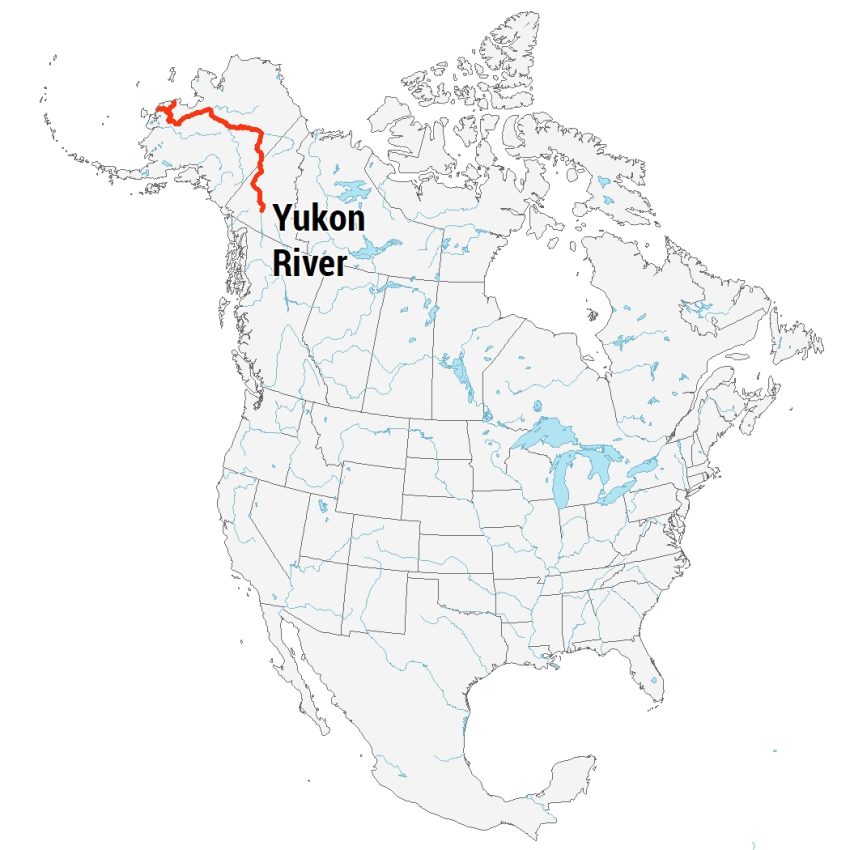
At an astonishing length of approximately 3,190 kilometers (1,980 miles), the Yukon River is the longest river in Yukon and Alaska, and the third-longest river in North America. Its sheer size dictates much of the geography and history of the regions it traverses, carving a path through some of the continent’s most remote and pristine wilderness.
The river’s journey begins innocuously enough, with its official headwaters traditionally recognized as the Llewellyn Glacier in northern British Columbia, Canada. From these humble glacial meltwaters, it gathers strength, flows north through the Yukon Territory, then turns westward across the heart of Alaska before finally emptying into the Bering Sea.
Its vast drainage basin covers an area of about 832,700 square kilometers (321,500 square miles), an area larger than the state of Texas. This immense watershed collects water from countless tributaries, lakes, and streams, contributing to the river’s impressive volume and powerful flow.
Journey Through Diverse Landscapes: From Mountains to Delta
The initial stages of the Yukon River’s flow are characterized by its passage through the mountainous terrain of northern British Columbia and the southern Yukon Territory. Here, it winds through narrow valleys, flanked by towering peaks and dense boreal forests, often passing through a series of interconnected lakes.
As it progresses northward through the Yukon Territory, the river broadens, becoming a wide, meandering waterway. Iconic towns like Whitehorse, the territorial capital, and Dawson City, the epicenter of the Klondike Gold Rush, sit proudly on its banks, bearing witness to centuries of human activity and interaction with the river.
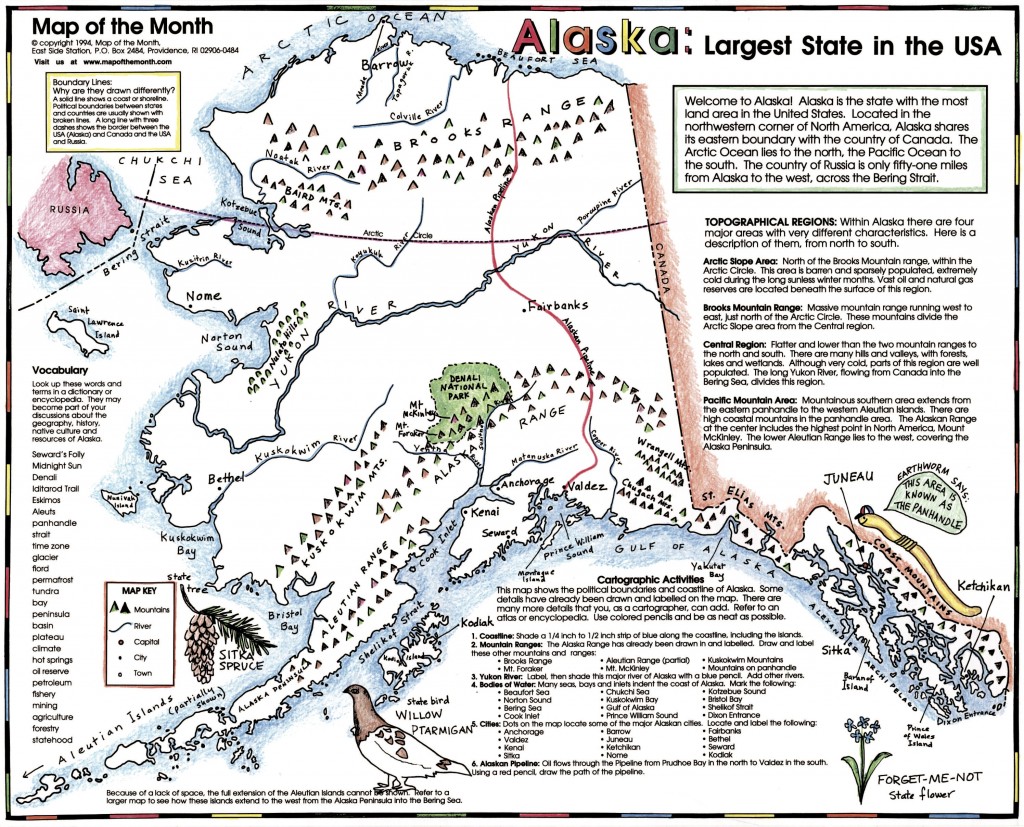
Upon crossing into Alaska, the Yukon River continues its westward trajectory. The landscape slowly transitions from forested uplands to vast, flat plains and eventually to the expansive, treeless tundra of its lower reaches. This dramatic shift in environment highlights the river’s incredible influence on regional ecology and climate.
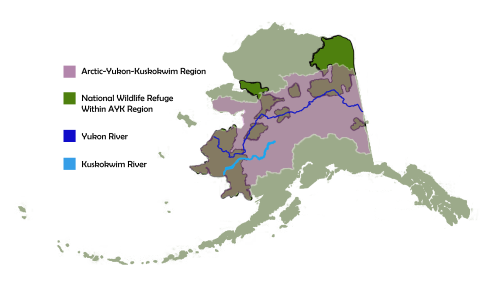
The final stretch of the river in Alaska is particularly notable. It slows considerably, spreading out into a complex network of channels, sloughs, and lakes, forming one of the world’s largest river deltas: the Yukon-Kuskokwim Delta. This wetland paradise is a critical habitat for migratory birds and rich in biodiversity, showcasing the river’s ecological climax.
Key Geographic Features Along the Way
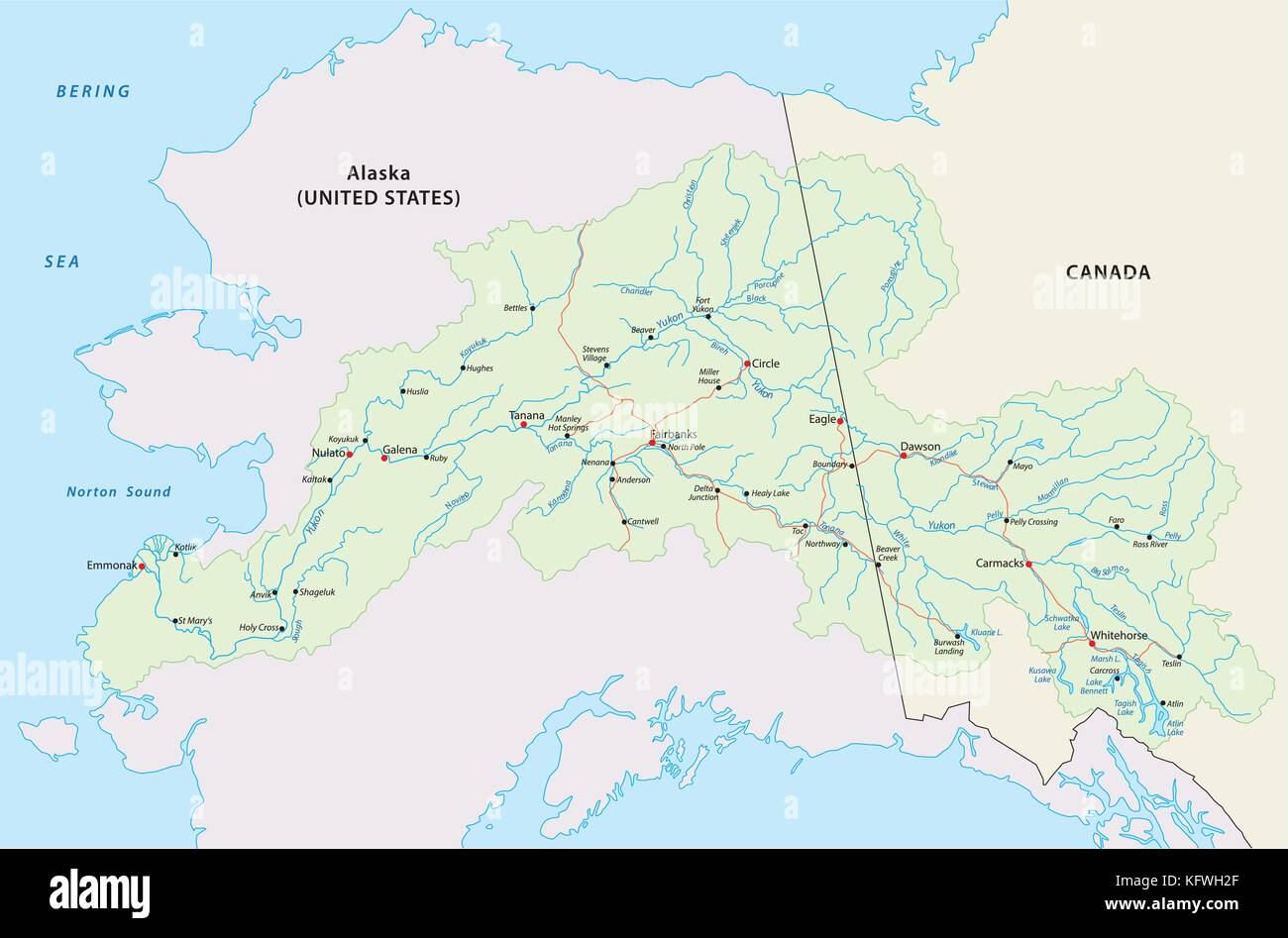
Mapping the Yukon River reveals a fascinating array of geographical features. Starting from its Canadian section, the river flows through a chain of large, deep lakes including Bennett Lake, Tagish Lake, and Marsh Lake, before passing through Whitehorse and the historic White Horse Rapids (now bypassed by a dam).
Further downstream, it is joined by significant tributaries like the Teslin River, the Pelly River, and the Stewart River, each contributing their own historical and ecological significance. The confluence of these rivers often marks important historical sites and traditional gathering places for Indigenous peoples.
One of the most famous sections is the stretch leading to Dawson City, where the Klondike River, a relatively small but historically monumental tributary, joins the Yukon. This area, with its rich gold-bearing gravels, forever etched the Yukon River into global history.
In Alaska, major tributaries include the Tanana River, which joins the Yukon near the town of Tanana, and the Porcupine River, which flows in from the north. These confluences significantly increase the river’s volume and width, making it an even more formidable waterway.
The river’s course is also marked by numerous communities, both large and small. Beyond Whitehorse and Dawson City, Alaskan towns like Eagle, Circle, Fort Yukon, Tanana, Galena, and Emmonak dot the map, often serving as vital supply hubs and cultural centers for remote populations. These settlements are intrinsically linked to the river for transportation, sustenance, and cultural identity.
Historical Significance and Human Interaction
For thousands of years, the Yukon River has been a vital artery for Indigenous peoples, including the Tagish, Tutchone, Han, Gwich’in, Yup’ik, and others. It served as a primary transportation route, a source of food (especially salmon), and a central element of their spiritual and cultural lives. Traditional knowledge of the river’s currents, rapids, and seasonal changes was, and remains, paramount for survival.
The late 19th century brought a dramatic transformation with the Klondike Gold Rush (1896-1899). The Yukon River became the main highway for prospectors, supplies, and dreams of fortune. Steamboats plied its waters, connecting remote goldfields to the outside world, fundamentally altering the landscape and demographics of the region. The map of the Yukon River from this era is a chronicle of human ambition and endurance.
Even after the Gold Rush subsided, the river continued to be a crucial transportation corridor, particularly before the advent of extensive road networks. Barges and smaller vessels still navigate its waters today, supplying remote communities and supporting resource extraction.
Ecological Importance: A Haven for Wildlife
The Yukon River and its vast watershed are ecological powerhouses. They support a diverse array of wildlife, including moose, caribou, grizzly bears, black bears, wolves, and a multitude of bird species. The river’s cold, clear waters are also home to various fish species, most notably its legendary salmon runs.
The Yukon River boasts one of the longest salmon migrations in the world, with Chinook (King) salmon traveling thousands of kilometers from the Bering Sea to their spawning grounds in the upper reaches of the river and its tributaries. This epic journey is a cornerstone of the ecosystem, providing food for wildlife and sustenance for Indigenous communities.
The unique permafrost landscape through which much of the river flows also contributes to its ecological character. The frozen ground influences drainage patterns, vegetation, and the overall hydrological cycle, creating a distinct northern environment that is both fragile and resilient.
Navigating the River: Challenges and Modern Usage
Navigating the Yukon River has always presented challenges. Its vast length, varying depths, strong currents, and seasonal ice cover demand respect and expertise. Historically, Indigenous peoples used canoes and rafts, while later prospectors and traders relied on sternwheelers. Today, recreational paddlers often undertake multi-week expeditions.
Modern usage of the river includes limited commercial barge traffic, particularly in Alaska, for transporting goods to remote villages. It is also a popular destination for wilderness tourism, offering unparalleled opportunities for canoeing, kayaking, fishing, and wildlife viewing. Mapping tools are indispensable for planning and executing such journeys safely.
Is the Yukon River navigable? Yes, for much of its length, though specific sections may require portaging or specialized craft due to rapids or shallow areas. The lower reaches in Alaska are generally wide and slow-moving, making them more accessible for larger vessels, while the upper sections require smaller, more agile boats.
Mapping the Yukon River: Evolution and Modern Tools
The evolution of the map of the Yukon River mirrors the history of exploration and settlement in the North. Early maps were based on Indigenous knowledge, passed down through generations, and later supplemented by the observations of fur traders and explorers like Robert Campbell and George M. Dawson.
The Gold Rush era spurred more detailed mapping efforts, as accurate charts were crucial for steamboat navigation and land claims. These maps, often hand-drawn, captured the river’s main channels, rapids, and major landmarks, though they lacked the precision of modern cartography.
Today, advanced technologies such as Geographic Information Systems (GIS), satellite imagery, and GPS have revolutionized river mapping. These tools provide incredibly detailed and accurate maps, showing not just the river’s course but also elevation data, vegetation, land use, and even real-time conditions. This precision is invaluable for environmental monitoring, resource management, and recreational planning.
Modern digital maps of the Yukon River allow users to zoom in on specific sections, calculate distances, identify points of interest, and even overlay different data layers. This accessibility empowers individuals to explore the river virtually before embarking on a physical journey, enhancing safety and preparedness.
Planning Your Own Yukon River Adventure
- Identify safe routes and potential hazards like rapids or shallow areas.
- Locate campsites, supply points, and emergency services.
- Understand the surrounding terrain and ecological zones.
- Estimate travel times and distances between key landmarks.
- Appreciate the historical context of the places you visit.
Consider using a combination of traditional paper maps (for reliability in remote areas) and digital mapping applications (for detailed planning and real-time navigation). Always carry appropriate safety gear and be prepared for the unpredictable nature of wilderness travel in the North.
Conclusion: A River of Endless Discovery
The Yukon River is far more than just a line on a map; it is a living, breathing entity that has shaped landscapes, sustained cultures, and inspired generations. From its glacial origins to its vast Bering Sea delta, its journey is one of power, resilience, and profound beauty. Understanding its map is not merely a geographical exercise but an immersion into the heart of the North.
We hope this comprehensive overview has deepened your appreciation for the Yukon River. Its winding course tells a story of geological forces, human endeavors, and ecological wonders, inviting all who gaze upon its map to imagine the epic adventure that awaits along its legendary waters.