This comprehensive guide delves into the mechanics, applications, and scientific principles behind wind speed mapping. We will explore how these maps are generated, the specific symbols and color codes used to interpret them, and why they are indispensable in industries ranging from maritime logistics to disaster management.
The Technology Behind Wind Speed Mapping
Creating an accurate wind speeds map requires the aggregation of massive datasets from various sources. It is not merely a single measurement but a synthesis of global inputs. The primary data sources include satellite telemetry, Doppler radar systems, weather buoys, and terrestrial anemometers. These distinct data points are fed into supercomputers that run complex meteorological models to simulate air movement across the globe.
Satellite Telemetry and Remote Sensing
Satellites play a pivotal role in tracking wind speeds over the oceans where ground stations are non-existent. Scatterometers mounted on satellites measure the roughness of the ocean surface; rougher waters indicate higher wind speeds. This data is crucial for generating global wind maps, particularly for tracking hurricanes and typhoons before they make landfall.
Ground-Based Stations and Radiosondes
While satellites provide the big picture, precision often comes from the ground up. Airports, meteorological stations, and maritime buoys are equipped with anemometers and wind vanes. Furthermore, radiosondes—weather balloons launched twice daily from hundreds of locations worldwide—measure wind velocity at various altitudes, providing the vertical profile necessary for 3D wind mapping.
How to Interpret a Wind Speeds Map
To the untrained eye, a wind map can look like a chaotic blend of colors and arrows. However, these visualizations follow standard meteorological conventions. Understanding these elements is key to extracting actionable data.
Color Gradients and Heat Maps
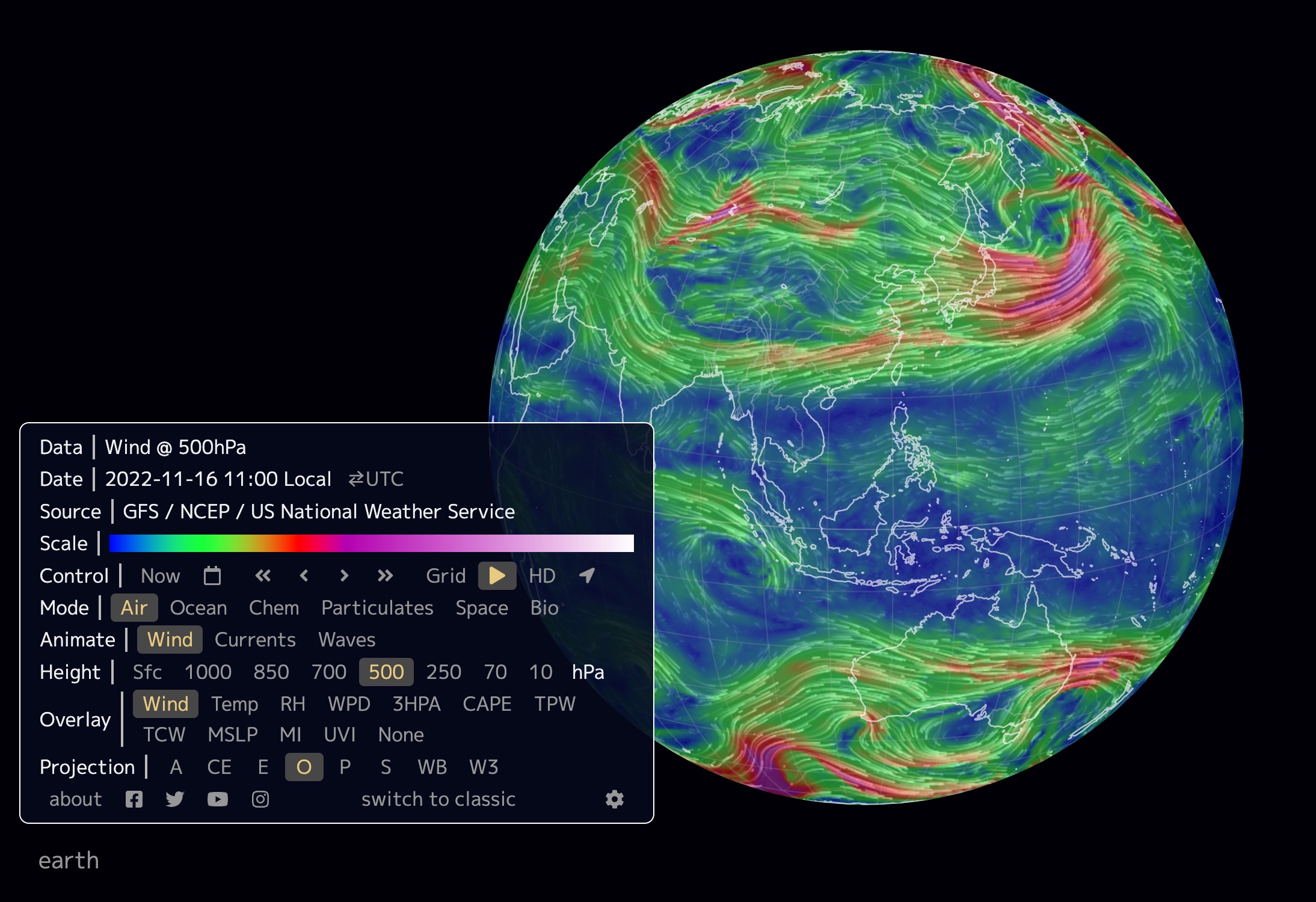
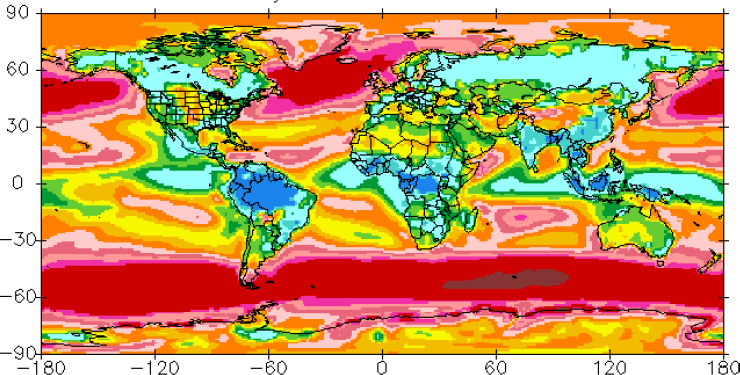
Most digital wind maps use a heat map spectrum to indicate velocity. Typically, cool colors like blue and green represent calm to moderate breezes. As the wind speed increases, the colors shift to yellow, orange, and red. Deep purple or white usually signifies extreme conditions, such as those found inside a Category 5 hurricane or a violent squall line.
Wind Barbs and Vectors
For more technical maps, such as those used in aviation or sailing, wind barbs are utilized. A wind barb indicates both direction and speed. The staff of the barb points to where the wind is coming from. The ‘feathers’ or flags at the end of the staff indicate speed: a short line is 5 knots, a long line is 10 knots, and a triangular pennant represents 50 knots. Summing these symbols gives the total velocity.
Streamlines and Particle Animation
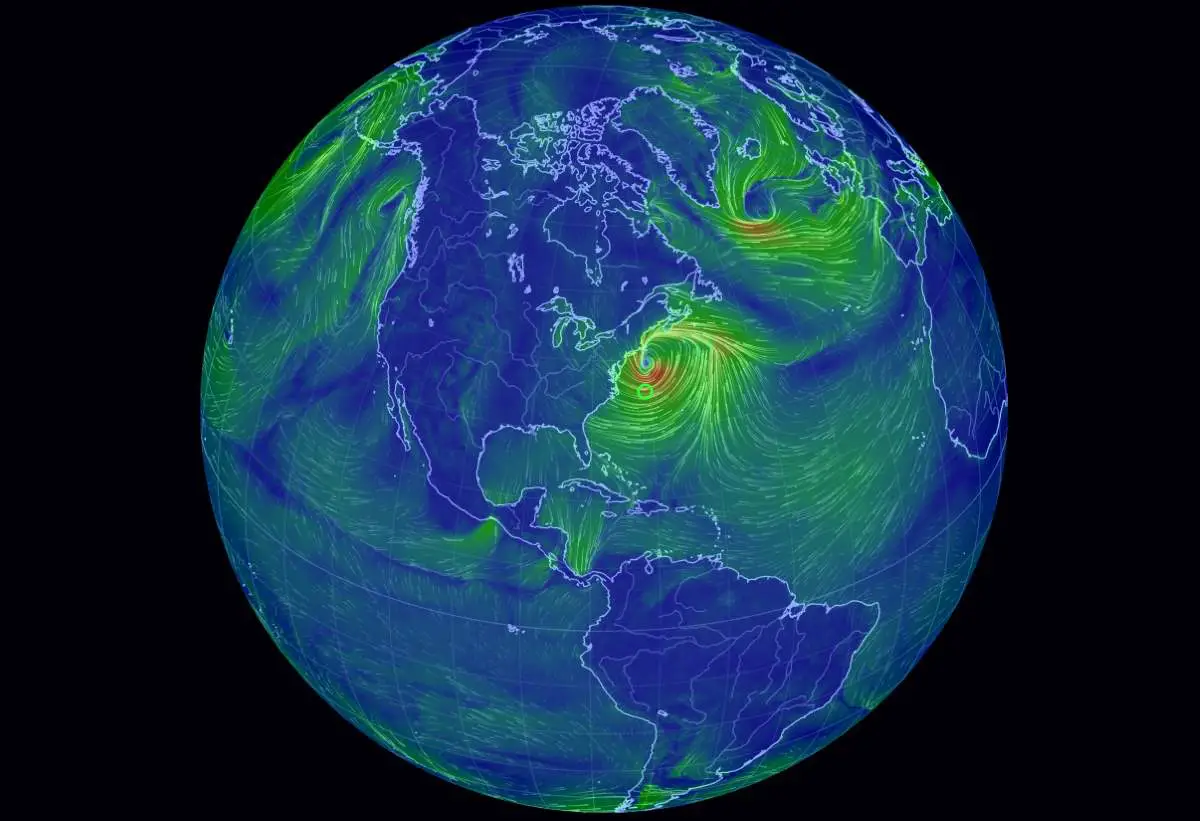
Modern interactive maps, such as those found on Windy.com or Earth.nullschool, use particle animation. These are moving lines (streamlines) that flow across the map. The speed of the animation correlates to the wind speed, while the direction of the flow visualizes the wind vector. This creates an intuitive, immediate understanding of weather patterns like cyclones or anticyclones.
Applications of Wind Speed Maps
The utility of a wind speeds map extends far beyond checking if it is a good day for a picnic. Various high-stakes industries rely on this data for safety, efficiency, and economic planning.
Renewable Energy and Wind Farms
The green energy sector is perhaps the most significant consumer of historical and real-time wind data. Developers use climatological wind maps to identify locations with consistent, high-velocity winds for potential wind farm sites. This process, known as micrositing, requires precise mapping to ensure turbines are positioned to maximize energy output while minimizing structural stress.
Aviation and Flight Planning
Pilots and flight dispatchers utilize high-altitude wind maps to calculate fuel burn and flight time. The jet stream—a ribbon of high-speed wind in the upper atmosphere—can act as a tailwind, significantly shortening transcontinental flights and saving fuel. Conversely, mapping helps pilots avoid areas of severe turbulence and strong headwinds.
Maritime and Naval Operations
For sailors and shipping logistics companies, wind maps are synonymous with safety. Understanding the ‘fetch’—the distance wind travels over open water—helps predict wave height. By analyzing wind speed forecasts, captains can route vessels around storms, protecting cargo and crew from treacherous sea states.
Meteorological Models: GFS vs. ECMWF
When viewing a forecast on a wind speeds map, you are essentially looking at a visualization of a mathematical model. There are two primary models that dominate the industry, and understanding the difference is important for accuracy.
The GFS (Global Forecast System): Run by NOAA (USA), this model is updated four times a day. It is generally excellent for long-range forecasting but can sometimes lack the granular precision of its European counterpart in specific local terrains.
The ECMWF (European Centre for Medium-Range Weather Forecasts): Often regarded as the ‘gold standard’ for precision, the Euro model is updated twice daily. It has a higher resolution and has statistically performed better in predicting the path of major hurricanes and cyclones.
The Science of Air Movement
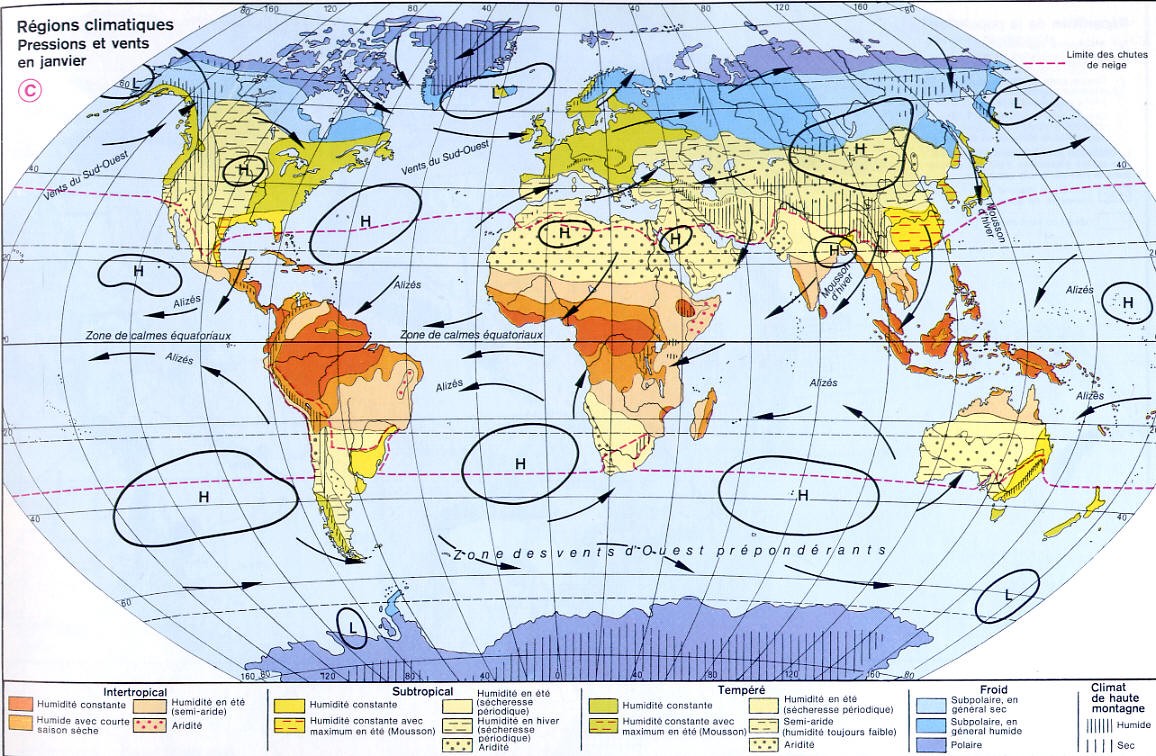
To truly understand a wind map, one must understand what drives the wind. Wind is simply the atmosphere’s attempt to equalize pressure. Air moves from areas of high pressure to areas of low pressure. The speed of this movement depends on the pressure gradient force.
The Coriolis Effect
You will notice on global wind maps that air does not move in straight lines. Due to the Earth’s rotation, wind is deflected to the right in the Northern Hemisphere and to the left in the Southern Hemisphere. This phenomenon, known as the Coriolis effect, is responsible for the spiral rotation of hurricanes and large-scale weather systems visible on wind maps.
Interactive Tools and Apps
- Windy.com: A favorite among pilots and sailors, offering multiple model comparisons (ECMWF, GFS, ICON).
- Ventusky: Known for its clean interface and detailed precipitation layers overlaid with wind data.
- Earth.nullschool.net: A mesmerizing visualization of global weather conditions, ocean currents, and particulates.
- NOAA Aviation Weather Center: Provides standard isobaric charts and wind barb maps for flight planning.
Frequently Asked Questions (People Also Ask)
How accurate are wind speed maps?
Short-term wind maps (0-48 hours) are highly accurate, often within a margin of 10-15%. However, as the forecast window extends beyond 5 days, the reliability decreases significantly due to the chaotic nature of the atmosphere.
What is the difference between wind speed and wind gusts?
Wind speed generally refers to the average velocity of the wind over a set period (usually 2 or 10 minutes). Wind gusts are sudden, brief increases in speed that last less than 20 seconds. Maps usually have separate toggles to view ‘sustained wind’ versus ‘gusts,’ which is critical for construction safety and aviation.
Why is wind speed usually measured at 10 meters?
Standard meteorological wind measurement takes place at 10 meters (33 feet) above the ground. This is to avoid the friction and turbulence caused by the ground surface, trees, and buildings, providing a more consistent and comparable dataset across different locations.
Conclusion
The wind speeds map is a convergence of advanced physics, satellite technology, and computer science. Whether you are tracking a developing storm, planning a sailing route, or simply curious about the weather patterns shaping your day, these maps provide a window into the dynamic forces of our planet.
By understanding how to read the gradients, barbs, and streamlines, and knowing the difference between the underlying forecast models, you can make informed decisions based on accurate meteorological data. As technology advances, the resolution and accuracy of these maps will only improve, further integrating them into our daily lives and industrial operations.